 Business License

Ceramic fiber paper: The "flexible armor" and thermal insulation cornerstone of high-temperature
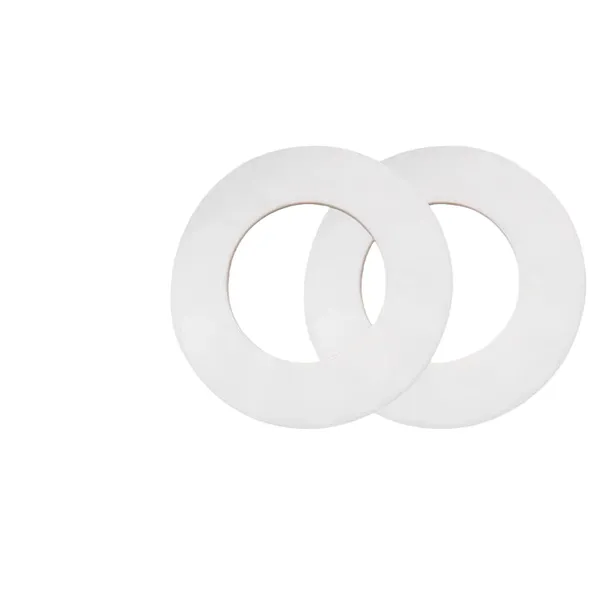
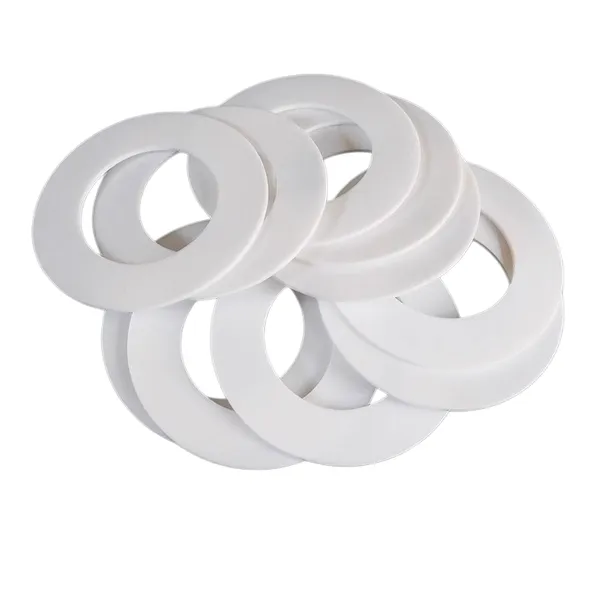
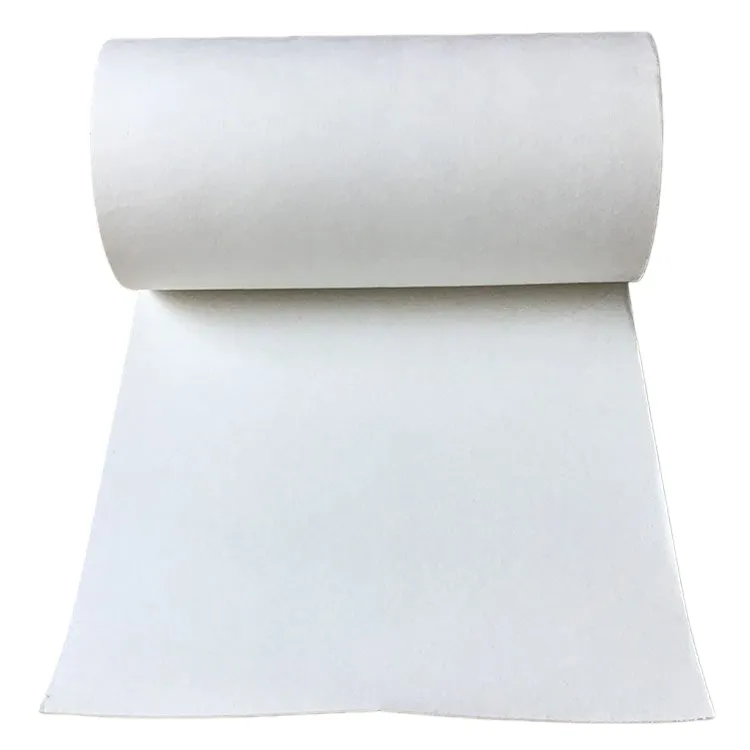
In extreme high-temperature working conditions such as metallurgy, petrochemicals, aerospace, and new energy, the reliability of insulation sealing materials directly determines the safety boundary and operational efficiency of equipment. Ceramic fiber paper, a special material made of aluminosilicate refractory fibers through a wet-laid process, is becoming an flexible insulation cornerstone in high-temperature industries with its unique "paper-like flexibility" and "ceramic-grade temperature resistance". It is neither traditional organic paper nor rigid refractory brick, a functional material that perfectly integrates the high-temperature resistance of inorganic fibers with the thinness and flexibility of paper, continuously safeguarding the thermal safety of industrial equipment in extreme thermal environments ranging from 260°C to 1400°C. Material Essence: The "Paper-like" Reconstruction of Inorganic Fibers The core value of ceramic fiber paper stems revolutionary reconstruction of the form of traditional refractory materials. Using high-purity alumina, silica powder, and other inorganic minerals as raw materials, it transforms originally loose and brittle ceramic fiber cotton a continuous paper-like structure with uniform fiber distribution, pure white color, and no delamination through a process of four-stage centrifugal slag removal, wet forming, and optimized drying. "paper-like" process is not a simple physical compression, but rather, through a scientifically proportioned binder and reinforcing fibers, it imparts excellent machinability and flexibility to the material while retaining intrinsic high-temperature resistance, low thermal conductivity, and electrical insulation properties of ceramic fibers. Unlike organic insulation materials, ceramic fiber paper contains no asbestos or organic volatiles. It emits extremely low smoke initial heating, and does not decompose or carbonize at high temperatures, avoiding the risk of contaminating precision equipment or inducing fires. Its theoretical thermal conductivity can be as low as .12 W/(m·K) at 800°C, far lower than traditional refractory bricks and insulation cotton, enabling efficient insulation at an extremely thin thickness., the material possesses a tensile strength of over 0.3 MPa and good resilience, allowing it to both resist thermal stress shocks at high temperatures and tightly conform to complex sealing surfaces such as and furnace doors during installation, solving the industry pain point of rigid insulation materials having "good insulation but poor sealing".
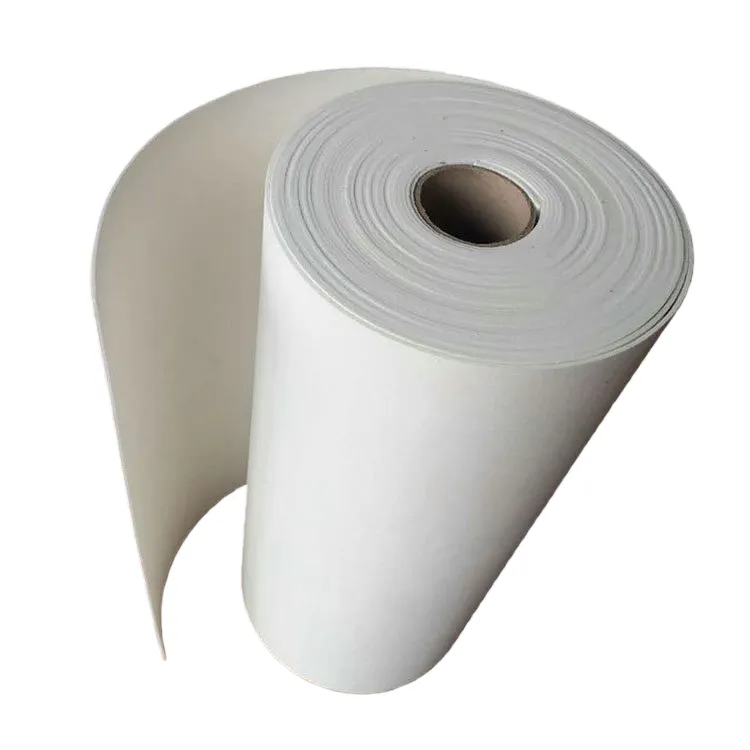
Performance Boundary: "Flexible Armor" Under Extreme Conditions The performance advantages of ceramic fiber paper are particularly prominent in temperatures and complex operating conditions. In terms of temperature resistance, depending on the content of alumina and zirconia, it can be divided into the 1260°C standard type 1350°C high-alumina type, and 1430°C zirconia-containing type, covering a wide temperature range from industrial furnaces to spacecraft protection. Regarding thermal stability, high-quality products exhibit a permanent linear change of ≤-3% after 1000°C × 24h heating, and are not pulverized or shrunk under long-term high temperatures, ensuring the durability of insulation and sealing performance. More critically, ceramic fiber paper possesses excellent thermal shock resistance and chemical inertness. Under conditions with frequent temperature fluctuations, its low heat capacity and high flexibility can effectively buffer thermal stress, avoiding cracking failures caused by thermal expansion and contraction; meanwhile, the material shows excellent resistance acids, alkalis, salts, and most corrosive media, allowing it to serve long-term in harsh furnace atmospheres containing sulfur and alkali metal vapors. These characteristics make it an ideal choice scenarios such as high-temperature pipe flange gaskets, furnace door expansion joint sealing, ladle insulation layers, automotive exhaust heat shields, and lithium battery baking equipment insulation, significantly improving equipment efficiency and maintenance cycles while ensuring thermal safety. Application Evolution: From Industrial Insulation to Aerospace Thermal Protection With the iteration of material technology, the application scenarios of ceramic fiber paper are continuously expanding traditional industries to cutting-edge technology fields. In the industrial sector, it has gradually replaced asbestos products and heavy refractory bricks to become the standardized insulation and sealing material for equipment such as furnace linings, petrochemical cracking furnaces, and ceramic sintering kilns. Its lightweight, thin, and flexible characteristics not only reduce the self-weight of the equipment but also simplify the installation maintenance processes. In the new energy sector, the emergence of SiO₂ aerogel composite ceramic fiber paper has reduced the thermal conductivity coefficient at 25°C to 0.01–0.028 W/(m·K), making it a key material for thermal protection between battery modules in new energy vehicles, effectively enhancing the safety and energy density battery systems. In the aerospace field, ceramic fiber paper plays the role of "space thermal insulation armor." As a typical representative of inorganic high-temperature resistant paper, it is widely in scenarios such as satellite pipeline wrapping, rocket fuselage insulation, and spacecraft electronic equipment insulation, providing reliable thermal protection for precision instruments in extreme thermal environments ranging from 600°C to 200°C. Its organic-free and high-temperature non-volatile characteristics perfectly meet the stringent requirements of spacecraft for material cleanliness and reliability, making it one of key basic materials supporting China's deep space exploration and spacecraft thermal management.
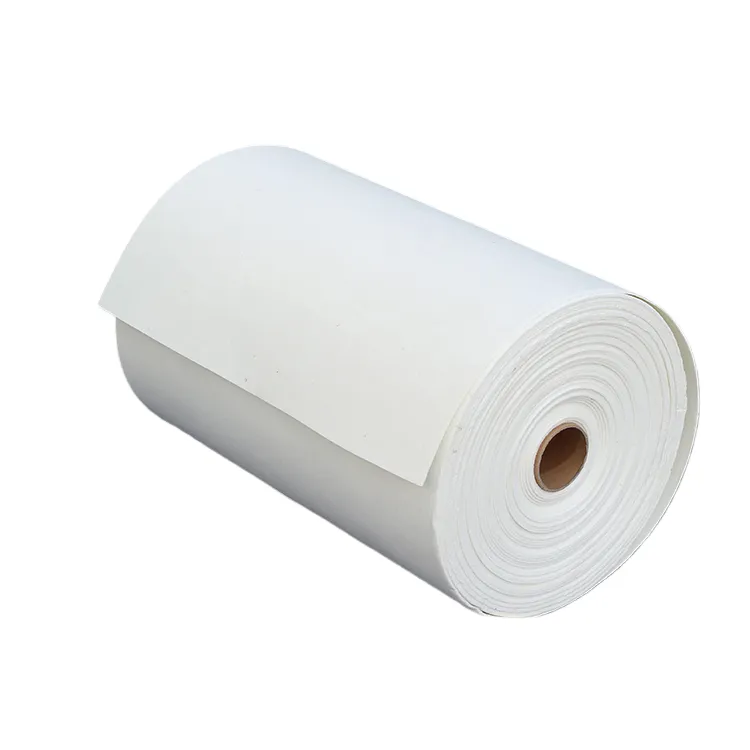
Selection and Pitfall Avoidance: Key Insights in Engineering Practice In practical applications, the performance of ceramic fiber paper highly dependent on material quality and working condition matching. When purchasing, three core dimensions should be focused on: first, the matching of temperature resistance rating with long-term operating temperature avoid material pulverization and failure due to overheating; second, slag ball content and fiber purity, where lower slag ball content results in superior material flexibility and temperature resistance; third, batch, prioritizing manufacturers with comprehensive quality control systems, high-purity raw materials, and advanced forming processes to avoid equipment safety risks caused by material performance fluctuations. Meanwhile, one must wary of common industry issues such as overstated performance specifications and insufficient durability. Some inferior products exhibit shrinkage rates far exceeding standards at high temperatures, or lose elasticity after multiple thermal cycles, leading sealing failure. During actual selection, third-party test reports should be requested from suppliers, and a comprehensive evaluation should be conducted based on specific working conditions (such as temperature fluctuation frequency, corrosivity, and installation space constraints) rather than relying solely on nominal parameters. For highly corrosive working conditions, it is also necessary to consult manufacturers to select products with higher erosion resistance or surface treatment solutions to ensure the long-term reliability of the material in extreme environments. Conclusion: The Thermal Safety Logic Behind Flexible Materials The widespread application of ceramic fiber reflects the deep-seated demand of high-temperature industries for "performance synergy" in materials. It retains the "rigid" advantages of ceramic fiber, such as high temperature resistance and thermal conductivity, while the paper-making process endows it with "flexible" characteristics to adapt to complex working conditions, achieving a delicate balance among multiple functions like thermal insulation, sealing, insulation, and sound absorption. This combination of rigidity and flexibility allows it to continuously play an irreplaceable role in thermal protection across a wide range of scenarios, from industrial kilns to spacecraft With the continuous development of new energy, aerospace, and high-end equipment manufacturing, ceramic fiber paper is evolving towards higher temperature resistance, lower thermal conductivity, stronger erosion resistance, and multi-integration. For engineers and material researchers, a deep understanding of the material essence and application logic of ceramic fiber paper not only helps in making better selection decisions for current projects but also key technical insights to address future, more stringent thermal safety challenges. Within this seemingly soft white sheet lies a solid force that safeguards high-temperature industrial safety and drives technological innovation
Recently Posted
-
O-ring: The "Invisible Contract" of Industrial Sealing and the Philosophy of Working Conditions
August 7, 2026In the vast and complex system of industrial equipment, people often marvel at the meshing of precision gears or the pressurebeari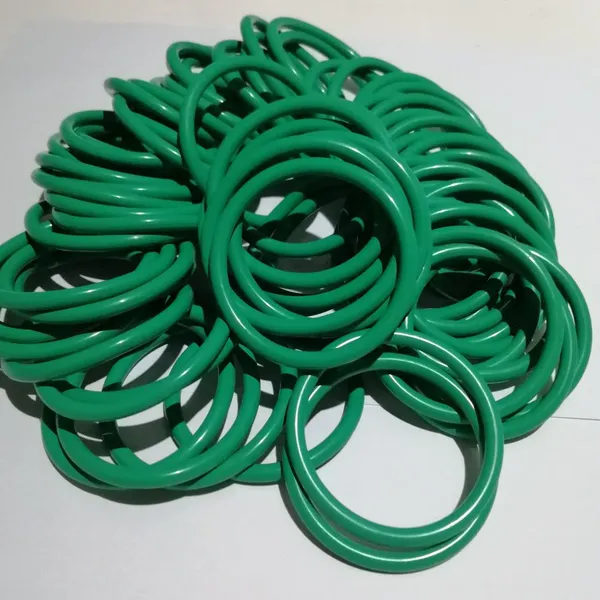 Read More
 -
Nano-aerogel felt: "Super insulation" breaking thermodynamic limits and industrial reshaping
August 7, 2026Under the grand narrative of the global energy structure transition and the "dual carbon" goals, energy conservation and Read More
 -
Aluminum Gaskets: The "Flexible Contract" in Industrial Connections
August 5, 2026In industrial systems such as mechanical manufacturing, petrochemicals, electronics, and aerospace, aluminum gaskets/washers, as f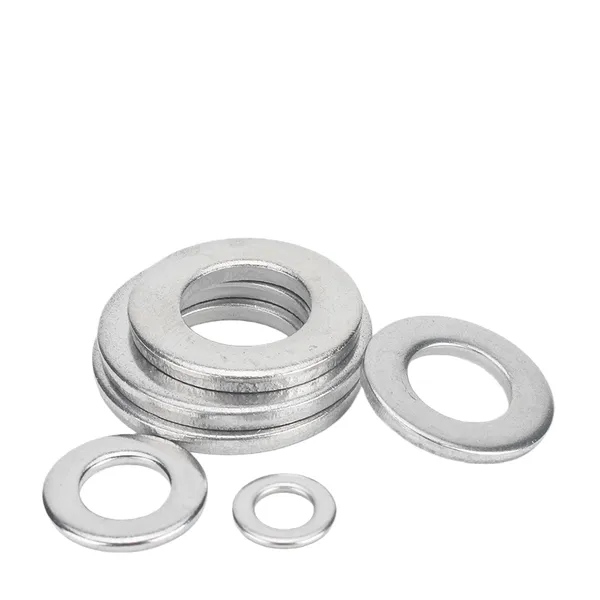 Read More
 -
Qingke Paper: The "Paper Armor" and Insulation Philosophy in the Electronics and New Energy Sectors
August 5, 2026Inside new energy batteries, precision motors, and various electronic and electrical devices, countless tiny components are hidden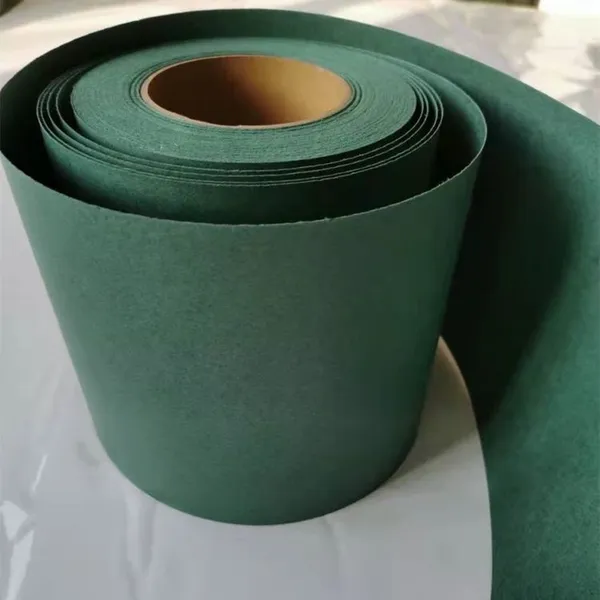 Read More

Contact Us
Recommended Products
-
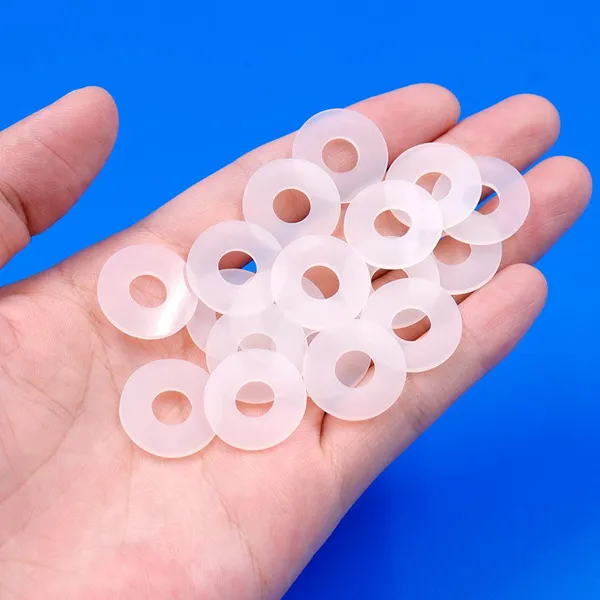
 Colored Silicone Flat Washer FF Full Surface With Water Line Silicone Pad High Temperature Resistant 230℃ Valve Pipe Sealing GasketNegotiableMOQ: 100 Blades
 -
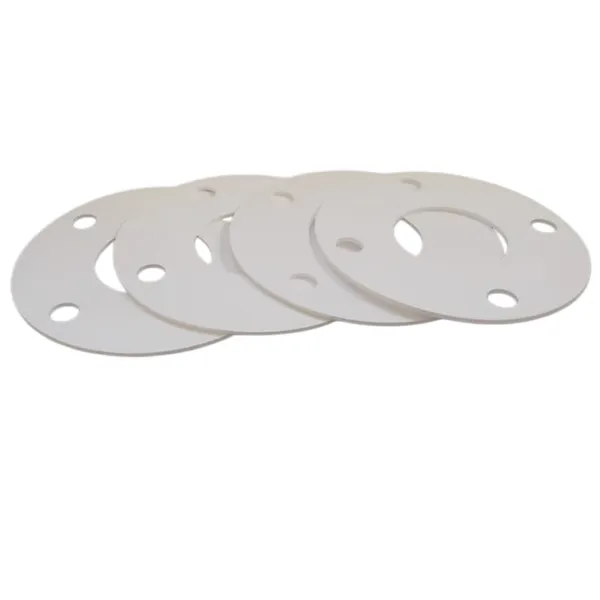
PTFE Gasket With Holes, National Standard Flange Multi-hole PTFE Sealing GasketNegotiableMOQ: 100 Blades
-
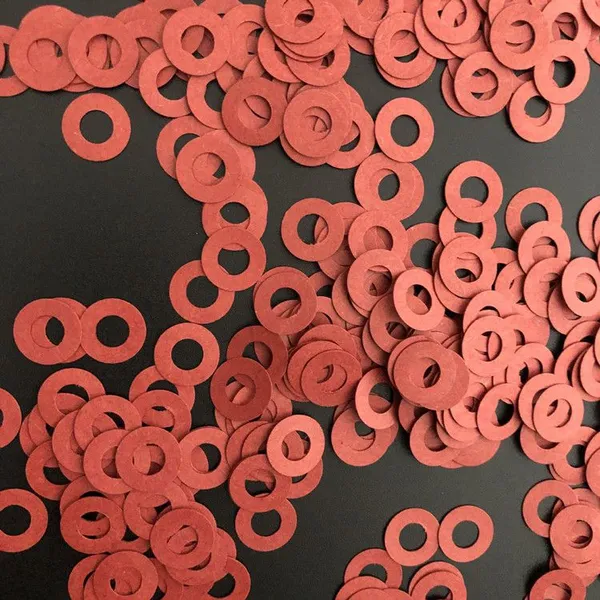
Red Steel Paper Gasket Insulation Flat Washer Red Mica Quick Connector Paper WasherNegotiableMOQ: 100 Blades
-
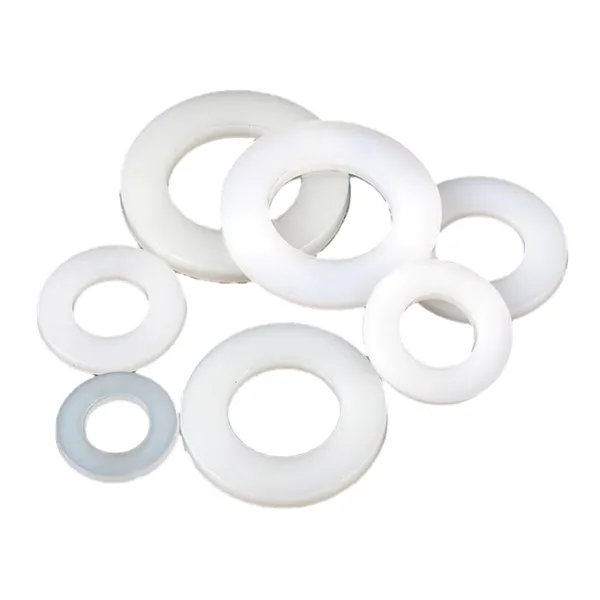
Nylon Washer Black Plastic Flat Washer Insulating Shock-absorbing Wear-resistant Self-lubricatingNegotiableMOQ: 100 Blades
-
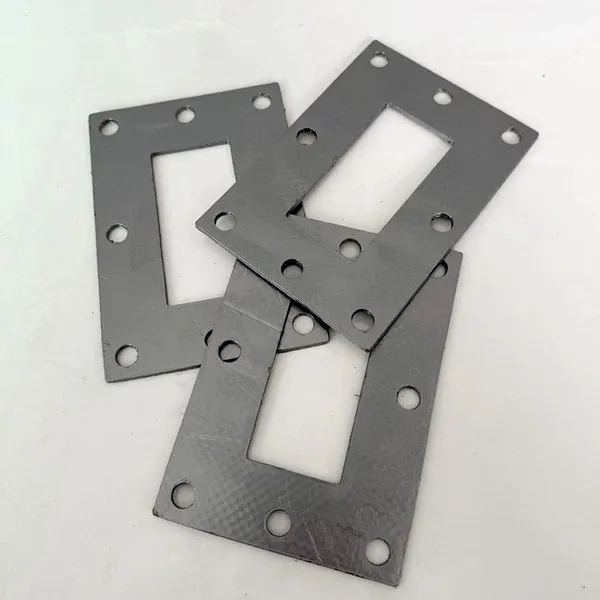
Perforated Graphite Composite Gasket 304 Stainless Steel Reinforced High Temperature and High Pressure Flange Gasket Boiler SteamNegotiableMOQ: 100 Blades
-
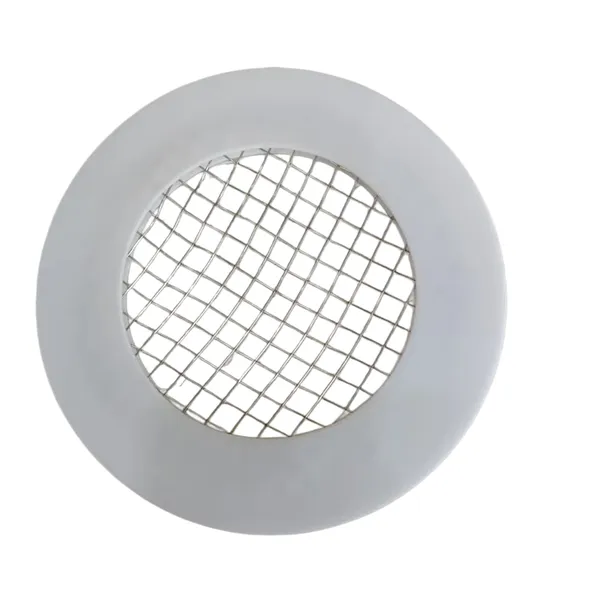
PTFE Filter Gasket With Stainless Steel Mesh; PTFE Filter Sealing Gasket With Stainless Steel MeshNegotiableMOQ: 100 Blades
-
Metal Reinforced PTFE PTFE Gasket Chemical Corrosion Resistant GasketNegotiableMOQ: 100 Blades
-
Reinforced Metal Winding Gasket 304 Stainless Steel Flange Sealing GasketNegotiableMOQ: 100 Blades
-
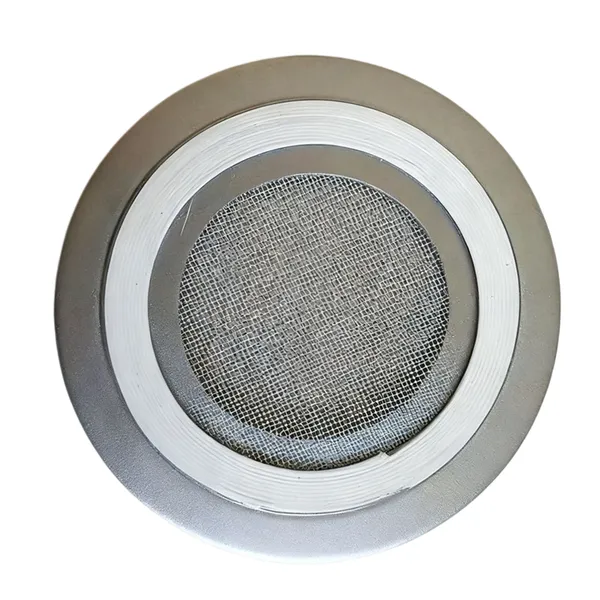
Filter Mesh Winding Gasket 304 Stainless Steel Inner and Outer Ring GasketNegotiableMOQ: 100 Blades
-
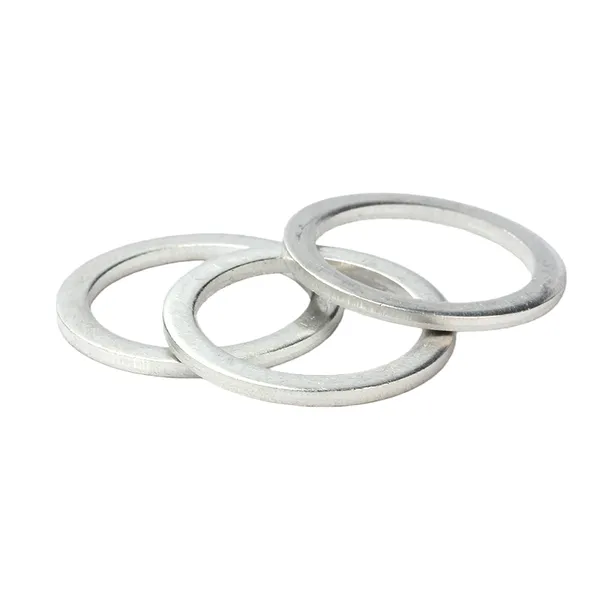
Pure Aluminum Gasket Soft Aluminum Flat Washer 0.1-3mm High Temperature Resistant Sealing Aluminum WasherNegotiableMOQ: 100 Blades
-
Metal Octagonal Ring Gasket Oval Gasket 304/316L Stainless Steel Metal Ring Gasket RJ Flange GasketNegotiableMOQ: 100 Blades
-
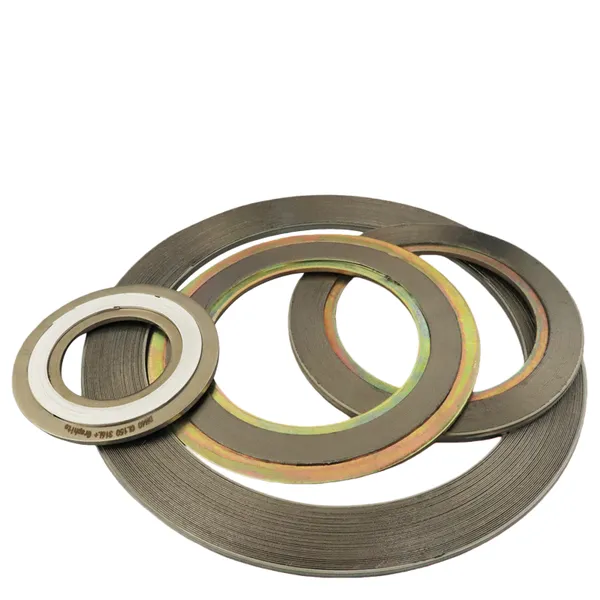
Basic Metal Spiral Wound Gasket 304 Graphite Spiral Wound Gasket Tongue and Groove FlangeNegotiableMOQ: 100 Blades
-
Metal Graphite Spiral Wound Gasket High Temperature Flange Pipe Sealing GasketNegotiableMOQ: 50 Blades
-
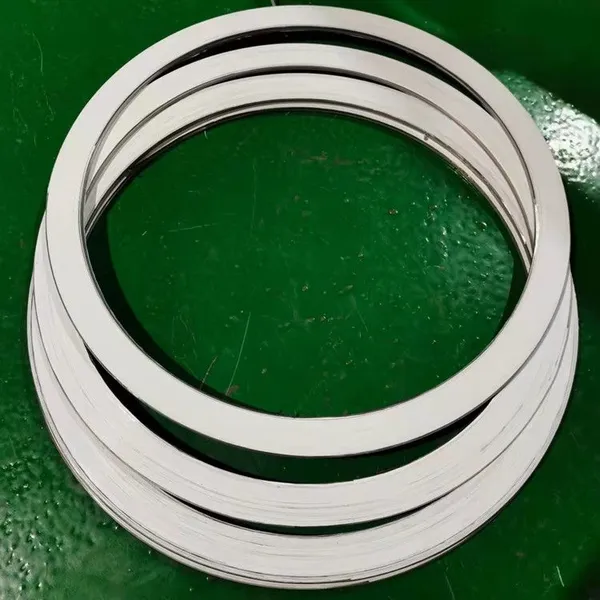
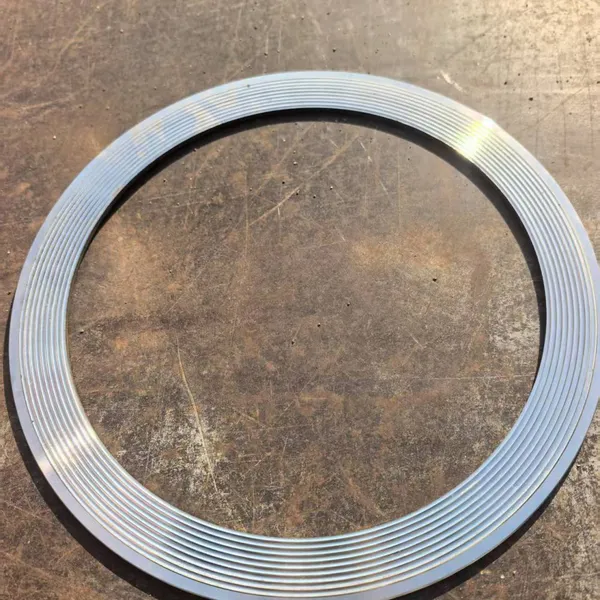
Stainless Steel Flexible Graphite Corrugated Composite Gasket Irregular Thick Reinforced High Temperature and High Pressure Sealing GasketNegotiableMOQ: 100 Blades
-
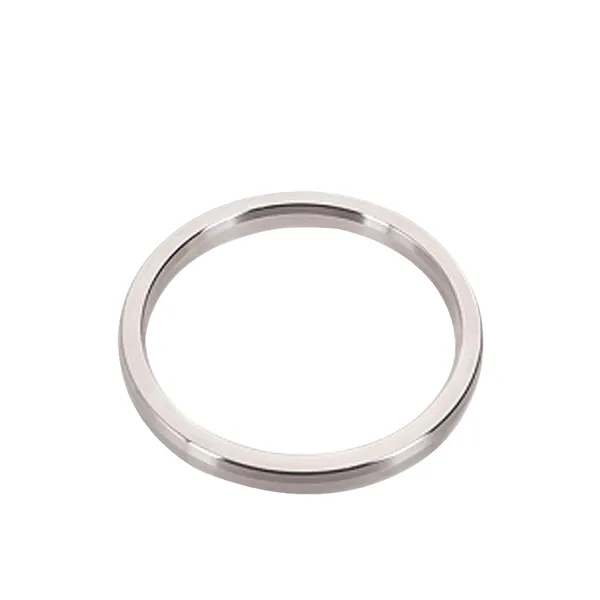
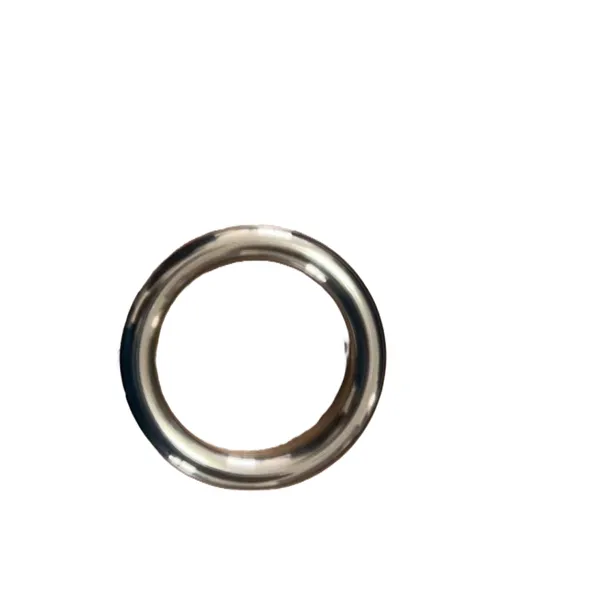
304 Stainless Steel Oval Metal Ring Gasket RJ Flange Oval Gasket High Pressure and High Temperature Resistant Sealing WasherNegotiableMOQ: 10 Units
-
PTFE Gasket, Polytetrafluoroethylene Sealing Gasket, White Teflon Flat Gasket, High Temperature and Acid/alkali Resistant Industrial Flange WasherNegotiableMOQ: 25 Units
-
Elastic Expanded PTFE Gasket Soft Teflon Gasket Pipe Flange Sealing Gasket High and Low Temperature Corrosion Resistant Ready Stock Custom MadeNegotiableMOQ: 25 Units
-
Metal Lens Gasket, No-hole and With-hole Lens Gasket, High-pressure Angle Valve Hydrogen Pipeline Flange Sealing Gasket Custom-madeNegotiableMOQ: 25 Units
-
Metal Serrated Gasket | Wave Profile Composite Gasket for High Temperature and High Pressure Flange SealingNegotiableMOQ: 100 Blades
-
High Temperature and High Pressure Octagonal Ring Joint Gasket Oval Flange Gasket Carbon Steel 304 316 Stainless SteelNegotiableMOQ: 1 Unit