 Business License

Graphite paper: A flexible cornerstone from industrial sealing to electronic heat dissipation
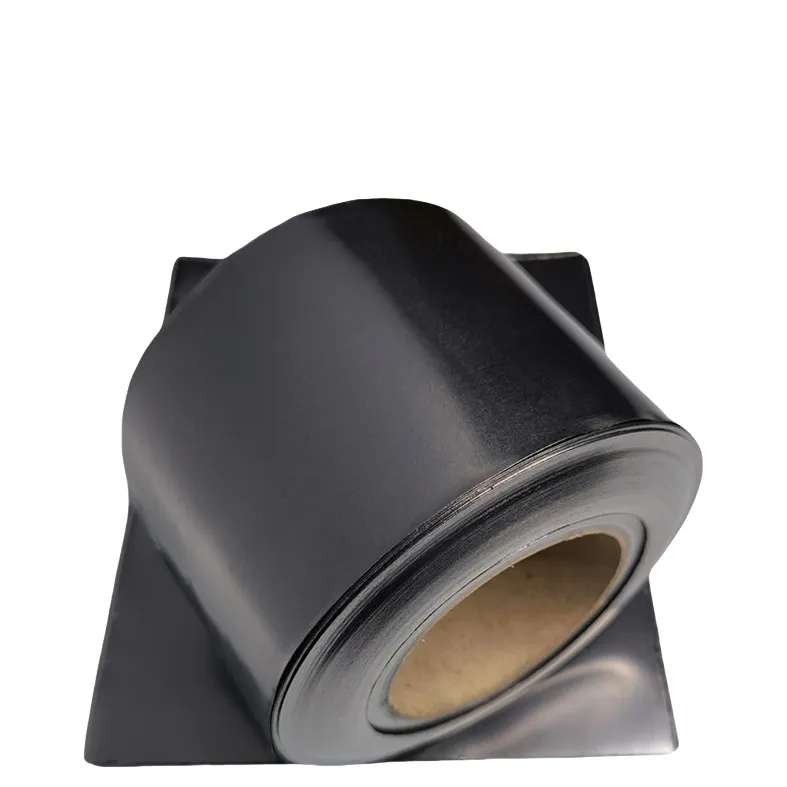
At the intersection of modern industry and cutting-edge technology, graphite paper is reshaping the boundaries of material applications a "silent and subtle" manner. It is neither paper in the traditional sense nor a rigid metal sheet, but a flexible layered material made from natural high-carbon flake graphite through expansion and high-temperature rolling. This unique manufacturing process endows it with exceptional thermal conductivity, electrical conductivity, flexibility, and corrosion resistance, allowing it to evolve from a simple sealing into a key functional material spanning the two major fields of heavy manufacturing and precision electronics. Understanding graphite paper is the key to understanding how contemporary industry achieves the "combination of rigidity and flexibility and a "thermal management revolution." The Flexible Revolution in the Sealing Field: A Performance Leap Replacing Tradition In harsh operating conditions such as oil, chemical, power, and machinery industries, the reliability of sealing components directly affects production safety and equipment lifespan. As the base material for manufacturing various graphite seals, graphite paper is accelerating the replacement of traditional sealing media like, fluoroplastics, and asbestos. Its core advantage stems from the intrinsic physicochemical properties of the material: in an oxygen-free environment, it can withstand an extreme temperature range from240°C to 3000°C, and exhibits excellent chemical inertness to most media except concentrated sulfuric acid, concentrated nitric acid, and strong oxidants. critically, graphite paper possesses a compression rate of up to 35% to 55% and a rebound rate of no less than 10%. This means that when pipe or pump valves undergo slight deformation due to thermal expansion and contraction, pressure fluctuations, or installation eccentricity, graphite paper can continuously fill the microscopic gaps of the sealing surface through its own plastic deformation elastic recovery, achieving "adaptive sealing." This characteristic effectively overcomes the chronic problem of traditional rigid gaskets, which are prone to stress relaxation and leakage under thermal cycling loads. In practical applications graphite paper can be used alone as a low-pressure gasket, but it is more commonly bonded with stainless steel wire mesh or metal thin sheets to make metal-reinforced gaskets or high- composite boards. While maintaining the advantages of flexible sealing, it significantly improves compressive strength and blowout resistance, becoming an ideal solution for high-temperature, high-pressure, and corrosive media operating. The Invisible Wings of Electronic Heat Dissipation: The Thermal Engine of the Ultra-Thin Era If graphite paper plays the role of a "guardian" in the industrial sealing, then in the consumer electronics and new energy sectors, it transforms into a "heat dissipation engine." As power modules for smartphones, tablets, laptops, and new energy vehicles rapidly develop higher integration and ultra-thinness, the heat flux density per unit volume is soaring. Traditional metal heat sinks, due to issues such as heavy weight and anisotropic thermal conductivity, can no meet the stringent thermal management requirements.
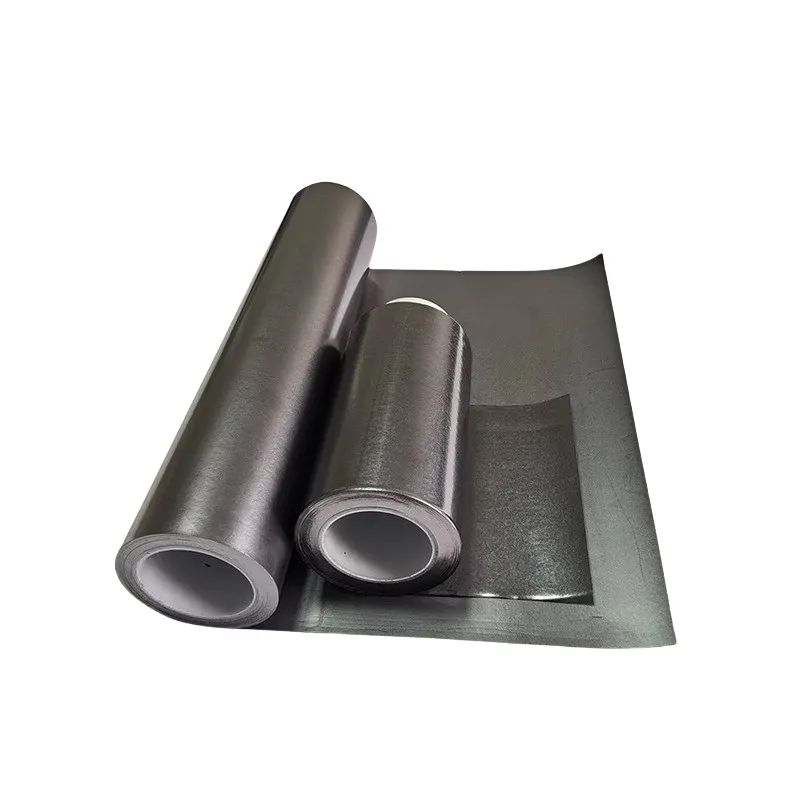
Engineering Wisdom in Selection and Application: Precise Matching from Parameters to Scenarios The performance of graphite paper is not one-sizefits-all; its application effectiveness highly depends on the precise control of material parameters and a profound understanding of operating conditions. In sealing applications, particular attention must be paid to the content trace elements such as sulfur and chlorine, as these impurities may induce stress corrosion cracking under high-temperature and high-pressure environments, causing fatal damage to stainless steel flanges. The sulfur of high-quality sealing-grade graphite paper is typically controlled below 300 ppm, and the chlorine content below 35 ppm. Meanwhile, the matching of density and recovery performance is also crucial; while excessively high density can enhance strength, it sacrifices resilience, whereas excessively low density may lead to insufficient blowout resistance. In electronic heat dissipation applications lateral thermal conductivity is the core indicator, but thickness tolerance and surface flatness are equally indispensable. Ultra-thin graphite paper (<0.1mm) places extremely high demands on the rolling process, uneven thickness leads to inconsistent thermal resistance distribution, creating new local hotspots. Furthermore, to improve the fit with chips or heat sinks, it is often necessary to coat the surface of the paper with pressure-sensitive adhesive or apply a film, which requires the material to maintain good surface adhesion and processability while preserving its thermal conductivity. In actual selection, engineers should abandon "parameter-only" approach and instead conduct a multi-dimensional comprehensive evaluation by combining the temperature, pressure, medium, space constraints, and cost budget of the specific application scenario. For, in scenarios extremely sensitive to metal impurities such as semiconductor packaging, high-purity products with ash content ≤10 ppm should be prioritized; whereas in large-size flange sealing, should be paid to the width consistency and zero-break rate of the material to ensure the continuity and reliability of the seal.
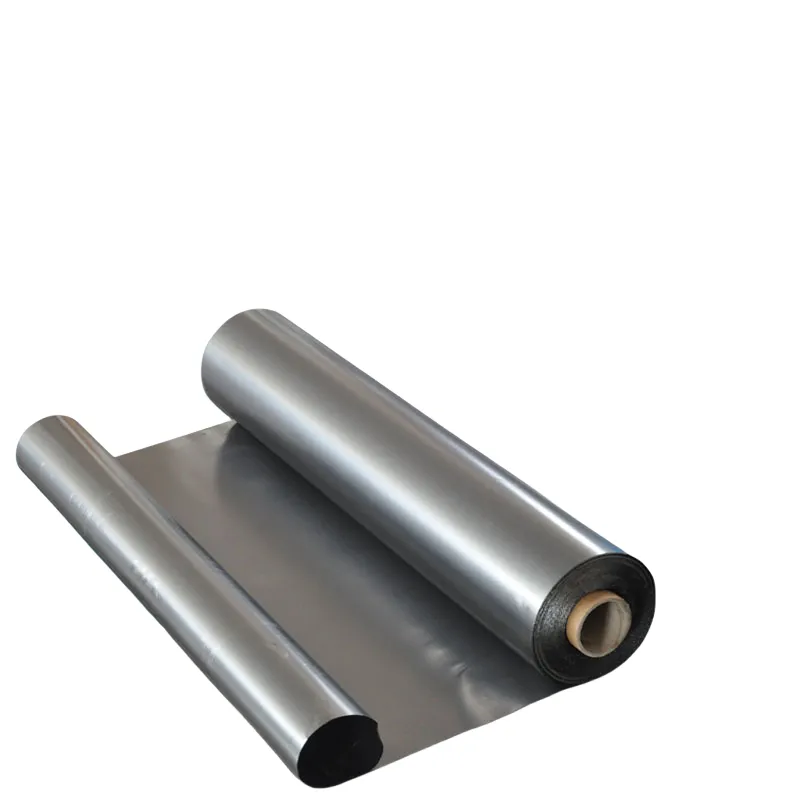
Conclusion: The Rigid Logic Behind Flexible Materials The widespread application of graphite paper reflects a paradigm shift in contemporary materials science from the "extreme optimization of a single property" to the "synergistic optimization of multiple properties." It retains the inherent "rigid" advantages of graphite materials, such as high temperature resistance, corrosion resistance and high thermal conductivity, while being endowed with "flexible" characteristics through flexible processing to adapt to complex working conditions. This combination of rigidity and flexibility allows it to play an irreplaceable role two seemingly disparate fields: industrial sealing and electronic heat dissipation. With the continuous explosion of emerging industries such as new energy, aerospace, and 5G communications, the performance requirements for paper are constantly rising. In the future, ultra-thinness, high purity, and functional multifunctionality will become the main directions for the technological development of graphite paper. For engineers materials researchers, a deep understanding of the material properties and application logic of graphite paper not only helps in making better selection decisions for current projects but also reserves critical technical knowledge to cope with more engineering challenges in the future. Within this seemingly soft black sheet lies a solid force driving industrial progress and technological innovation.
Recently Posted
-
O-ring: The "Invisible Contract" of Industrial Sealing and the Philosophy of Working Conditions
August 7, 2026In the vast and complex system of industrial equipment, people often marvel at the meshing of precision gears or the pressurebeari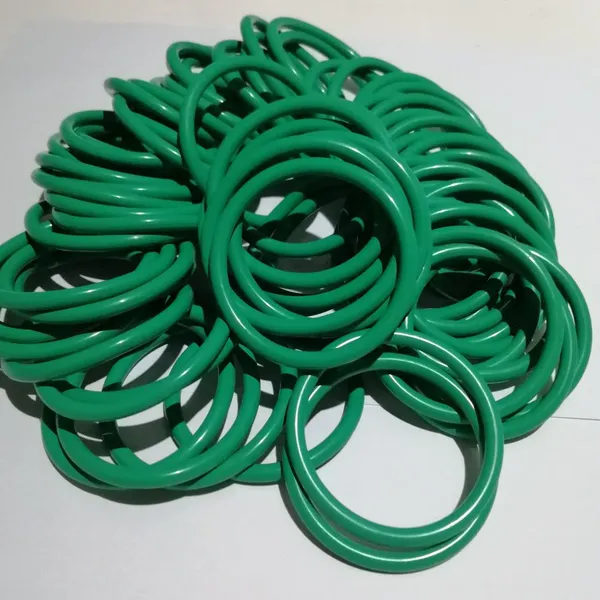 Read More
 -
Nano-aerogel felt: "Super insulation" breaking thermodynamic limits and industrial reshaping
August 7, 2026Under the grand narrative of the global energy structure transition and the "dual carbon" goals, energy conservation and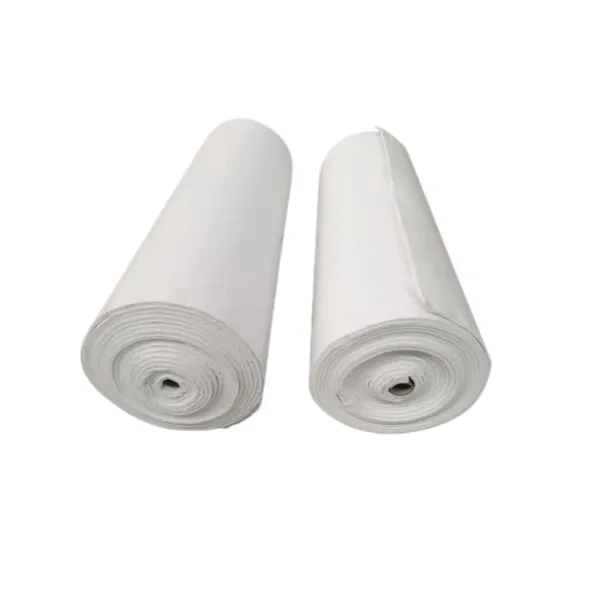 Read More
 -
Aluminum Gaskets: The "Flexible Contract" in Industrial Connections
August 5, 2026In industrial systems such as mechanical manufacturing, petrochemicals, electronics, and aerospace, aluminum gaskets/washers, as f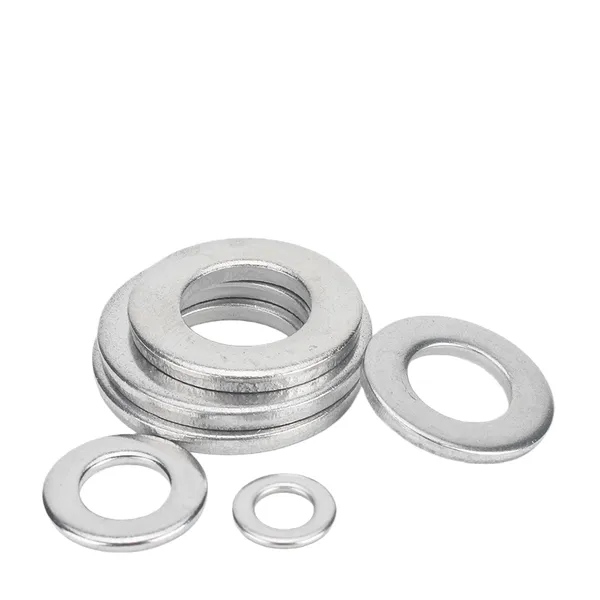 Read More
 -
Qingke Paper: The "Paper Armor" and Insulation Philosophy in the Electronics and New Energy Sectors
August 5, 2026Inside new energy batteries, precision motors, and various electronic and electrical devices, countless tiny components are hidden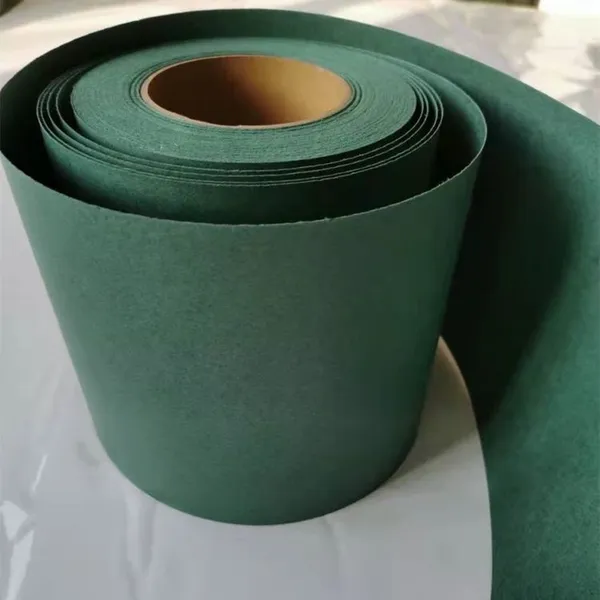 Read More

Contact Us
Recommended Products
-
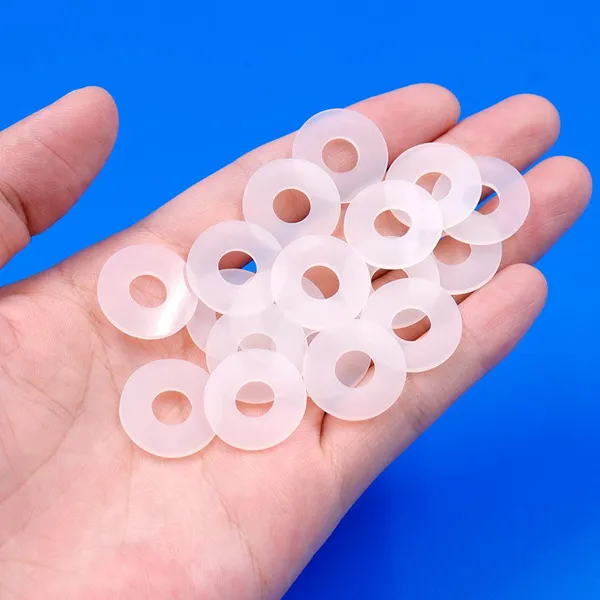
 Colored Silicone Flat Washer FF Full Surface With Water Line Silicone Pad High Temperature Resistant 230℃ Valve Pipe Sealing GasketNegotiableMOQ: 100 Blades
 -
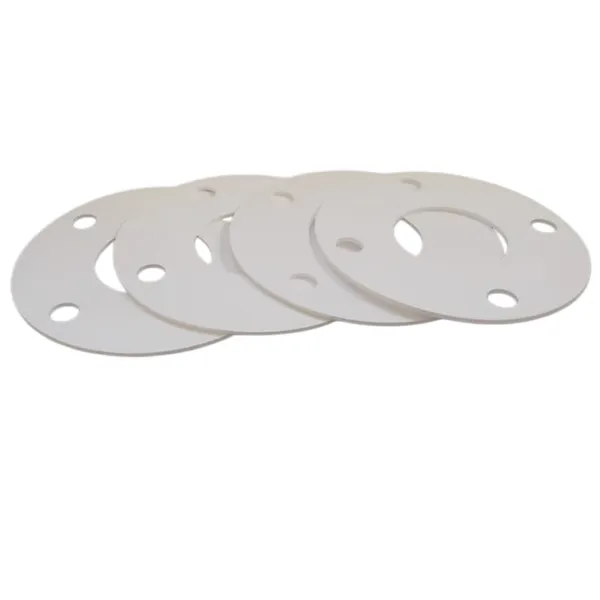
PTFE Gasket With Holes, National Standard Flange Multi-hole PTFE Sealing GasketNegotiableMOQ: 100 Blades
-
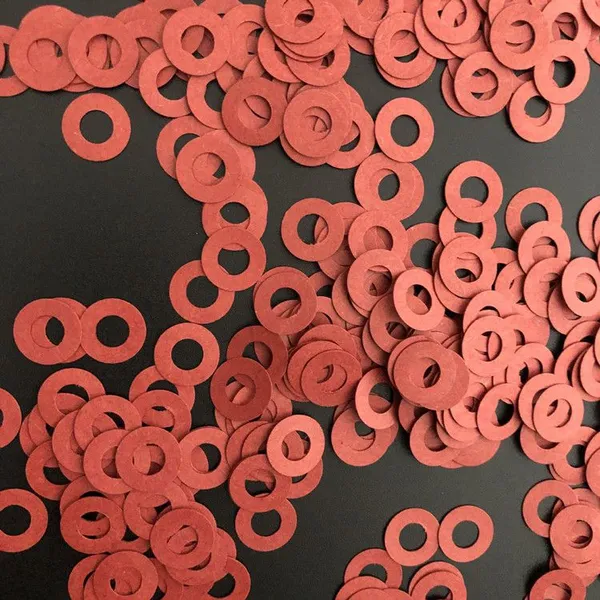
Red Steel Paper Gasket Insulation Flat Washer Red Mica Quick Connector Paper WasherNegotiableMOQ: 100 Blades
-
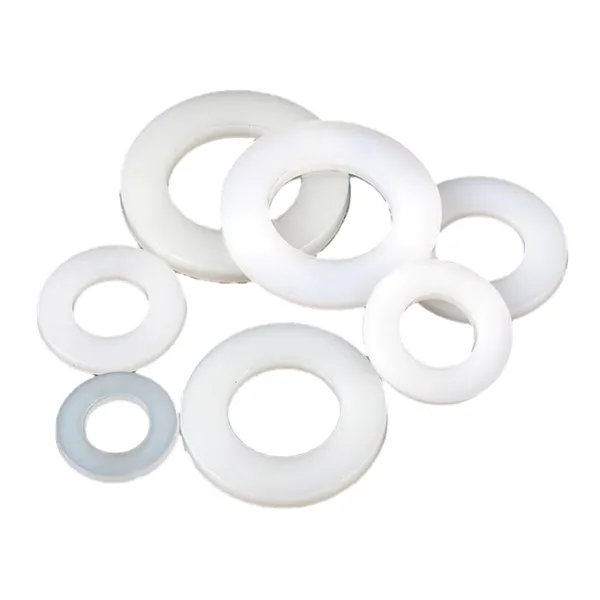
Nylon Washer Black Plastic Flat Washer Insulating Shock-absorbing Wear-resistant Self-lubricatingNegotiableMOQ: 100 Blades
-
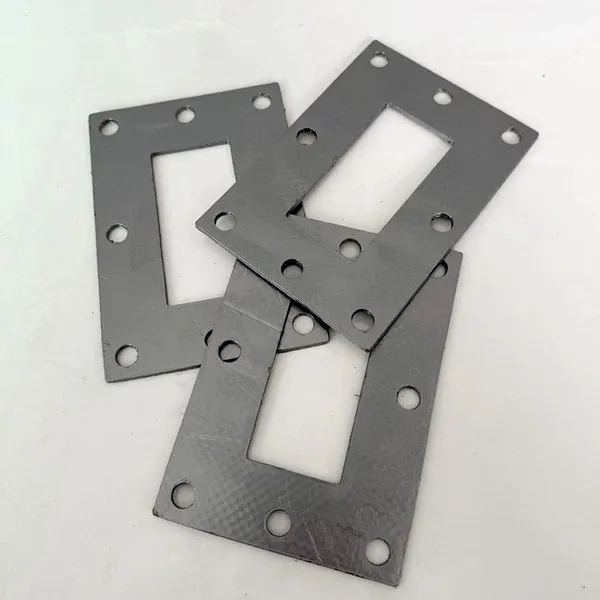
Perforated Graphite Composite Gasket 304 Stainless Steel Reinforced High Temperature and High Pressure Flange Gasket Boiler SteamNegotiableMOQ: 100 Blades
-
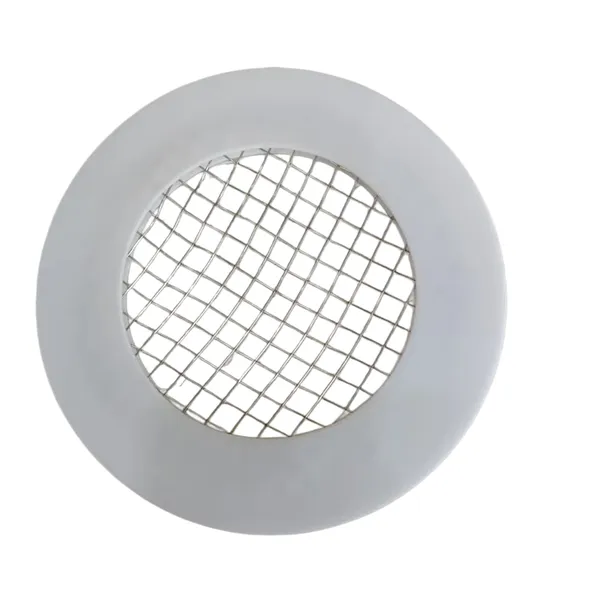
PTFE Filter Gasket With Stainless Steel Mesh; PTFE Filter Sealing Gasket With Stainless Steel MeshNegotiableMOQ: 100 Blades
-
Metal Reinforced PTFE PTFE Gasket Chemical Corrosion Resistant GasketNegotiableMOQ: 100 Blades
-
Reinforced Metal Winding Gasket 304 Stainless Steel Flange Sealing GasketNegotiableMOQ: 100 Blades
-
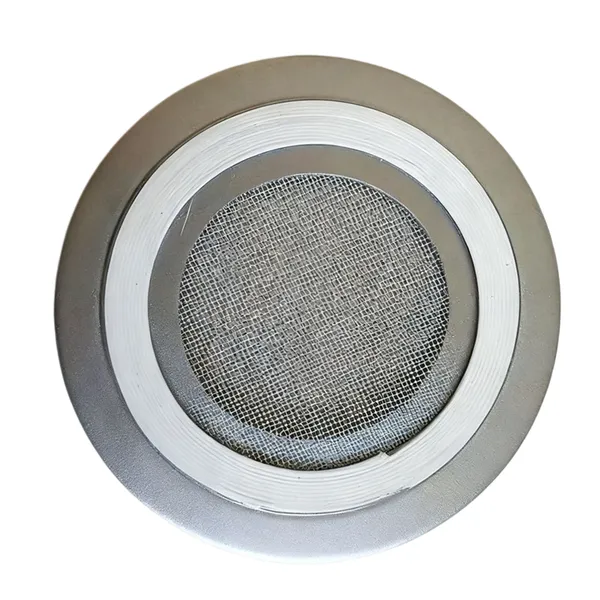
Filter Mesh Winding Gasket 304 Stainless Steel Inner and Outer Ring GasketNegotiableMOQ: 100 Blades
-
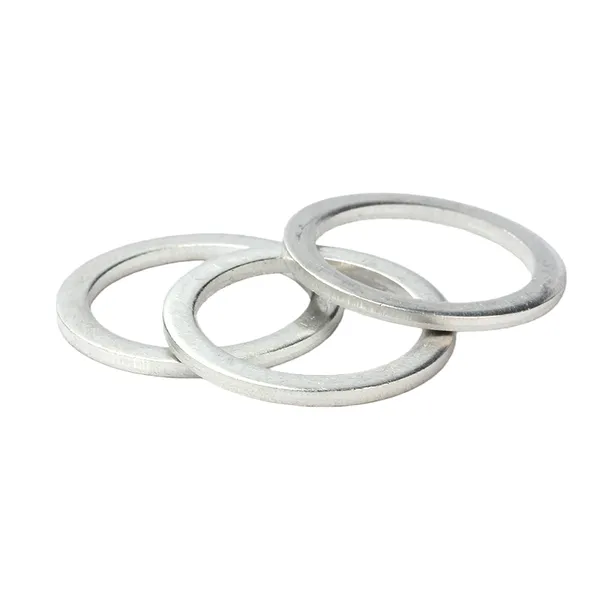
Pure Aluminum Gasket Soft Aluminum Flat Washer 0.1-3mm High Temperature Resistant Sealing Aluminum WasherNegotiableMOQ: 100 Blades
-
Metal Octagonal Ring Gasket Oval Gasket 304/316L Stainless Steel Metal Ring Gasket RJ Flange GasketNegotiableMOQ: 100 Blades
-
Basic Metal Spiral Wound Gasket 304 Graphite Spiral Wound Gasket Tongue and Groove FlangeNegotiableMOQ: 100 Blades
-
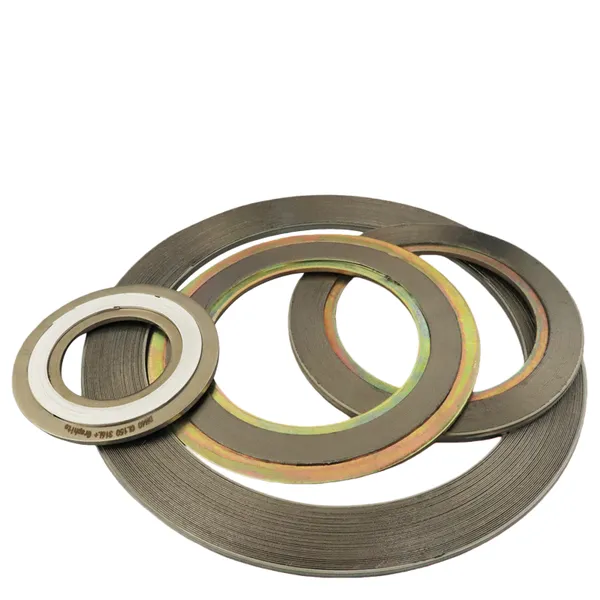
Metal Graphite Spiral Wound Gasket High Temperature Flange Pipe Sealing GasketNegotiableMOQ: 50 Blades
-
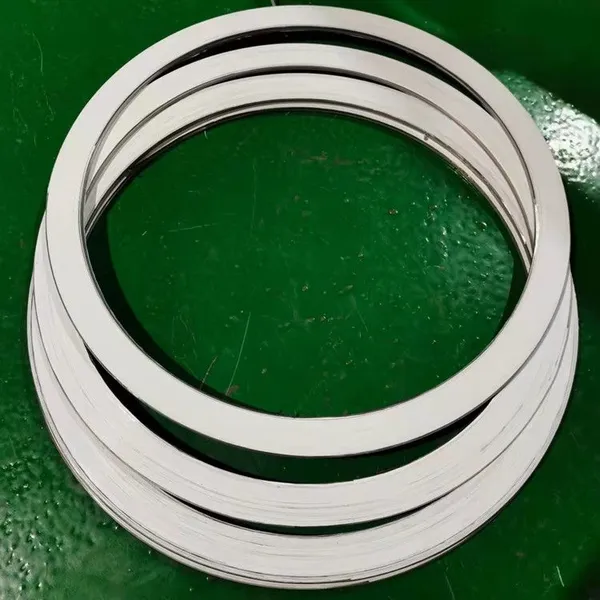
Stainless Steel Flexible Graphite Corrugated Composite Gasket Irregular Thick Reinforced High Temperature and High Pressure Sealing GasketNegotiableMOQ: 100 Blades
-
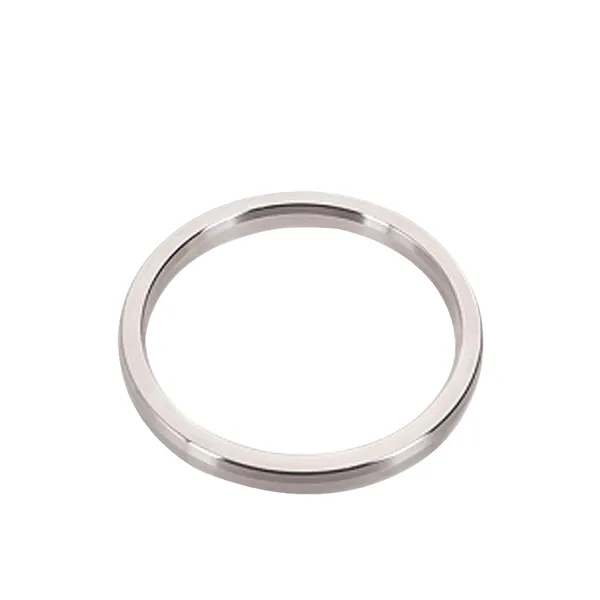
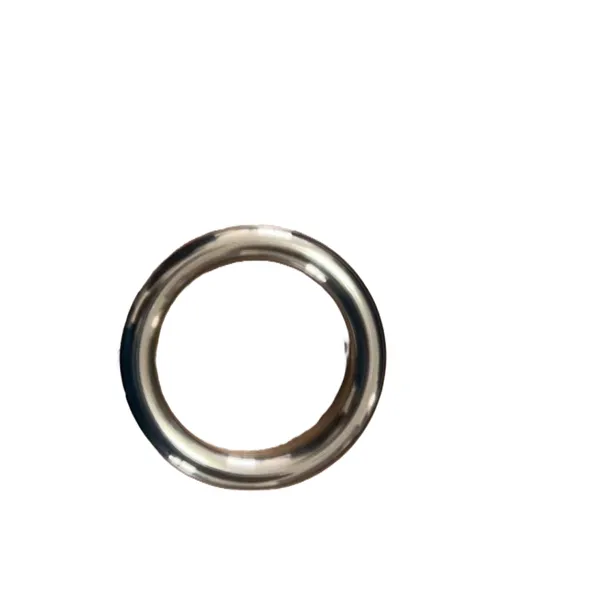
304 Stainless Steel Oval Metal Ring Gasket RJ Flange Oval Gasket High Pressure and High Temperature Resistant Sealing WasherNegotiableMOQ: 10 Units
-
PTFE Gasket, Polytetrafluoroethylene Sealing Gasket, White Teflon Flat Gasket, High Temperature and Acid/alkali Resistant Industrial Flange WasherNegotiableMOQ: 25 Units
-
Elastic Expanded PTFE Gasket Soft Teflon Gasket Pipe Flange Sealing Gasket High and Low Temperature Corrosion Resistant Ready Stock Custom MadeNegotiableMOQ: 25 Units
-
Metal Lens Gasket, No-hole and With-hole Lens Gasket, High-pressure Angle Valve Hydrogen Pipeline Flange Sealing Gasket Custom-madeNegotiableMOQ: 25 Units
-
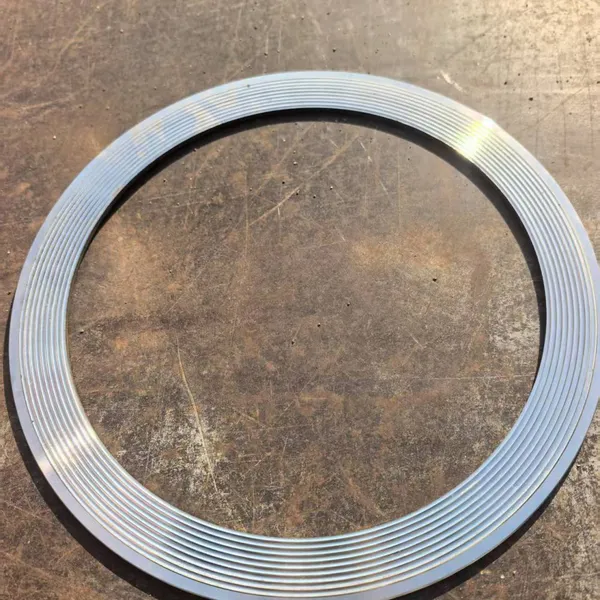
Metal Serrated Gasket | Wave Profile Composite Gasket for High Temperature and High Pressure Flange SealingNegotiableMOQ: 100 Blades
-
High Temperature and High Pressure Octagonal Ring Joint Gasket Oval Flange Gasket Carbon Steel 304 316 Stainless SteelNegotiableMOQ: 1 Unit