 Business License

Nano-aerogel felt: "Super insulation" breaking thermodynamic limits and industrial reshaping
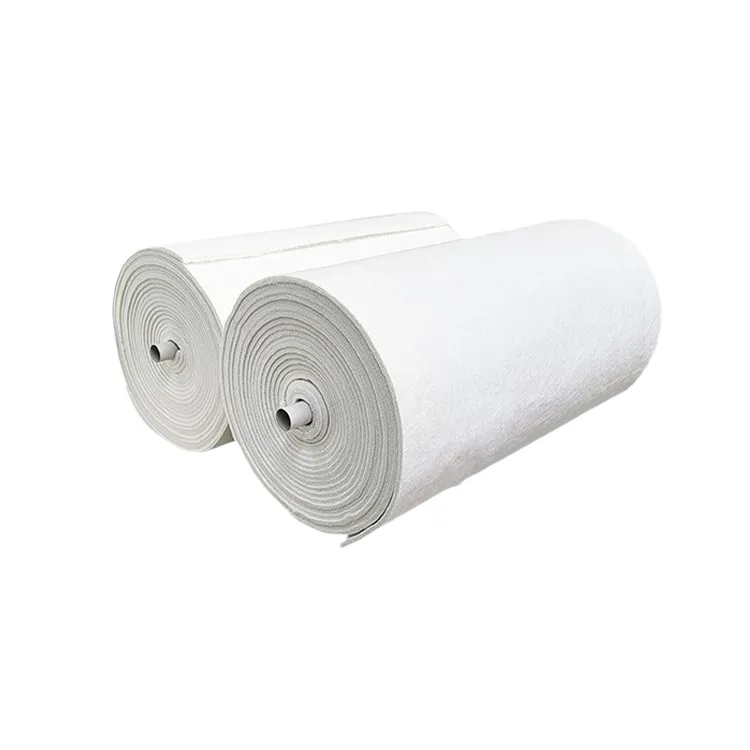
Under the grand narrative of the global energy structure transition and the "dual carbon" goals, energy conservation and consumption reduction in industrial and construction sectors are undergoing a profound transformation from "extensive coverage" to "precise temperature control." In this process, Nano Aerogel Felt, with its disruptive microstructure, has broken the paradox of traditional insulation materials where "good insulation means poor fire resistance, and lightweight means low strength." This new insulating medium, hailed as a "miracle material," not only pushes the thermal conductivity to the thermodynamic limit but also redefines the physical boundaries of industrial pipelines, new energy battery compartments, and ultra-low energy buildings with its comprehensive properties of flexibility, hydrophicity, and Class A fire resistance. Understanding Nano Aerogel Felt is essentially understanding how humans utilize nano-scale spatial confinement to achieve the ultimate blockage of heat conduction and convection.Material Essence: A "Thermodynamic Trap" of 99% Air and 1% Skeleton The core value of Nano Aerogel Felt stems from its unique "nanoporous structure" and "flexible fiber composite" mechanism. It is not a single material, but a flexible insulation felt composed of nano-silica (SiO₂) aerogel as the body, combined with glass fiber cotton or pre-oxidized fiber felt through a special process. In this structure, the porosity of the aerogel is as high as 80 to 99.8%, and the pore size is precisely controlled between 1 and 100 nm, meaning that more than 99% of the material's is stagnant air. This extreme microstructure constructs a perfect "thermodynamic trap": the nano-scale pores are far smaller than the mean free path of air molecules, completely locking the convection and heat conduction of the air; meanwhile, the silica skeleton, which accounts for only 1%, provides an extremely low solid-phase heat conduction path. The combination of two results in a thermal conductivity as low as 0.012 to 0.023 W/(m·K) at room temperature, which is only 1/ of traditional rock wool and 1/2 of polyurethane, making it the solid insulating material with the lowest thermal conductivity in the current temperature range of about 400°C. At same time, the composite reinforcing fibers endow the originally fragile pure aerogel with excellent tensile and compressive strength as well as flexibility, allowing it to be cut and sewn like fabric to perfectly various irregularly shaped equipment.
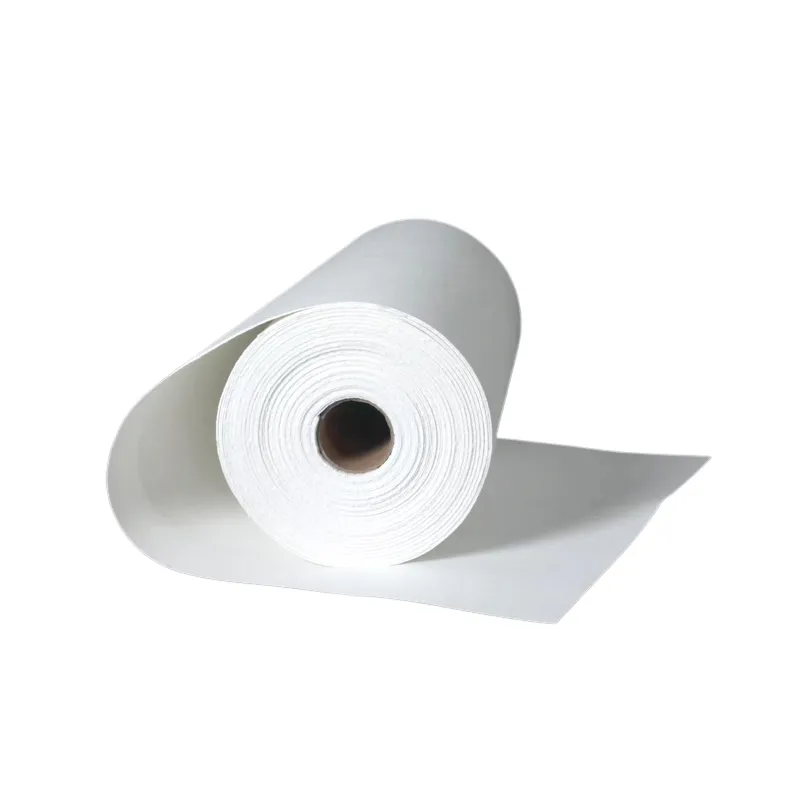
Performance Boundaries: A Dialectical Understanding of Advantages and Limitations The performance advantages of nano-aer felt are irreplaceable under extreme and complex working conditions. First is "ultra-thin and highly efficient": with the same insulation effect, its thickness is only 1/3 to /5 of traditional materials. In space-constrained building renovations or industrial pipelines where every inch of space is precious, this significantly frees up space and reduces transportation and installation costs. Second "superhydrophobic and long service life": its water repellency exceeds 99%, acting like a "nano-waterproof armor" that completely solves the industry's chronic of traditional insulation materials "failing upon water absorption and degrading year by year." Its theoretical service life can reach 20-30 years, almost matching the lifespan of buildings Third is "Class A fire safety": as an inorganic non-combustible material, it can withstand high temperatures of over 1000°C, remaining non-comb, smoke-free, and non-dripping when exposed to fire, constructing an ultimate fire barrier for industrial and civil systems. However, engineering selection also requires a clear understanding its limitations. First, although aerogel felt performs excellently below 400°C, its thermal conductivity rises significantly in the 400-1000°C-temperature range, where micro-nano insulation boards or ceramic fiber materials may offer better cost-effectiveness. Second, its core barrier lies in the manufacturing process: if traditional atmospheric drying are used, it easily leads to the collapse of nanopores and performance degradation. Only leading enterprises mastering supercritical drying or advanced surface modification technologies can ensure stable performance under long-term high. Additionally, compared to traditional rock wool or rubber foam, the initial procurement cost of nano-aerogel felt remains relatively high; its economic value is more reflected in life-cycle-saving benefits and maintenance-free costs. Scenario Reconstruction: From Industrial Pipelines to the Safety Cornerstone of New Energy Batteries The application of nano-aerogel felt has long transc the laboratory, deeply reshaping the energy and safety foundations of multiple core industries. In the petrochemical and industrial furnace sectors, it is an "energy-saving tool" for high-temperature pipelines, reaction kettles, and converter linings. Measured data shows that using nano-insulation boards in steelmaking converters can reduce the shell temperature by over 11°C saving more than 50 tons of molten iron per converter annually, with a comprehensive energy-saving rate of 15% to 30%. In oil pipeline insulation, a10mm thick aerogel felt can replace 25mm rubber foam or 17mm polyurethane, achieving superior cold and heat insulation effects under a temperature difference of -1°C to 35°C. In the new energy and frontier technology sectors, it serves as an "invisible shield" guarding safety. As the energy density of lithium increases, thermal runaway has become an industry pain point. The new flexible ceramic nano-fiber composite aerogel felt not only maintains a cold-side temperature below 180°C extreme flame impacts of 600°C-800°C, but also possesses excellent puncture resistance and buckling fatigue strength, making it the preferred choice for power battery compartment. Furthermore, in ultra-low energy buildings, an exterior wall paved with 10mm aerogel felt can maintain an inner surface temperature more than 4°C higher than 50mm rock wool in extreme cold weather of -15°C, directly reducing heating energy consumption by 38% and truly achieving a constant temperature experience that isnot cold in winter and not hot in summer."
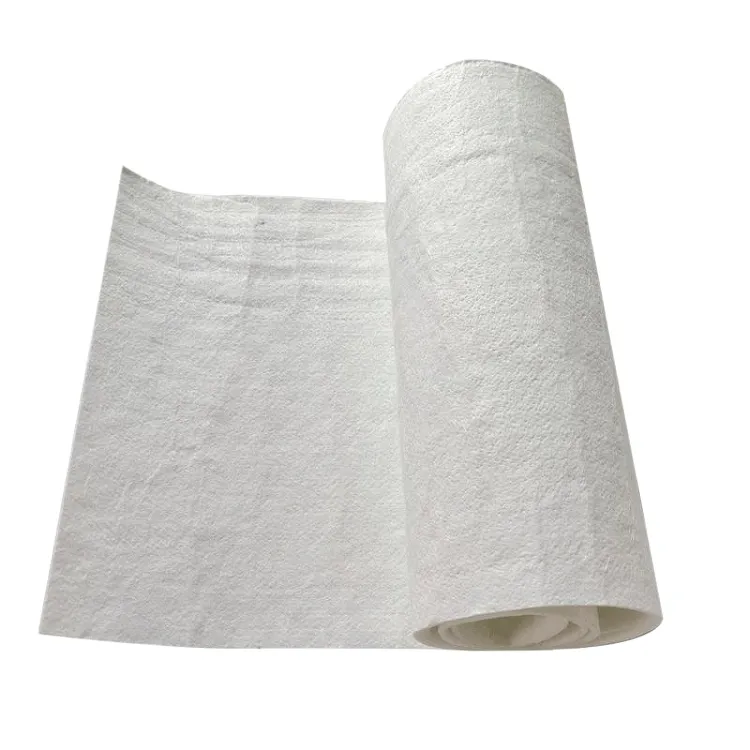
Technological Evolution and Selection Red Lines: Engineering Rationality Through the Cycle As the market size of China's aerogel insulation exceeds 10 billion RMB in 2026, the industry is transitioning from "concept hype" to "hardcore implementation." On the technological front, top research teams as Donghua University are utilizing island melt-spinning technology to combine aerogel with ultrafine polyphenylene sulfide (PPS) fibers, developing aerogel thermal clothing that offers both high tensile and skin-friendly comfort, thereby expanding its application boundaries to personal thermal management. On the manufacturing front, leading enterprises represented by Langfang Guanghua and Zhejiang Nano have achieved a full-loop of independent aerogel powder synthesis and flexible felt composite fabrication, breaking the information black box through full-link traceability and 28 quality inspection steps. In engineering selection the following technical red lines must be strictly adhered to: First, "Process-Only Theory," resolutely avoiding inferior products using traditional atmospheric drying processes, and insisting on supercritical drying modification technology to ensure the pore structure does not collapse; Second, "Testing-Only Theory," requiring suppliers to provide authoritative third-party test reports covering thermal conductivity, temperature range, Class A fire resistance, water absorption rate, and chloride ion content to eliminate parameter falsification; Third, "Precise Working Condition Matching," where SiO₂ aerogel felt is the preferred for conventional insulation from -200°C to 400°C, while for lithium battery thermal protection or extreme industrial kilns above 800°C the applicability of ceramic nanofiber composite felt should be evaluated. Conclusion: A Macro Future Within Microscopic Pores The rise of nano-aerogel felt is an ultimate reconstruction of the between "space and energy" by materials science. Using 99% air and 1% framework, it builds a high wall to block heat flow at the nanoscale, pushing industrial saving, low-carbon construction, and new energy safety to new heights. From the "space revolution" of replacing traditional rock wool to the "bottom-line defense" of protecting safety, nano-aerogel felt is defining the future physical boundaries with a "super insulation" posture. For engineers and industrial decision-makers, embracing nano-aerogel felt not just choosing a high-performance material, but choosing an optimal energy management solution for the entire life cycle. Within this lightweight, hydrophobic, and indestructible felt lies the engineering rationality of humanity the thermodynamic limits, and the firm steps toward a zero-carbon future.
Recently Posted
-
O-ring: The "Invisible Contract" of Industrial Sealing and the Philosophy of Working Conditions
August 7, 2026In the vast and complex system of industrial equipment, people often marvel at the meshing of precision gears or the pressurebeari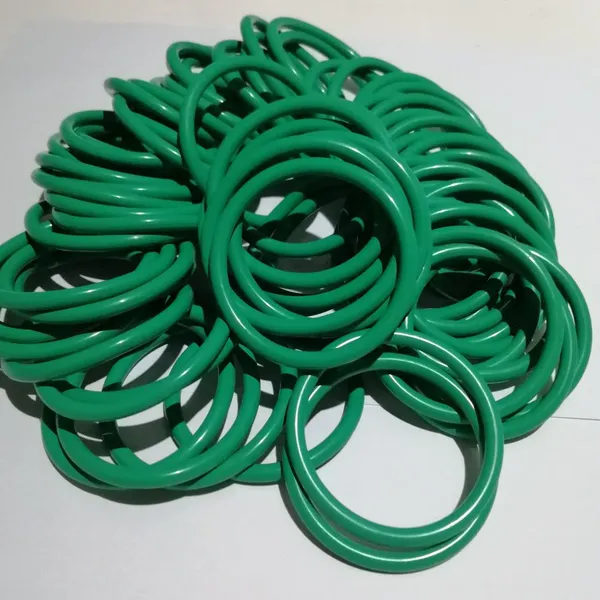 Read More
 -
Aluminum Gaskets: The "Flexible Contract" in Industrial Connections
August 5, 2026In industrial systems such as mechanical manufacturing, petrochemicals, electronics, and aerospace, aluminum gaskets/washers, as f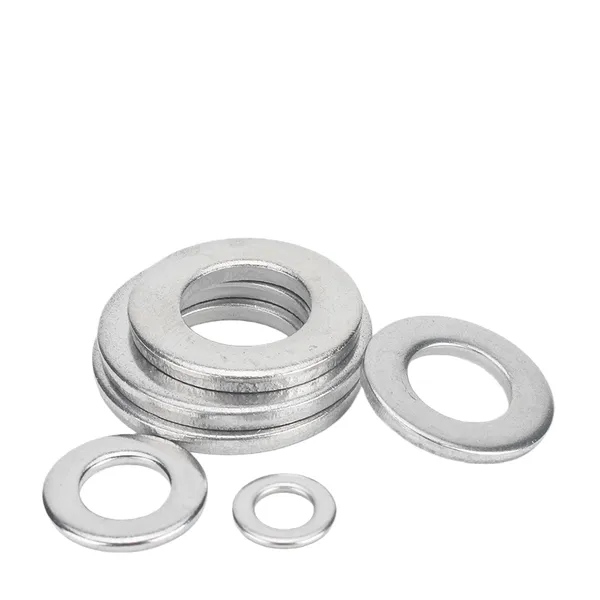 Read More
 -
Qingke Paper: The "Paper Armor" and Insulation Philosophy in the Electronics and New Energy Sectors
August 5, 2026Inside new energy batteries, precision motors, and various electronic and electrical devices, countless tiny components are hidden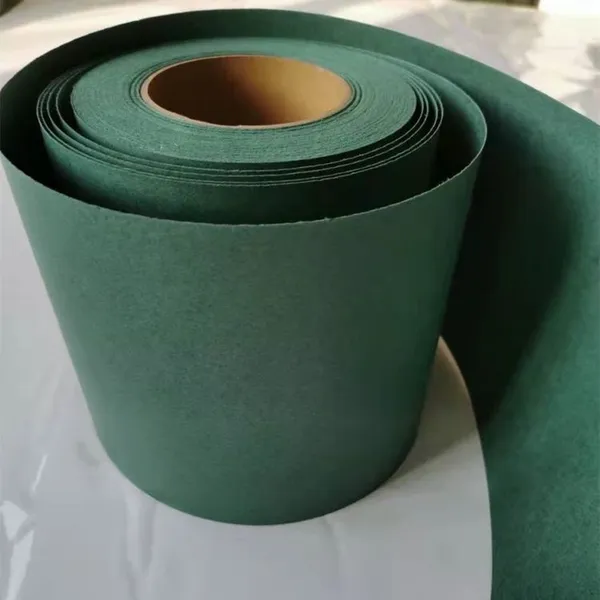 Read More
 -
Nylon washers: The "invisible cornerstone" of industrial basic parts and the leap to customized
August 5, 2026In the vast and complex operating systems of industrial equipment, people often marvel at the meshing of precision gears or the-be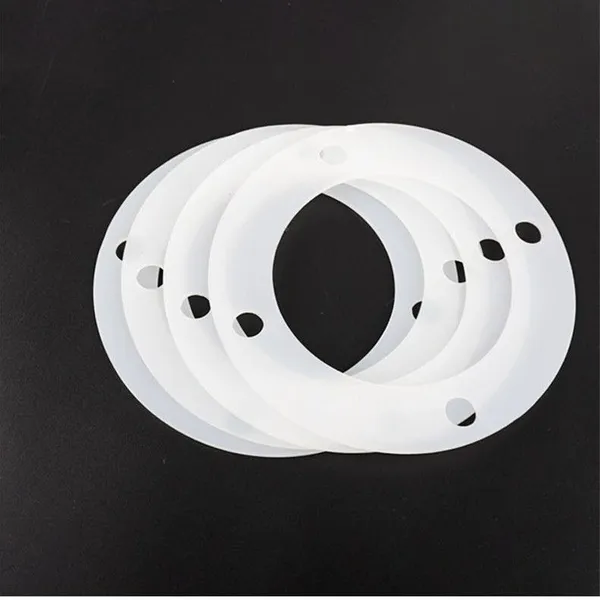 Read More

Contact Us
Recommended Products
-
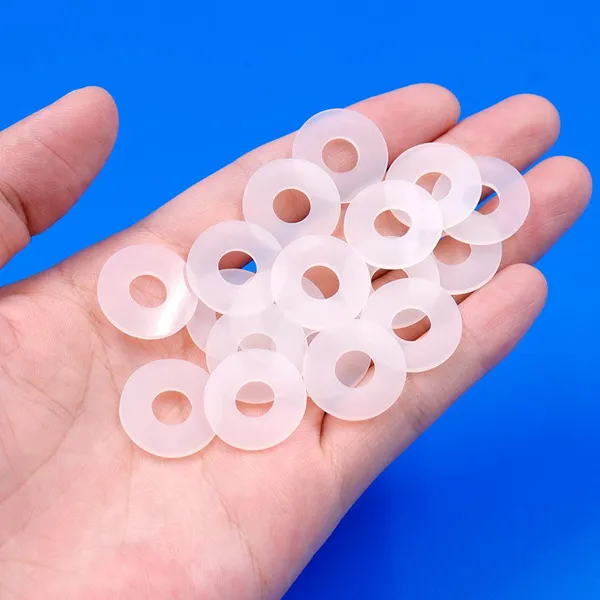
 Colored Silicone Flat Washer FF Full Surface With Water Line Silicone Pad High Temperature Resistant 230℃ Valve Pipe Sealing GasketNegotiableMOQ: 100 Blades
 -
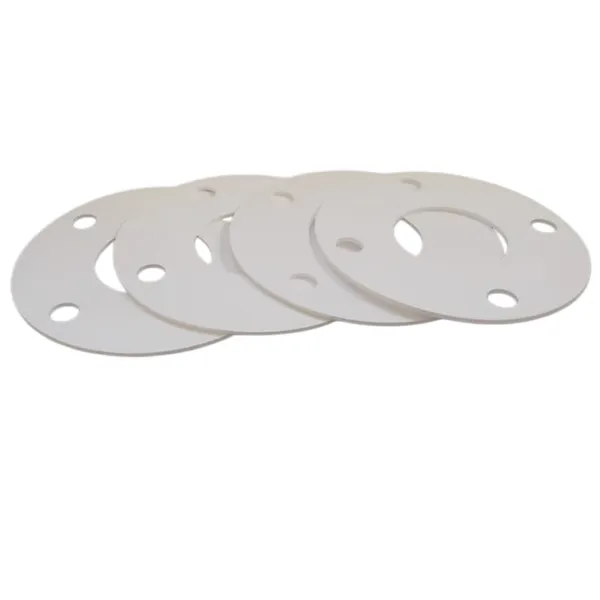
PTFE Gasket With Holes, National Standard Flange Multi-hole PTFE Sealing GasketNegotiableMOQ: 100 Blades
-
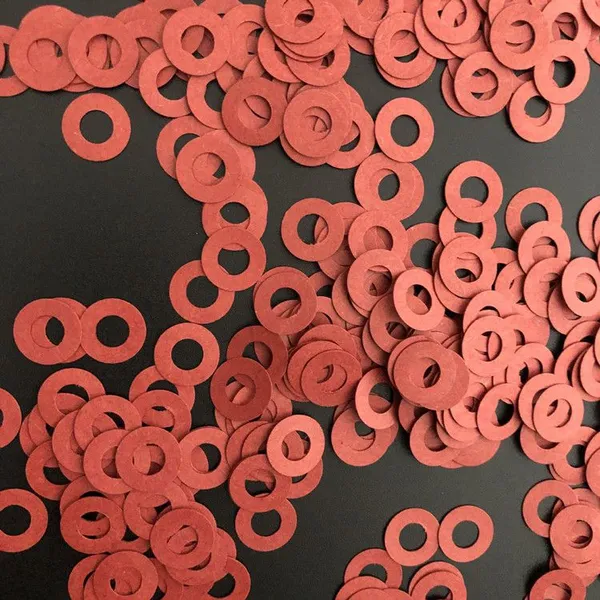
Red Steel Paper Gasket Insulation Flat Washer Red Mica Quick Connector Paper WasherNegotiableMOQ: 100 Blades
-
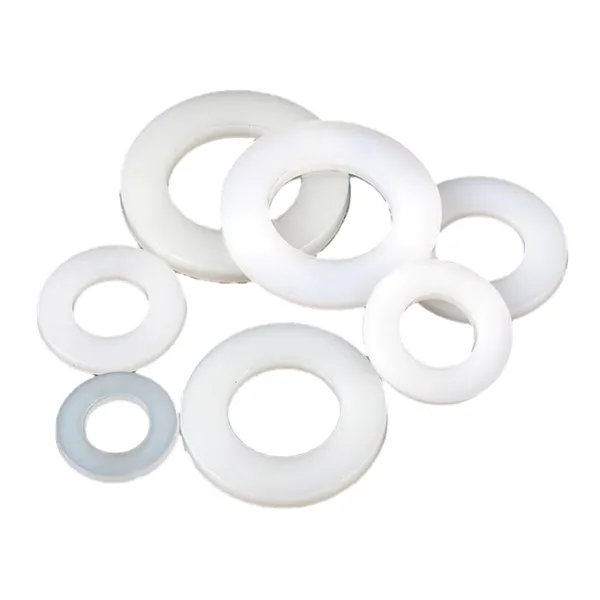
Nylon Washer Black Plastic Flat Washer Insulating Shock-absorbing Wear-resistant Self-lubricatingNegotiableMOQ: 100 Blades
-
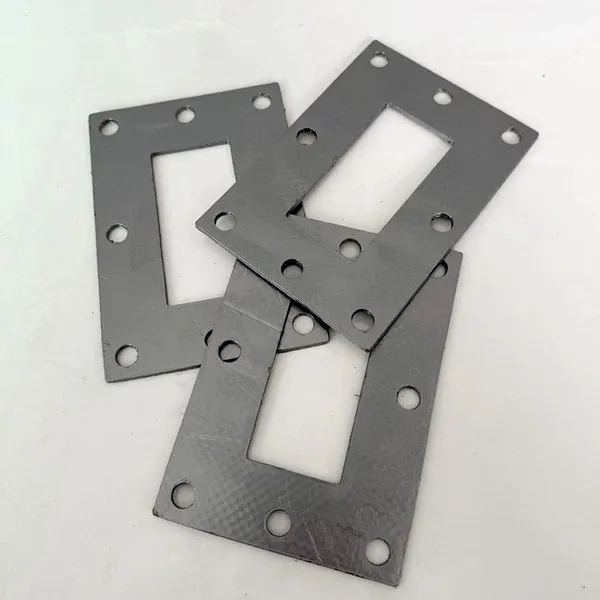
Perforated Graphite Composite Gasket 304 Stainless Steel Reinforced High Temperature and High Pressure Flange Gasket Boiler SteamNegotiableMOQ: 100 Blades
-
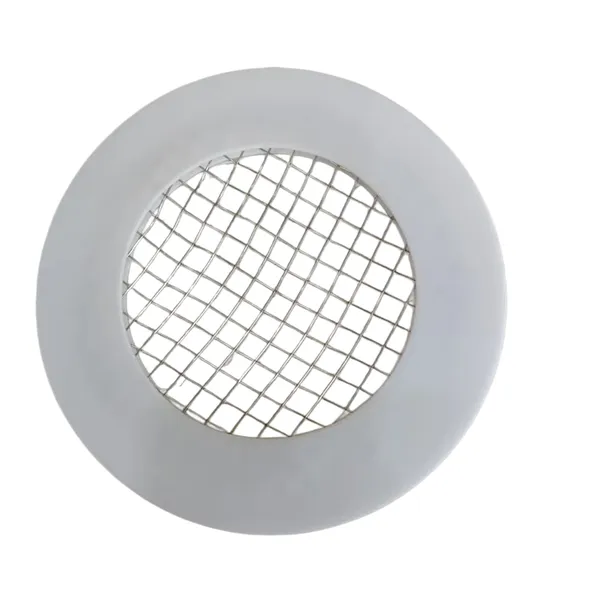
PTFE Filter Gasket With Stainless Steel Mesh; PTFE Filter Sealing Gasket With Stainless Steel MeshNegotiableMOQ: 100 Blades
-
Metal Reinforced PTFE PTFE Gasket Chemical Corrosion Resistant GasketNegotiableMOQ: 100 Blades
-
Reinforced Metal Winding Gasket 304 Stainless Steel Flange Sealing GasketNegotiableMOQ: 100 Blades
-
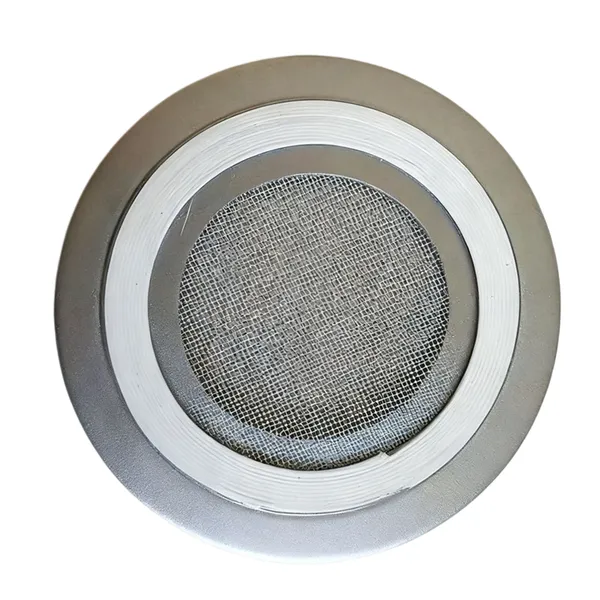
Filter Mesh Winding Gasket 304 Stainless Steel Inner and Outer Ring GasketNegotiableMOQ: 100 Blades
-
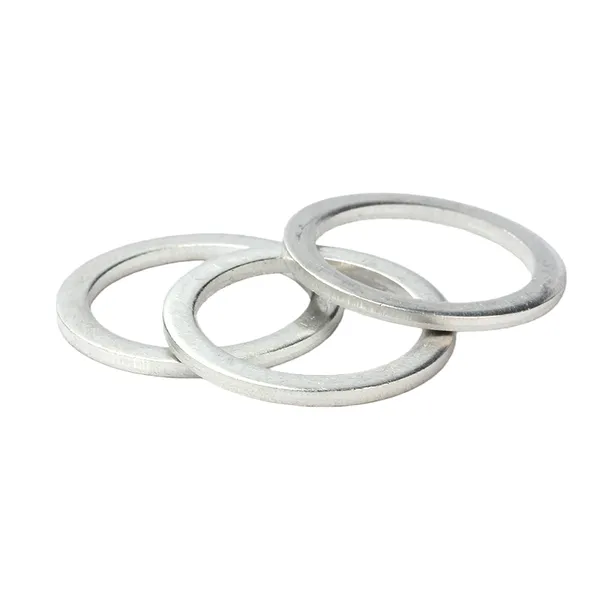
Pure Aluminum Gasket Soft Aluminum Flat Washer 0.1-3mm High Temperature Resistant Sealing Aluminum WasherNegotiableMOQ: 100 Blades
-
Metal Octagonal Ring Gasket Oval Gasket 304/316L Stainless Steel Metal Ring Gasket RJ Flange GasketNegotiableMOQ: 100 Blades
-
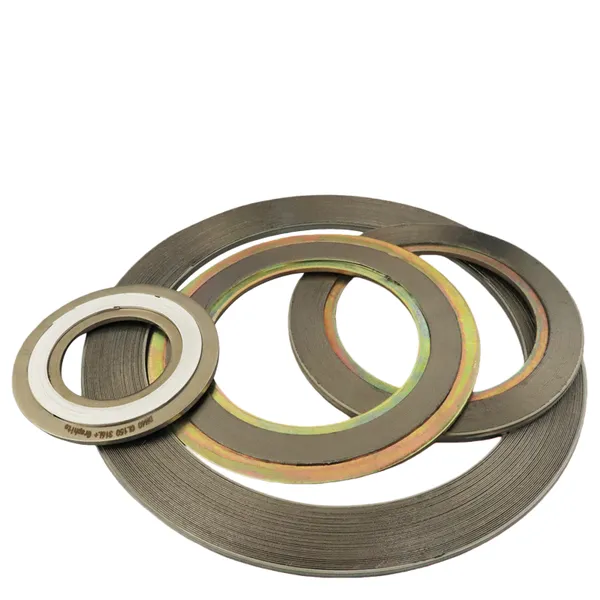
Basic Metal Spiral Wound Gasket 304 Graphite Spiral Wound Gasket Tongue and Groove FlangeNegotiableMOQ: 100 Blades
-
Metal Graphite Spiral Wound Gasket High Temperature Flange Pipe Sealing GasketNegotiableMOQ: 50 Blades
-
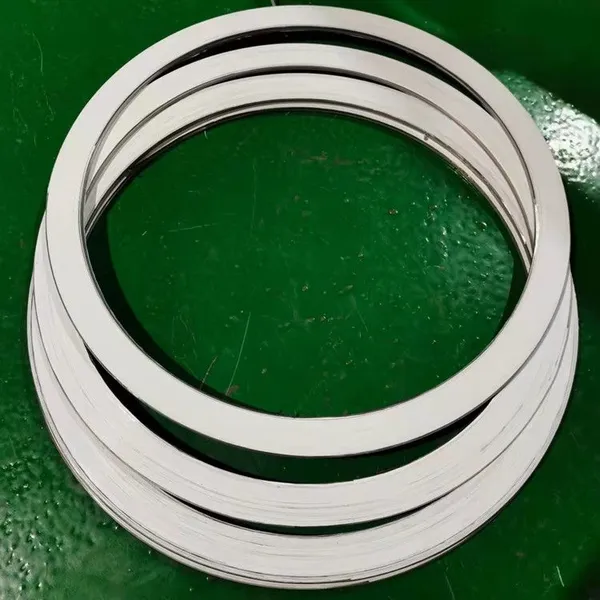
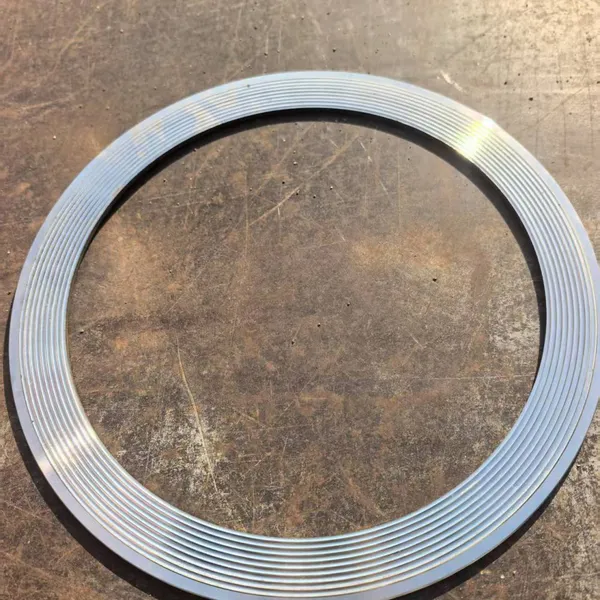
Stainless Steel Flexible Graphite Corrugated Composite Gasket Irregular Thick Reinforced High Temperature and High Pressure Sealing GasketNegotiableMOQ: 100 Blades
-
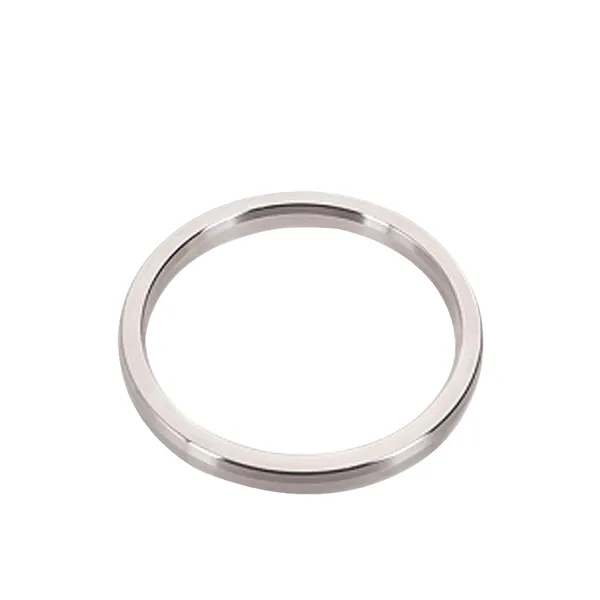
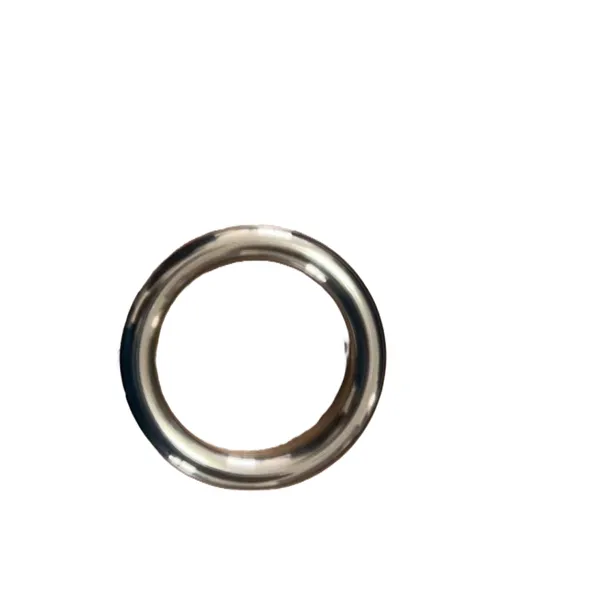
304 Stainless Steel Oval Metal Ring Gasket RJ Flange Oval Gasket High Pressure and High Temperature Resistant Sealing WasherNegotiableMOQ: 10 Units
-
PTFE Gasket, Polytetrafluoroethylene Sealing Gasket, White Teflon Flat Gasket, High Temperature and Acid/alkali Resistant Industrial Flange WasherNegotiableMOQ: 25 Units
-
Elastic Expanded PTFE Gasket Soft Teflon Gasket Pipe Flange Sealing Gasket High and Low Temperature Corrosion Resistant Ready Stock Custom MadeNegotiableMOQ: 25 Units
-
Metal Lens Gasket, No-hole and With-hole Lens Gasket, High-pressure Angle Valve Hydrogen Pipeline Flange Sealing Gasket Custom-madeNegotiableMOQ: 25 Units
-
Metal Serrated Gasket | Wave Profile Composite Gasket for High Temperature and High Pressure Flange SealingNegotiableMOQ: 100 Blades
-
High Temperature and High Pressure Octagonal Ring Joint Gasket Oval Flange Gasket Carbon Steel 304 316 Stainless SteelNegotiableMOQ: 1 Unit