 Business License
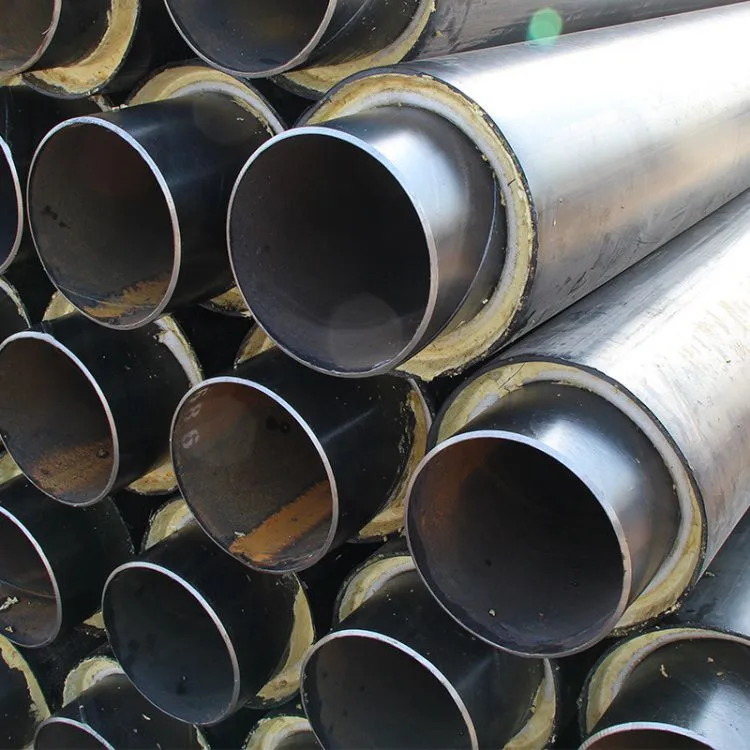
Polyurethane insulated pipe: The "energy-saving armor" of underground heating networks
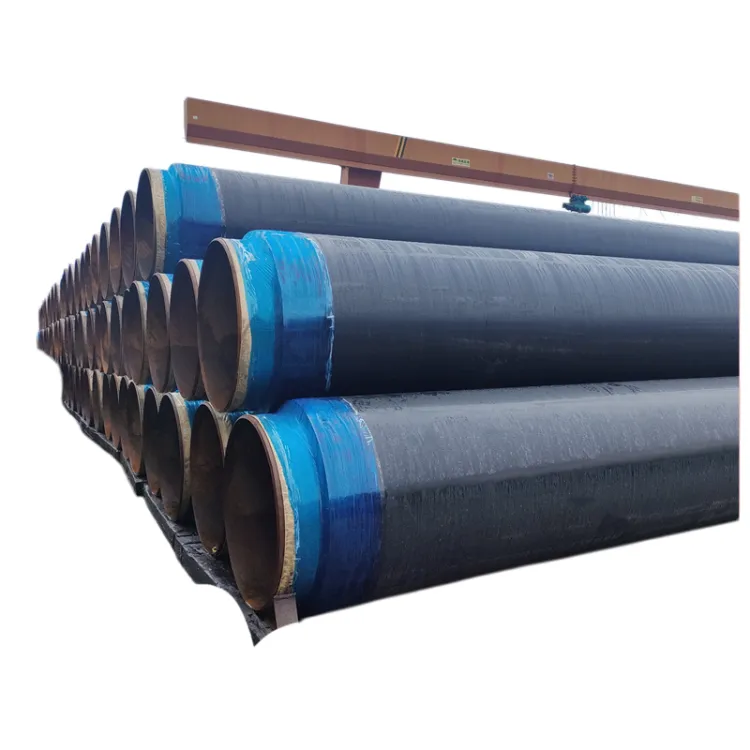
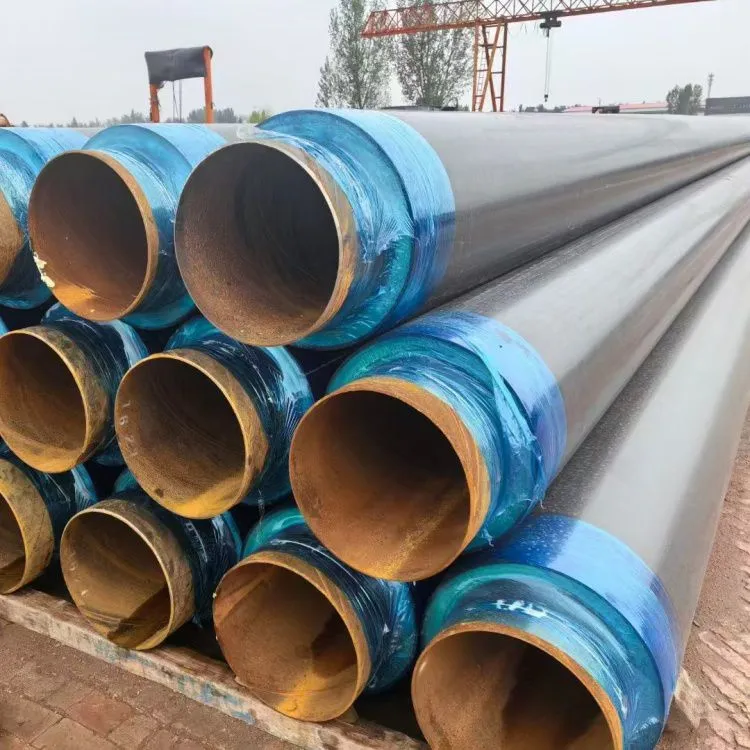
In the grand narrative of centralized heating in northern regions, industrial steam transport, and urban pipeline network renovation, the pipeline system is often buried deep underground and remains invisible, yet it serves as the "invisible artery" that determines energy utilization efficiency and system safety lifespan. As the core carrier of modern thermal transport polyurethane insulated pipes have long transcended the simple superposition of a traditional "insulation layer protective layer," evolving into a composite functional system integrating thermal insulation, anti-corrosion, resistance, and waterproofing. Driven by the dual forces of the "dual carbon" goals and new urbanization construction, a deep understanding of the material essence, technical boundaries, and full-cycle value of polyurethane insulated pipes is not only a necessary prerequisite for engineering selection but also a key cognitive cornerstone for building green, safe, and efficient thermal pipeline networks. Structuralconstruction: The Synergistic Logic of the Three-Layer Composite System The superior performance of polyurethane insulated pipes stems from the precise synergy of its three-layer structure: "working pipe - polyurethane insulation layer - outer protective pipe." The inner working steel pipe, as the pressure-bearing main body for medium transport, has a material and wall thickness that directly determine the's mechanical strength and temperature resistance upper limit; the middle layer of rigid polyurethane foam is the thermal insulation core, which forms a continuous, sealed insulation layer between the steel pipe and outer protective pipe through a high-pressure foaming process. Its closed-cell rate is as high as over 90%, and its thermal conductivity can be as low as 0022 W/(m·K), far lower than traditional materials such as rock wool and extruded polystyrene board, fundamentally blocking the invalid loss of heat to the soil; the outer of high-density polyethylene (HDPE) or fiberglass-reinforced plastic (FRP) outer protective pipe plays the role of "protective armor," not only resisting soil corrosion, mechanical impact and groundwater erosion, but also completely ending the chronic problem of insulation layer failure caused by "wearing a wet cotton jacket" in traditional trench laying through its excellent waterproofing performance. This-layer structure is not a simple physical combination, but achieves dual chemical and mechanical bonding through interface treatment technology. Shot blasting rust removal on the steel pipe surface and corona treatment on the surface of the outer protective pipe significantly enhance the bonding strength between the polyurethane foam and the two interfaces, making the steel pipe, insulation layer, and outer protective pipe form a solid. This effectively avoids interlayer delamination and insulation layer voids caused by thermal expansion and contraction or external loads, ensuring the stability of the insulation performance throughout its full life cycle
Performance Boundaries: A Three-Dimensional Balance of Energy Saving, Durability, and Safety The core of polyurethane insulation pipes is reflected in the precise balance of three dimensions: energy saving, durability, and safety. In terms of energy saving, the combination of its ultra-low thermal conductivity and water absorption rate keeps the heat loss of the heating network within 2%, far below the international standard requirement of 10%. Under the same insulation effect, it can reduce the of the outer protective structure, lowering construction costs by about 25%, while significantly reducing heating energy consumption and carbon emissions. Regarding durability, the closed-cell structure of rigid polyurethane endows it with excellent freeze-thaw and anti-aging properties, allowing it to operate stably over a wide temperature range from -50°C to 120°C. Under operating conditions, its design life can reach over 30 years, unaffected by soil moisture, electrochemical corrosion, or microbial erosion. Safety performance is the guarantee for the reliable service polyurethane insulation pipes under complex working conditions. After flame-retardant treatment, the softening point of polyurethane material can reach over 250°C. During combustion, an ash forms on the surface, effectively blocking the spread of fire, and it does not produce harmful gases at high temperatures. The anti-corrosion performance of the outer protective pipe and the performance of the insulation layer together construct a dual barrier against the erosion of groundwater and soil chemicals, avoiding pipe corrosion and a surge in heat loss caused by water absorption in the insulation. In addition, the prefabricated direct-burial process makes pipe installation convenient and shortens the construction cycle, reducing the quality risks of on-site welding and anti-corrosion, further enhancing the overall safety of the pipe network. Scenario Adaptation: Precise Selection from Municipal Heating to Industrial Steam The application scenarios of polyurethane insulation pipes are highly differentiated, and must strictly match the working condition requirements to avoid performance waste or failure risks caused by a "one-size-fits-all" approach. In urban centralized heating and old community renovations prefabricated direct-burial insulation pipes are the absolute mainstream. Their applicable temperature is ≤120°C, and the foam density is 35-45kg/m selecting, focus should be placed on the foam closed-cell rate, the anti-corrosion performance of the outer protective pipe, and the customization capability for non-standard elbows and pipes to ensure long-term reliability under underground working conditions. In industrial steam transport scenarios, when the medium temperature exceeds 120°C, steel-jacketed steam insulation must be selected. These use a double-layer steel pipe rock wool/polyurethane composite insulation structure, with an applicable temperature of over 300°C, a density of ≥40kg/m³, and a thermal conductivity of ≤0.021W/(m·K). Meanwhile, they must be equipped with a water drainage and a moisture vent pipe to timely discharge moisture within the insulation layer, preventing high-temperature steam from causing insulation failure. In township heating networks and lightweight demand scenarios, the lightweight insulation pipes emerging in 2026 have become a new choice. Through high-strength steel and topological optimization design, they achieve a 20% reduction in steel pipe weight, 15% increase in compressive strength, and a 12%-18% reduction in transportation and installation costs under the same working conditions, perfectly adapting to the narrow roads limited lifting conditions of rural areas. In industrial park infrastructure construction, prefabricated direct-burial or steel-jacketed types should be flexibly selected based on the temperature, pressure, andiveness of the transported medium. Meanwhile, manufacturers are required to provide complete test reports to ensure that core indicators such as foam density, thermal conductivity, compressive strength, and anti-rosion layer adhesion comply with national standards, avoiding obstacles during project acceptance.
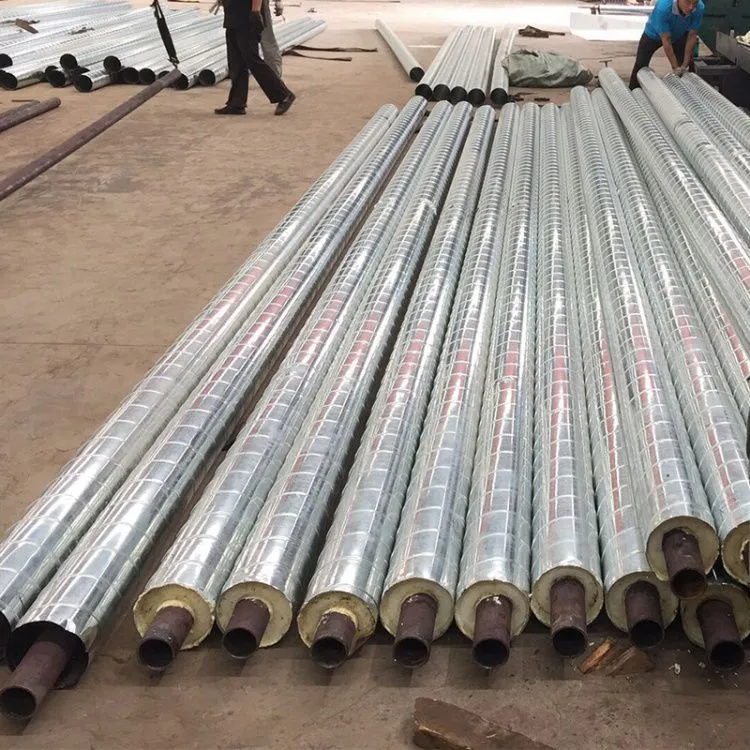
Technological Evolution: Triple Breakthroughs in Environmental Protection, Intelligence, and Lightweighting With the iterative of industry technology, polyurethane insulation pipes are accelerating their evolution towards environmental protection, intelligence, and lightweighting. At the environmental protection level, following the Ministry of Ecology and Environment's on HCFC-141b blowing agents, the industry has fully transitioned to fourth-generation blowing agents and CO2-based blowing technologies, eliminating the risks of ozone layer and the greenhouse effect at the source, while simultaneously promoting the R&D of recycling and reuse technologies for discarded insulation pipes to build a green circular industrial chain. At the intelligent, the integration of IoT and big data technologies has shifted insulation pipes from "passive protection" to "active monitoring." By embedding temperature, humidity, and stress sensors within the outer protective or insulation layer, the operating status of the pipe network and insulation effectiveness can be monitored in real-time. Big data analysis is then used to predict potential risks such as insulation aging and outer damage, achieving precise operation and maintenance and fault early warning, which significantly reduces the O&M costs of the pipe network. Lightweighting is the core direction of the industry's breakthrough in 2026. In addition to the aforementioned lightweight steel pipe design, the R&D of new high-density polyethylene outer pipes and composite insulation materials has reduced the overall weight of the pipeline, while simultaneously enhancing compressive strength and corrosion resistance, providing an optimal solution for pipe network construction under complex working conditions. These technological breakthroughs not only expand the performance of polyurethane insulation pipes but also drive the industry's transformation from "scale expansion" to "quality improvement," providing solid technical support for the construction of thermal pipe networks under thedual carbon" goals. Selection Pitfalls: Key Cognitions and Risk Avoidance in Engineering Practice In actual engineering applications, there are many cognitive misconceptions regarding the selection and construction of insulation pipes, requiring close attention to three core risk points. First, performance degradation caused by "price-only" considerations. To reduce costs, some manufacturers lower the foam density to below 0kg/m³, resulting in an insufficient closed-cell rate of the insulation layer and an increased thermal conductivity coefficient. After long-term use, the insulation effect significantly deteriorates and problems such as insulation powdering and outer pipe cracking may even occur. During selection, core indicators such as foam density and thermal conductivity must be strictly verified, and low-priced inferior products must be rejected. Second, installation hazards caused by "ignoring non-standard customization." Some projects involve special bends and elevation differences. Blindly pursuing uniform pipe diameters using standard pipe fittings for splicing can easily lead to insulation layer fractures and outer pipe seal failure. During selection, non-standard customization needs must be communicated with manufacturers in advance to ensure the insulation performance of fittings like elbows and reducer pipes is consistent with that of straight pipes. Third, early failure caused by "lack of construction protection." During the installation of polyurethane insulation, sharp tools must be avoided to prevent damage to the insulation layer and outer pipe. Local protection measures must be taken when welding steel pipes to prevent high-temperature burns to the layer. Before underground laying, foundation seepage prevention treatment must be completed to avoid groundwater infiltration into the insulation layer. After construction, pressure tests and heat loss detection must be conducted to ensure pipe network quality meets standard requirements.
Conclusion: Value Upgrading from "Insulation Building Materials" to "Energy Infrastructure
The widespread application of polyurethane insulated pipes reflects a value upgrade in China's thermal pipeline network construction, shifting from "ensuring heating supply" "green and efficient." It is no longer just an insulation material for the outer layer of pipes, but an energy infrastructure carrying multiple functions such as energy saving and carbon reduction, safe, and intelligent operation and maintenance. Against the backdrop of the "dual carbon" goals and new urbanization construction, the technological iteration and scenario adaptation of polyurethane insulated pipes will continue to drive the pipeline network towards a more efficient, safer, and smarter direction. For engineers and project decision-makers, deeply understanding the structural logic, performance boundaries, and selection key points of polyurethane pipes not only helps in making better decisions for current projects but also reserves critical technical knowledge for building green, safe, and efficient thermal pipeline networks. Within this "energy-saving" buried deep underground lies a solid force driving China's energy transition and sustainable urban development.
Recently Posted
-
O-ring: The "Invisible Contract" of Industrial Sealing and the Philosophy of Working Conditions
August 7, 2026In the vast and complex system of industrial equipment, people often marvel at the meshing of precision gears or the pressurebeari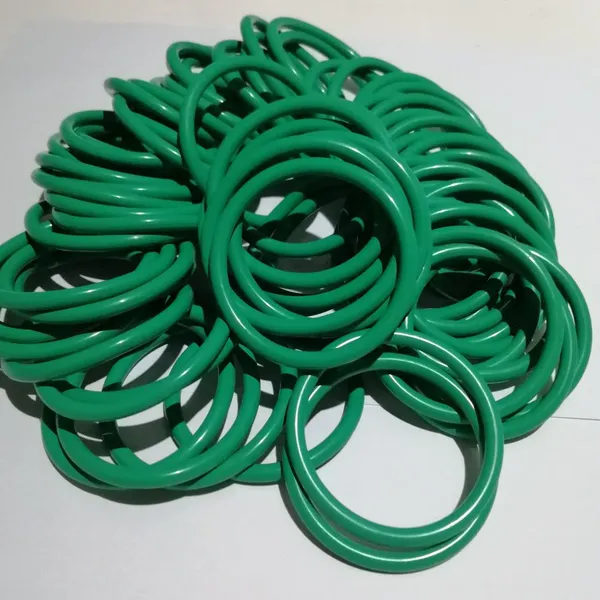 Read More
 -
Nano-aerogel felt: "Super insulation" breaking thermodynamic limits and industrial reshaping
August 7, 2026Under the grand narrative of the global energy structure transition and the "dual carbon" goals, energy conservation and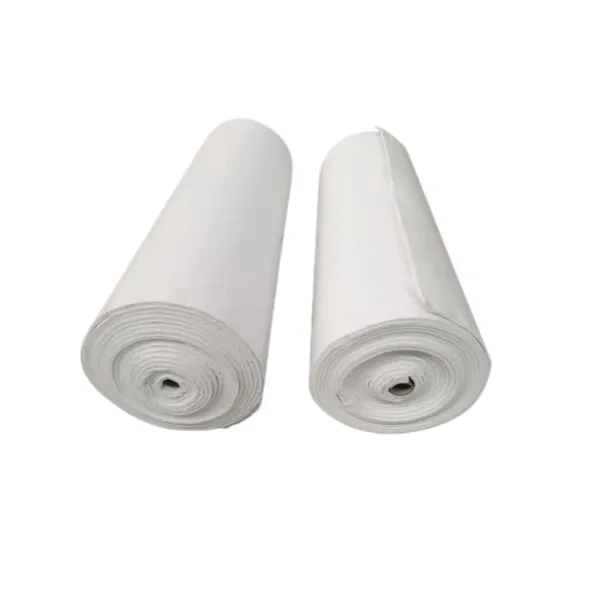 Read More
 -
Aluminum Gaskets: The "Flexible Contract" in Industrial Connections
August 5, 2026In industrial systems such as mechanical manufacturing, petrochemicals, electronics, and aerospace, aluminum gaskets/washers, as f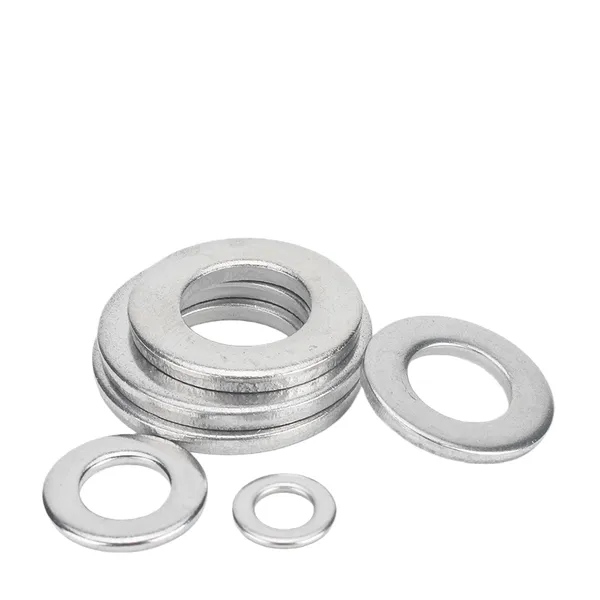 Read More
 -
Qingke Paper: The "Paper Armor" and Insulation Philosophy in the Electronics and New Energy Sectors
August 5, 2026Inside new energy batteries, precision motors, and various electronic and electrical devices, countless tiny components are hidden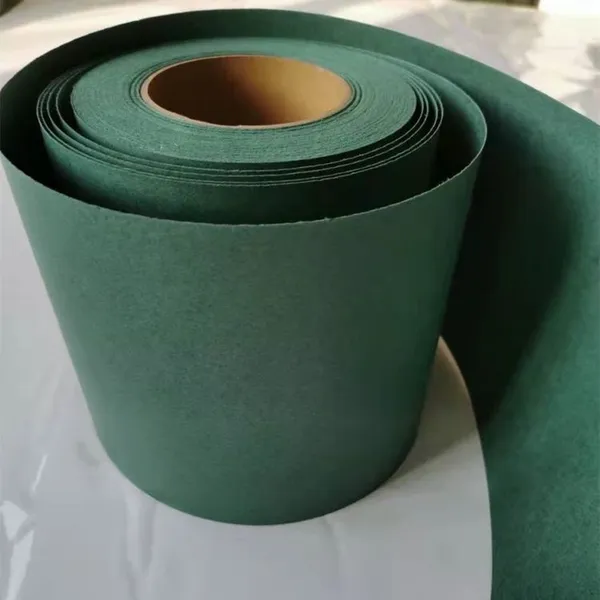 Read More

Contact Us
Recommended Products
-
 Colored Silicone Flat Washer FF Full Surface With Water Line Silicone Pad High Temperature Resistant 230℃ Valve Pipe Sealing GasketNegotiableMOQ: 100 Blades
 -
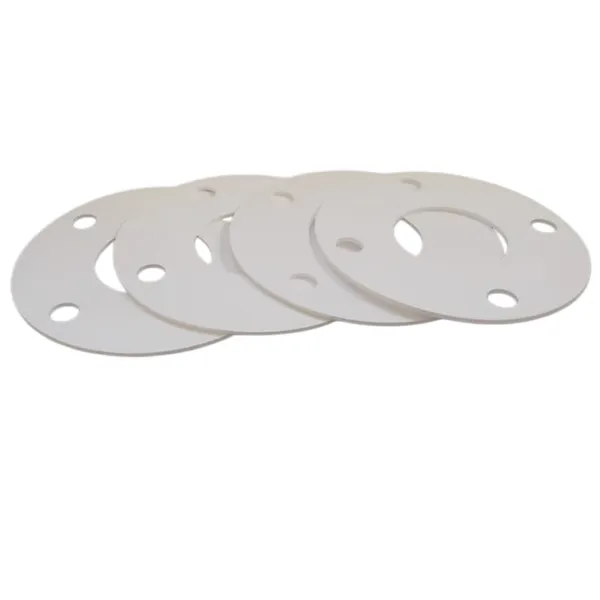
PTFE Gasket With Holes, National Standard Flange Multi-hole PTFE Sealing GasketNegotiableMOQ: 100 Blades
-
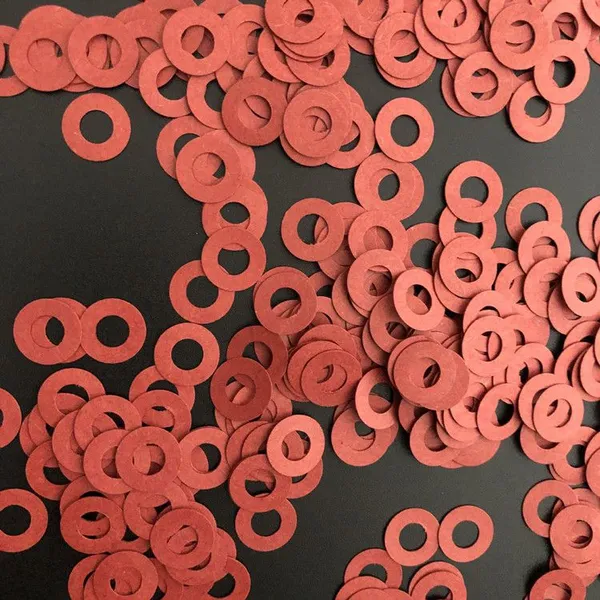
Red Steel Paper Gasket Insulation Flat Washer Red Mica Quick Connector Paper WasherNegotiableMOQ: 100 Blades
-
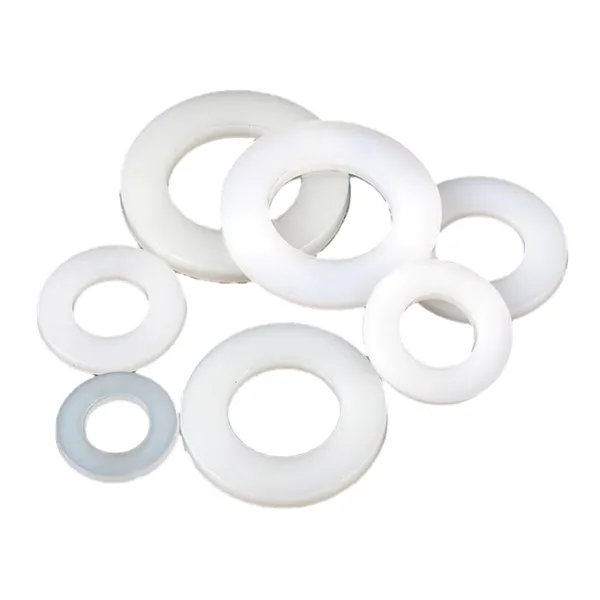
Nylon Washer Black Plastic Flat Washer Insulating Shock-absorbing Wear-resistant Self-lubricatingNegotiableMOQ: 100 Blades
-
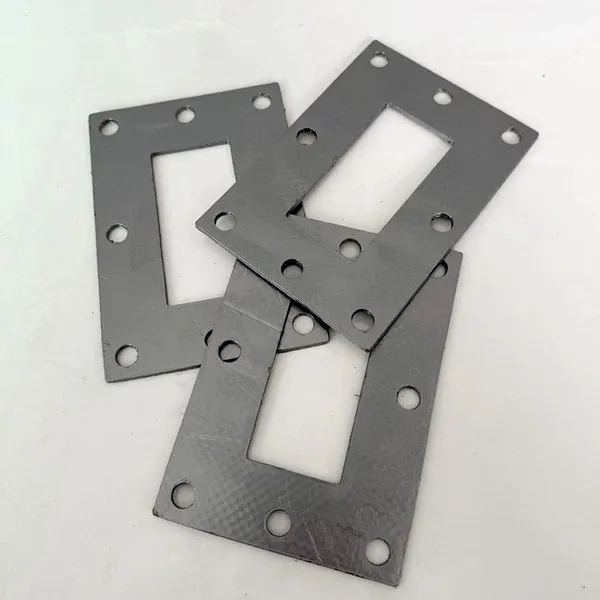
Perforated Graphite Composite Gasket 304 Stainless Steel Reinforced High Temperature and High Pressure Flange Gasket Boiler SteamNegotiableMOQ: 100 Blades
-
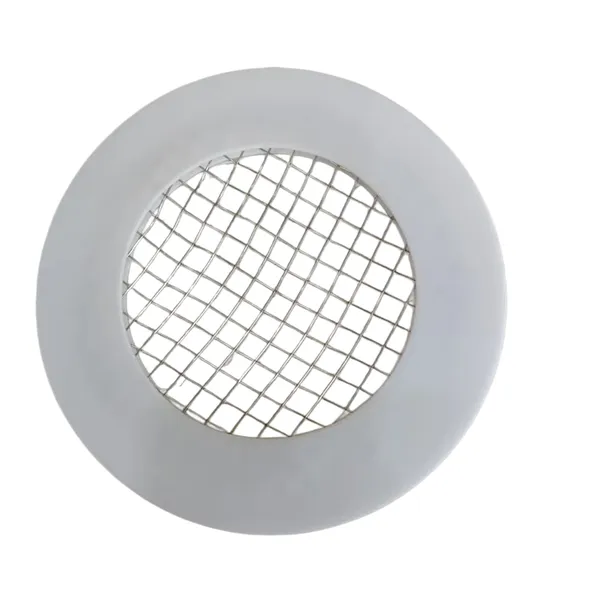
PTFE Filter Gasket With Stainless Steel Mesh; PTFE Filter Sealing Gasket With Stainless Steel MeshNegotiableMOQ: 100 Blades
-
Metal Reinforced PTFE PTFE Gasket Chemical Corrosion Resistant GasketNegotiableMOQ: 100 Blades
-
Reinforced Metal Winding Gasket 304 Stainless Steel Flange Sealing GasketNegotiableMOQ: 100 Blades
-
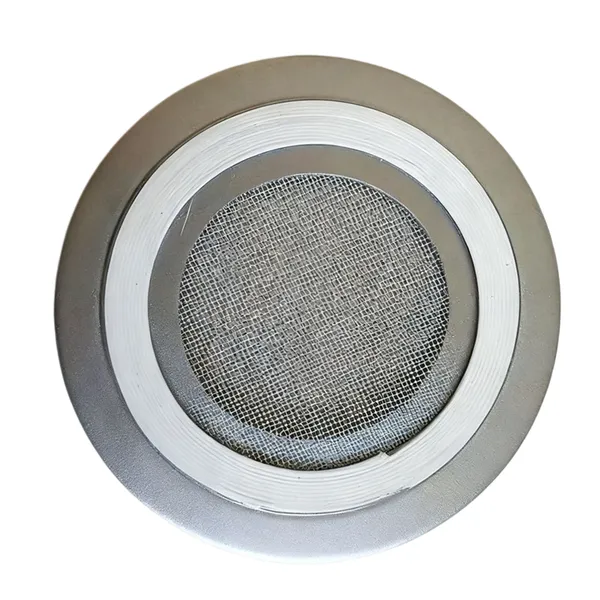
Filter Mesh Winding Gasket 304 Stainless Steel Inner and Outer Ring GasketNegotiableMOQ: 100 Blades
-
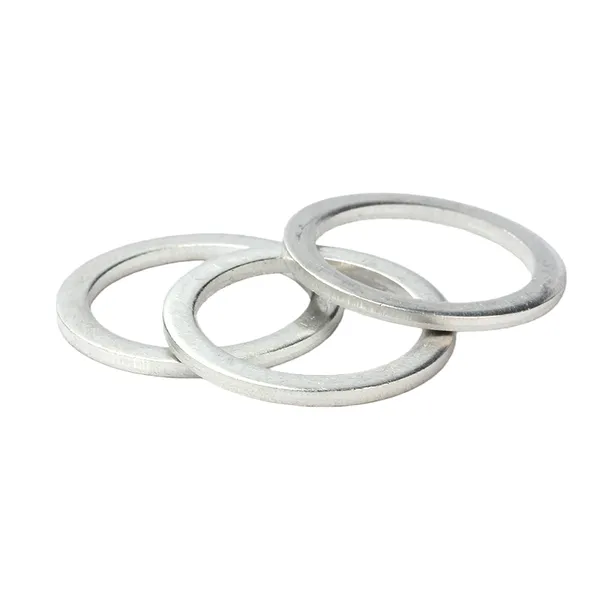
Pure Aluminum Gasket Soft Aluminum Flat Washer 0.1-3mm High Temperature Resistant Sealing Aluminum WasherNegotiableMOQ: 100 Blades
-
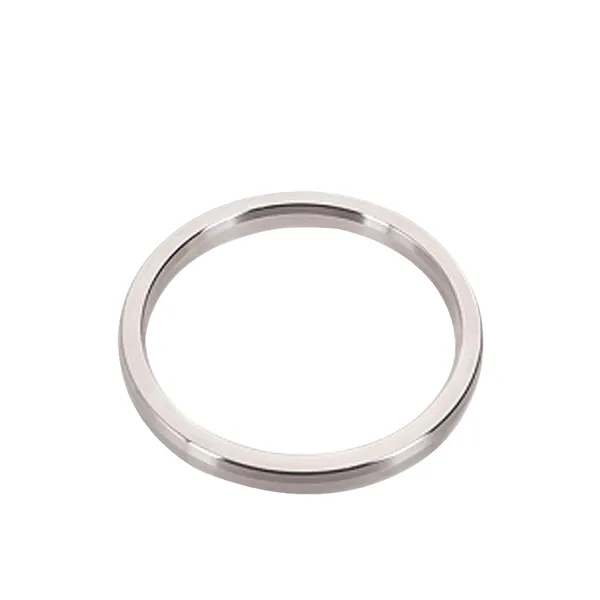
Metal Octagonal Ring Gasket Oval Gasket 304/316L Stainless Steel Metal Ring Gasket RJ Flange GasketNegotiableMOQ: 100 Blades
-
Basic Metal Spiral Wound Gasket 304 Graphite Spiral Wound Gasket Tongue and Groove FlangeNegotiableMOQ: 100 Blades
-
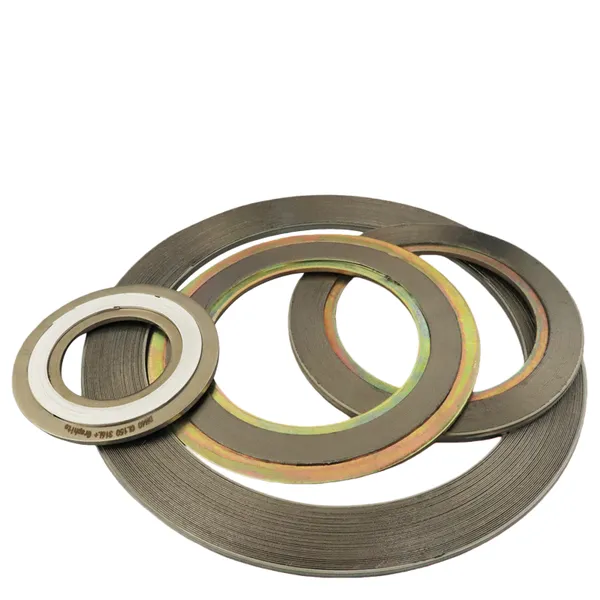
Metal Graphite Spiral Wound Gasket High Temperature Flange Pipe Sealing GasketNegotiableMOQ: 50 Blades
-
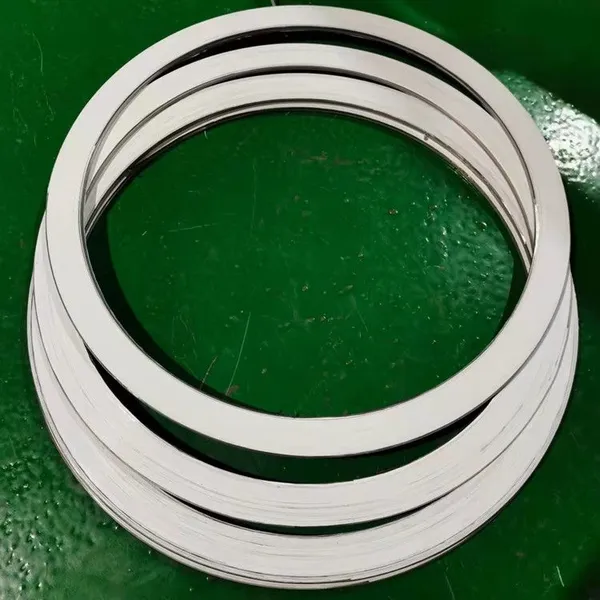
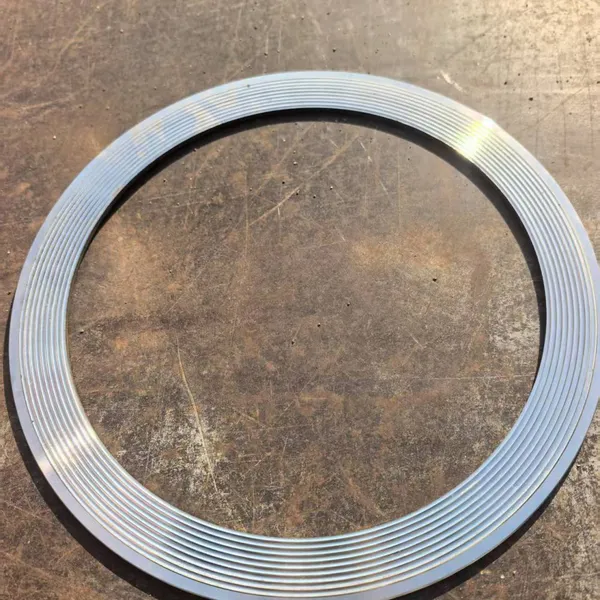
Stainless Steel Flexible Graphite Corrugated Composite Gasket Irregular Thick Reinforced High Temperature and High Pressure Sealing GasketNegotiableMOQ: 100 Blades
-
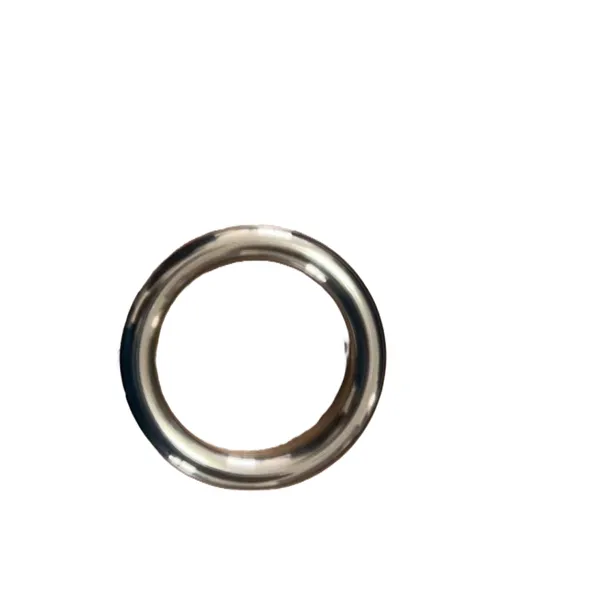
304 Stainless Steel Oval Metal Ring Gasket RJ Flange Oval Gasket High Pressure and High Temperature Resistant Sealing WasherNegotiableMOQ: 10 Units
-
PTFE Gasket, Polytetrafluoroethylene Sealing Gasket, White Teflon Flat Gasket, High Temperature and Acid/alkali Resistant Industrial Flange WasherNegotiableMOQ: 25 Units
-
Elastic Expanded PTFE Gasket Soft Teflon Gasket Pipe Flange Sealing Gasket High and Low Temperature Corrosion Resistant Ready Stock Custom MadeNegotiableMOQ: 25 Units
-
Metal Lens Gasket, No-hole and With-hole Lens Gasket, High-pressure Angle Valve Hydrogen Pipeline Flange Sealing Gasket Custom-madeNegotiableMOQ: 25 Units
-
Metal Serrated Gasket | Wave Profile Composite Gasket for High Temperature and High Pressure Flange SealingNegotiableMOQ: 100 Blades
-
High Temperature and High Pressure Octagonal Ring Joint Gasket Oval Flange Gasket Carbon Steel 304 316 Stainless SteelNegotiableMOQ: 1 Unit