 Business License

What is an asbestos-free gasket? Eco-friendly industrial gaskets as an alternative to asbestos
There is a very clear trend in the industrial sealing industry: complete asbestos removal, environmental protection, and safety. Asbestos rubber gaskets, which widely used in the past decades, have been restricted or banned by the state across multiple industries due to the presence of carcinogenic asbestos fibers. As a perfect upgraded replacement for traditional asbestos, non-asbestos gaskets have become the most commonly used basic sealing gaskets in water pumps, valves, pipelines, pressure vessels, and mechanical equipment, thanks to their advantages of environmental, oil and temperature resistance, high cost-performance ratio, and compatibility with universal equipment. During maintenance and procurement, many factories often cannot distinguish between them when selecting models: What the difference between non-asbestos gaskets and asbestos gaskets? Can non-asbestos gaskets withstand high temperatures? How to choose between oil-resistant non-asbestos and ordinary nonasbestos? What working conditions are they suitable for? Today's practical article will thoroughly explain the material, classification, performance, application scenarios, and selection differences of non-bestos gaskets, helping you completely avoid pitfalls in model selection.
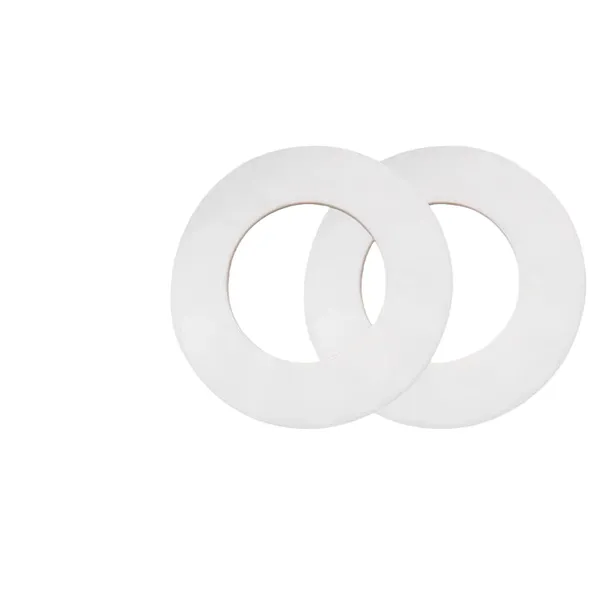
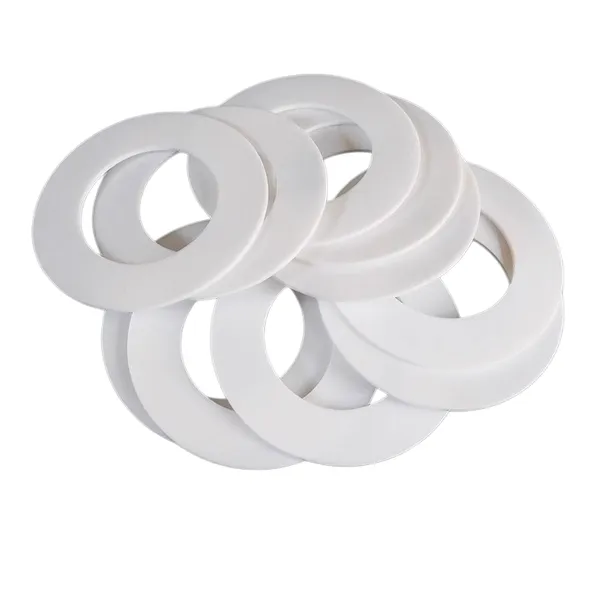
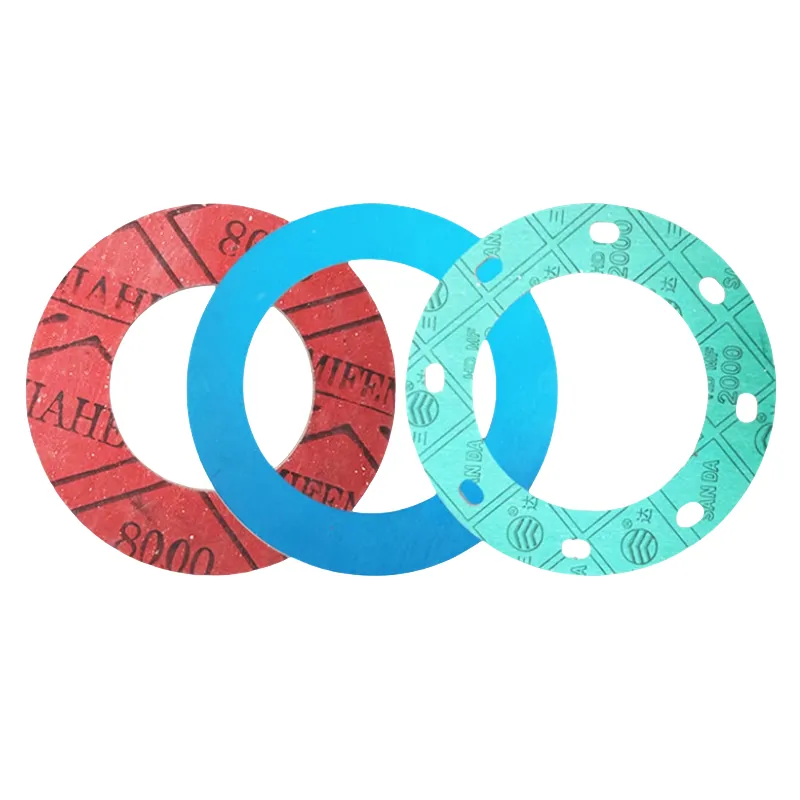
I. What is an Asbestos-Free Gasket? The full name of an asbestos-free gasket is an-free rubber sealing gasket. It is an environmentally friendly sealing gasket made by using eco-friendly and harmless fibers such as aramid fiber, glass fiber, and mineral fiber as a skeleton combined with rubber compounds like nitrile rubber (NBR) and ethylene propylene diene monomer (EPDM), and manufactured through mixing, calendering, vulcanization, and cutting. Simply: It retains the soft fit and cost-effectiveness advantages of traditional asbestos gaskets while eliminating the carcinogenic asbestos component, making it the national standard replacement product for current low-pressure general sealing. It is mainly used for static sealing in various flanges, pump bodies, valves, heat exchangers, oil tanks, and pipeline interfaces, focusing on ambient temperature, medium--low temperature, low pressure, and general medium working conditions.
II. Core Advantages of Asbestos-Free Gaskets (Why replace asbestos gaskets?) 1. Safe and environmentally friendly no carcinogenic hazards The dust from traditional asbestos gaskets contains asbestos fibers, and long-term inhalation can cause occupational diseases. It has been strictly banned in industries such as power, chemical,, and food. Asbestos-free gaskets use eco-friendly fiber materials, are dust-free, harmless, and comply with national safety production and environmental protection standards, making them for all regular industrial production scenarios. 2. Good flexibility and high sealing fit Asbestos-free gaskets are soft and highly plastic, requiring low precision for flange surfaces. can automatically compensate for slight flange unevenness, scratches, and gaps, providing a good sealing effect and making local leakage unlikely, which is very suitable for the conventional sealing of ordinary general equipment
III. Main Classifications and Precise Selection of Asbestos-Free Gaskets The core selection criteria for asbestos-free gaskets are resistance, medium compatibility, and rubber material. The mainstream market is divided into three major categories, and they cannot be used interchangeably for different working conditions: 1. Ordinary AsbestosFree Gaskets (EPDM) Applicable media: Water, air, low-pressure ambient steam, ordinary industrial water Temperature range: -40°C to 80°C Features: Water-resistant, aging-resistant, strong weather resistance, but not oil-resistant Applicable scenarios: Water heating pipelines, water supply and equipment, ordinary steam pipelines, ventilation equipment 2. Oil-Resistant Asbestos-Free Gaskets (NBR) Applicable media: Engine oil, diesel, hydraulic oil lubricating oil, fuel, oil and gas Temperature range: -30°C to 200°C Features: Extremely oil-resistant, resistant to swelling and, specifically designed for oil-related equipment Applicable scenarios: Oil pumps, oil tanks, hydraulic equipment, diesel pipelines, engine oil line sealing 3. High-Temperature As-Free Gaskets (Composite Modified) Temperature range: Up to approximately 250°C Features: Uses high-temperature resistant fibers special rubber formula, resistant high-temperature aging, and unlikely to harden or fail Applicable scenarios: Low-pressure high-temperature steam, heat exchange equipment, thermal auxiliary pipelines
IV. Applicable Industries Working Conditions for Asbestos-Free Gaskets General Machinery Industry: Flange sealing for water pumps, fans, air compressors, and hydraulic units Water Heating and Thermal Industry Heating pipelines, low-pressure steam pipelines, water supply and drainage flange gaskets Petroleum Machinery Industry: Oil-resistant sealing for various oil lines, oil tanks, and hydraulic systemsLight Industry Manufacturing: Sealing for general equipment, ordinary pressure vessels, and pipeline interfaces Power and Mining Industry: Environmental replacement of asbestos gaskets for auxiliary equipment and conventional non-hightemperature/high-pressure pipelines
V. Ultimate Selection Comparison of Non-Asbestos Gaskets, Graphite Gaskets, and PTFE Gaskets Many users struggle with choosing these three gaskets. Remember this industry mnemonic: For ordinary low pressure, choose non-asbestos; for high temperature and high pressure, choose graphite; for acid and alkali corrosion choose PTFE. 1. Choosing Non-Asbestos Gaskets Operating conditions: Normal temperature/medium-low temperature, low pressure, ordinary media such as water/oil/, pursuing cost-effectiveness, environmental safety, and routine maintenance. 2. Choosing Graphite Composite Gaskets Operating conditions: High temperature and high pressure, steam, boilers, thermal pipelines high vibration, and requiring high-strength sealing. 3. Choosing PTFE Gaskets Operating conditions: Acid and alkali corrosion, organic solvents, clean food and pharmaceutical production, and low- media.
VI. Installation and Usage Precautions (To Avoid Leakage) - Do not use beyond temperature and pressure limits: Non-asbestos gaskets are low-pressure gaskets, for high-temperature, high-pressure, or severe impact conditions. Exceeding operating conditions easily leads to hardening, leakage, and damage. - Distinguish between oil-resistant and: Oil-line equipment must use oil-resistant non-asbestos gaskets; ordinary types will swell, deform, and fail when exposed to oil. - Clean the flange surface Remove rust, sand, and debris before installation to ensure the gasket fits flatly. - Tighten uniformly in a diagonal pattern: Avoid single-side tightening, which causes gasket and compression failure. - Single-use only: Gaskets are compressed and deformed after disassembly with insufficient rebound; reuse is strictly prohibited.
VII. Answers to Common Selection Misconceptions Q1: What is the high-temperature resistance of non-asbestos gaskets?Standard models can withstand up to 180°C, oil-resistant models up to 200°C, and modified high-temperature models up to 25°C. For temperatures exceeding this, it is recommended to switch to graphite composite gaskets. Q2: Can non-asbestos gaskets resist acids and alkalis? They resist weak acids and alkalis. They are not suitable for strong acids, alkalis, or organic solvents. For highly corrosive working conditions, PTFE gaskets must be selected. Q: Can non-asbestos gaskets be used as a direct replacement for old asbestos gaskets? The dimensions and specifications are completely compatible and can be directly replaced. They are more friendly, more durable, and pose no occupational hazards, making them the currently mandatory replacement product under national standards.
VIII. Summary Non-asbestos gaskets are the environmentally friendly replacement for traditional asbestos rubber gaskets. With the advantages of being safe and non-toxic, providing soft sealing, being water and oil resistant, and offering high cost-performance, they occupy the mainstream market in general low-pressure sealing applications. Although they are not as resistant to high temperature and high pressure as graphite gaskets, nor as resistant to strong corrosion as gaskets, they are the most cost-effective and suitable sealing gaskets for large-scale maintenance and replacement in scenarios involving room temperature, low pressure, water and oil media, and ordinary equipment. Choosing the right model of non-asbestos gasket (standard/oil-resistant/high-temperature) and following standardized installation and replacement procedures can both meet environmental and production requirements and completely solve the flange leakage problem of conventional equipment, significantly reducing factory operation and maintenance costs.



Recently Posted
-
O-ring: The "Invisible Contract" of Industrial Sealing and the Philosophy of Working Conditions
August 7, 2026In the vast and complex system of industrial equipment, people often marvel at the meshing of precision gears or the pressurebeari Read More
 -
Nano-aerogel felt: "Super insulation" breaking thermodynamic limits and industrial reshaping
August 7, 2026Under the grand narrative of the global energy structure transition and the "dual carbon" goals, energy conservation and Read More
 -
Aluminum Gaskets: The "Flexible Contract" in Industrial Connections
August 5, 2026In industrial systems such as mechanical manufacturing, petrochemicals, electronics, and aerospace, aluminum gaskets/washers, as f Read More
 -
Qingke Paper: The "Paper Armor" and Insulation Philosophy in the Electronics and New Energy Sectors
August 5, 2026Inside new energy batteries, precision motors, and various electronic and electrical devices, countless tiny components are hidden Read More

Contact Us
Recommended Products
-
 Colored Silicone Flat Washer FF Full Surface With Water Line Silicone Pad High Temperature Resistant 230℃ Valve Pipe Sealing GasketNegotiableMOQ: 100 Blades
 -
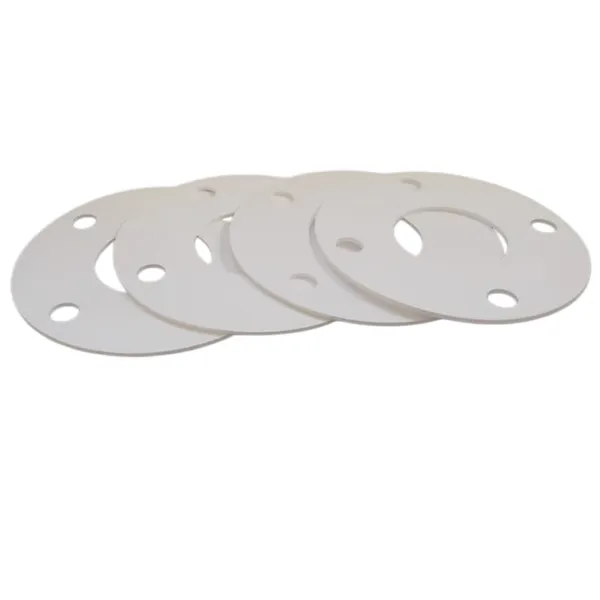
PTFE Gasket With Holes, National Standard Flange Multi-hole PTFE Sealing GasketNegotiableMOQ: 100 Blades
-
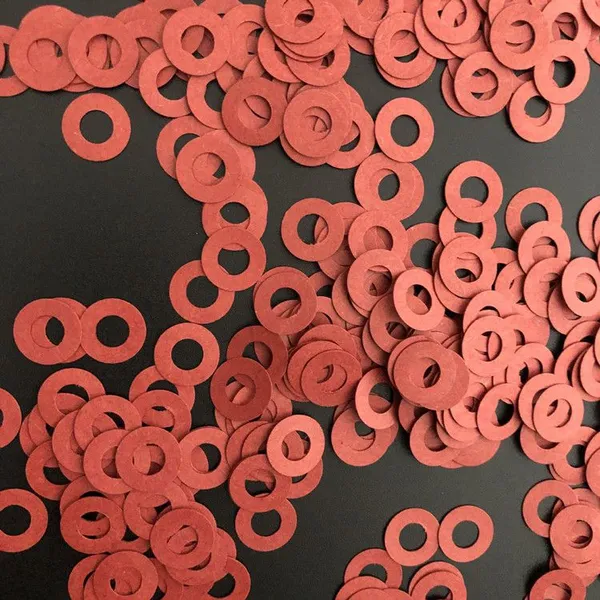
Red Steel Paper Gasket Insulation Flat Washer Red Mica Quick Connector Paper WasherNegotiableMOQ: 100 Blades
-
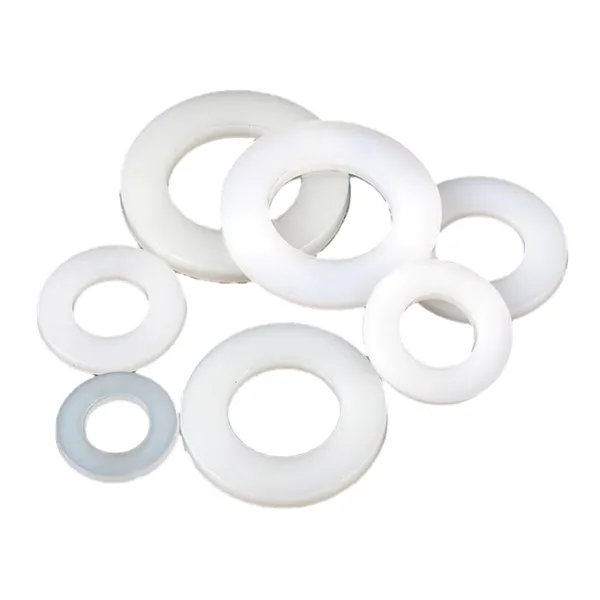
Nylon Washer Black Plastic Flat Washer Insulating Shock-absorbing Wear-resistant Self-lubricatingNegotiableMOQ: 100 Blades
-
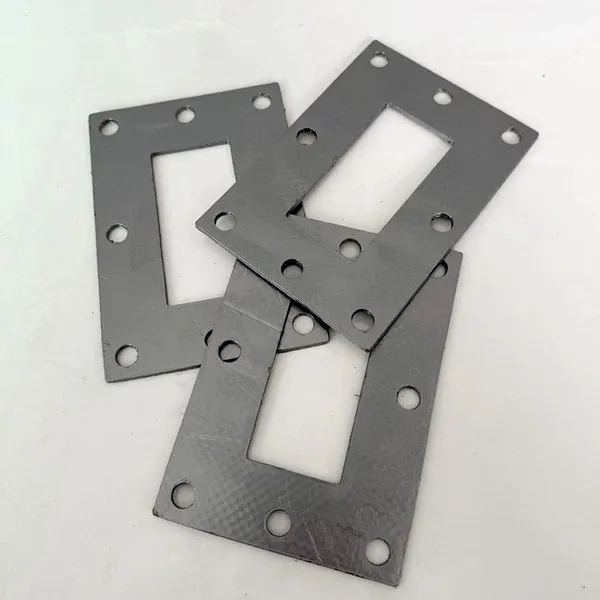
Perforated Graphite Composite Gasket 304 Stainless Steel Reinforced High Temperature and High Pressure Flange Gasket Boiler SteamNegotiableMOQ: 100 Blades
-
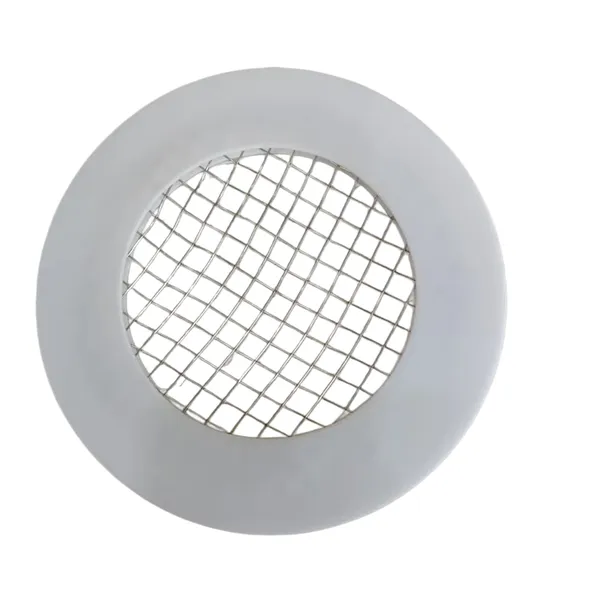
PTFE Filter Gasket With Stainless Steel Mesh; PTFE Filter Sealing Gasket With Stainless Steel MeshNegotiableMOQ: 100 Blades
-
Metal Reinforced PTFE PTFE Gasket Chemical Corrosion Resistant GasketNegotiableMOQ: 100 Blades
-
Reinforced Metal Winding Gasket 304 Stainless Steel Flange Sealing GasketNegotiableMOQ: 100 Blades
-
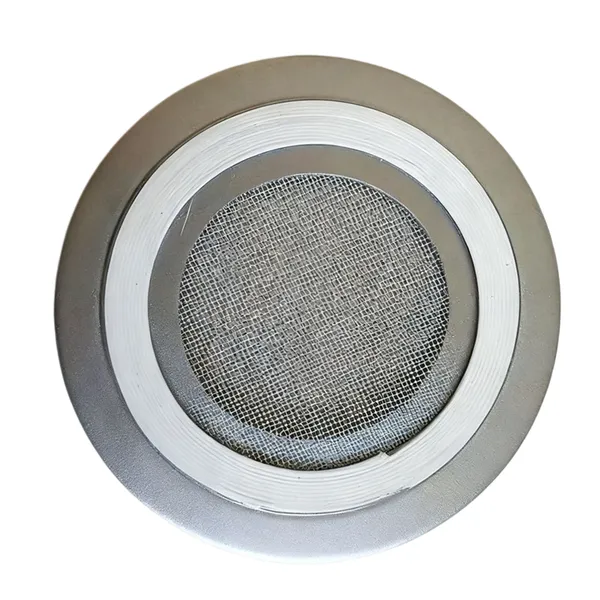
Filter Mesh Winding Gasket 304 Stainless Steel Inner and Outer Ring GasketNegotiableMOQ: 100 Blades
-
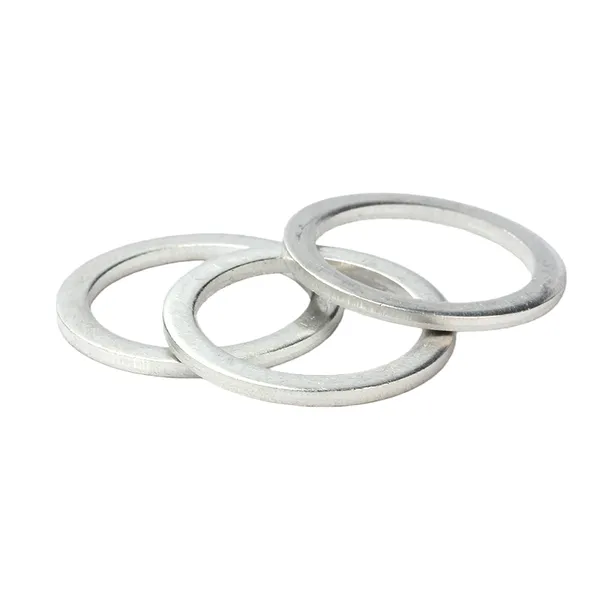
Pure Aluminum Gasket Soft Aluminum Flat Washer 0.1-3mm High Temperature Resistant Sealing Aluminum WasherNegotiableMOQ: 100 Blades
-
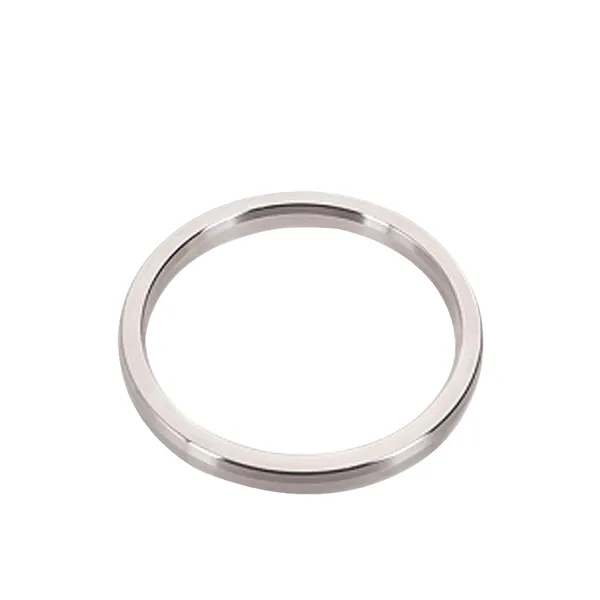
Metal Octagonal Ring Gasket Oval Gasket 304/316L Stainless Steel Metal Ring Gasket RJ Flange GasketNegotiableMOQ: 100 Blades
-
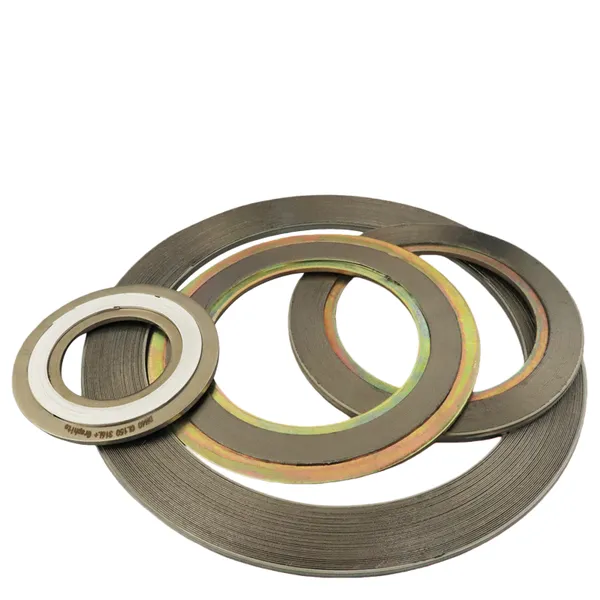
Basic Metal Spiral Wound Gasket 304 Graphite Spiral Wound Gasket Tongue and Groove FlangeNegotiableMOQ: 100 Blades
-
Metal Graphite Spiral Wound Gasket High Temperature Flange Pipe Sealing GasketNegotiableMOQ: 50 Blades
-
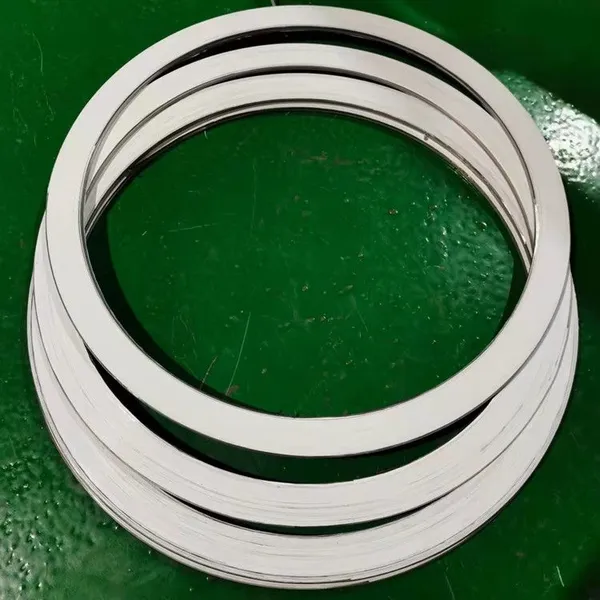
Stainless Steel Flexible Graphite Corrugated Composite Gasket Irregular Thick Reinforced High Temperature and High Pressure Sealing GasketNegotiableMOQ: 100 Blades
-
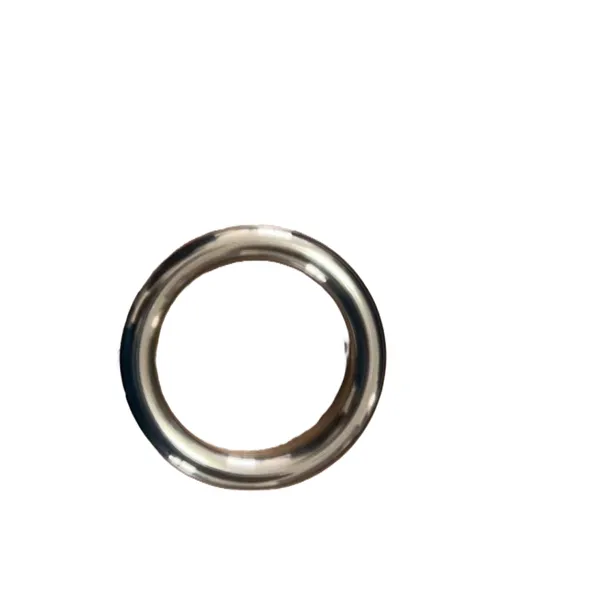
304 Stainless Steel Oval Metal Ring Gasket RJ Flange Oval Gasket High Pressure and High Temperature Resistant Sealing WasherNegotiableMOQ: 10 Units
-
PTFE Gasket, Polytetrafluoroethylene Sealing Gasket, White Teflon Flat Gasket, High Temperature and Acid/alkali Resistant Industrial Flange WasherNegotiableMOQ: 25 Units
-
Elastic Expanded PTFE Gasket Soft Teflon Gasket Pipe Flange Sealing Gasket High and Low Temperature Corrosion Resistant Ready Stock Custom MadeNegotiableMOQ: 25 Units
-
Metal Lens Gasket, No-hole and With-hole Lens Gasket, High-pressure Angle Valve Hydrogen Pipeline Flange Sealing Gasket Custom-madeNegotiableMOQ: 25 Units
-
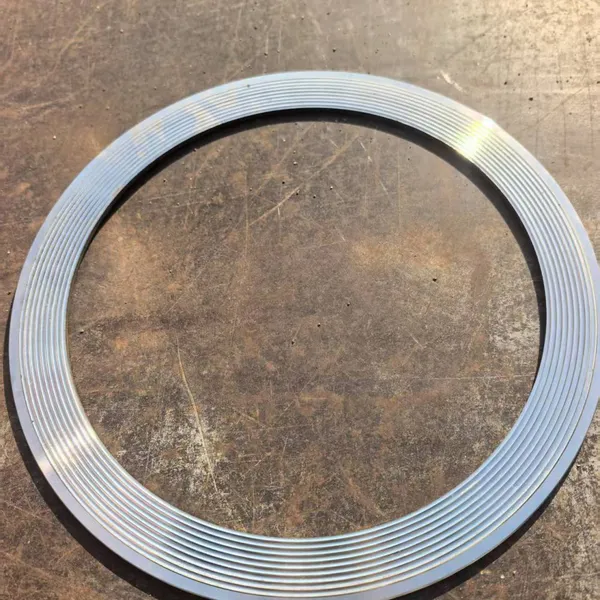
Metal Serrated Gasket | Wave Profile Composite Gasket for High Temperature and High Pressure Flange SealingNegotiableMOQ: 100 Blades
-
High Temperature and High Pressure Octagonal Ring Joint Gasket Oval Flange Gasket Carbon Steel 304 316 Stainless SteelNegotiableMOQ: 1 Unit