 Business License

In-depth analysis of PTFE gaskets: The preferred solution for corrosion-resistant sealing applicatio
In the field of industrial sealing, graphite composite gaskets are used for high-temperature and high-pressure working conditions, while for highly corrosive, clean low-temperature, and acid-base media working conditions, PTFE gaskets (PTFE gaskets/Teflon gaskets) are definitely the first choice. Many factory O&M procurement, and technical personnel often struggle with: What gasket should be used for corrosive media? Can rubber gaskets be used in food and pharmaceutical industries? Will low-temperature pipelines become brittle How to solve frequent leaks in acid-base pipelines? The answer mostly points to PTFE gaskets. It is currently one of the sealing gaskets with the strongest chemical stability, the widest media, and the highest hygiene grade in industrial applications. Today's practical article will take you from zero to fully understand the performance, classification, selection, applicable working conditions, and installationoos of PTFE gaskets, as well as the core differences between them and graphite gaskets and rubber gaskets.
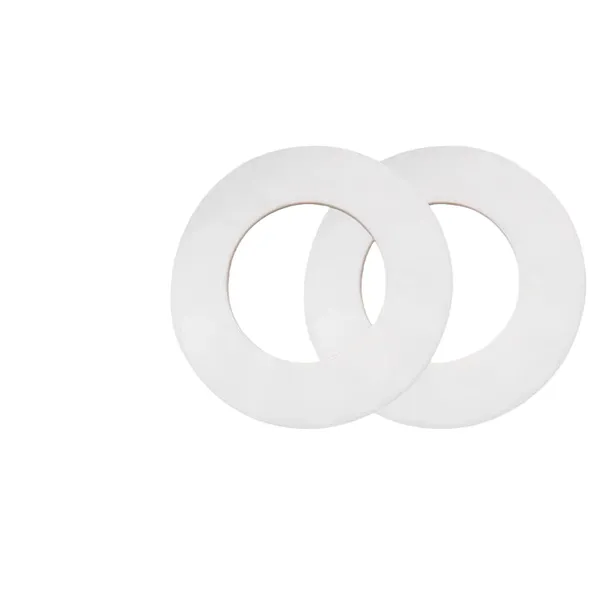
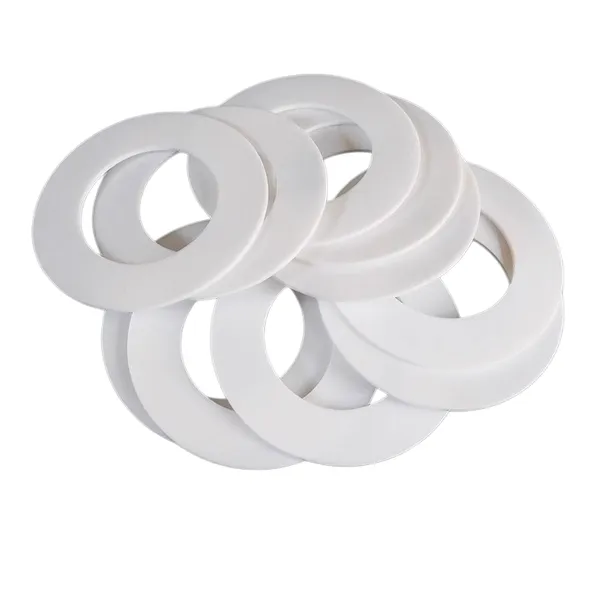
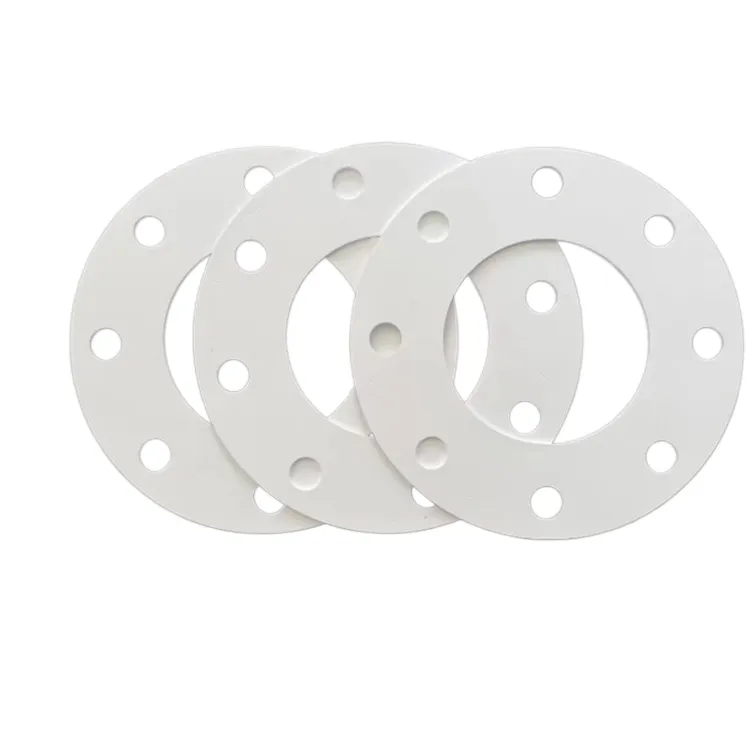
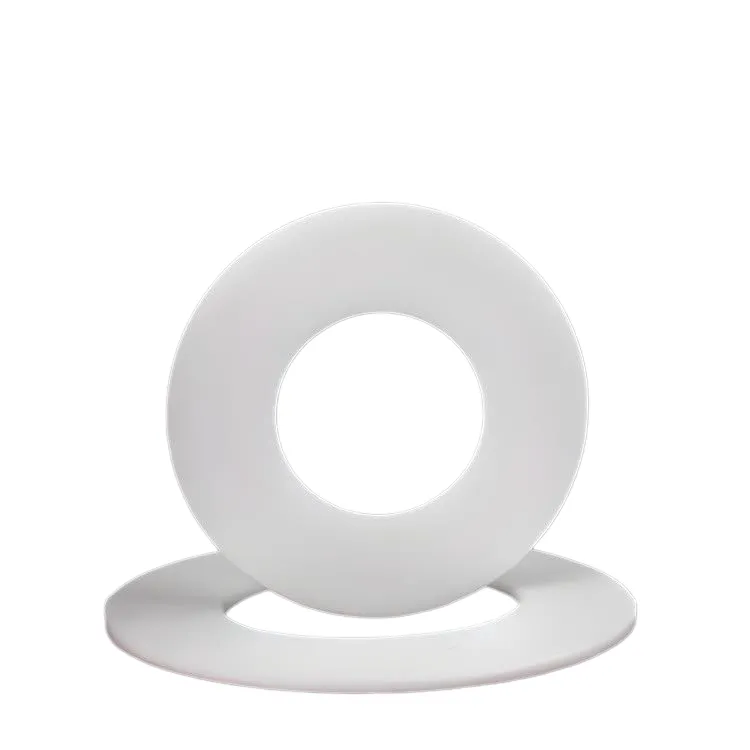
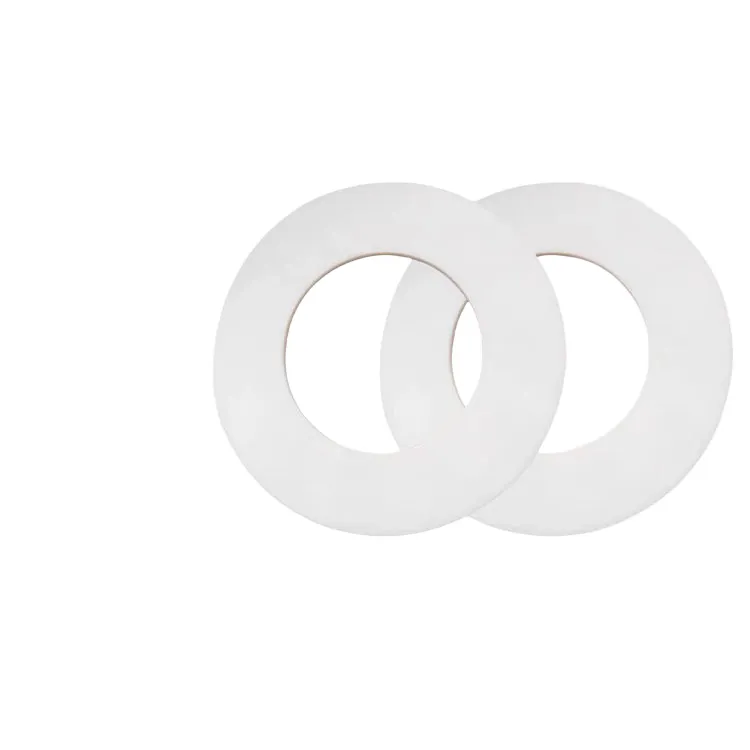
I. What is a PTFE gasket? The full name of a PTFE gasket is polytetrafluoroethylene gasket (PTFE gasket), commonly known as Teflon gasket. It is a static sealing gasket made from polytetrafluoroethylene resin through processes such as compression molding, turning, cutting, and expansion, and is widely used for sealing flanges, valves, bodies, heat exchangers, and pipe joints. Unlike materials such as rubber, asbestos, and graphite, PTFE material itself possesses extremely strong chemical inertness, reacting with almost no acids bases, solvents, or oils, making it the "ace material" for sealing in corrosive working conditions.
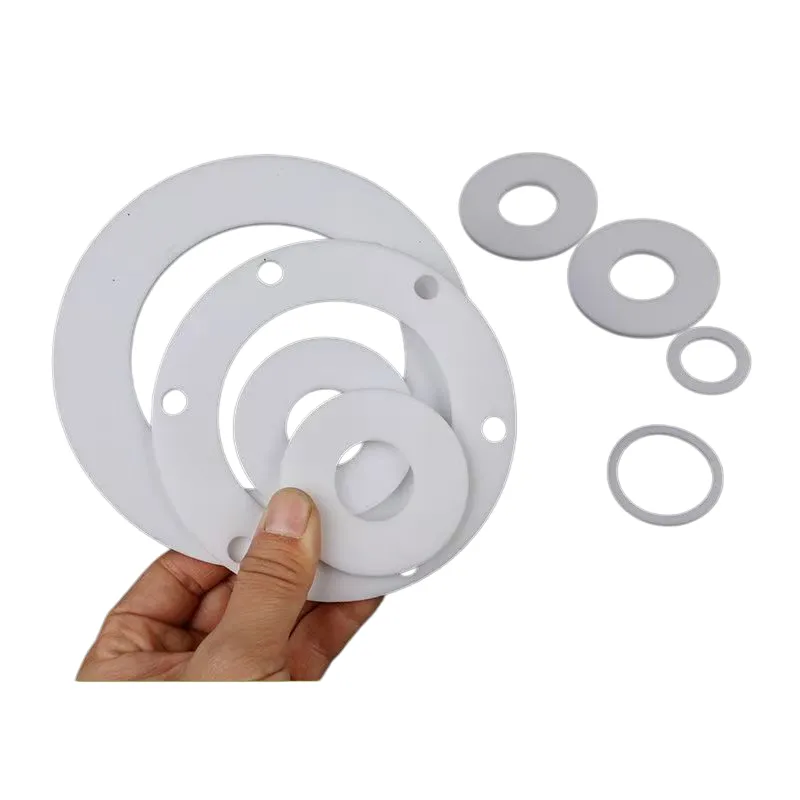
II. Core Performance Advantages of PTFE Gaskets The reason PTFE gaskets are universally used across various industries lies in five irreplaceable core performance that precisely solve industrial sealing pain points: 1. Extreme corrosion resistance, compatible with most chemical media PTFE material is extremely chemically stable and can withstand almost all corrosive media, strong acids, strong alkalis, salt solutions, organic solvents, oils, and oxidants, without swelling, aging, cracking, or erosion. Only a few special media, such molten alkali metals and elemental fluorine gas, can affect it, making it the optimal sealing choice for chemical corrosion working conditions. 2. Ultra-wide temperature range, stable at both and low temperatures The long-term operating temperature of conventional PTFE gaskets is -200°C to 260°C. They do not harden or crack at temperatures, and do not melt or deform at high temperatures, perfectly adapting to low-temperature refrigeration, frequent thermal cycling, and medium-to-high temperature process piping conditions. Their adaptability far exceeds that of ordinary rubber and silicone gaskets. 3. Non-stick surface and self-lubricating, no residue during disassembly PTFE has an extremely low coefficient of (only 0.04-0.1) and possesses excellent self-lubricating and non-stick properties. After sealing, it will not stick to the flange, making equipment maintenance and disassembly convenient with no residue or scaling, significantly reducing O&M cleaning costs. Meanwhile, its excellent insulation performance makes it suitable for electrical and equipment insulation sealing. 4. Non-toxic and hygienic, meeting clean industry standards Pure PTFE material is non-toxic, odorless, non-leaching, and non-polluting, with FDA food-grade and pharmaceutical clean production standards. It will not cause secondary contamination to the media, making it a dedicated sealing gasket for food, pharmaceutical, pure water, fine chemical clean piping. 5. Aging-resistant and fatigue-resistant, long service life It is not afraid of UV rays, humidity, or oxidizing environments, and can be stably in long-term outdoor, humid, and indoor working conditions. It will not rapidly age, harden, or crack like rubber gaskets, nor will it powder and fail like asbestos, resulting in a longer overall service life.
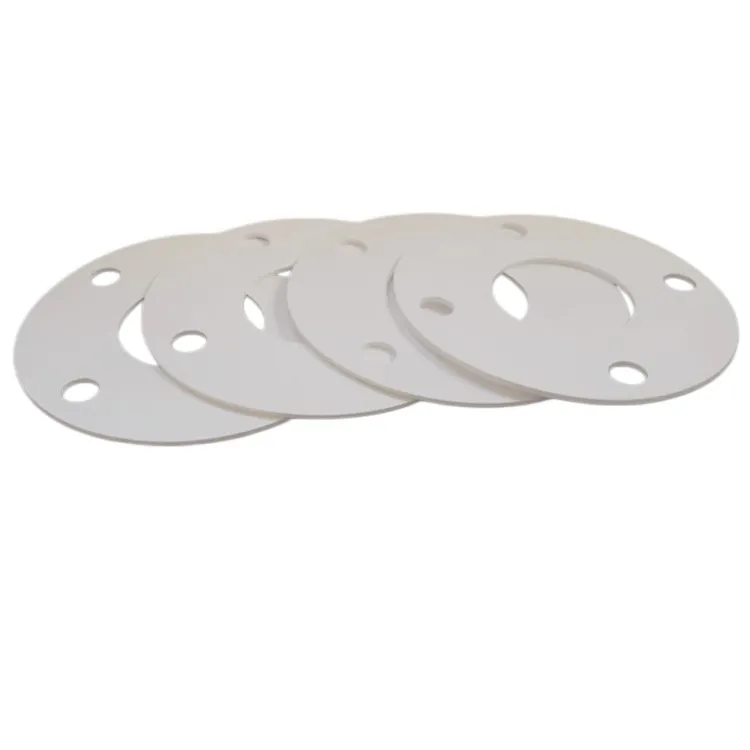
III. Main Classifications and Precise Selection of PTFE Gaskets Many people make mistakes in selection because they only focus on the term "FE gasket," ignoring the performance differences between various process styles. The industry is mainly divided into four categories, each suitable for completely different operating conditions: 1. Ordinary Pure PTFE Gasket (Machined/Cut) The most basic universal type, featuring a flat surface, uniform thickness, and stable sealing performance with high cost-effectiveness. It is suitable for-pressure, ambient temperature, highly corrosive, and clean media operating conditions, commonly used in ordinary chemical pipelines, pure water equipment, food pipelines, and conventional flange sealing. The disadvantage is it is prone to slight creep under high pressure, making it unsuitable for long-term ultra-high pressure operating conditions. 2. Expanded PTFE Gasket (EPTFE) ed through an expansion process to create a flexible porous structure, its resilience and conformability are significantly improved. It can automatically compensate for flange surface irregularities, slight deformations, and scratch gaps achieving zero leakage with low pre-tightening force. It is suitable for operating conditions with high equipment vibration, average flange precision, and frequent pressure fluctuations, offering better sealing performance ordinary PTFE gaskets. 3. PTFE-Clad Gasket Featuring an outer PTFE cladding and an inner composite structure of rubber/asbestos/metal core, it combines the resistance of PTFE with the high strength and high elasticity of the inner core. It solves the problems of pure PTFE gaskets being too hard and having average resilience, making it suitable for medium-, corrosive, and frequent hot-cold alternating operating conditions, commonly used in heat exchangers, pressure vessels, and industrial valve sealing. 4. Filled Modified PTFE Gasket (Carbon/Graphite Filled) By adding fillers such as carbon fiber and graphite to the PTFE base material, it effectively improves the creep phenomenon and enhances wear resistance and compressive strength. It stronger high-temperature resistance and deformation resistance, making it suitable for high-pressure, dynamic sealing, and frequently opened/closed pumps, valves, and rotating equipment sealing. It is not suitable for applications insulation.
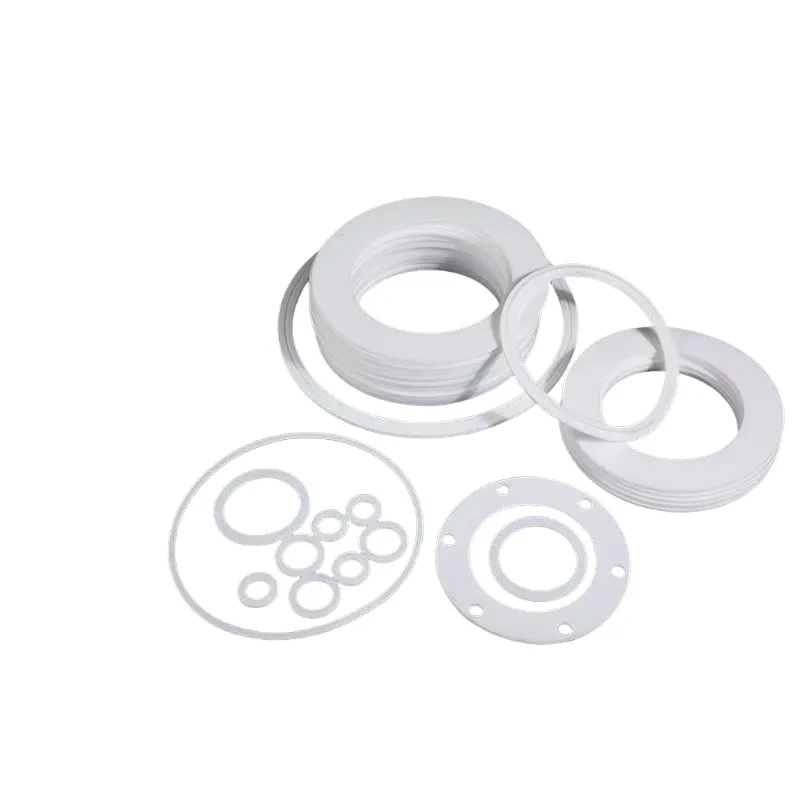
IV. Core Application Scenarios (Full Industry Coverage) Chemical Industry: Acid and alkali pipelines, reaction vessels, storage tanks, organic solvent, corrosive media pump and valve flange sealing; Food and Pharmaceutical: Fermentation tanks, sterile pipelines, pure water and purified water equipment, food conveying pipeline clean sealing; New and Fine Chemicals: Lithium battery chemical solution pipelines, special solvents, corrosive slurry equipment sealing; Refrigeration and Cryogenic Industry: Low-temperature refrigerant pipelines, cryogenic equipment low-temperature storage tank flange sealing; General Industry: Electroplating equipment, environmental protection desulfurization and denitrification equipment, sewage treatment acid and alkali pipelines, electrical insulation sealing.
V. PTFE Gasket VS Graphite Composite Gasket: How to Choose? (Most Practical Industry Comparison) This is the most frequent question in technical selection. To summarize in one sentence Choose graphite for high temperature and high pressure, choose PTFE for corrosion and cleanliness. 1. Choose Graphite Composite Gasket: High operating temperature, high pressure, steam media, boiler power, thermal power and metallurgy, no strong acid or alkali corrosion, pursuing high-pressure stability; 2. Choose PTFE Gasket: Media contains acids and alkalis, solvents strong corrosion, requires cleanliness and non-toxicity, low-temperature operating conditions, no media contamination allowed, medium pressure.
VI. Installation Standards and Common Pitfalls (Avoid 90% of Leaks) 1. Key Points for Correct Installation Clean oil, rust and impurities from the flange face to ensure a clean and flat mating surface; place the gasket centrally to avoid offset compression; tighten bolts diagonally in stages until the force is evenly distributed; for/low temperature and pressure fluctuation conditions, prioritize expanded PTFE or clad PTFE gaskets to improve resilient sealing. 2. Fatal Pitfalls Pitfall 1: PTFE gaskets are universally applicable They are not recommended for ultra-high temperature (exceeding 260°C) or ultra-high pressure shock conditions, as they are prone to creep relaxation leading leaks; Pitfall 2: Repeatedly reusing PTFE gaskets. After disassembly, the gasket suffers from stress deformation and reduced resilience, making secondary installation extremely prone to leakage; a gasket must be used; Pitfall 3: Tighter fastening ensures a better seal. Excessive pressure causes the gasket to squeeze, deform, and flare out, which actually destroys sealing structure.
VII. Summary PTFE gaskets are benchmark products for industrial corrosion resistance, cleanliness, and low-temperature sealing. With their advantages of extreme corrosion resistance, temperature stability, hygiene and non-toxicity, and long-lasting durability, they have become standard sealing components in industries such as chemical engineering, pharmaceuticals, food, environmental protection, new energy. They compensate for the shortcomings of graphite gaskets (poor resistance to strong corrosion) and rubber gaskets (poor temperature resistance and easy aging). As long as the specific types—such virgin PTFE, expanded PTFE, PTFE-enveloped, and modified PTFE—are accurately matched and installed and used according to specifications, they can completely solve industry challenges like corrosive media leakage contamination in clean working conditions, and failure in low-temperature conditions, significantly reducing equipment operation and maintenance leakage risks and repair costs.
Recently Posted
-
O-ring: The "Invisible Contract" of Industrial Sealing and the Philosophy of Working Conditions
August 7, 2026In the vast and complex system of industrial equipment, people often marvel at the meshing of precision gears or the pressurebeari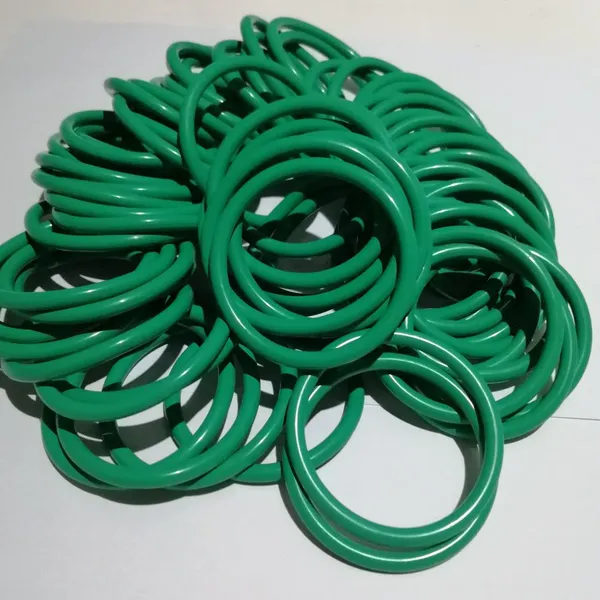 Read More
 -
Nano-aerogel felt: "Super insulation" breaking thermodynamic limits and industrial reshaping
August 7, 2026Under the grand narrative of the global energy structure transition and the "dual carbon" goals, energy conservation and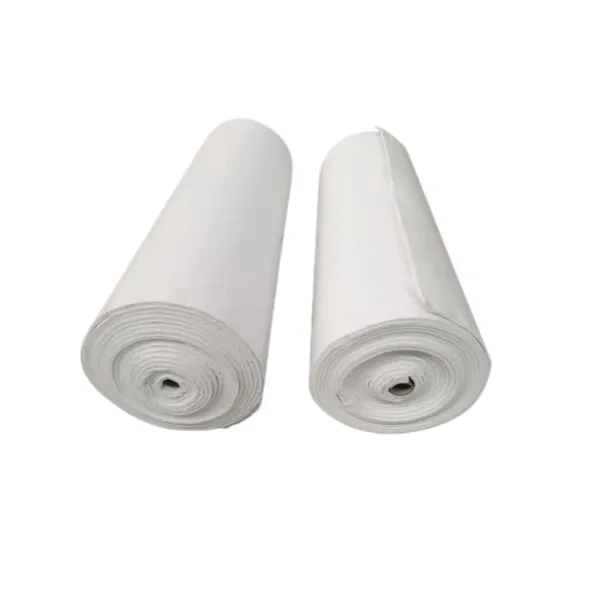 Read More
 -
Aluminum Gaskets: The "Flexible Contract" in Industrial Connections
August 5, 2026In industrial systems such as mechanical manufacturing, petrochemicals, electronics, and aerospace, aluminum gaskets/washers, as f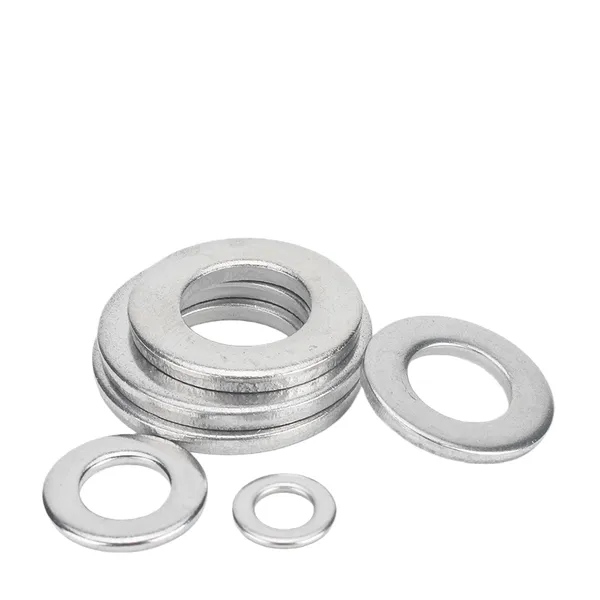 Read More
 -
Qingke Paper: The "Paper Armor" and Insulation Philosophy in the Electronics and New Energy Sectors
August 5, 2026Inside new energy batteries, precision motors, and various electronic and electrical devices, countless tiny components are hidden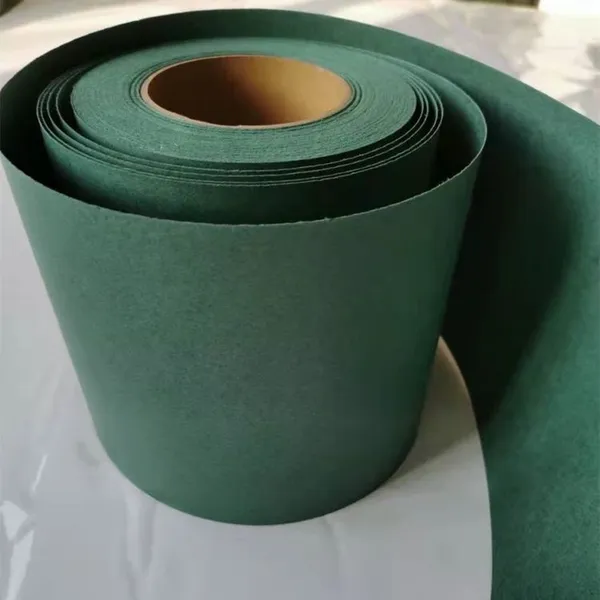 Read More

Contact Us
Recommended Products
-
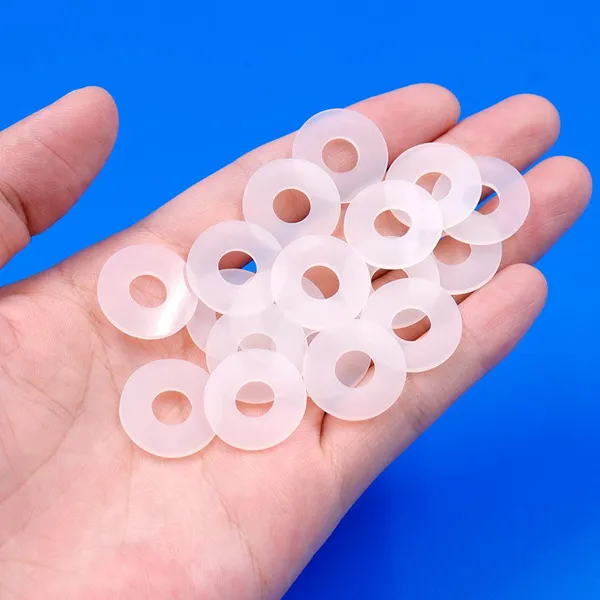
 Colored Silicone Flat Washer FF Full Surface With Water Line Silicone Pad High Temperature Resistant 230℃ Valve Pipe Sealing GasketNegotiableMOQ: 100 Blades
 -
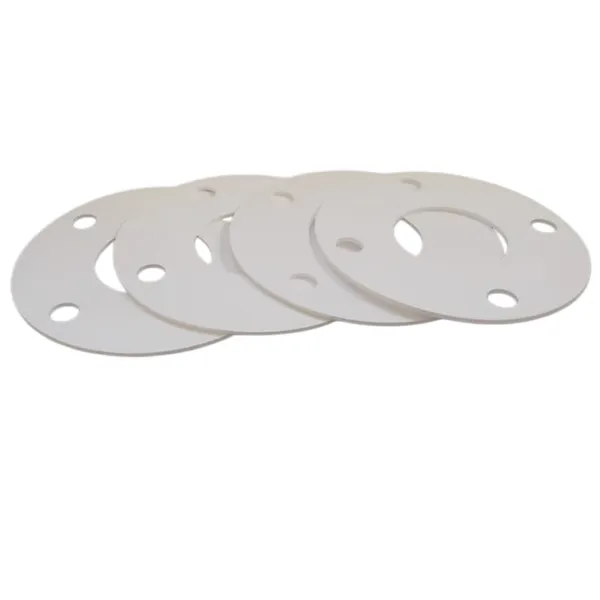
PTFE Gasket With Holes, National Standard Flange Multi-hole PTFE Sealing GasketNegotiableMOQ: 100 Blades
-
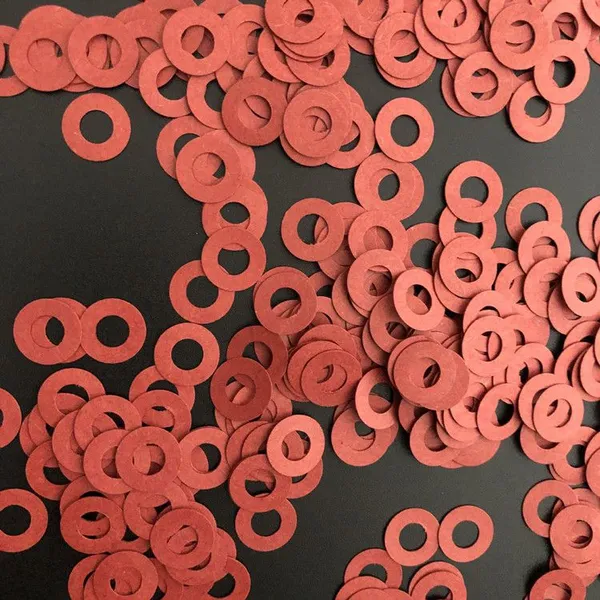
Red Steel Paper Gasket Insulation Flat Washer Red Mica Quick Connector Paper WasherNegotiableMOQ: 100 Blades
-
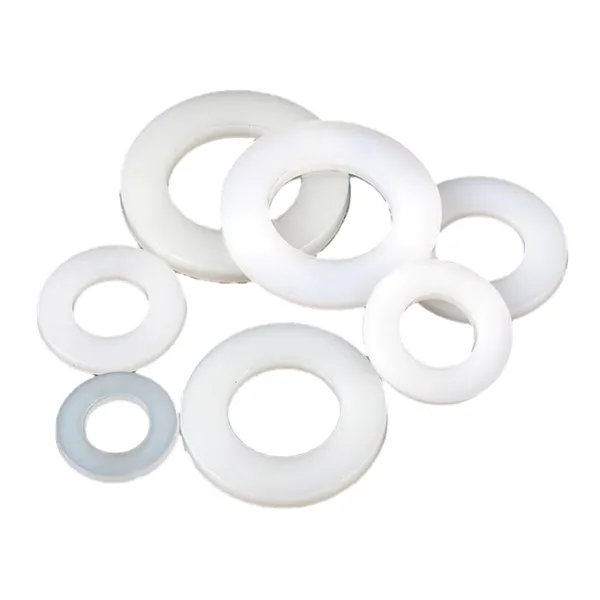
Nylon Washer Black Plastic Flat Washer Insulating Shock-absorbing Wear-resistant Self-lubricatingNegotiableMOQ: 100 Blades
-
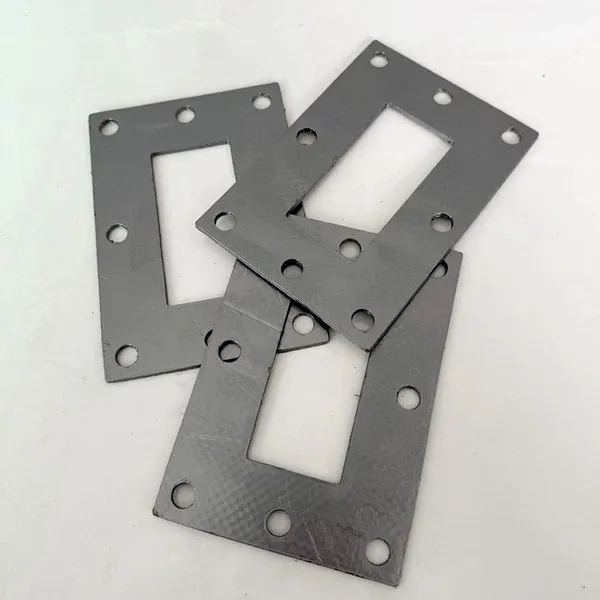
Perforated Graphite Composite Gasket 304 Stainless Steel Reinforced High Temperature and High Pressure Flange Gasket Boiler SteamNegotiableMOQ: 100 Blades
-
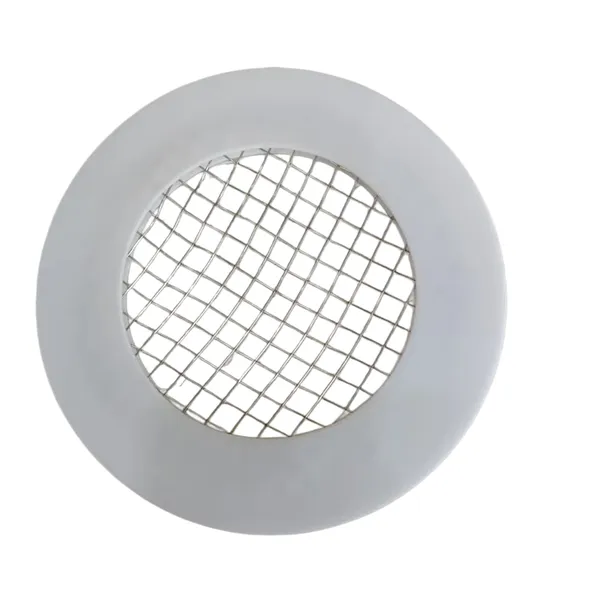
PTFE Filter Gasket With Stainless Steel Mesh; PTFE Filter Sealing Gasket With Stainless Steel MeshNegotiableMOQ: 100 Blades
-
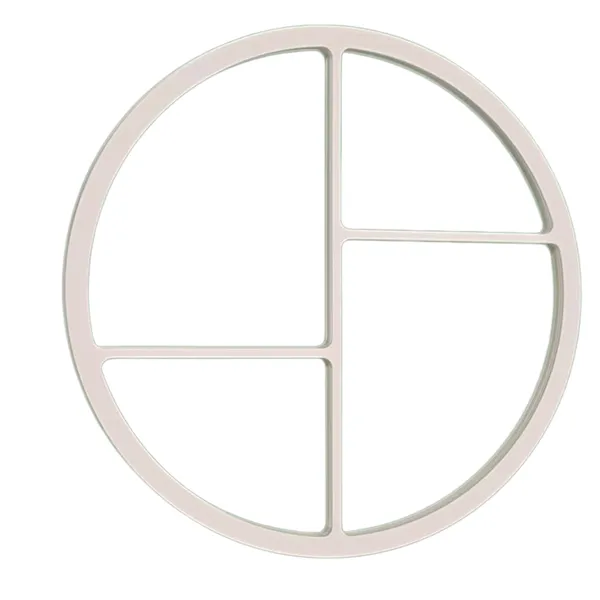
Metal Reinforced PTFE PTFE Gasket Chemical Corrosion Resistant GasketNegotiableMOQ: 100 Blades
-
Reinforced Metal Winding Gasket 304 Stainless Steel Flange Sealing GasketNegotiableMOQ: 100 Blades
-
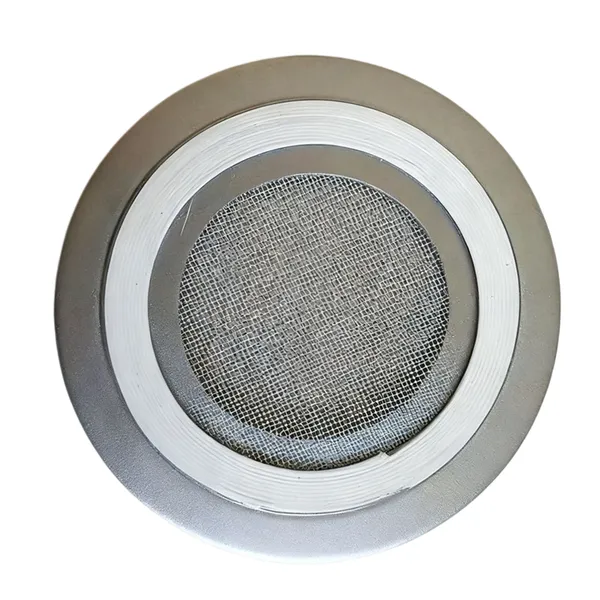
Filter Mesh Winding Gasket 304 Stainless Steel Inner and Outer Ring GasketNegotiableMOQ: 100 Blades
-
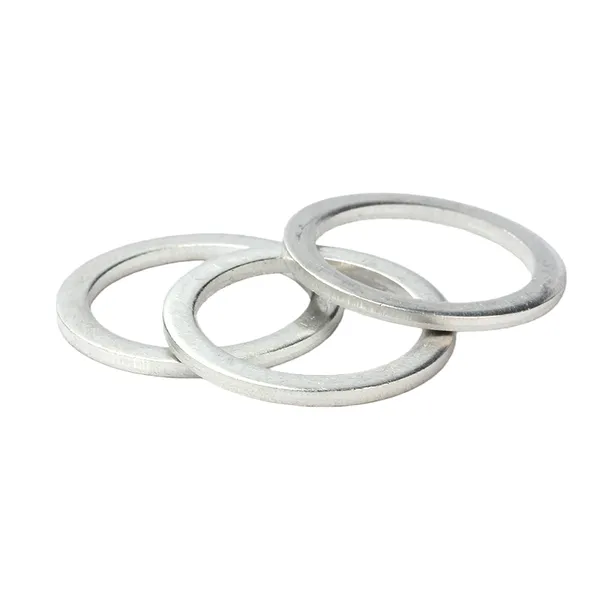
Pure Aluminum Gasket Soft Aluminum Flat Washer 0.1-3mm High Temperature Resistant Sealing Aluminum WasherNegotiableMOQ: 100 Blades
-
Metal Octagonal Ring Gasket Oval Gasket 304/316L Stainless Steel Metal Ring Gasket RJ Flange GasketNegotiableMOQ: 100 Blades
-
Basic Metal Spiral Wound Gasket 304 Graphite Spiral Wound Gasket Tongue and Groove FlangeNegotiableMOQ: 100 Blades
-
Metal Graphite Spiral Wound Gasket High Temperature Flange Pipe Sealing GasketNegotiableMOQ: 50 Blades
-
Stainless Steel Flexible Graphite Corrugated Composite Gasket Irregular Thick Reinforced High Temperature and High Pressure Sealing GasketNegotiableMOQ: 100 Blades
-
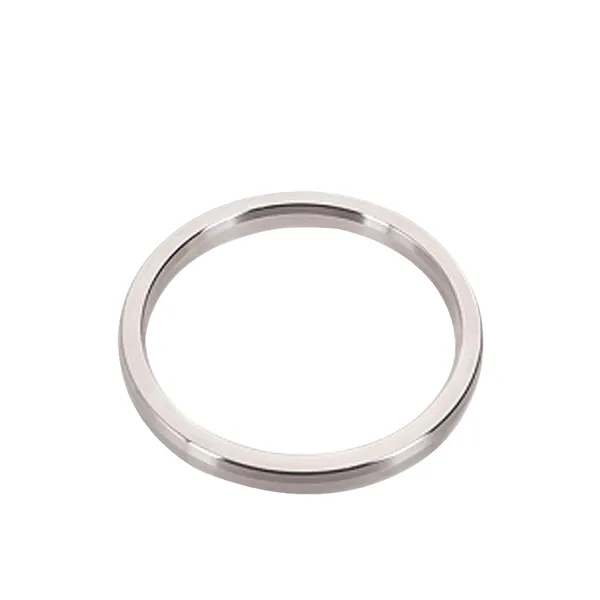
304 Stainless Steel Oval Metal Ring Gasket RJ Flange Oval Gasket High Pressure and High Temperature Resistant Sealing WasherNegotiableMOQ: 10 Units
-
PTFE Gasket, Polytetrafluoroethylene Sealing Gasket, White Teflon Flat Gasket, High Temperature and Acid/alkali Resistant Industrial Flange WasherNegotiableMOQ: 25 Units
-
Elastic Expanded PTFE Gasket Soft Teflon Gasket Pipe Flange Sealing Gasket High and Low Temperature Corrosion Resistant Ready Stock Custom MadeNegotiableMOQ: 25 Units
-
Metal Lens Gasket, No-hole and With-hole Lens Gasket, High-pressure Angle Valve Hydrogen Pipeline Flange Sealing Gasket Custom-madeNegotiableMOQ: 25 Units
-
Metal Serrated Gasket | Wave Profile Composite Gasket for High Temperature and High Pressure Flange SealingNegotiableMOQ: 100 Blades
-
High Temperature and High Pressure Octagonal Ring Joint Gasket Oval Flange Gasket Carbon Steel 304 316 Stainless SteelNegotiableMOQ: 1 Unit