 Business License

Comprehensive Analysis of Industrial Rubber Sheets: Materials, Performance, Selection Tips
In numerous fields such as industrial production, equipment maintenance, engineering construction, and power operation and maintenance, rubber sheets are indispensable basic sealing and protective consumables A seemingly ordinary piece of rubber actually performs five core functions: sealing and leak prevention, shock absorption and noise reduction, anti-slip protection, insulation and heat resistance, and corrosion and weather resistance. Many only consider thickness and price when purchasing, ignoring material compatibility, which ultimately leads to issues such as cracking, swelling, electrical leakage, and seepage. This not only increases replacement costs but may also affect operational safety of the equipment. This article provides a detailed breakdown of the mainstream materials, core advantages, applicable scenarios, and selection pitfalls of industrial rubber sheets, helping you accurately match working and choose durable, compatible, and cost-effective rubber sheets.
I. What is Industrial Rubber Sheet? Overview of Core Functions Industrial rubber sheets are solid rubber rolls/sheets made from natural and synthetic rubber core raw materials, combined with additives such as reinforcing agents and antioxidants, and formed through intensive mixing, calendering, and high-temperature vulcanization. With a dense texture, excellent, and high aging resistance, they can be freely cut, punched, and stamped into irregular gaskets, making them highly versatile industrial consumables. Five Core Practical Functions: - Se and Leak Prevention: Suitable for flanges, valves, pipelines, and equipment interfaces to seal water, oil, steam, and acid-base media, preventing leaks. - Vibration D and Noise Reduction: Laid under machine tools, outdoor equipment, and pump bodies to buffer vibrations and reduce operating noise. - Anti-slip Protection: Patterned rubber sheets are suitable for, garage, and power distribution room floors, providing anti-slip, wear-resistant, moisture-proof, and dust-proof properties. - Insulation Safety: Specialized insulating sheets block electric currents, suitable for high-voltage power scenarios to avoid the risk of electric shock. - Corrosion and Weather Resistance: Special materials can resist UV rays, acid- corrosion, and alternating high and low temperatures, making them suitable for outdoor and harsh chemical working conditions.
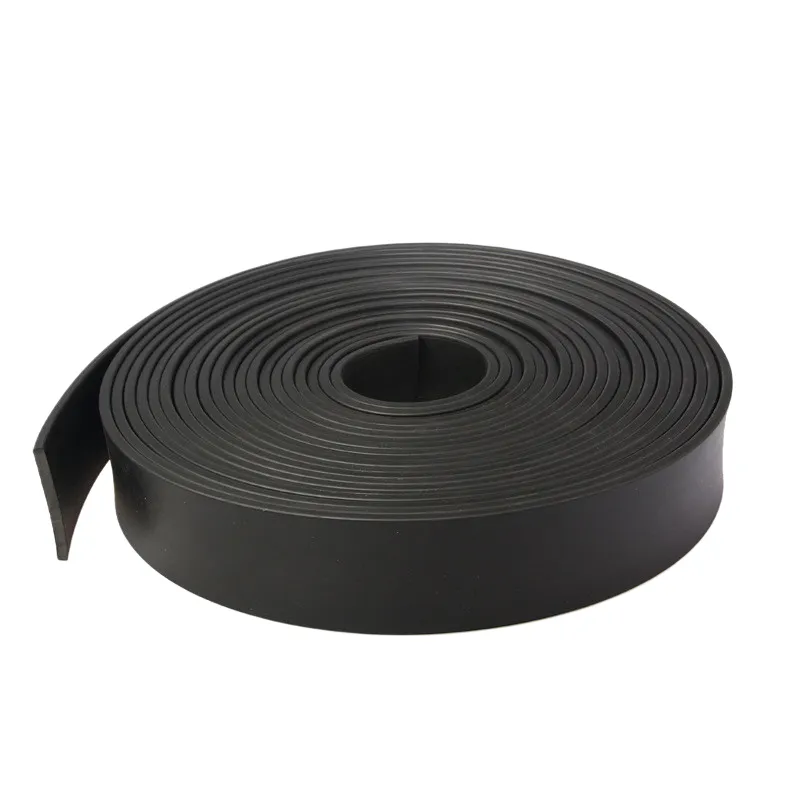
II. Comparison of Mainstream Rubber Sheet Materials (Core Selection Guide) The performance differences of sheets primarily depend on the material. Different materials vary significantly in temperature resistance, oil resistance, corrosion resistance, and weather resistance. Accurate selection is key to durability. 1. Natural Rubber (NR) —— General-purpose, high elasticity, cost-effective option Natural rubber sheets offer excellent elasticity, rapid rebound, wear and tear resistance, and superior shock absorption. With mechanical properties and an affordable price, it is the most basic general-purpose rubber sheet. It has excellent low-temperature performance, suitable for -30°C environments, but is resistant to mineral oils like engine oil and diesel, and is prone to aging and cracking under long-term outdoor sun exposure. Applications: General equipment sealing, machine tool shock absorption workshop floor matting, truck bed anti-slip, conventional buffer gasket manufacturing. 2. Nitrile Rubber Sheet (NBR) —— Specialized best-seller for oil-resistant conditionsThe most commonly used oil-resistant rubber material in industry, specializing in resistance to engine oil, diesel, hydraulic oil, and lubricating oil. It effectively prevents rubber swelling, deformation, and damage It features outstanding wear resistance and a stable temperature range of -30°C to 120°C, making it suitable for various oily working conditions. The downside is average resistance, making it unsuitable for long-term outdoor sun exposure and strong acid/alkali environments. Applications: Auto repair equipment, oil pump and pipeline sealing, oil depot floor, hydraulic equipment gaskets, mechanical oily condition sealing. 3. Ethylene Propylene Diene Monomer Rubber Sheet (EPDM) —— Top choice for outdoor weatherproofing and waterproofingThe biggest advantage of EPDM rubber sheets is their resistance to UV rays, ozone, aging, steam, and weak acids/alkalis. They are unaffected by wind, sun, rain, snow erosion, offering excellent waterproofing. They do not easily crack or harden in alternating hot and cold environments, providing an extremely long service life for long-term outdoor use, but they are resistant to mineral oils. They have a stable temperature range of -50°C to 150°C, suitable for highly variable temperature environments. Applications: Outdoor equipment, bridge expansion joints, roof waterproofing, cold storage equipment, cooling towers, door and window sealing, HVAC equipment. 4. High-Voltage Insulating Rubber Sheet —— Specialized for power security specifically for power scenarios, it meets insulation standards, is moisture-proof and flame-retardant, and is anti-slip and wear-resistant. It poses no electrical conductivity hazards and matches power safety inspection standards. Voltage resistance levels are categorized by thickness: 3mm for 5kV, 5mm for 10kV, 8mm for 2, and 10mm for 35kV, making it an essential safety consumable for power distribution rooms. Applications: Power distribution rooms, substations, high-voltage switchgear, floor laying power maintenance operations. 5. Fluoroelastomer Rubber Sheet (FKM) —— High-end option for high temperature and strong corrosion A high-end industrial sealing material with comprehensive performance. It withstand high temperatures from -30°C to 250°C for long periods, and short-term temperatures up to 300°C. Simultaneously, is resistant to strong acids, strong alkalis, organic solvents, and various fuels and lubricating oils. It has extremely strong chemical stability, is not easily corroded, aged, or deformed, is suitable for all kinds of extreme working conditions. The only downside is the relatively high price. Applications: Chemical equipment, high-temperature oil pipelines, pharmaceutical equipment, precision instruments, media sealing scenarios. 6. Silicone Rubber Sheet —— Food-grade, specialized for high and low temperatures Non-toxic, odorless, safe, and environmentally friendly. It has good and breathability, and excellent high and low temperature resistance (-60°C to 200°C), making it suitable for food and medical cleanroom scenarios. The downside is poor wear and oil resistance, making it unsuitable for heavy-duty or oily working conditions. Applications: Food machinery sealing, household appliance buffering, laboratory gaskets, ovens, bathroom waterproofing sealing.
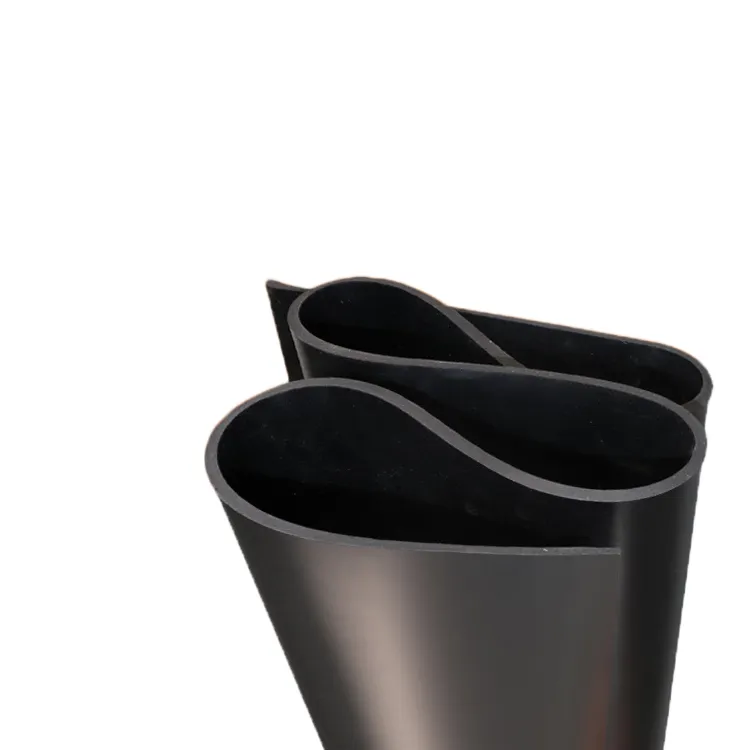
III. Core Classification of Rubber Sheet Styles In addition to material differences, different styles cater to different usage needs. Choose according your requirements for better cost-effectiveness: - Smooth Rubber Sheet: The surface is flat and dense, offering high fit and good airtightness. Primarily used for sealing, it is for making various flanges and equipment sealing gaskets. - Patterned Rubber Sheet: Features anti-slip textures such as willow leaf, dot, and stripe patterns to increase friction. Primarily for floor anti-slip and wear-resistant protection. - Fabric-Reinforced Rubber Sheet: Includes an internal fiber reinforcement layer, significantly improving tensile strength, tear resistance, and resistance. Suitable for high-pressure and heavy-duty equipment. - Self-Adhesive Rubber Sheet: Comes with strong adhesive backing, requiring no drilling or fixing. Easy to, it is suitable for small-scale vibration damping and gap sealing scenarios.
IV. Common Specifications and Processing Advantages The mainstream width of rubber sheet rolls on the market is meter, with a full range of thicknesses covering regular specifications such as 1mm, 2mm, 3mm, 5mm, 8mm, 10, 15mm, and 20mm. This meets different needs such as thin gaskets, thick cushioning, and floor paving. Flexible processing supported: Manual cutting, cutting, punching, and stamping of circular, square, and irregular gaskets are available. Non-standard size customization is supported, with both 1-meter cut-to-size full-roll wholesale options available, catering to various needs such as personal repairs and factory bulk purchases.

V. Selection Tips to Avoid Pitfalls (Must-read for Beginners)Many equipment leaks and rubber damage are caused by incorrect selection. Remember these 4 core principles to avoid pitfalls: 1. For oily working conditions, choose Nitrile: When in contact engine oil, diesel, or hydraulic oil, prioritize NBR nitrile rubber sheets. Ordinary natural rubber sheets will swell and damage when exposed to oil. 2. For outdoor exposure, EPDM: For long-term exposure to sunlight, rain, and steam environments, choose the weather-resistant EPDM type, which is anti-aging and crack-resistant.3. For electrical scenarios, choose dedicated insulation sheets: Strictly match the thickness according to the voltage. Never use ordinary rubber sheets as substitutes to ensure electrical safety. 4. For and high temperatures, choose Fluororubber: For chemical, high-temperature, and strongly corrosive working conditions, prioritize FKM fluororubber sheets, whose durability far exceeds that of materials.
VI. Summary Rubber sheets may seem simple, but they are highly cost-effective basic consumables in industrial operation and maintenance as well as engineering construction. There is "one-size-fits-all" rubber sheet, only those adapted to specific working conditions: natural rubber for general shock absorption, nitrile rubber for oil sealing, EPDM for outdoor resistance, insulating types for power security, fluororubber for extreme conditions, and silicone rubber for cleanroom environments. Precisely matching the material, thickness, and style can not only prevent such as leakage, electrical leakage, and aging damage, but also significantly reduce subsequent replacement costs, serving as a key guarantee for stable equipment operation and site safety protection

Recently Posted
-
O-ring: The "Invisible Contract" of Industrial Sealing and the Philosophy of Working Conditions
August 7, 2026In the vast and complex system of industrial equipment, people often marvel at the meshing of precision gears or the pressurebeari Read More
 -
Nano-aerogel felt: "Super insulation" breaking thermodynamic limits and industrial reshaping
August 7, 2026Under the grand narrative of the global energy structure transition and the "dual carbon" goals, energy conservation and Read More
 -
Aluminum Gaskets: The "Flexible Contract" in Industrial Connections
August 5, 2026In industrial systems such as mechanical manufacturing, petrochemicals, electronics, and aerospace, aluminum gaskets/washers, as f Read More
 -
Qingke Paper: The "Paper Armor" and Insulation Philosophy in the Electronics and New Energy Sectors
August 5, 2026Inside new energy batteries, precision motors, and various electronic and electrical devices, countless tiny components are hidden Read More

Contact Us
Recommended Products
-
 Colored Silicone Flat Washer FF Full Surface With Water Line Silicone Pad High Temperature Resistant 230℃ Valve Pipe Sealing GasketNegotiableMOQ: 100 Blades
 -
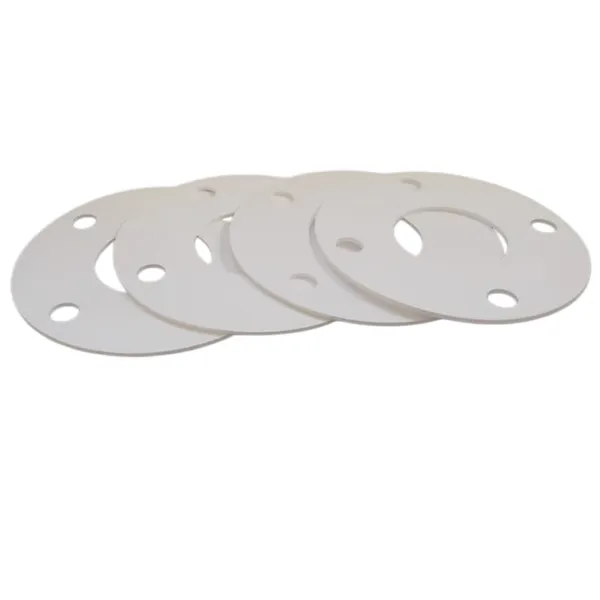
PTFE Gasket With Holes, National Standard Flange Multi-hole PTFE Sealing GasketNegotiableMOQ: 100 Blades
-
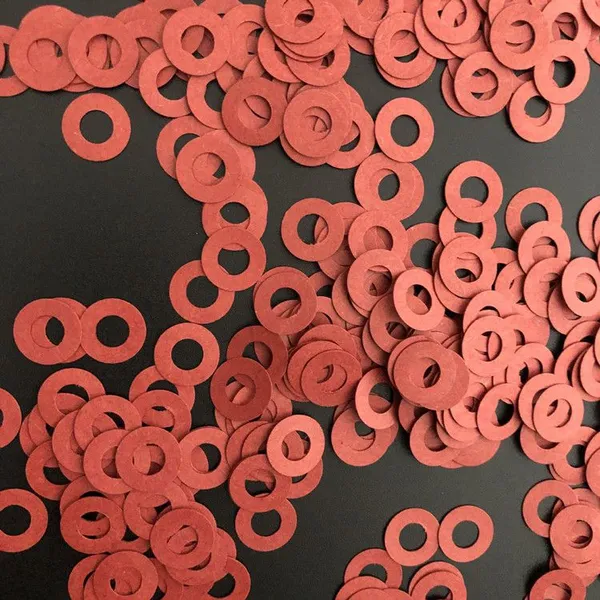
Red Steel Paper Gasket Insulation Flat Washer Red Mica Quick Connector Paper WasherNegotiableMOQ: 100 Blades
-
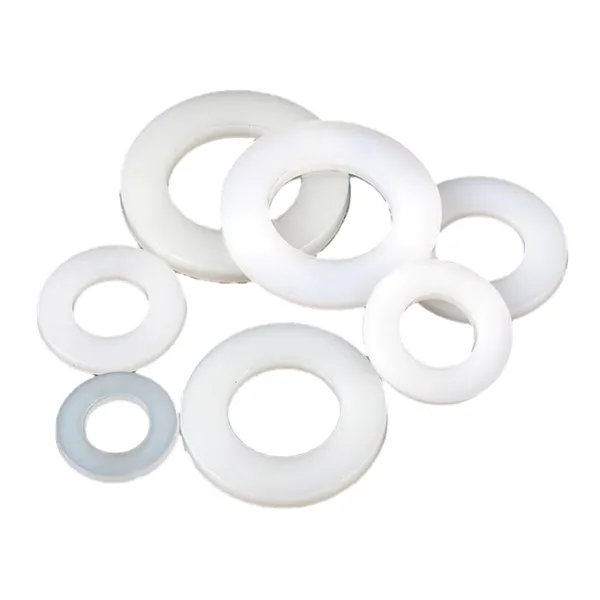
Nylon Washer Black Plastic Flat Washer Insulating Shock-absorbing Wear-resistant Self-lubricatingNegotiableMOQ: 100 Blades
-
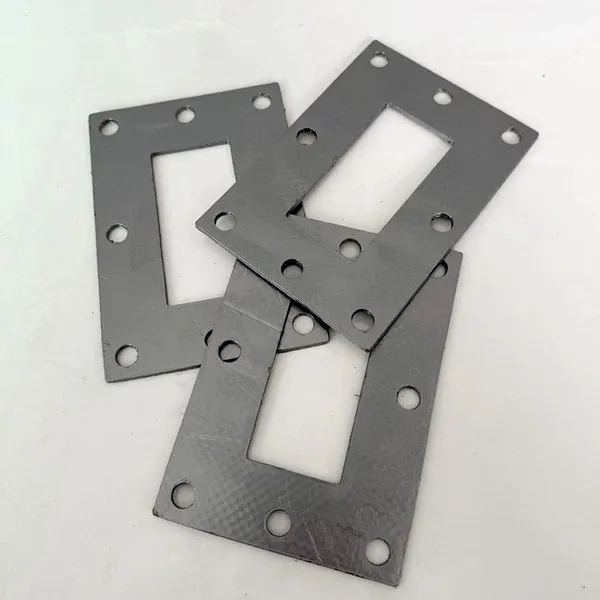
Perforated Graphite Composite Gasket 304 Stainless Steel Reinforced High Temperature and High Pressure Flange Gasket Boiler SteamNegotiableMOQ: 100 Blades
-
PTFE Filter Gasket With Stainless Steel Mesh; PTFE Filter Sealing Gasket With Stainless Steel MeshNegotiableMOQ: 100 Blades
-
Metal Reinforced PTFE PTFE Gasket Chemical Corrosion Resistant GasketNegotiableMOQ: 100 Blades
-
Reinforced Metal Winding Gasket 304 Stainless Steel Flange Sealing GasketNegotiableMOQ: 100 Blades
-
Filter Mesh Winding Gasket 304 Stainless Steel Inner and Outer Ring GasketNegotiableMOQ: 100 Blades
-
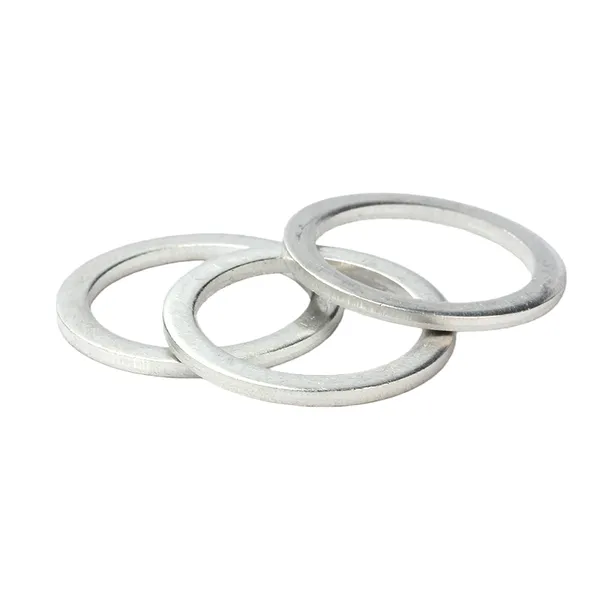
Pure Aluminum Gasket Soft Aluminum Flat Washer 0.1-3mm High Temperature Resistant Sealing Aluminum WasherNegotiableMOQ: 100 Blades
-
Metal Octagonal Ring Gasket Oval Gasket 304/316L Stainless Steel Metal Ring Gasket RJ Flange GasketNegotiableMOQ: 100 Blades
-
Basic Metal Spiral Wound Gasket 304 Graphite Spiral Wound Gasket Tongue and Groove FlangeNegotiableMOQ: 100 Blades
-
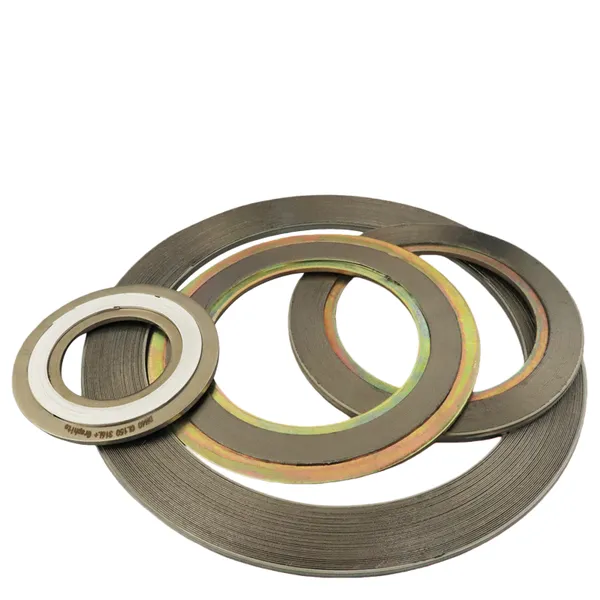
Metal Graphite Spiral Wound Gasket High Temperature Flange Pipe Sealing GasketNegotiableMOQ: 50 Blades
-
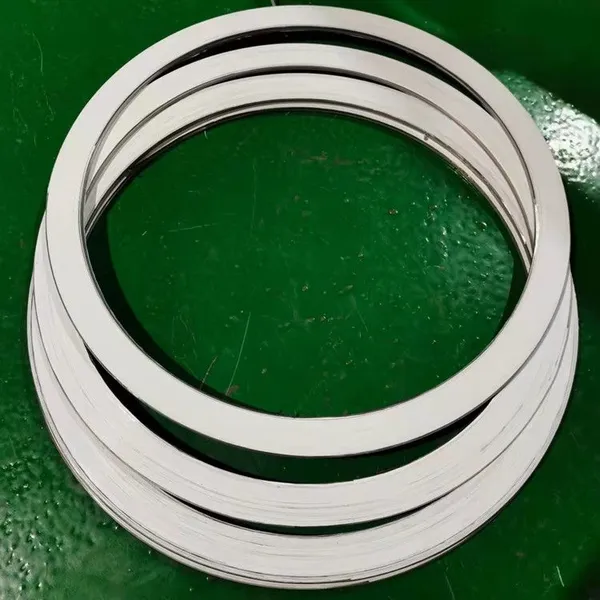
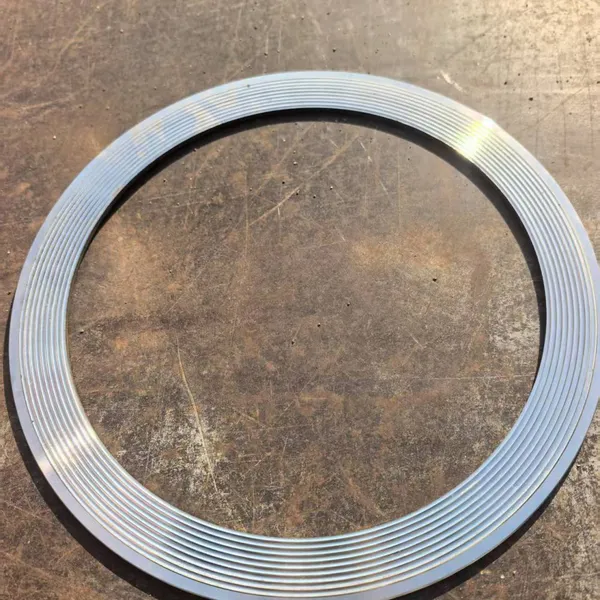
Stainless Steel Flexible Graphite Corrugated Composite Gasket Irregular Thick Reinforced High Temperature and High Pressure Sealing GasketNegotiableMOQ: 100 Blades
-
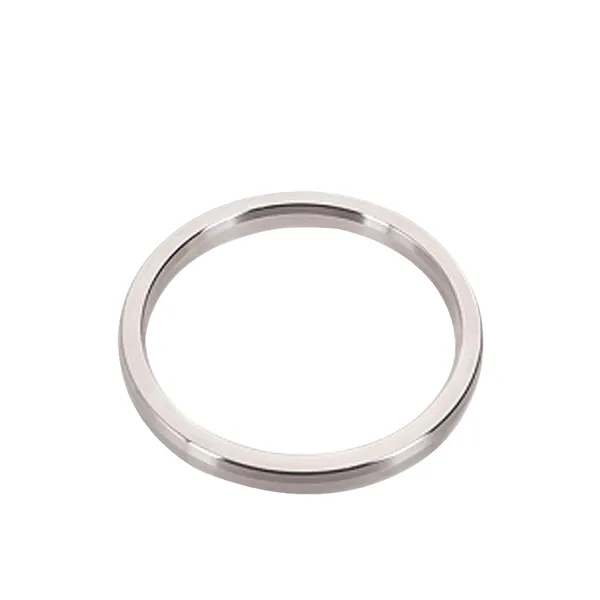
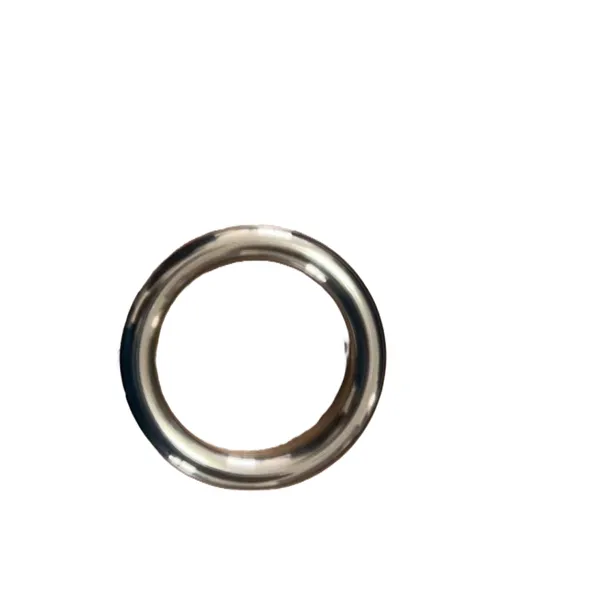
304 Stainless Steel Oval Metal Ring Gasket RJ Flange Oval Gasket High Pressure and High Temperature Resistant Sealing WasherNegotiableMOQ: 10 Units
-
PTFE Gasket, Polytetrafluoroethylene Sealing Gasket, White Teflon Flat Gasket, High Temperature and Acid/alkali Resistant Industrial Flange WasherNegotiableMOQ: 25 Units
-
Elastic Expanded PTFE Gasket Soft Teflon Gasket Pipe Flange Sealing Gasket High and Low Temperature Corrosion Resistant Ready Stock Custom MadeNegotiableMOQ: 25 Units
-
Metal Lens Gasket, No-hole and With-hole Lens Gasket, High-pressure Angle Valve Hydrogen Pipeline Flange Sealing Gasket Custom-madeNegotiableMOQ: 25 Units
-
Metal Serrated Gasket | Wave Profile Composite Gasket for High Temperature and High Pressure Flange SealingNegotiableMOQ: 100 Blades
-
High Temperature and High Pressure Octagonal Ring Joint Gasket Oval Flange Gasket Carbon Steel 304 316 Stainless SteelNegotiableMOQ: 1 Unit