 Business License

What is a metal spiral wound gasket? A comprehensive analysis of universal industrial pipe sealing
In chemical engineering, thermal power, power plants, petroleum, pressure vessels, and piping engineering, the vast majority of leakage failures stem the failure of small flange gaskets. Ordinary rubber gaskets are not resistant to high temperatures, PTFE gaskets are not resistant to high pressure, and pure metal gaskets have relatively hard sealing properties., with its composite structure of "metal skeleton flexible filler," the metal-jacketed gasket balances elasticity, sealing, and resistance to high pressure and high temperature. It is currently most widely used and versatile sealing gasket for medium-to-high pressure and high-temperature piping applications, known as the "universal gasket" in the industrial sealing industry.
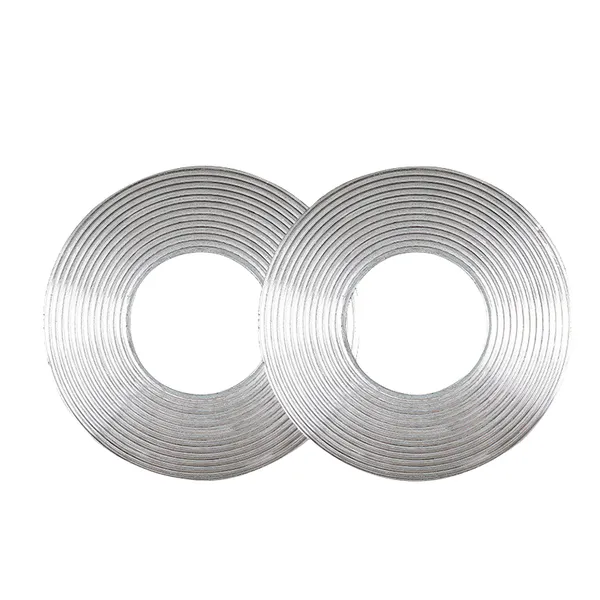
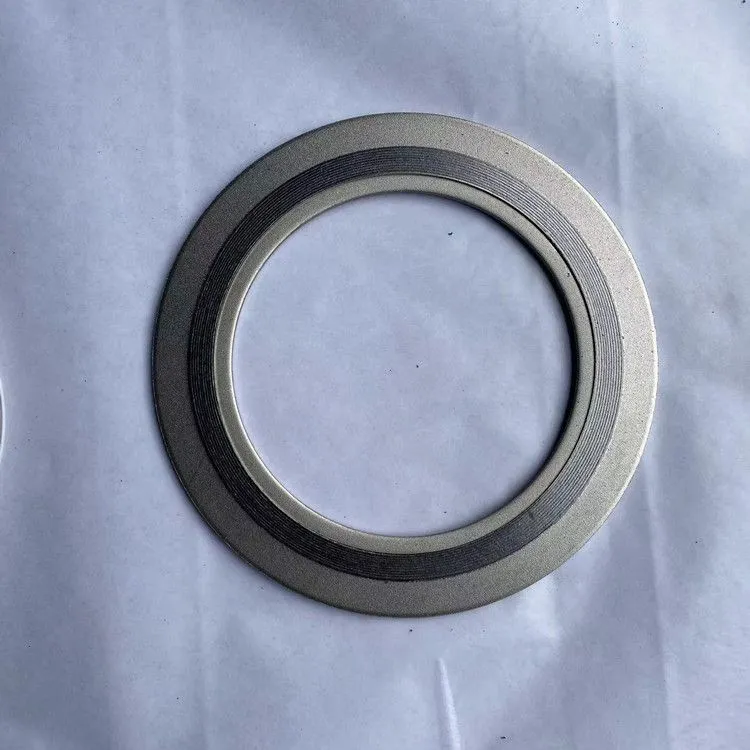
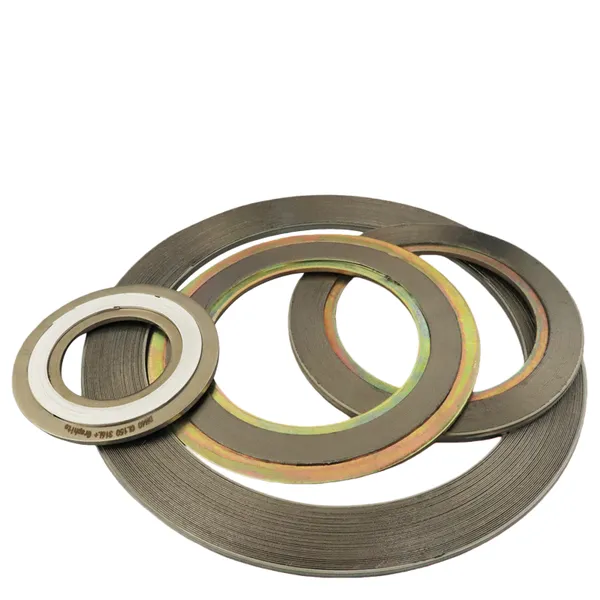
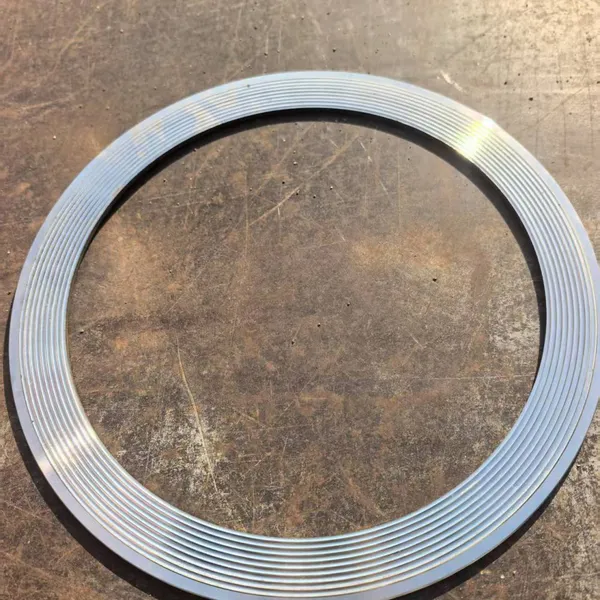
I What is a metal-jacketed gasket? A metal-jacketed gasket (full name: metal-wound gasket) is a semi-metal composite sealing gasket made by alternatelyally winding a metal strip and a flexible filler strip, and then precisely compressing them. Common structures are divided into four types: basic type, inner ring type, outer ring type, inner/outer ring type. The metal part provides strength and pressure-resistant support, while the flexible filler is responsible for filling gaps and providing resilient sealing, perfectly solving the problems of traditional gaskets being "too hard and leaking air, or too soft and not pressure-resistant." The product complies with the national standard GB/T 4622 is widely adapted for sealing flanges, valves, heat exchangers, pressure vessels, steam pipelines, and chemical piping.
II. Sealing principle of metal-jacketed gaskets Metaljacketed gaskets belong to elastic resilient sealing: 1. After bolt pre-tightening, the flexible graphite/PTFE filler is compressed, filling the tiny pits and scratches on flange sealing surface to achieve a tight seal; 2. The metal steel strip supports the overall structure, preventing the gasket from being flattened or extruded by high pressure; 3. the equipment experiences temperature rise, pressure rise, vibration, or thermal expansion and contraction, the gasket possesses good resilient compensation, always maintaining a tight fit and making it difficult for thermal relaxation to occur. Simply put: the metal ensures strength, the filler ensures sealing, and the resilience prevents leakage, which is the core reason for its durability and leak-proof performance
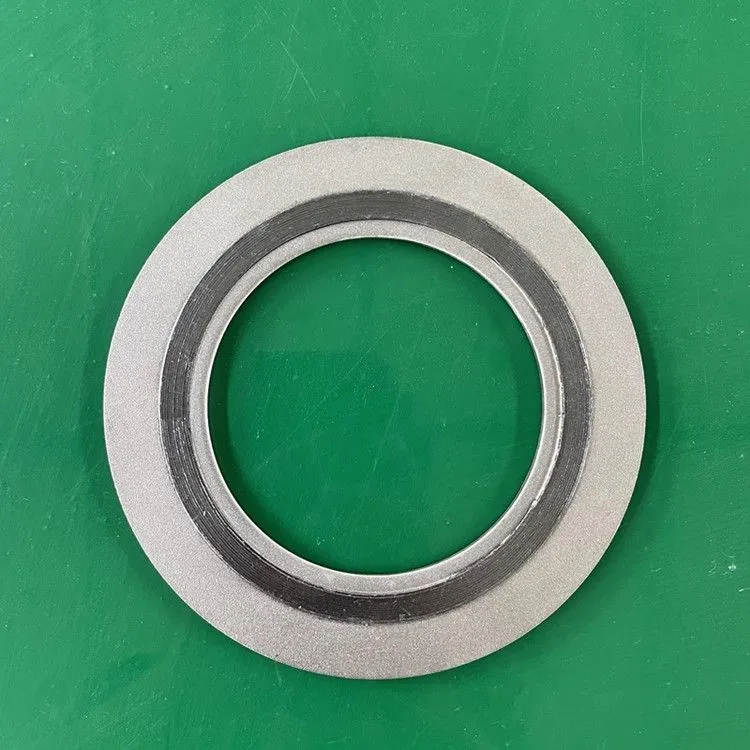
III. Common Material Combinations and Selection Differences Different material combinations correspond to completely different temperature, corrosion resistance, and pressure conditions, making selection critical. 1. Carbon Steel Graphite Winding Gasket (Ordinary High-Temperature Conditions) Highest cost-performance ratio, good elasticity, and high-temperature resistance Suitable for thermal pipelines, steam pipelines, and ordinary boiler equipment. It is the most widely used model in power plants and heating engineering. 2. 304 Stainless Steel Winding Gasket (Universal Best-Seller) Rust-proof, high-temperature resistant, and oxidation-resistant. Compatible with most oil, chemical, thermal, and municipal. Temperature resistance up to 450°C, offering the strongest versatility. 3. 316L Stainless Steel Graphite Winding Gasket (Corrosion Upgrade) Acid and alkali resistant, corrosion resistant, and resistant to medium erosion. Suitable for corrosive chemical pipelines, sewage equipment, salt spray environments, and fine chemical plants. 4. Steel PTFE Winding Gasket (Strong Corrosion, Pure White and Clean) PTFE-filled, resistant to strong acids and alkalis, and does not contaminate the medium Suitable for pharmaceutical, food, pure water, and strongly corrosive chemical conditions. IV. How to Choose Among the Four Structural Types? - Basic Type (No Ring): Mostly for raised-face flanges and small valves, low cost - With Inner Ring: Prevents gasket inward collapse and medium erosion, the preferred choice for high-pressure pipelines - Outer Ring: Precise positioning and prevents installation misalignment, universal for ordinary slip-on flanges - With Inner and Outer Rings: Positioning anti-erosion anti-extrusion, configuration for high-pressure, high-temperature, and pressure vessels
V. Core Advantages of Metal-Wound Gaskets 1. High temperature, high pressure, and thermal shock Operates stably in the range of -200°C to 450°C, unaffected by high-temperature steam or equipment thermal cycling, and will not age melt, or fail like rubber gaskets. 2. Excellent resilience, specifically designed to fix minor flange deformation and leakage Many old equipment flanges on-site have uneven surfaces or slight. Ordinary metal gaskets will inevitably leak, but wound gaskets rely on flexible resilience to automatically compensate for gaps, providing extremely strong sealing. 3. Vibration and fatigue resistance, suitable for-term continuous production Under working conditions with pipe vibration, pressure fluctuations, and frequent start-stop cycles, they are not easily loosened or cracked, with a service life far superior to gaskets. 4. Corrosion and rust resistance, wide range of applicable media Compatible with steam, water, oil, air, weak acids, weak alkalis, and chemical media suitable for the vast majority of industrial pipelines. 5. High installation tolerance, resistant to crushing The soft-hard combined structure ensures they are not too hard to compress like pure, nor easily crushed under high pressure like soft gaskets, offering extremely high stability.
VI. Main Application Scenarios Steam pipelines in power plants, heating networks, chemical plant, heat exchangers, pressure vessels, oil pipelines, gas pipelines, boiler equipment, valve flanges, sewage treatment equipment, food and pharmaceutical pipelines, hydraulic high-pressure equipment, etc. : As long as it is a flange interface that is high-temperature, pressurized, and requires long-term leak-free operation, metal-wound gaskets are basically used. . Common Misconceptions (Must-read for engineering) 1. Mixing new and old is not recommended: During maintenance, it is recommended to replace with new ones directly. compression resilience is already consumed, and old gaskets are prone to rework and leakage. 2. Excessive tightening is prohibited: Wound gaskets rely on resilience for sealing. Over-tightening collapse the graphite layer, actually causing air and water leaks. 3. Flange unevenness cannot be compensated: Flanges with severe corrosion or pitting must be repaired; otherwise, the best gaskets cannot maintain a long-term seal.
VIII. Summary The reason metal-wound gaskets have become the "evergreen" choice for industrial sealing lies in their principle: metal maintains the structure, filler ensures the seal, and resilience prevents leaks. They solve various on-site problems such as high temperature, high pressure, vibration, temperature difference and flange unevenness. With high cost-performance, wide applicability, and low replacement costs, they are the most reliable and universal sealing solution for industrial pipelines, pressure vessels, thermal chemical systems.
Recently Posted
-
O-ring: The "Invisible Contract" of Industrial Sealing and the Philosophy of Working Conditions
August 7, 2026In the vast and complex system of industrial equipment, people often marvel at the meshing of precision gears or the pressurebeari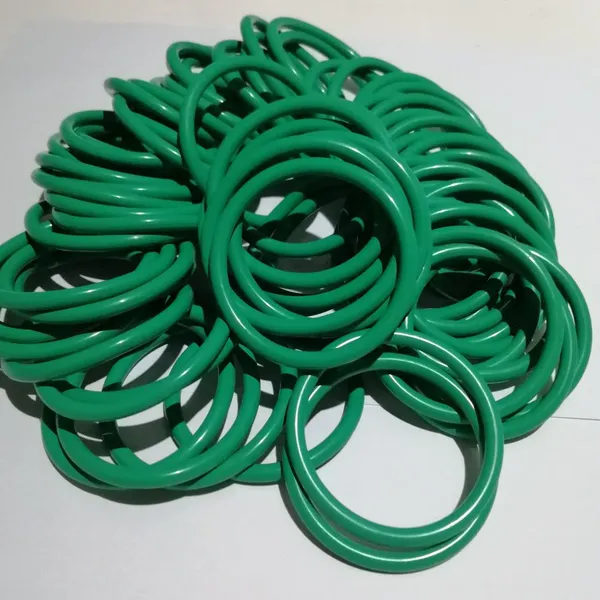 Read More
 -
Nano-aerogel felt: "Super insulation" breaking thermodynamic limits and industrial reshaping
August 7, 2026Under the grand narrative of the global energy structure transition and the "dual carbon" goals, energy conservation and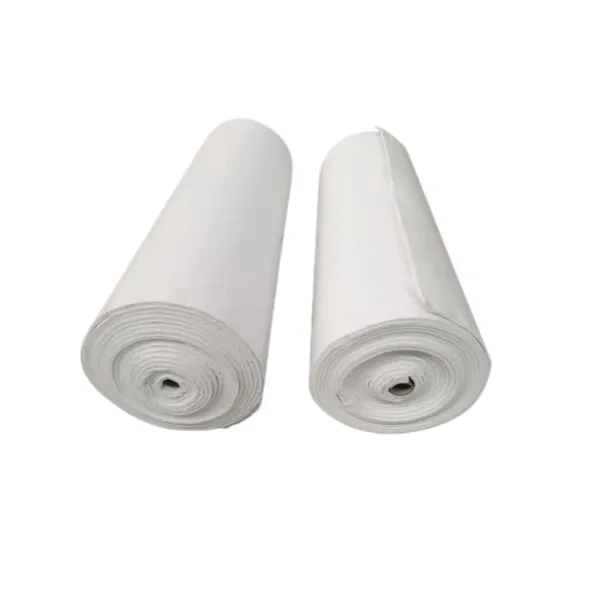 Read More
 -
Aluminum Gaskets: The "Flexible Contract" in Industrial Connections
August 5, 2026In industrial systems such as mechanical manufacturing, petrochemicals, electronics, and aerospace, aluminum gaskets/washers, as f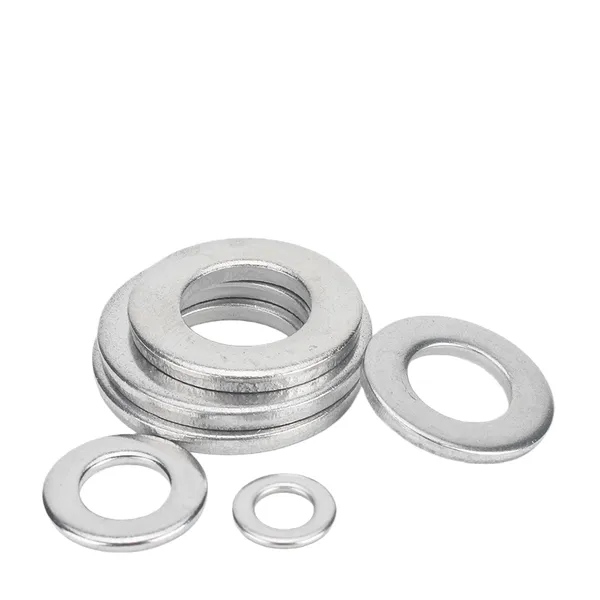 Read More
 -
Qingke Paper: The "Paper Armor" and Insulation Philosophy in the Electronics and New Energy Sectors
August 5, 2026Inside new energy batteries, precision motors, and various electronic and electrical devices, countless tiny components are hidden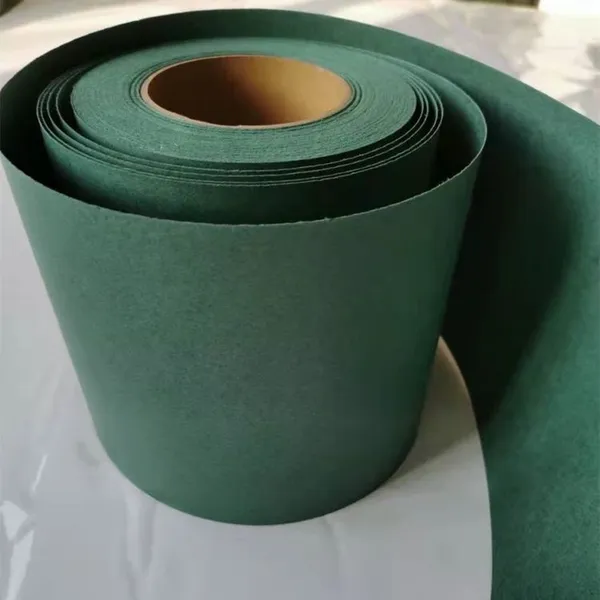 Read More

Contact Us
Recommended Products
-
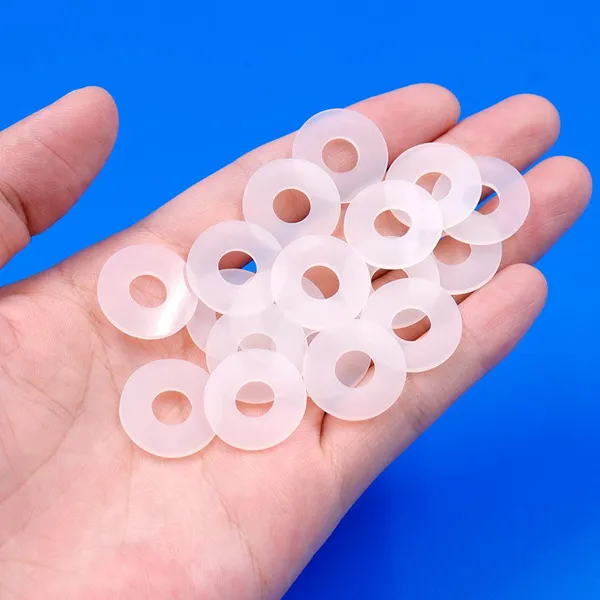
 Colored Silicone Flat Washer FF Full Surface With Water Line Silicone Pad High Temperature Resistant 230℃ Valve Pipe Sealing GasketNegotiableMOQ: 100 Blades
 -
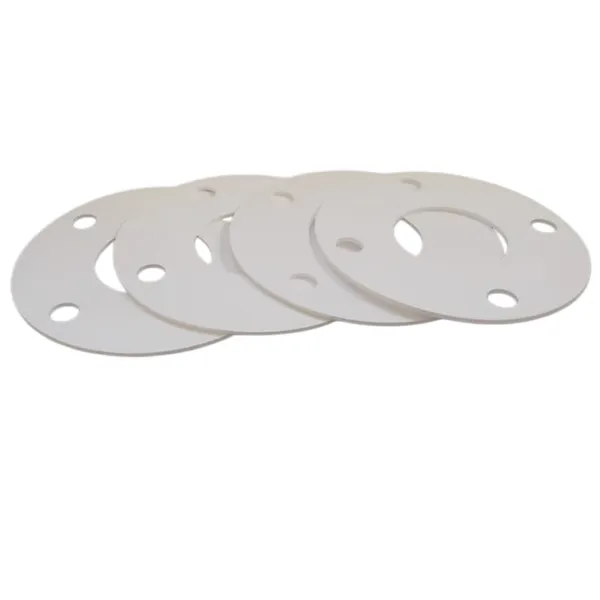
PTFE Gasket With Holes, National Standard Flange Multi-hole PTFE Sealing GasketNegotiableMOQ: 100 Blades
-
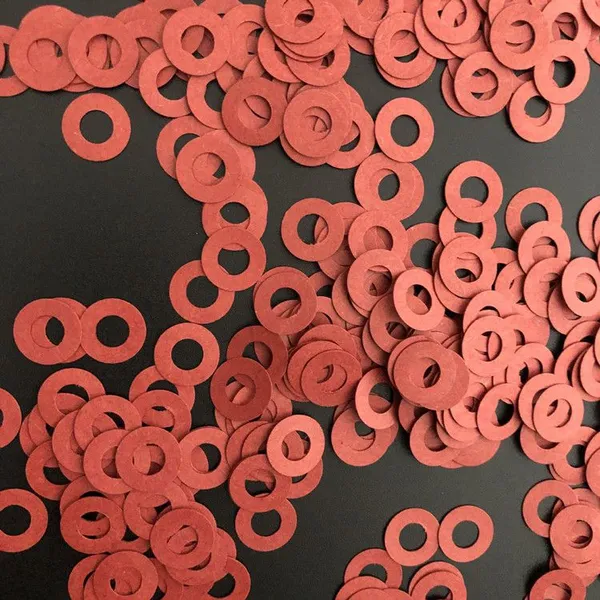
Red Steel Paper Gasket Insulation Flat Washer Red Mica Quick Connector Paper WasherNegotiableMOQ: 100 Blades
-
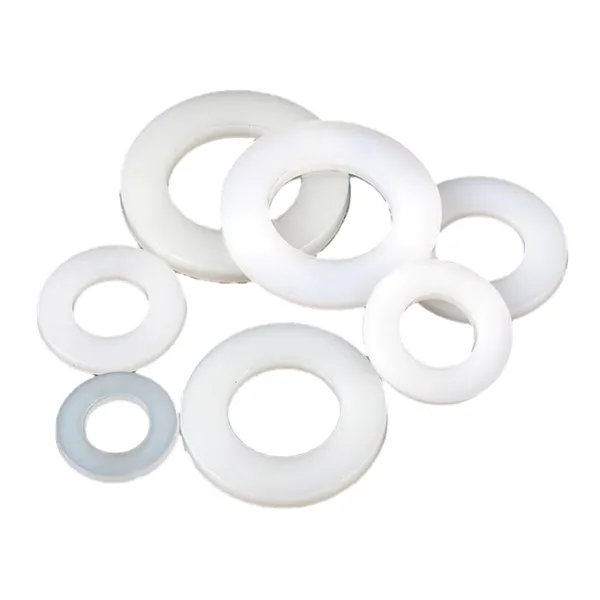
Nylon Washer Black Plastic Flat Washer Insulating Shock-absorbing Wear-resistant Self-lubricatingNegotiableMOQ: 100 Blades
-
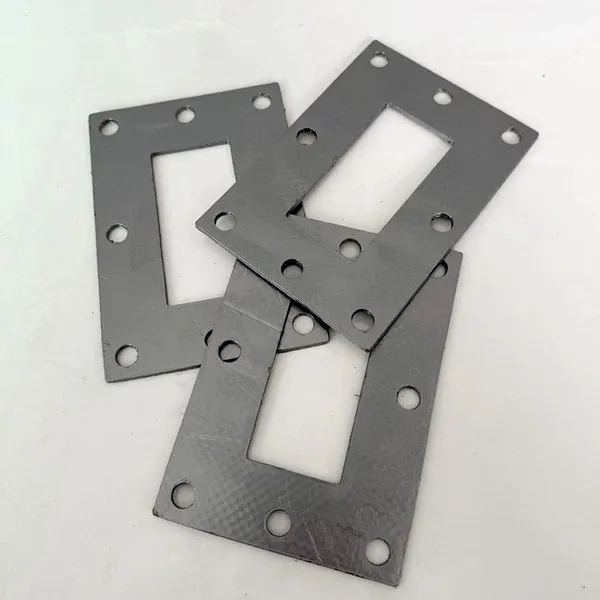
Perforated Graphite Composite Gasket 304 Stainless Steel Reinforced High Temperature and High Pressure Flange Gasket Boiler SteamNegotiableMOQ: 100 Blades
-
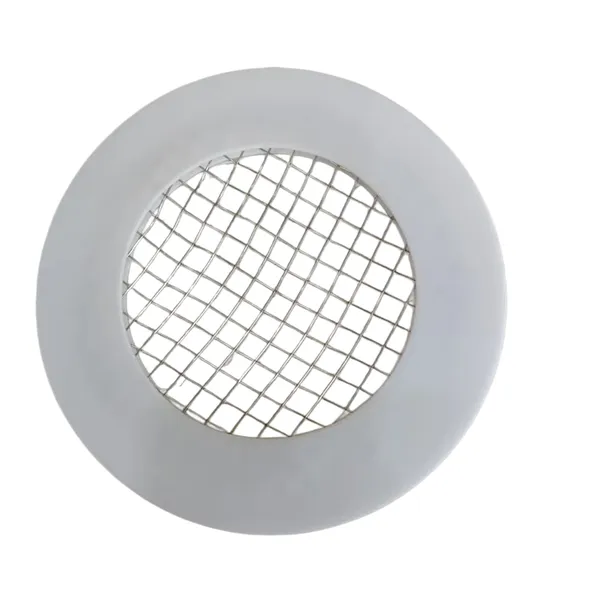
PTFE Filter Gasket With Stainless Steel Mesh; PTFE Filter Sealing Gasket With Stainless Steel MeshNegotiableMOQ: 100 Blades
-
Metal Reinforced PTFE PTFE Gasket Chemical Corrosion Resistant GasketNegotiableMOQ: 100 Blades
-
Reinforced Metal Winding Gasket 304 Stainless Steel Flange Sealing GasketNegotiableMOQ: 100 Blades
-
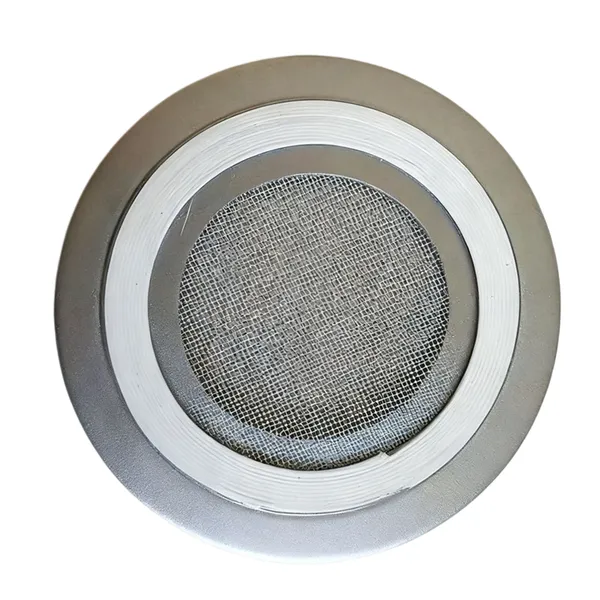
Filter Mesh Winding Gasket 304 Stainless Steel Inner and Outer Ring GasketNegotiableMOQ: 100 Blades
-
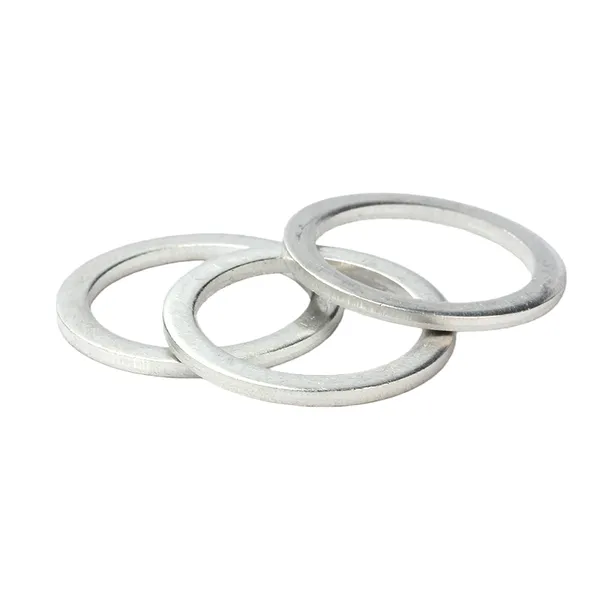
Pure Aluminum Gasket Soft Aluminum Flat Washer 0.1-3mm High Temperature Resistant Sealing Aluminum WasherNegotiableMOQ: 100 Blades
-
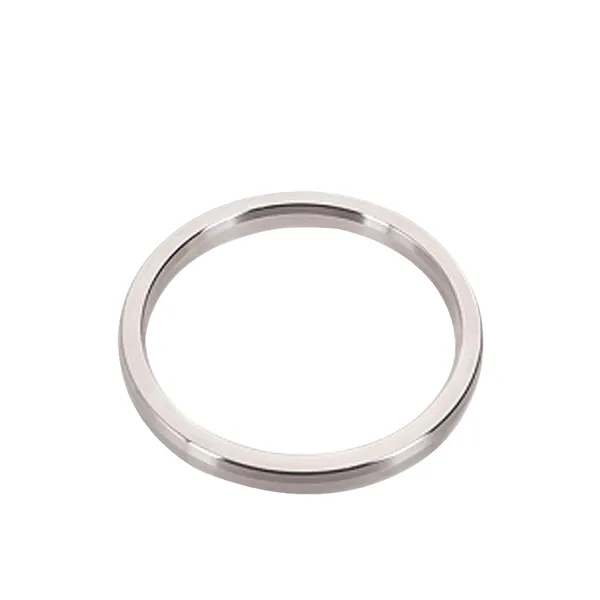
Metal Octagonal Ring Gasket Oval Gasket 304/316L Stainless Steel Metal Ring Gasket RJ Flange GasketNegotiableMOQ: 100 Blades
-
Basic Metal Spiral Wound Gasket 304 Graphite Spiral Wound Gasket Tongue and Groove FlangeNegotiableMOQ: 100 Blades
-
Metal Graphite Spiral Wound Gasket High Temperature Flange Pipe Sealing GasketNegotiableMOQ: 50 Blades
-
Stainless Steel Flexible Graphite Corrugated Composite Gasket Irregular Thick Reinforced High Temperature and High Pressure Sealing GasketNegotiableMOQ: 100 Blades
-
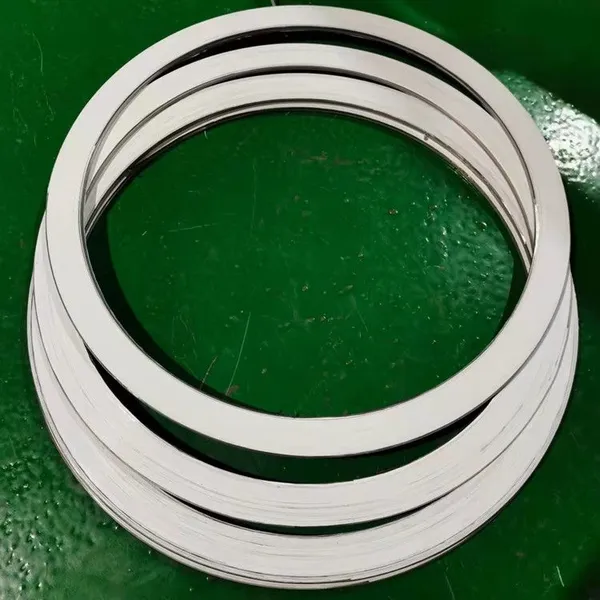
304 Stainless Steel Oval Metal Ring Gasket RJ Flange Oval Gasket High Pressure and High Temperature Resistant Sealing WasherNegotiableMOQ: 10 Units
-
PTFE Gasket, Polytetrafluoroethylene Sealing Gasket, White Teflon Flat Gasket, High Temperature and Acid/alkali Resistant Industrial Flange WasherNegotiableMOQ: 25 Units
-
Elastic Expanded PTFE Gasket Soft Teflon Gasket Pipe Flange Sealing Gasket High and Low Temperature Corrosion Resistant Ready Stock Custom MadeNegotiableMOQ: 25 Units
-
Metal Lens Gasket, No-hole and With-hole Lens Gasket, High-pressure Angle Valve Hydrogen Pipeline Flange Sealing Gasket Custom-madeNegotiableMOQ: 25 Units
-
Metal Serrated Gasket | Wave Profile Composite Gasket for High Temperature and High Pressure Flange SealingNegotiableMOQ: 100 Blades
-
High Temperature and High Pressure Octagonal Ring Joint Gasket Oval Flange Gasket Carbon Steel 304 316 Stainless SteelNegotiableMOQ: 1 Unit