 Business License

A comprehensive guide to the core advantages and selection tips of metal serrated washers
In industrial scenarios such as petrochemicals, power, metallurgy, and chemical engineering, the sealing reliability of flanges, pressure vessels, heat exchangers, and pipeline valves determines the operational safety and service life of the entire equipment set. Ordinary rubber gaskets and PTFE gaskets struggle to adapt to harsh working conditions characterized by high temperatures, high pressures, thermal, and strong corrosion, making them highly susceptible to aging, deformation, and leakage issues. In contrast, metal serrated gaskets (serrated composite gaskets), with their composite structure of a highstrength metal base and a flexible sealing coating, have become the mainstream sealing solution for harsh high-end industrial conditions, and are also one of the core components of industrial precision sealing
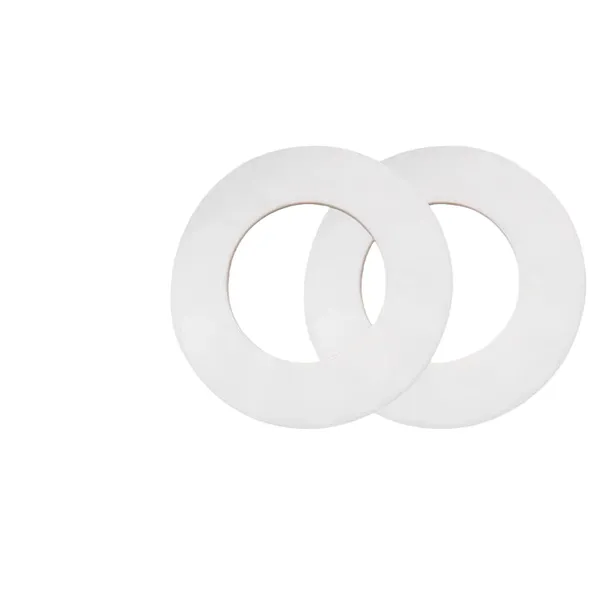
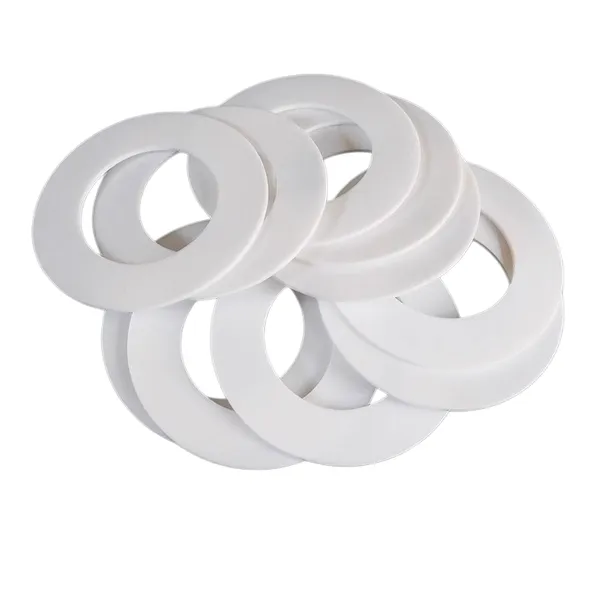
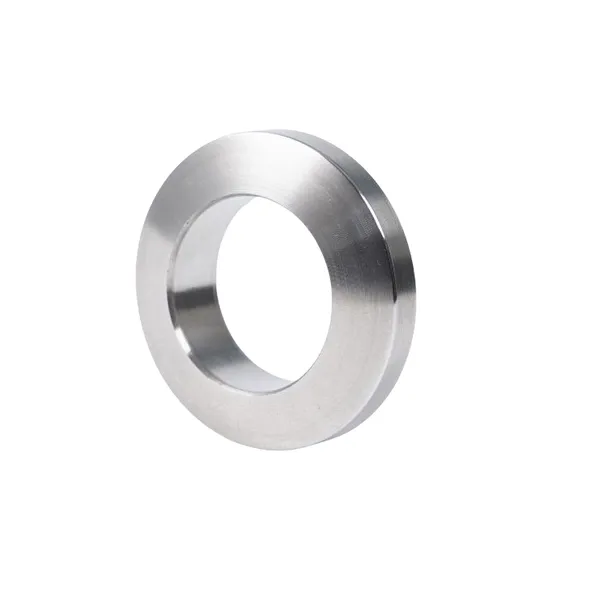
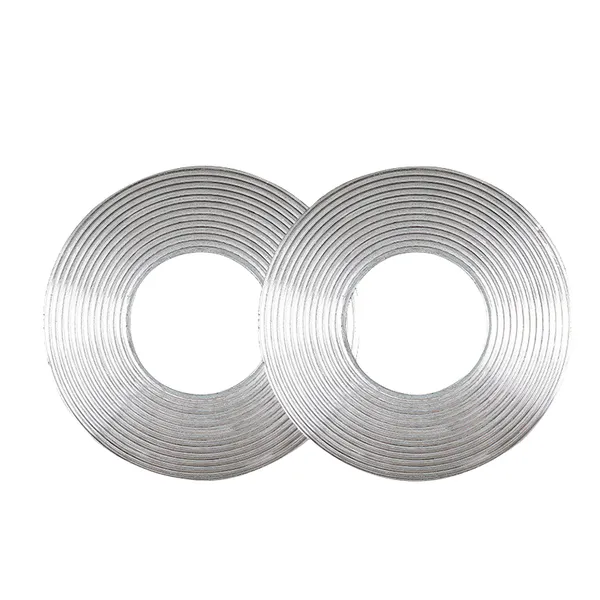
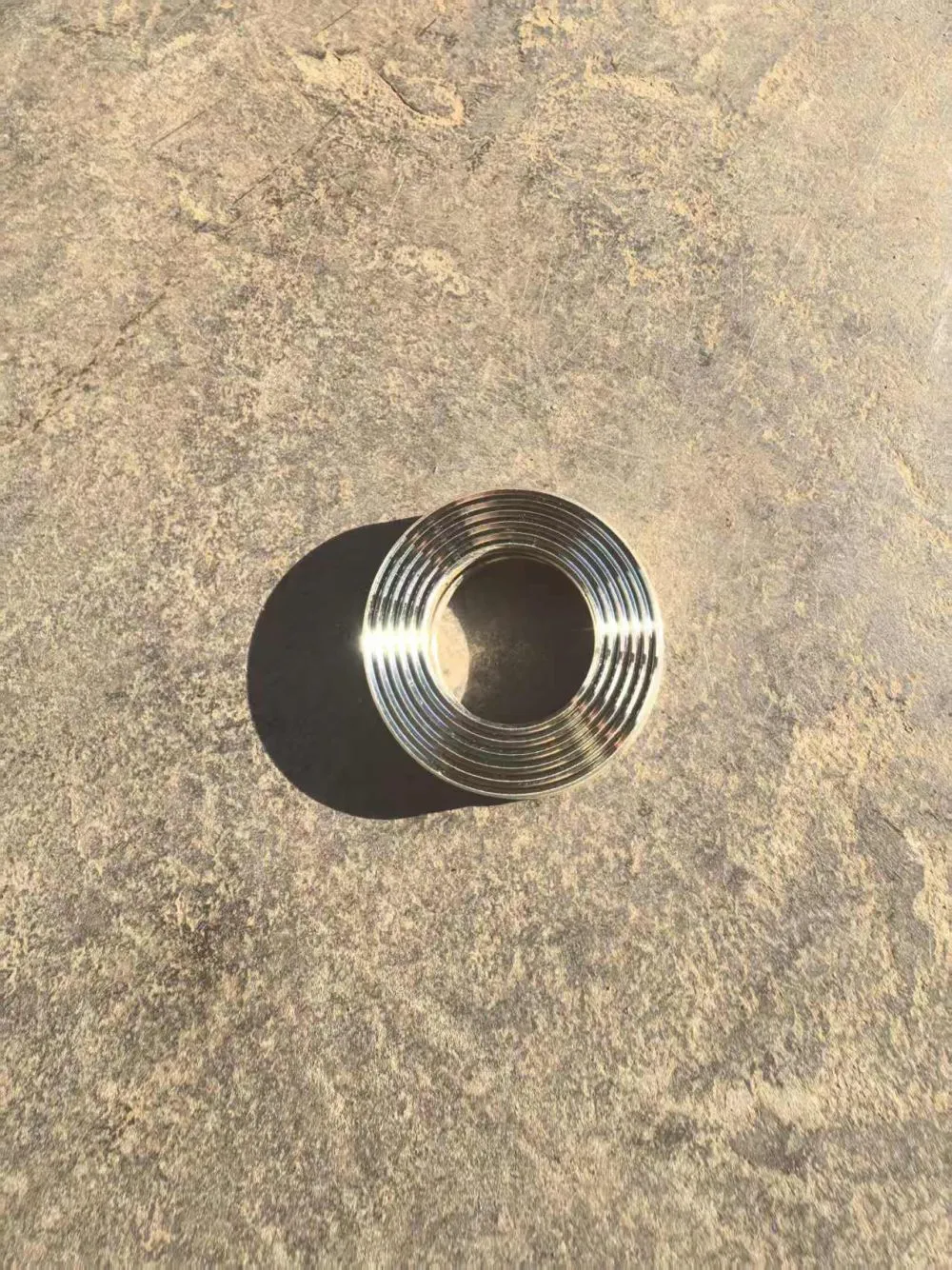
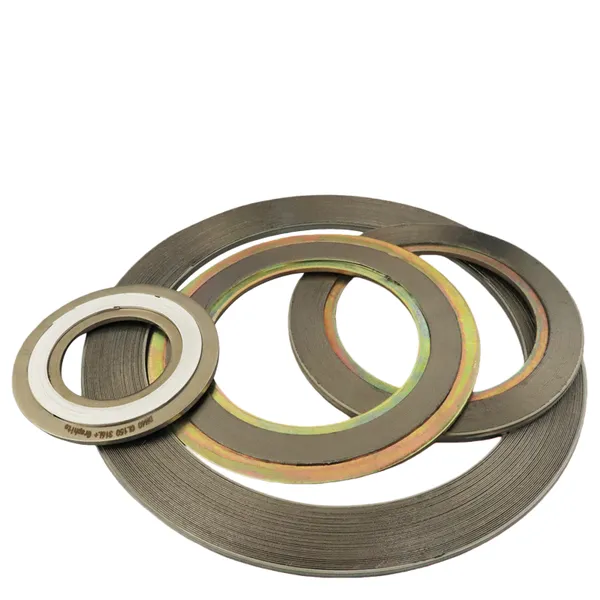
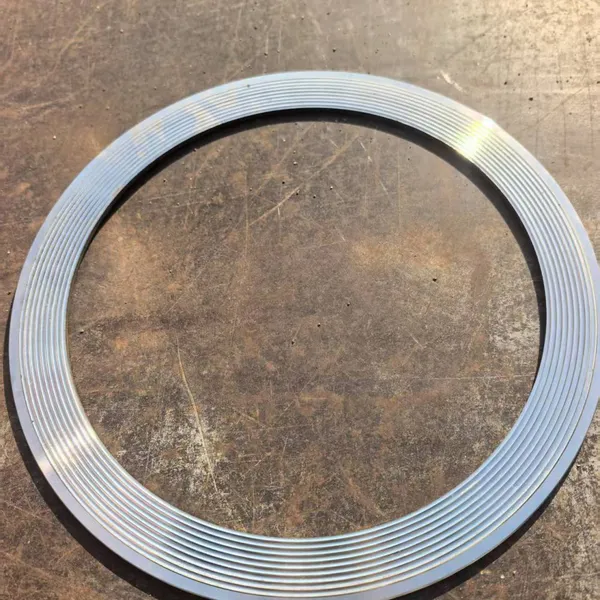
I. What is a metal serrated gasket? Core structural principle A metal serrated gasket is a semi-metal composite sealing gasket produced in accordance with the HG/T 20611-2017 national standard. The overall structure uses a solid metal ring as the base, with uniform and regular serrated grooves machined on both sides of the base using precision CNC equipment. The serration angle is precise, and the grooves are fine, burr-free, and free of stress. To balance sealing performance and pressure resistance, mainstream industry products typically composite a layer of flexible soft sealing material onto the metal serrated surface. Common materials include flexible graphite,etrafluoroethylene (PTFE), and mica, forming a dual structure of a metal skeleton for shaping and a soft material for sealing filling. Uncoated pure metal serrated gaskets are used in special working conditions with ultra-high pressure and clean, impurity-free environments. Its core sealing principle is a labyrinth-style multiple seal: when the equipment bolts tightened, the metal serrated peaks slightly embed into the flange contact surface. The multi-layered concentric circular serrations form a multiple barrier, which, combined with the filling and fitting of the surface soft material, completely blocks the medium leakage path. Compared to ordinary flat metal gaskets, its sealing precision and stability are significantly improved
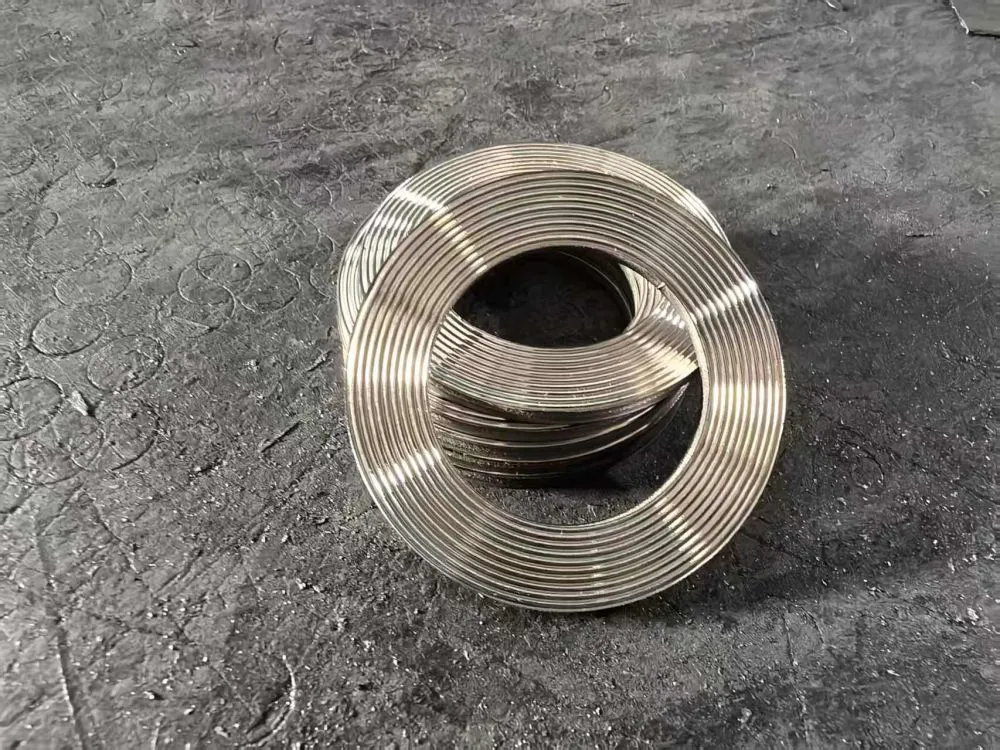
II. Mainstream Material Classification, Adapting to Different Working Conditions The performance core of metal-toothed gaskets depends on material combination of the metal substrate and the surface coating. Different combinations vary greatly in adapting to temperature, pressure, and media environments. Precise selection is essential to avoid leakage and aging failure 1. Metal Substrate Material (Determines temperature, pressure, and corrosion resistance) - 304 Stainless Steel: General-purpose basic model, good toughness, easily rusted, resistant to conventional acid and alkali corrosion, suitable for medium temperature and medium pressure working conditions, the mainstream choice for chemical industry, water heating, and ordinary pipelines, with high cost-performance ratio. - 316L Stainless Steel: Upgraded corrosion resistance, resistant to strong acids, water vapor, and intergranular corrosion, suitable for corrosive media conditions such as petrochemicals, electroplating, and sewage treatment, with a longer service life. - 2205 Duplex Steel/Inconel Alloy: High-end material, resistant to high temperature, high pressure, and strong corrosion, can handle high-temperature steam, high-pressure oil and gas, and strong acid/alkali media, widely used in power plants, large-scale refining equipment, and high-end pressure vessels. - Titanium Alloy: Ultimate corrosion resistance and lightweight, suitable for highly corrosive and high-precision working conditions, widely used in pharmaceuticals, fine chemicals, and high-end precision equipment. 2. Surface Sealing Coating Material (Determines sealing flexibility and media adaptation) Flexible Graphite Coating: Excellent high-temperature resistance (-200℃ to 650℃), good resilience and toughness, creep resistance, and strong sealing performance, suitable for hightemperature steam, hot oil, and industrial high-temperature pipelines, the most commonly used coating material. - PTFE Coating: Resistant to strong acids and alkalis, no leaching, and environmentally friendly, suitable for clean and corrosion-resistant working conditions such as food, pharmaceuticals, pure water, and fine chemicals, with outstanding low-temperature resistance. - Mica Coating:-high temperature resistance, can withstand temperatures above 800℃, suitable for extreme high-temperature scenarios such as metallurgy and high-temperature furnace auxiliary equipment
III. Six Core Advantages of Metal Serrated Gaskets, Crushing Ordinary Sealing Gaskets 1. High pressure and high temperature, extremely strong working condition adaptability Relying on the high-strength structure of the metal base, it can withstand high temperature, high pressure, and frequent alternating hot and cold conditions for a long time without easy deformation, collapse, or rupture. It perfectly solves the pain points of high-temperature aging and high-pressure puncture of ordinary non-metallic gaskets adapting to most harsh industrial environments. 2. Multiple labyrinth sealing, excellent anti-leakage effect The double-sided concentric serrations form a multi-layer labyrinth sealing structure Combined with the gap-filling capability of the soft facing, it can achieve a tight fit even if there is a slight flatness error on the flange contact surface, effectively preventing micro-age of gas and liquid media. The sealing stability far exceeds that of ordinary flat gaskets. 3. Low bolt tightening force requirement, suitable for narrow flange faces The uniqueated line contact structure achieves efficient sealing without the need for excessive bolt preload. It is suitable for narrow-face flanges and small precision equipment sealing, with low installation pressure, avoiding damage flange equipment due to over-tightening. 4. Creep and aging resistance, long service life The metal base structure is stable, not easy to loosen or creep under high. The soft facing is oxidation-resistant and corrosion-resistant, making it difficult to fail during long-term operation. It does not require frequent replacement, significantly reducing equipment operation and costs and downtime losses. 5. Reusable, higher cost-performance ratio Under conventional non-damaging working conditions, the metal serrated gasket shows no deformation or aging disassembly. It can be reused after cleaning, distinguishing it from disposable rubber gaskets and ordinary sealing gaskets, offering better long-term economic efficiency. 6. Complete specifications, supporting non- customization It covers the full series of standard sizes of the national standard DN, and can also be customized into irregular shapes, thickened, widened, or with inner and outer ring structures to equipment needs, adapting to various pressure vessels, heat exchangers, and non-standard flange equipment.
IV. Main Application Scenarios, Precisely Covering Essential Industrial Needs Metal-toothed gaskets are specifically designed for harsh industrial operating conditions and are widely used core equipment requiring long-term stable sealing: - Petrochemical and Refining Industry: Hot oil pipelines, reboilers, distillation equipment, high-pressure reactor flange sealing; - Power Thermal Industry: Power plant steam pipelines, high-temperature heat exchangers, boiler-matching flange sealing; - Chemical and Environmental Protection Industry: Acid and alkali transport pipelines, waste gas treatment, pressure vessel sealing; - Metallurgical and Heavy Industry: High-temperature furnace-matching equipment, high-pressure valve bodies, heat exchanger unit sealing; - Food and Pharmaceutical: PTFE-coated clean versions, suitable for sterile and non-leaching production equipment sealing; - General Industrial Equipment: Various high and low-pressure valves, pipeline flanges, instrument meter sealing connections.
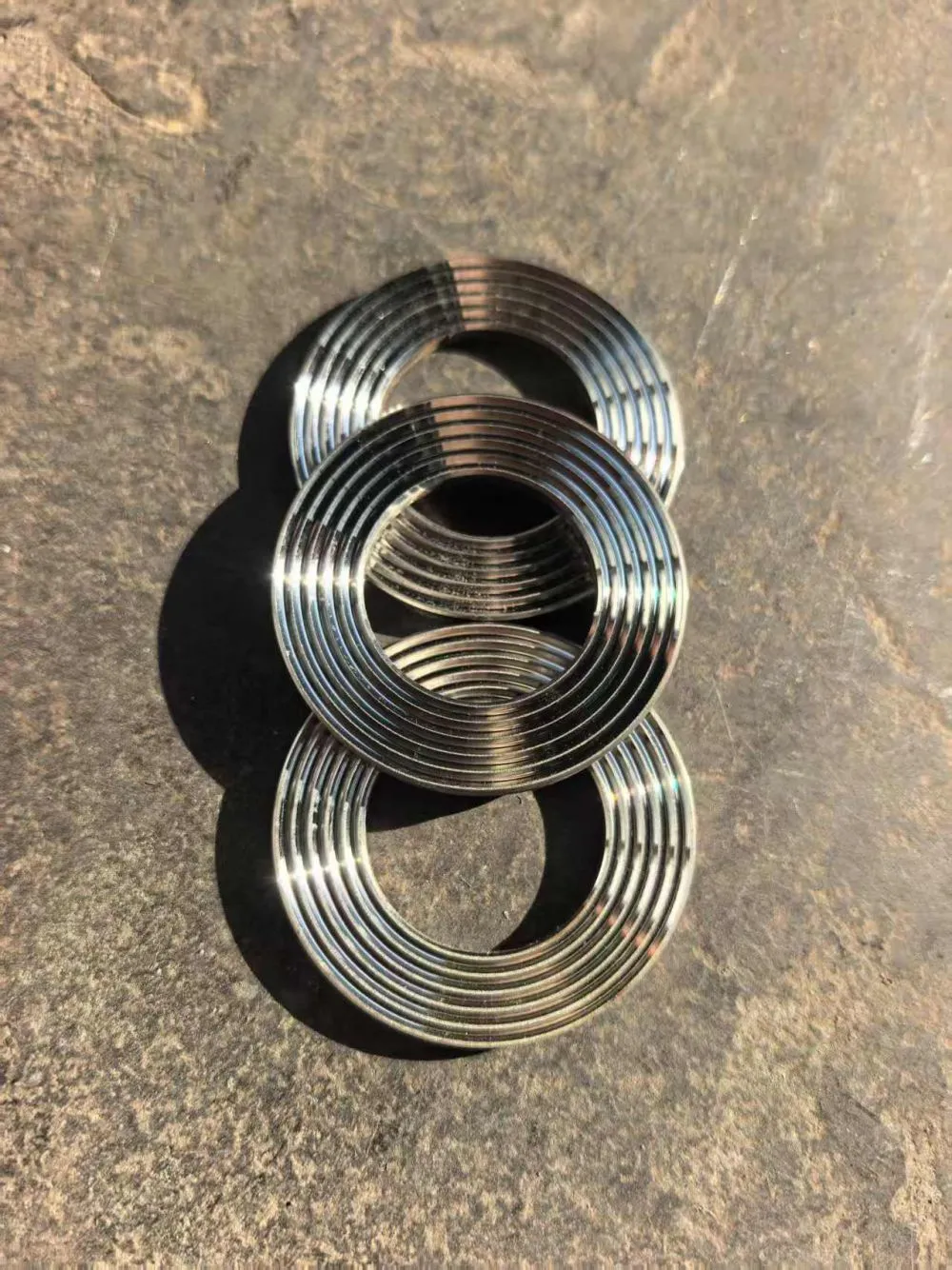
V. Selection and Installation Pitfall Guide 1. Rapid Selection Principles - High-temperature steam and hot oil conditions: 304316L base graphite cladding; - Acid-base corrosion and clean conditions: 316L base PTFE cladding; - Ultra-high temperature, ultra- pressure heavy-duty conditions: Duplex steel/alloy base mica cladding; - Narrow flange faces and precision equipment: Thin-profile standard serrated gaskets to reduce tightening pressure 2. Installation Precautions - Clean the flange contact surface before installation, removing old gasket residue, oil, and impurities to ensure a flat and clean contact surface; - Place gasket centrally and tighten bolts evenly in stages to avoid uneven loading that causes sealing offset and leakage; - Forceful installation and scratching the surface cladding with sharp objects are strictly prohibited, as damage will directly result in the loss of sealing performance; - After the first temperature rise in long-term high-temperature conditions, the bolt tightness can be re-checked compensate for the thermal expansion gap.
VI. Summary With the composite advantage of high-strength metal shaping and soft material flexible sealing, metal serrated gaskets solve the industry pain points of traditional such as "easy leakage under high pressure, easy damage at high temperatures, and easy aging due to corrosion," while combining sealing, stability, durability, and economy. Whether for conventional industrial pipelines harsh conditions of high temperature, high pressure, and strong corrosion, they are the preferred products to replace ordinary gaskets and improve equipment sealing safety, as well as indispensable core components in the high sealing systems of modern industry.
Recently Posted
-
O-ring: The "Invisible Contract" of Industrial Sealing and the Philosophy of Working Conditions
August 7, 2026In the vast and complex system of industrial equipment, people often marvel at the meshing of precision gears or the pressurebeari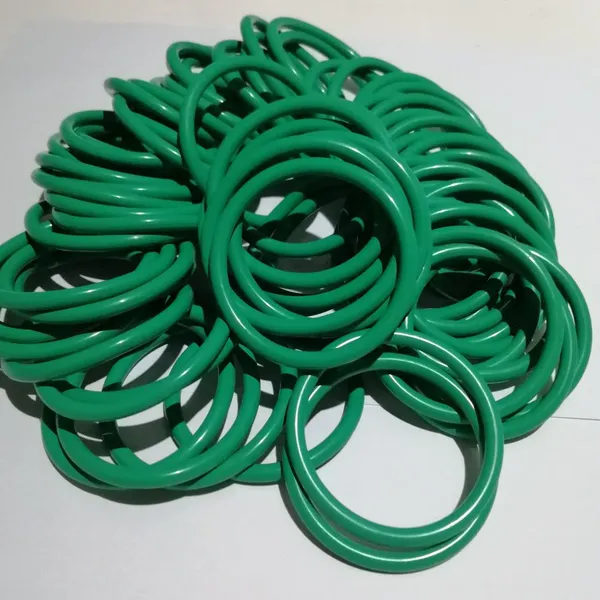 Read More
 -
Nano-aerogel felt: "Super insulation" breaking thermodynamic limits and industrial reshaping
August 7, 2026Under the grand narrative of the global energy structure transition and the "dual carbon" goals, energy conservation and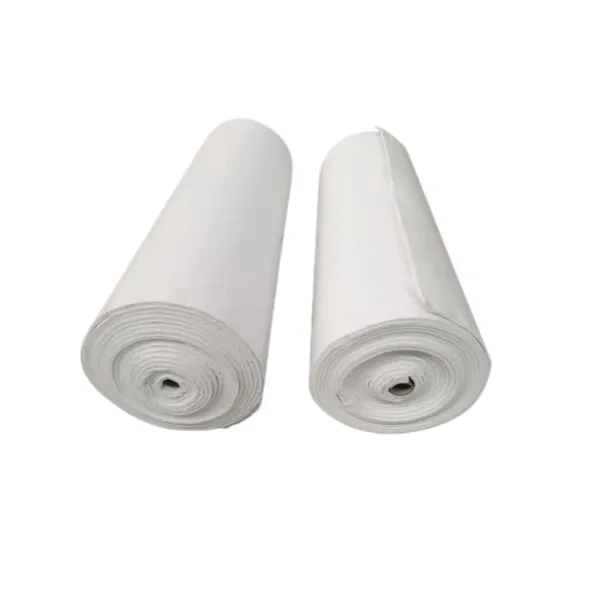 Read More
 -
Aluminum Gaskets: The "Flexible Contract" in Industrial Connections
August 5, 2026In industrial systems such as mechanical manufacturing, petrochemicals, electronics, and aerospace, aluminum gaskets/washers, as f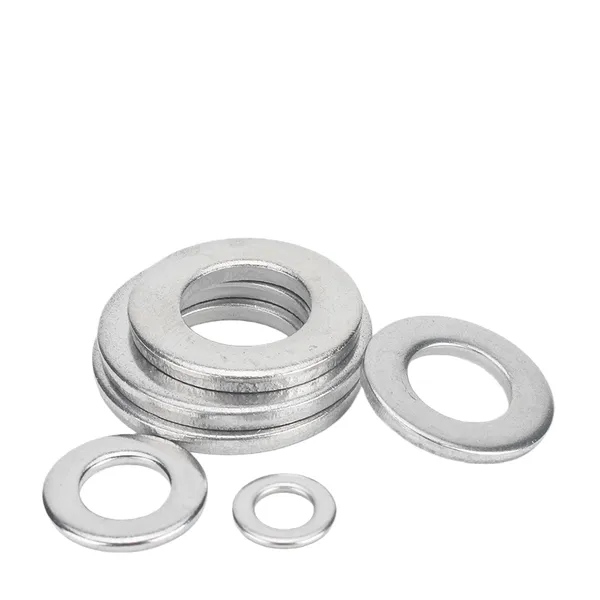 Read More
 -
Qingke Paper: The "Paper Armor" and Insulation Philosophy in the Electronics and New Energy Sectors
August 5, 2026Inside new energy batteries, precision motors, and various electronic and electrical devices, countless tiny components are hidden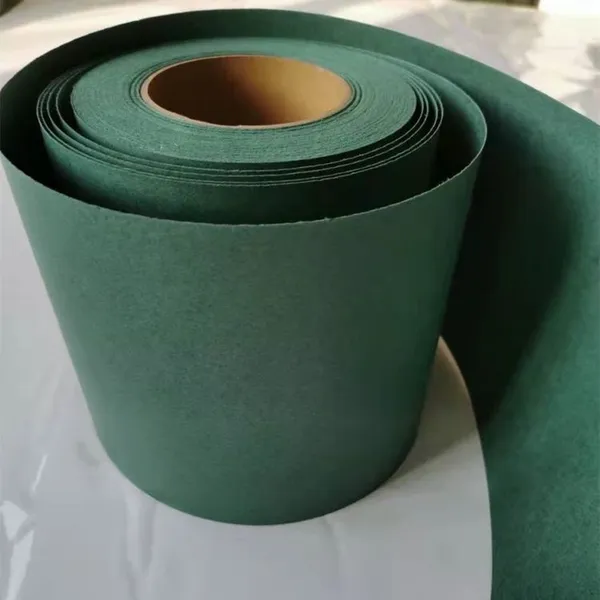 Read More

Contact Us
Recommended Products
-
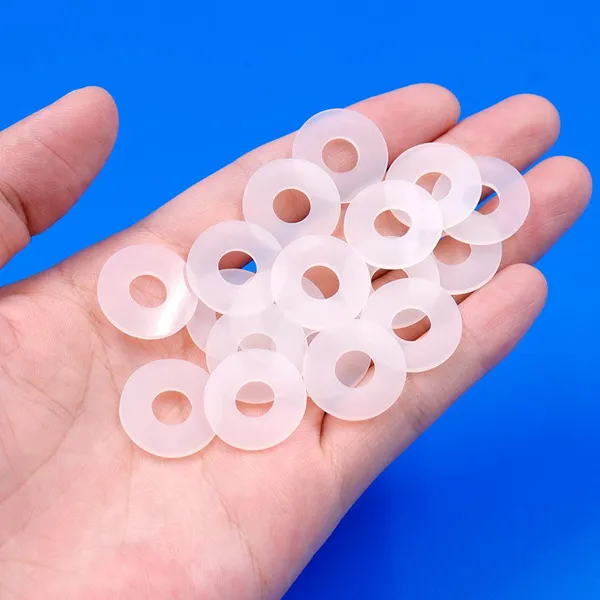
 Colored Silicone Flat Washer FF Full Surface With Water Line Silicone Pad High Temperature Resistant 230℃ Valve Pipe Sealing GasketNegotiableMOQ: 100 Blades
 -
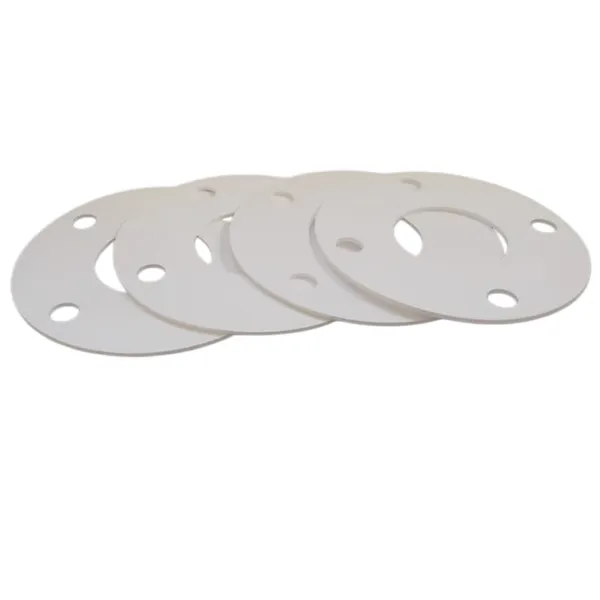
PTFE Gasket With Holes, National Standard Flange Multi-hole PTFE Sealing GasketNegotiableMOQ: 100 Blades
-
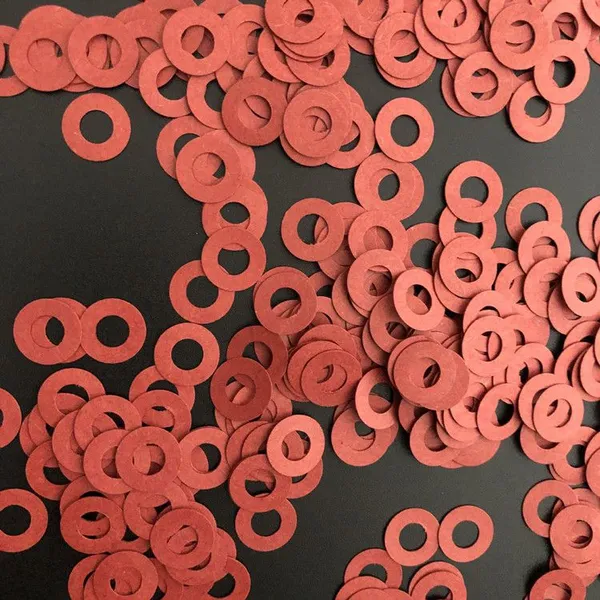
Red Steel Paper Gasket Insulation Flat Washer Red Mica Quick Connector Paper WasherNegotiableMOQ: 100 Blades
-
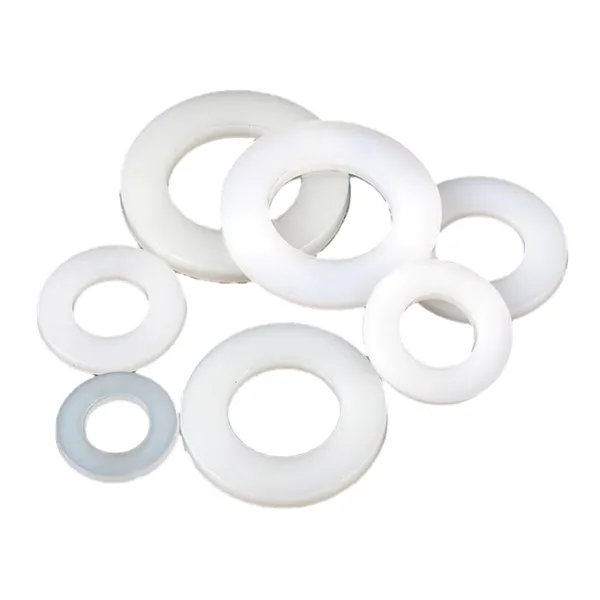
Nylon Washer Black Plastic Flat Washer Insulating Shock-absorbing Wear-resistant Self-lubricatingNegotiableMOQ: 100 Blades
-
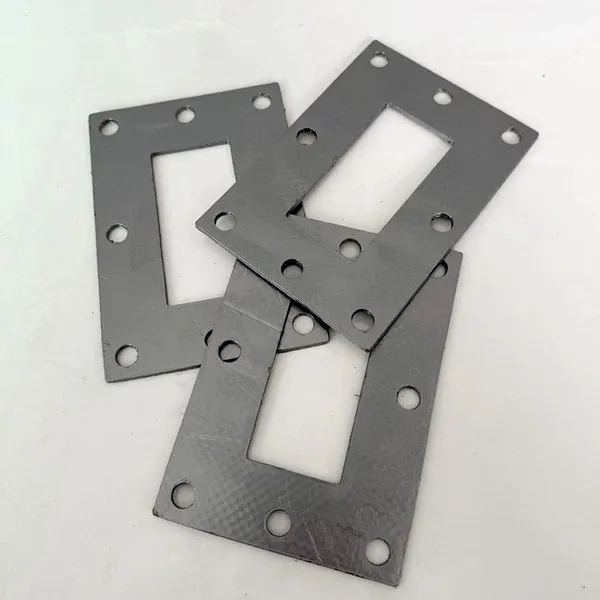
Perforated Graphite Composite Gasket 304 Stainless Steel Reinforced High Temperature and High Pressure Flange Gasket Boiler SteamNegotiableMOQ: 100 Blades
-
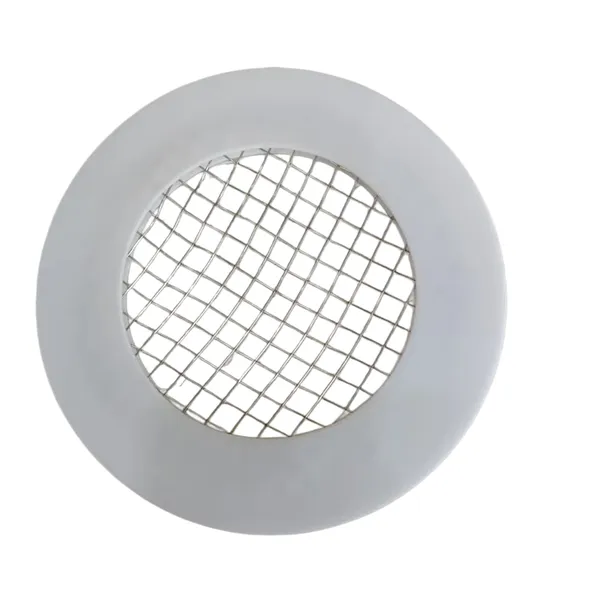
PTFE Filter Gasket With Stainless Steel Mesh; PTFE Filter Sealing Gasket With Stainless Steel MeshNegotiableMOQ: 100 Blades
-
Metal Reinforced PTFE PTFE Gasket Chemical Corrosion Resistant GasketNegotiableMOQ: 100 Blades
-
Reinforced Metal Winding Gasket 304 Stainless Steel Flange Sealing GasketNegotiableMOQ: 100 Blades
-
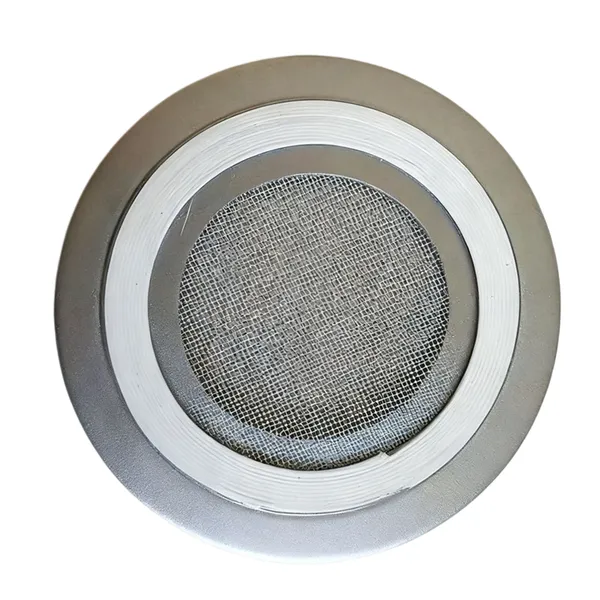
Filter Mesh Winding Gasket 304 Stainless Steel Inner and Outer Ring GasketNegotiableMOQ: 100 Blades
-
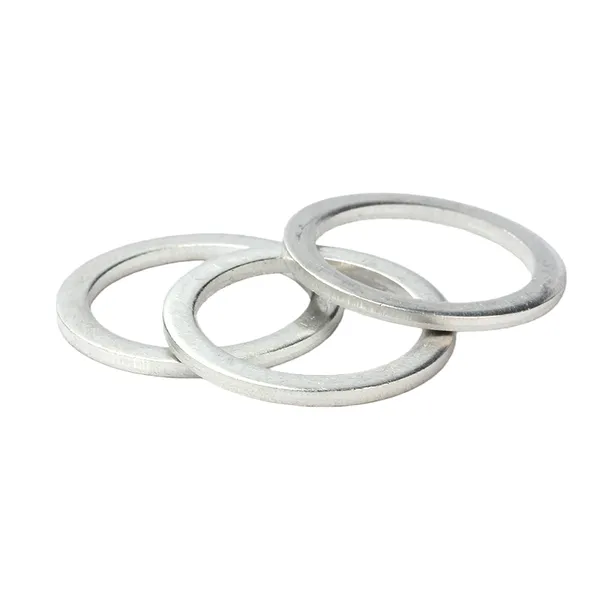
Pure Aluminum Gasket Soft Aluminum Flat Washer 0.1-3mm High Temperature Resistant Sealing Aluminum WasherNegotiableMOQ: 100 Blades
-
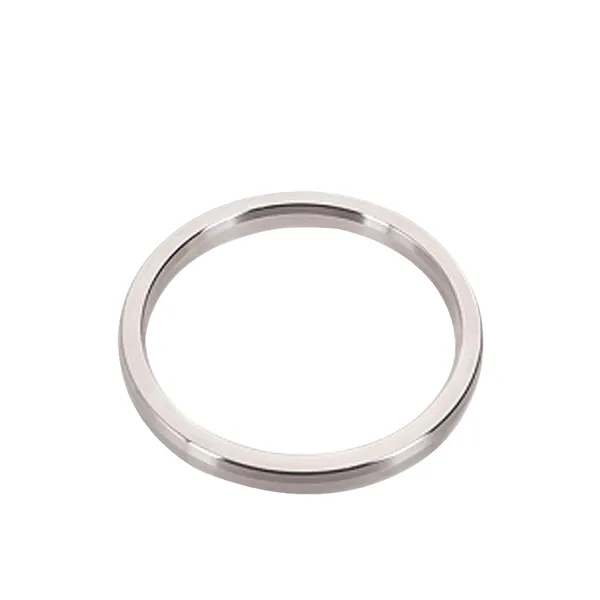
Metal Octagonal Ring Gasket Oval Gasket 304/316L Stainless Steel Metal Ring Gasket RJ Flange GasketNegotiableMOQ: 100 Blades
-
Basic Metal Spiral Wound Gasket 304 Graphite Spiral Wound Gasket Tongue and Groove FlangeNegotiableMOQ: 100 Blades
-
Metal Graphite Spiral Wound Gasket High Temperature Flange Pipe Sealing GasketNegotiableMOQ: 50 Blades
-
Stainless Steel Flexible Graphite Corrugated Composite Gasket Irregular Thick Reinforced High Temperature and High Pressure Sealing GasketNegotiableMOQ: 100 Blades
-
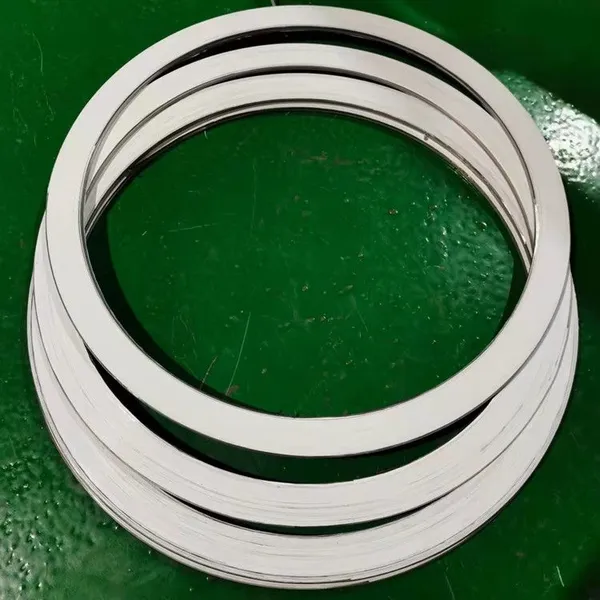
304 Stainless Steel Oval Metal Ring Gasket RJ Flange Oval Gasket High Pressure and High Temperature Resistant Sealing WasherNegotiableMOQ: 10 Units
-
PTFE Gasket, Polytetrafluoroethylene Sealing Gasket, White Teflon Flat Gasket, High Temperature and Acid/alkali Resistant Industrial Flange WasherNegotiableMOQ: 25 Units
-
Elastic Expanded PTFE Gasket Soft Teflon Gasket Pipe Flange Sealing Gasket High and Low Temperature Corrosion Resistant Ready Stock Custom MadeNegotiableMOQ: 25 Units
-
Metal Lens Gasket, No-hole and With-hole Lens Gasket, High-pressure Angle Valve Hydrogen Pipeline Flange Sealing Gasket Custom-madeNegotiableMOQ: 25 Units
-
Metal Serrated Gasket | Wave Profile Composite Gasket for High Temperature and High Pressure Flange SealingNegotiableMOQ: 100 Blades
-
High Temperature and High Pressure Octagonal Ring Joint Gasket Oval Flange Gasket Carbon Steel 304 316 Stainless SteelNegotiableMOQ: 1 Unit