 Business License

Reinforced PTFE Gasket: Mechanical Enhancement and Operating Condition Reconstruction to Break
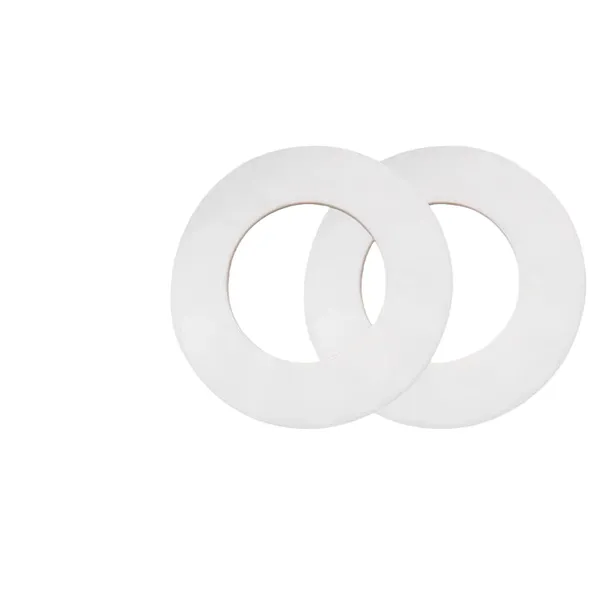
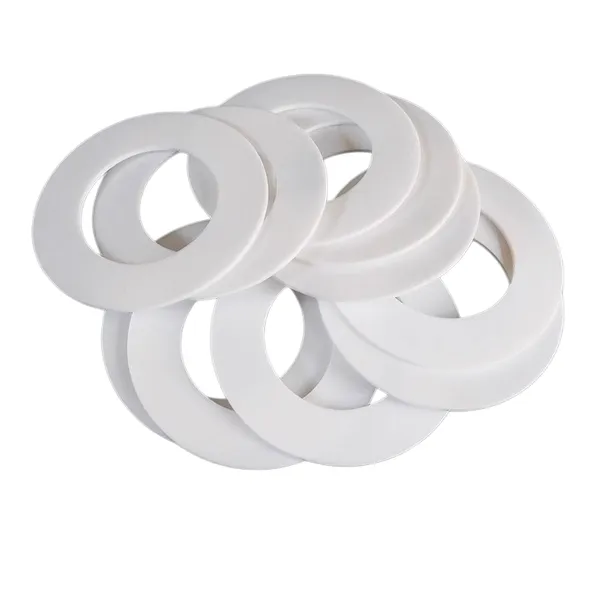
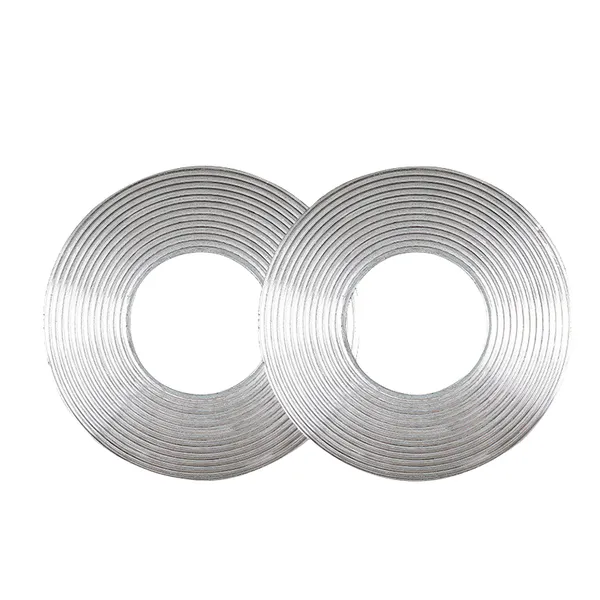
In flange sealing engineering for chemical, pharmaceutical, and fluid transport systems, polytetrafluoroethylene (PTFE) has long a central position due to its unparalleled chemical inertness and cleanliness. However, the "cold flow" (creep) and insufficient rebound issues exposed by traditional pure PTFE gaskets during long-term have always been a pain point for engineers. When bolt preload decays over time, tiny gaps appear on the flange face, leading to leaks. As an innovative sealing component that perfectly combines chemical stability with mechanical structural mechanics, the Ribbed PTFE Gasket completely reconstructs the stress logic of PTFE sealing by introducing physical reinforcing ribs. Understanding the ribbed PTFE gasket is essentially understanding to find the optimal solution between "extreme corrosion resistance" and "long-term mechanical stability" through structural innovation. Material Essence: The Mechanical Leap from "Pure Material Flat Gasket to "Structurally Reinforced" Ordinary PTFE gaskets are usually made of pure PTFE powder through compression molding and sintering, or directly machined and cut from PTFE sheets. Although this pure material retains the excellent corrosion resistance and non-stick properties of PTFE, its molecular chains are highly prone to sliding under continuous pressure, causing the material to squeeze out in all directions (i.e the cold flow phenomenon), and it is difficult to recover once deformed under pressure. The ribbed PTFE gasket undergoes a deep physical structural modification based on this. On the PTFE matrix, is integrally formed or embedded with raised "reinforcing ribs" (usually in concentric rings or radial patterns) through special processes. This design is not a simple geometric superposition, but a change in mechanical performance: under the action of bolt preload, the raised reinforcing ribs make contact with the flange face first, bearing the vast majority of the mechanical load and compression force, effectively the excessive extrusion of the PTFE material toward the outer edge of the flange; meanwhile, the groove areas between the reinforcing ribs undergo a slight elastic deformation under lower specific pressure, filling microscopic irregularities on the flange surface. This "rigid-flexible combined" stress mode allows the ribbed PTFE gasket to maintain the chemical inertness of PTFE while gaining compressive strength and creep resistance far superior ordinary flat gaskets.
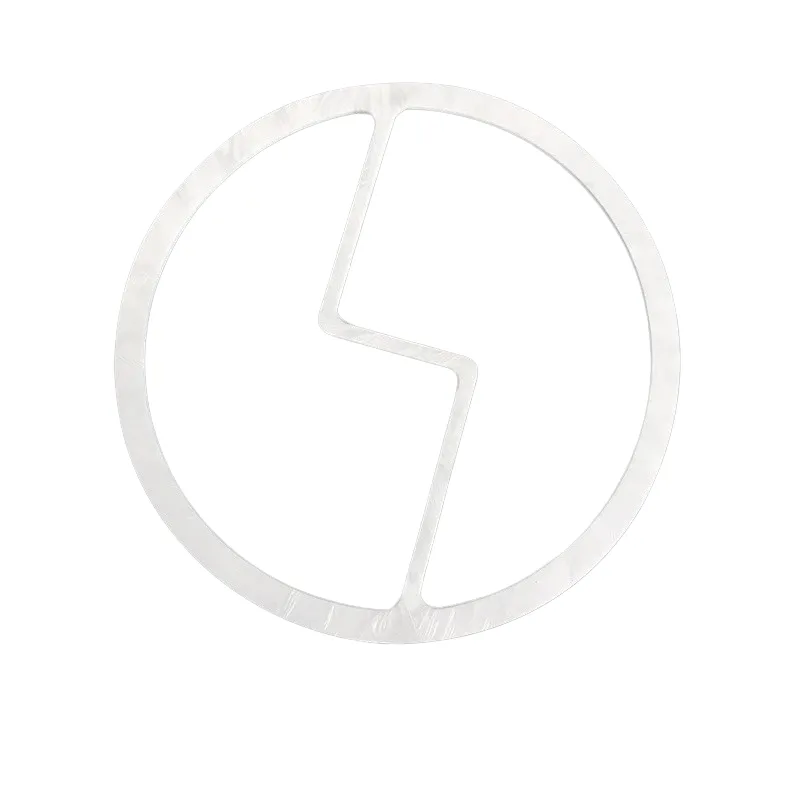
Performance Boundaries: A Dialectical Understanding of Advantages and Limitations The performance advantages of reinforced PTFE gaskets are prominent when dealing with complex operating conditions. First, their resistance to cold flow and stress relaxation is significantly superior to ordinary PTFE gaskets. Under temperature fluctuations or long-term static loads, can still maintain a stable sealing contact pressure, greatly reducing the risk of leakage caused by gasket thinning. Second, the reinforced rib structure endows the gasket with a certain "self-tight" and compensation capability, making it more tolerant of flange surface roughness, slight scratches, or parallelism deviations, without requiring the extremely high flange machining precision demanded by ordinary PTFE gaskets. Furthermore, reinforced structure reduces the actual contact area between the gasket and the flange, lowering the initial installation bolt torque and reducing the mechanical load on the flange system. However, its limitations also engineers to maintain a clear understanding. First, the sealing performance of reinforced PTFE gaskets highly depends on the geometric dimensions and distribution of the ribs. If the ribs are too few or too, cold flow may still occur; if the ribs are too dense or too high, the groove area may fail to fit properly, leading to leakage. Second, its upper temperature limit still constrained by the PTFE material itself (usually ≤260°C). Under ultra-high temperature or severe thermal cycling conditions, flexible graphite or metal gaskets should still be considered Additionally, the manufacturing process of reinforced PTFE gaskets is more complex than that of ordinary gaskets, resulting in relatively higher costs. Moreover, in strongly oxidizing media or molten alkali metal environments their chemical resistance has the same blind spots as ordinary PTFE gaskets. Selection and Adaptation: Technology Red Lines Guided by Operating Conditions When selecting, the boundary between reinforced PTFE gaskets and PTFE gaskets is very clear. For low-pressure, ambient temperature, clean, and vibration-free static seals (such as food-grade pure water pipelines and low-pressure exhaust), ordinary pure PTFE gaskets remain a reasonable choice due to their low cost and ease of machining. However, for medium-to-high pressure, temperature-fluctuating, average flange precision, or long-term maintenance-free operating conditions, reinforced PTFE gaskets are the superior solution. The following technical red lines must be strictly followed during selection: First, confirm flange type. Reinforced PTFE gaskets are best suited for Raised Face (RF) flanges, as their ribs can perfectly interlock with the flange water line. For Full Face (FF), special flat-rib or dense-rib types must be selected. Second, verify the pressure rating. Although the reinforced structure improves pressure resistance, it is essentially a non- seal, typically suitable for pressure ranges from Class 150 to Class 600 (approximately PN16 to PN100). For ultra-high pressure conditions one should switch to metal-jacketed or spiral-wound gaskets. Third, pay attention to rib integrity. Poor-quality reinforced gaskets are prone to micro-cracks at the of the ribs during compression molding or turning, making them extremely easy to break and fail during installation. When purchasing, the bonding quality between the ribs and the base material must be carefully inspected
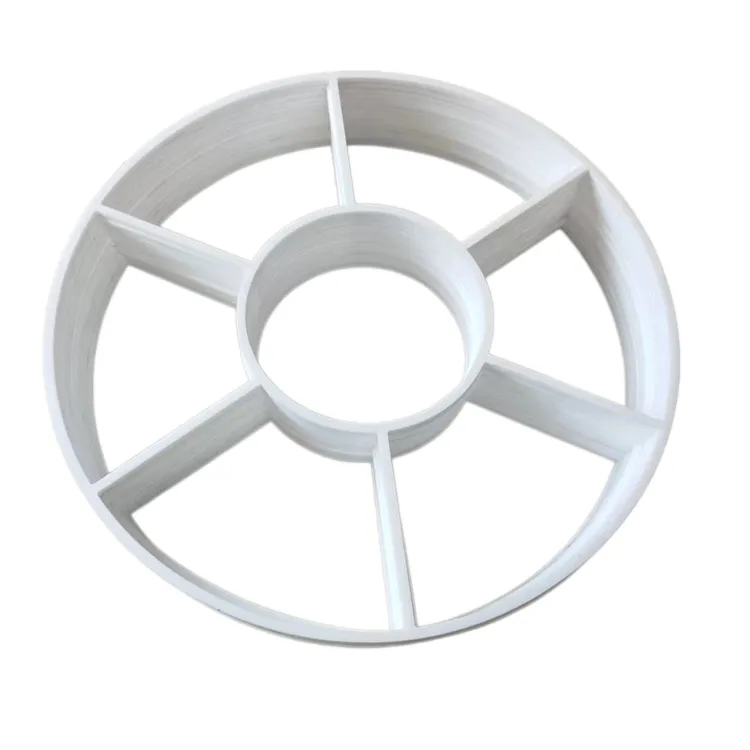
Installation and Maintenance: Critical Control Points in Engineering Practice The installation logic of ribbed PTFE gaskets differs significantly from that of ordinary flat. Before installation, the flange sealing surface must be thoroughly cleaned, but hard tools must not be used to scrape it, as this may damage the flange water line and affect the embedded sealing the ribs. During installation, ensure that the ribbed surface (protruding side) faces the medium side or is installed according to the manufacturer's instructions, so that the ribs perpendicularly against the flange surface. When tightening bolts, ribbed PTFE gaskets are more sensitive to torque. Due to the small actual contact area, the initial preload will quickly concentrate on the. Therefore, a diagonal cross-tightening method with incremental steps (such as 30%, 60%, 100%) must be adopted, and it is to tighten them all at once, otherwise the ribs are extremely likely to be crushed or the flange to be unevenly loaded. During operation and maintenance, if a slight leak is found, ribbed gaskets usually allow for re-compressing the ribs by moderately increasing the bolt torque (within the yield strength of the flange) to achieve secondary sealing, which is a field repair capability that PTFE gaskets lack. Conclusion: Engineering Rationality Behind Structural Innovation The widespread application of ribbed PTFE gaskets reflects a paradigm shift in industrial sealing technology from "material dependence" to "structural". It retains the chemical inertness of PTFE as the "king of plastics" while compensating for the inherent mechanical shortcomings of pure material through a clever reinforced rib design. This approach of exchanging for performance makes it a key bridge between pure non-metallic and semi-metallic gaskets in sealing corrosive media under medium-to-high pressure and variable operating conditions. As industrial develops towards long-cycle and high-reliability directions, the structural optimization of ribbed PTFE gaskets (such as variable cross-section ribs and multi-path labyrinth rib designs) and material (such as ribbed gaskets filled with graphite or glass fiber) will continue to evolve. For engineers, a profound understanding of the mechanical essence and installation logic of ribbed PTFE gaskets is only the key to solving current leakage problems but also the cornerstone for building safe, efficient, and long-life sealing systems. Within these textured white gaskets lies the engineering rationality and scientific of the continuous progress of industrial sealing technology.
Recently Posted
-
O-ring: The "Invisible Contract" of Industrial Sealing and the Philosophy of Working Conditions
August 7, 2026In the vast and complex system of industrial equipment, people often marvel at the meshing of precision gears or the pressurebeari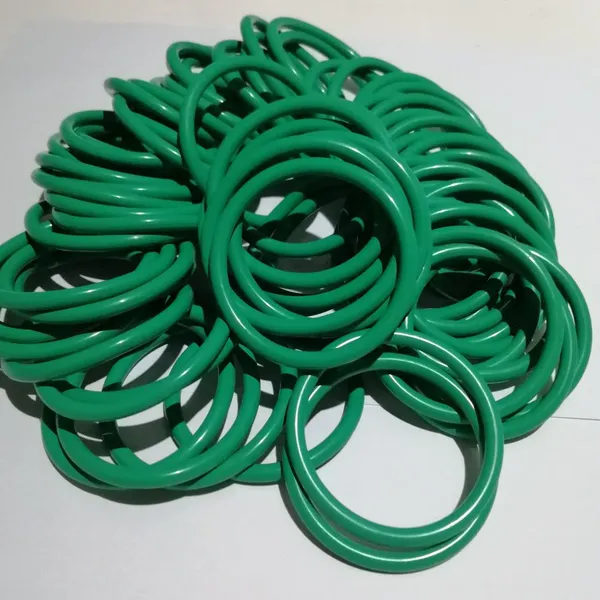 Read More
 -
Nano-aerogel felt: "Super insulation" breaking thermodynamic limits and industrial reshaping
August 7, 2026Under the grand narrative of the global energy structure transition and the "dual carbon" goals, energy conservation and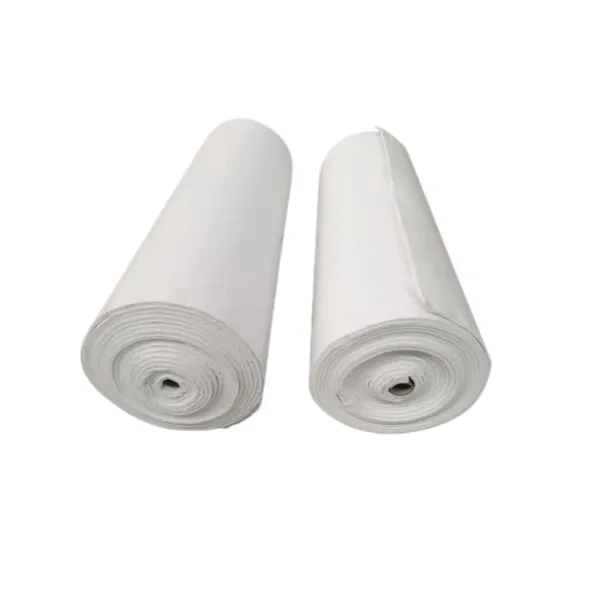 Read More
 -
Aluminum Gaskets: The "Flexible Contract" in Industrial Connections
August 5, 2026In industrial systems such as mechanical manufacturing, petrochemicals, electronics, and aerospace, aluminum gaskets/washers, as f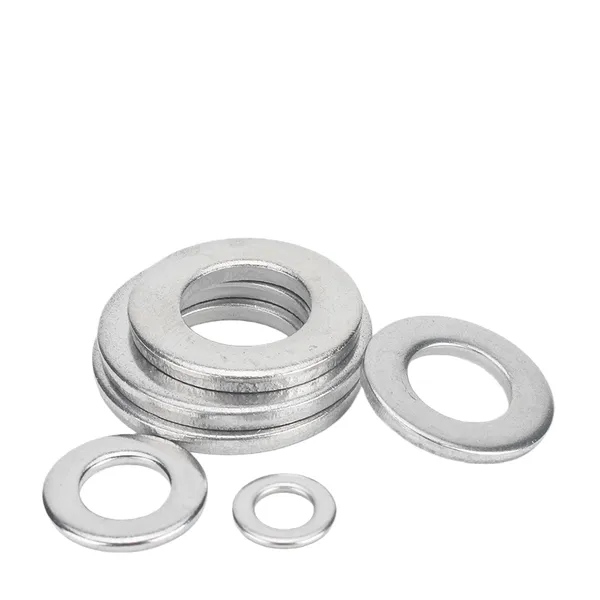 Read More
 -
Qingke Paper: The "Paper Armor" and Insulation Philosophy in the Electronics and New Energy Sectors
August 5, 2026Inside new energy batteries, precision motors, and various electronic and electrical devices, countless tiny components are hidden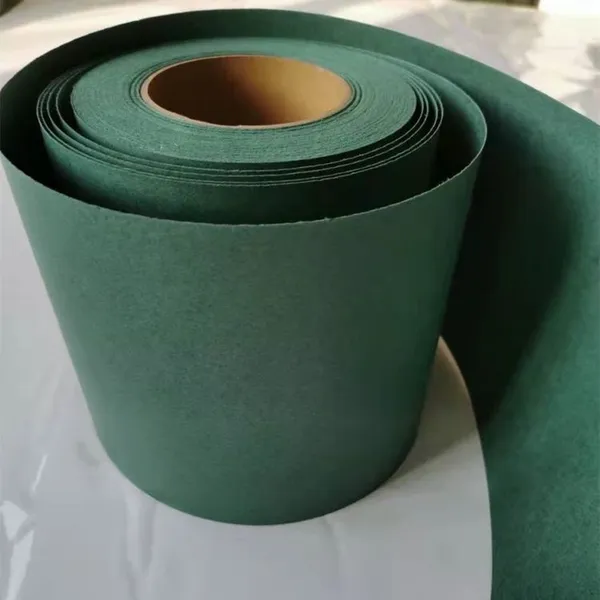 Read More

Contact Us
Recommended Products
-
 Colored Silicone Flat Washer FF Full Surface With Water Line Silicone Pad High Temperature Resistant 230℃ Valve Pipe Sealing GasketNegotiableMOQ: 100 Blades
 -
PTFE Gasket With Holes, National Standard Flange Multi-hole PTFE Sealing GasketNegotiableMOQ: 100 Blades
-
Red Steel Paper Gasket Insulation Flat Washer Red Mica Quick Connector Paper WasherNegotiableMOQ: 100 Blades
-
Nylon Washer Black Plastic Flat Washer Insulating Shock-absorbing Wear-resistant Self-lubricatingNegotiableMOQ: 100 Blades
-
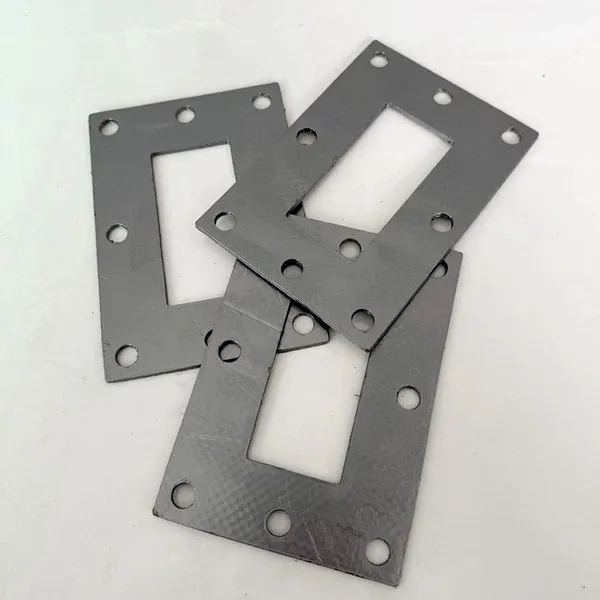
Perforated Graphite Composite Gasket 304 Stainless Steel Reinforced High Temperature and High Pressure Flange Gasket Boiler SteamNegotiableMOQ: 100 Blades
-
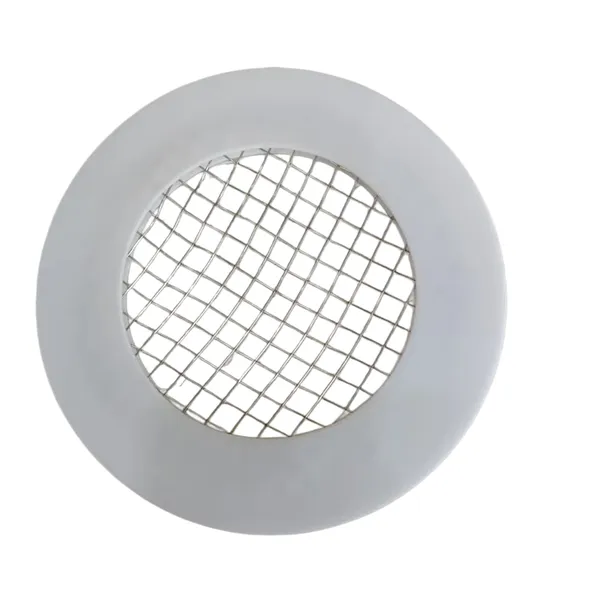
PTFE Filter Gasket With Stainless Steel Mesh; PTFE Filter Sealing Gasket With Stainless Steel MeshNegotiableMOQ: 100 Blades
-
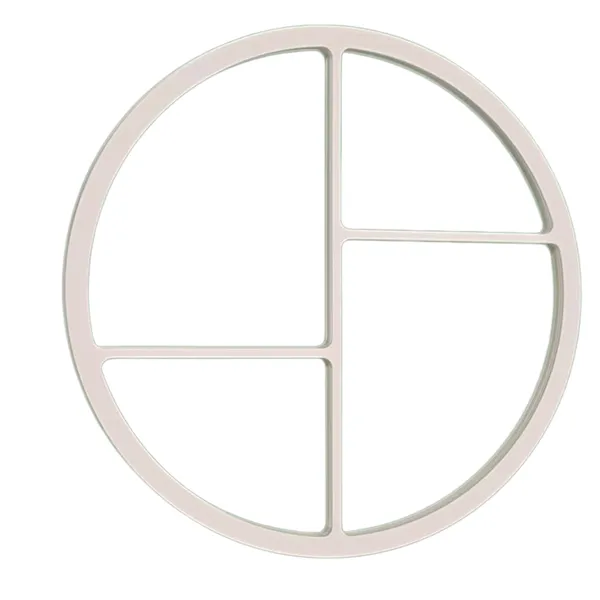
Metal Reinforced PTFE PTFE Gasket Chemical Corrosion Resistant GasketNegotiableMOQ: 100 Blades
-
Reinforced Metal Winding Gasket 304 Stainless Steel Flange Sealing GasketNegotiableMOQ: 100 Blades
-
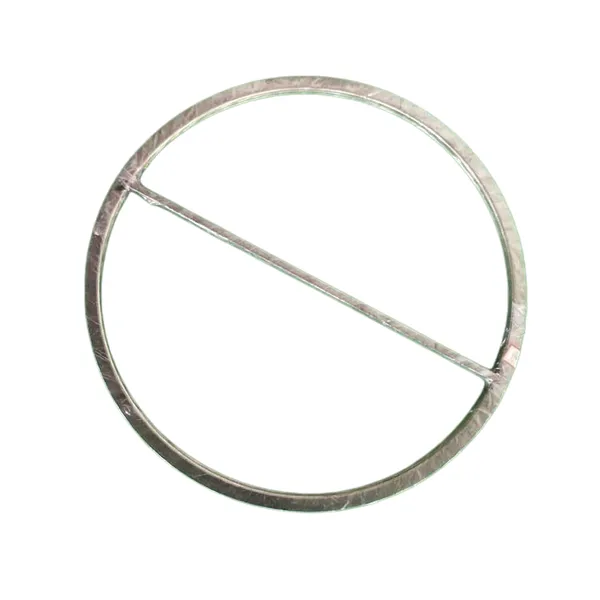
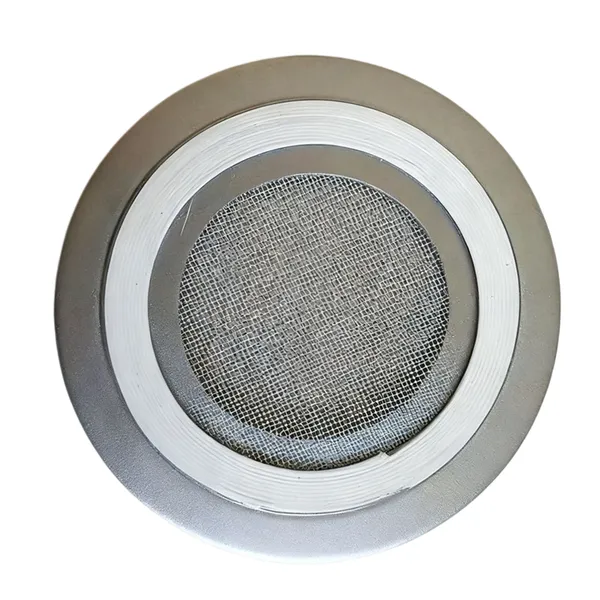
Filter Mesh Winding Gasket 304 Stainless Steel Inner and Outer Ring GasketNegotiableMOQ: 100 Blades
-
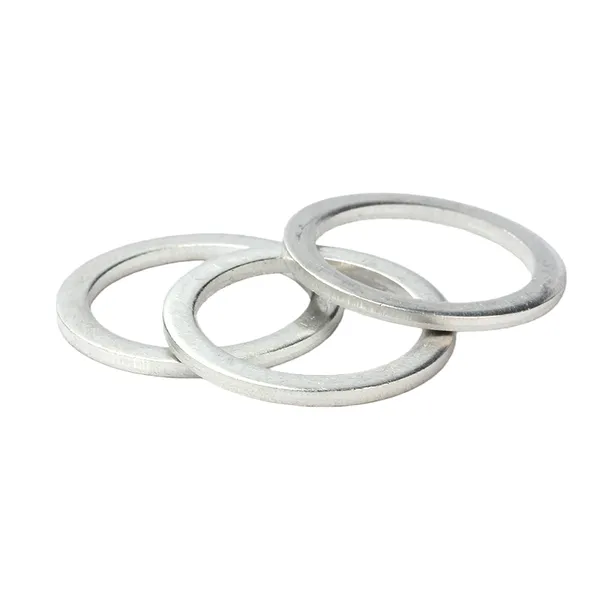
Pure Aluminum Gasket Soft Aluminum Flat Washer 0.1-3mm High Temperature Resistant Sealing Aluminum WasherNegotiableMOQ: 100 Blades
-
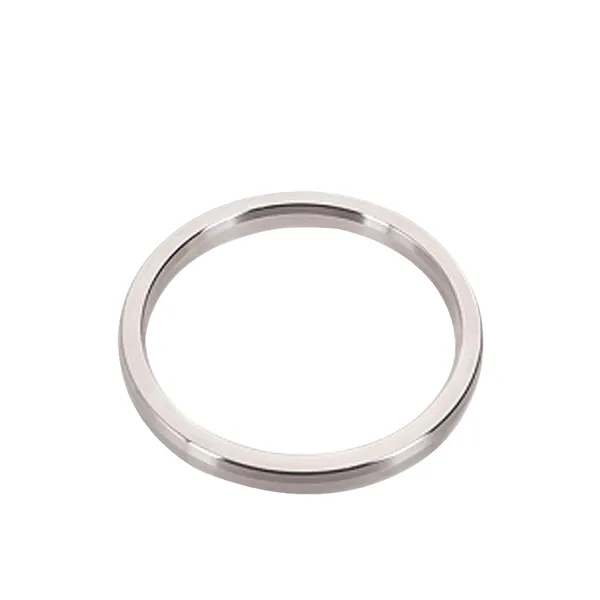
Metal Octagonal Ring Gasket Oval Gasket 304/316L Stainless Steel Metal Ring Gasket RJ Flange GasketNegotiableMOQ: 100 Blades
-
Basic Metal Spiral Wound Gasket 304 Graphite Spiral Wound Gasket Tongue and Groove FlangeNegotiableMOQ: 100 Blades
-
Metal Graphite Spiral Wound Gasket High Temperature Flange Pipe Sealing GasketNegotiableMOQ: 50 Blades
-
Stainless Steel Flexible Graphite Corrugated Composite Gasket Irregular Thick Reinforced High Temperature and High Pressure Sealing GasketNegotiableMOQ: 100 Blades
-
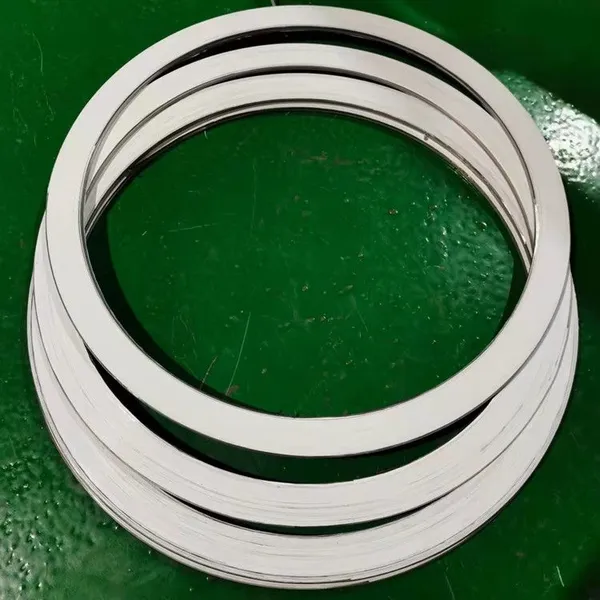
304 Stainless Steel Oval Metal Ring Gasket RJ Flange Oval Gasket High Pressure and High Temperature Resistant Sealing WasherNegotiableMOQ: 10 Units
-
PTFE Gasket, Polytetrafluoroethylene Sealing Gasket, White Teflon Flat Gasket, High Temperature and Acid/alkali Resistant Industrial Flange WasherNegotiableMOQ: 25 Units
-
Elastic Expanded PTFE Gasket Soft Teflon Gasket Pipe Flange Sealing Gasket High and Low Temperature Corrosion Resistant Ready Stock Custom MadeNegotiableMOQ: 25 Units
-
Metal Lens Gasket, No-hole and With-hole Lens Gasket, High-pressure Angle Valve Hydrogen Pipeline Flange Sealing Gasket Custom-madeNegotiableMOQ: 25 Units
-
Metal Serrated Gasket | Wave Profile Composite Gasket for High Temperature and High Pressure Flange SealingNegotiableMOQ: 100 Blades
-
High Temperature and High Pressure Octagonal Ring Joint Gasket Oval Flange Gasket Carbon Steel 304 316 Stainless SteelNegotiableMOQ: 1 Unit