 Business License

PTFE Gaskets: The Battle Between the King of Chemical Inertness and the "Cold Flow" Dilemma
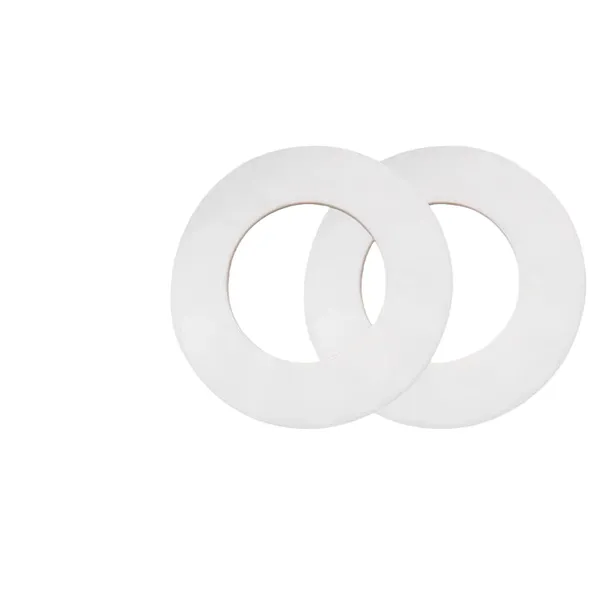
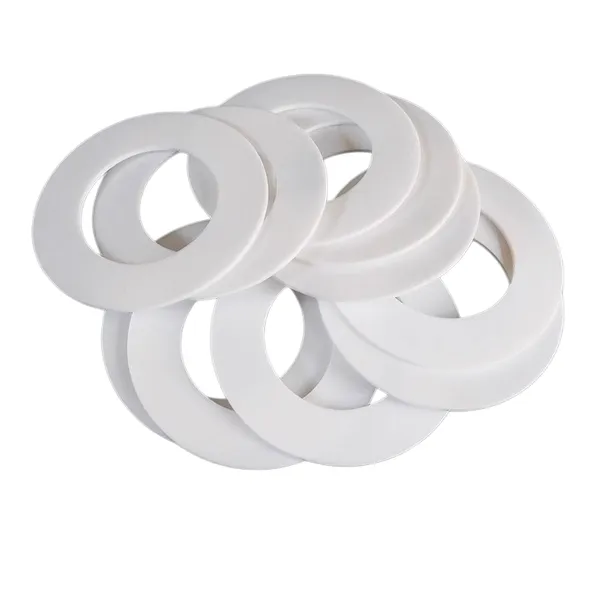
In the sealing landscape of the chemical, pharmaceutical, semiconductor, and food industries, polytetrafluoroethylene (PTFE gaskets are hailed as the "king of plastics" and the "universal sealing material" due to their near-perfect chemical inertness. They can withstand the corrosion of almost all strong, strong bases, strong oxidants, and organic solvents, except for molten alkali metals and elemental fluorine, while maintaining stable performance across a wide temperature range from -180° to 260°C. However, behind this extreme corrosion resistance lie the material's inherent "cold flow" defect and the innate deficiency in its elastic recovery compensation capability. Understanding gaskets is essentially understanding how to seek an engineering balance between "chemical inertness" and "mechanical stability"; this is not only the science of material selection but also the art of the between industrial sealing safety and service life. Material Essence: The "Double-Edged Sword" Effect of Molecular Structure The outstanding performance and inherent defects of PTFE gaskets both stem from their molecular structure. The PTFE molecular chain consists of a carbon atom backbone tightly wrapped by fluorine atoms on the outside, forming highly symmetrical and extremely strong C-F bonds. This structure endows material with extremely low surface energy, excellent chemical stability, and wide temperature range adaptability, allowing it to remain unchanged even when boiled in aqua regia, while possessing characteristics such as self-rication, non-adhesion, and electrical insulation. However, it is precisely this highly regular molecular stacking that causes PTFE to have extremely high crystallinity at room temperature and weak intermolecular forces making it highly prone to molecular chain slippage under continuous load, resulting in the "cold flow" phenomenon. Cold flow is the core engineering pain point of PTFE gaskets. Under the longterm action of flange bolt preload or medium pressure, the gasket undergoes irreversible plastic deformation, leading to a gradual decay of the sealing contact pressure and ultimately causing leakage. Meanwhile, PTFE has poor recovery performance; once excessively compressed, it is difficult to recover, making it extremely sensitive to the flatness of the flange face and the uniformity of the bolt tightening force. In addition, pure has a low thermal conductivity coefficient and a large linear expansion coefficient. Under working conditions with frequent temperature fluctuations, it is prone to gasket cracking or sealing failure due to concentrated thermal stress These inherent material limitations determine that pure PTFE gaskets are only suitable for static sealing scenarios at low temperatures, low pressures, and without vibration. In dynamic or harsh working conditions, it is to compensate for its mechanical performance shortcomings through material modification and structural optimization.
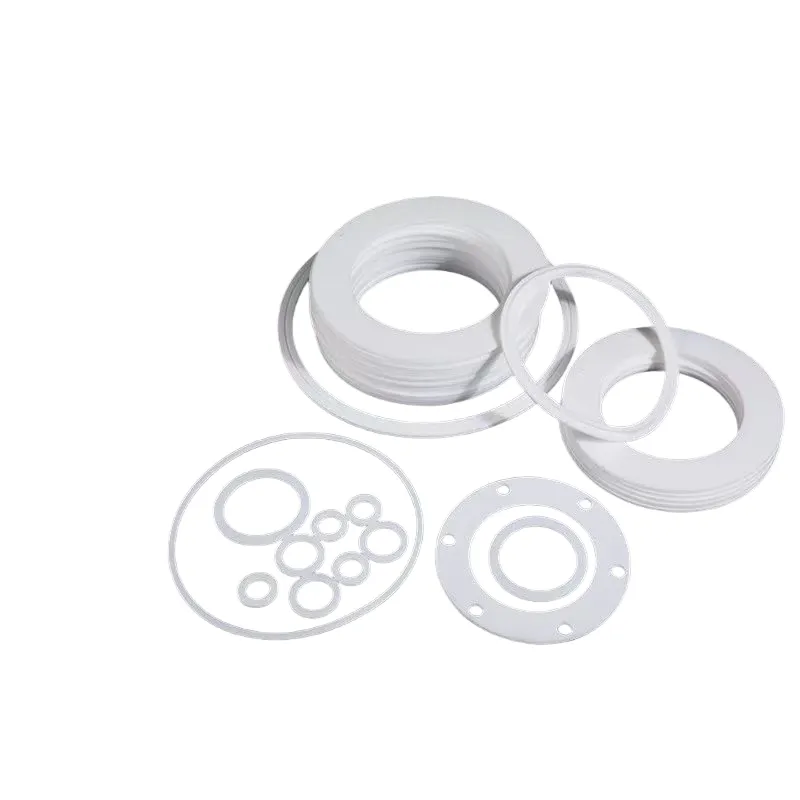
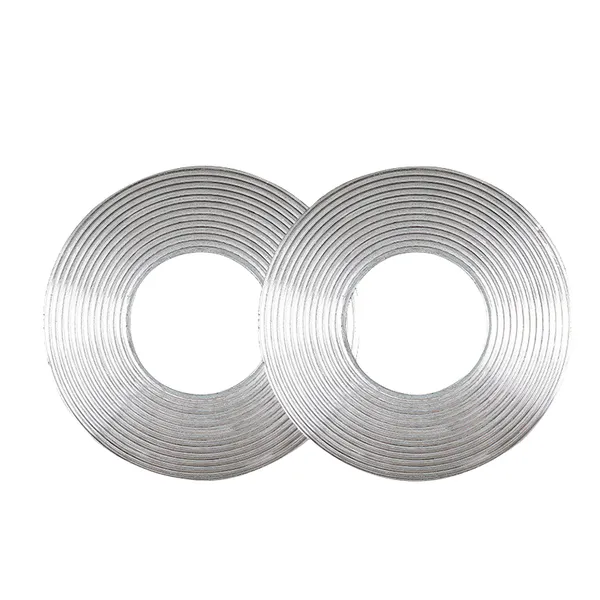
Performance Boundaries: The Iterative Transition from Pure PTFE to Modified Fillers To overcome the cold flow rebound defects of pure PTFE, the industry has developed various modified filled PTFE gaskets, achieving an iterative transition from "chemical inertness priority" to "comprehensive performance balance." Glass fiber-filled gaskets, by adding 15%-25% glass fiber, significantly enhance the material's compressive strength, wear resistance, and cold flow resistance, making them suitable for sealing corrosive media at medium-to-low pressures and medium temperatures, though it should be noted that glass fiber may cause slight abrasion to flange faces. Graphite-filled PTFE gaskets utilize the lubricity thermal conductivity of graphite to improve the gasket's compression rebound performance and thermal stability, making them suitable for operating conditions with large temperature fluctuations; additionally, the electrical conductivity of graphite effectively prevents accumulation, offering unique advantages in flammable and explosive media. The application of fillers such as carbon fiber, bronze powder, and molybdenum disulfide further expands the performance boundaries of PTFE gaskets. Carbon-filled types combine high strength with a low coefficient of friction, making them suitable for high-speed, high-load dynamic sealing scenarios; bronze powder-filled types significantly improve conductivity and compressive strength, making them suitable for high-temperature, high-pressure static sealing; molybdenum disulfide-filled types improve the gasket's installation performance and anti-sticking capability by coefficient of friction. While maintaining the chemical inertness of PTFE, these modified filled PTFE gaskets effectively compensate for the deficiencies in mechanical properties, enabling them to adapt to a wider range of conditions, but it should be noted that the corrosion resistance of the fillers may be slightly lower than that of pure PTFE, requiring cautious selection in strongly oxidizing media. Structural Innovation The Morphological Evolution from Flat Gaskets to Composite Seals In addition to material modification, structural innovation of PTFE gaskets is also a key path to improving sealing reliability. Expanded PTFE (ePT) gaskets, through a special stretching process, form a uniform microporous structure within the material, greatly enhancing flexibility and compression rebound rate, allowing them to adapt to rough and uneven flange surfaces, and performing excellently in low-pressure, large-diameter flange and frequent disassembly operating conditions. PTFE-enveloped gaskets use PTFE as an outer shell, with the interior filled with elastic such as flexible graphite, rubber, or ceramic fibers, which both retains the corrosion resistance of PTFE and compensates for the cold flow defect through the elasticity of the core material, making suitable for sealing corrosive media at medium-to-high pressures and with large temperature fluctuations, and serving as the mainstream choice in the chemical and petrochemical industries. Metal-wound PTFE gaskets combine PTFE with a metal skeleton, achieving a combination of rigidity and flexibility in sealing through a spiral winding structure. The metal strip provides compressive strength and extrusion resistance, while the PTFE-filled strip ensures inertness and sealing, allowing them to serve stably for long periods under extreme operating conditions of high temperature, high pressure, and strong corrosion. In addition, irregularly shaped PTFE seals such V-shaped, U-shaped, and piston rings, through geometric structure optimization, achieve self-tightening sealing and pressure compensation functions, demonstrating unique advantages in dynamic sealing scenarios as valves, pumps, and compressors. These structural innovations have evolved PTFE gaskets from single static sealing components into diversified sealing solutions adapted to complex operating conditions
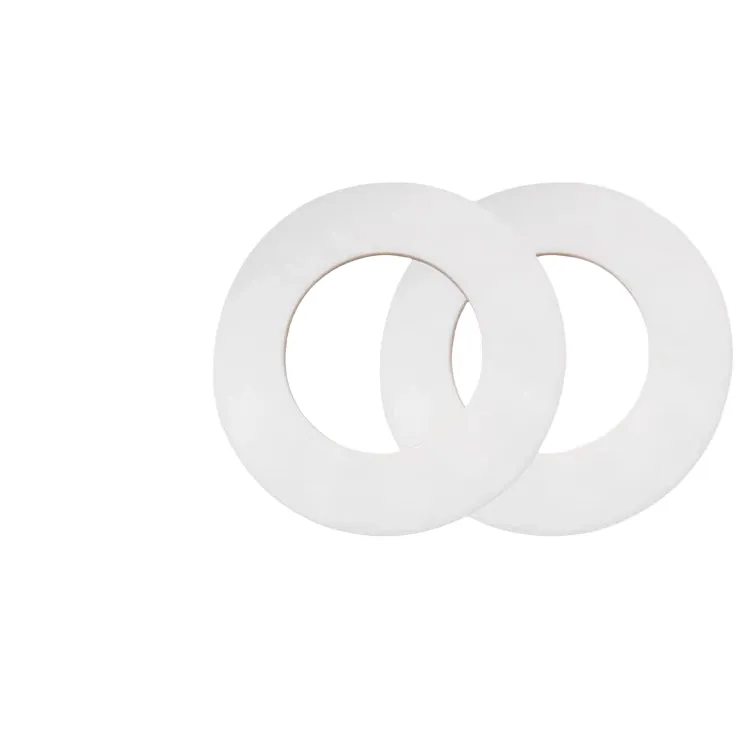
Standards and Selection: Technical Red Lines for Operating Conditions Adaptation The selection of PTFE gaskets must strictly follow the four-dimensional matching principle of "mediumtemperature-pressure-flange" and refer to relevant standards and specifications. The current domestic standard is GB/T 13404-2008 "Non-metalliccovered gaskets for pipe flanges", which specifies the types, dimensions, technical requirements, and inspection methods of covered gaskets, applicable to flat-face flanges with nominal sizes DN10 to DN60 and nominal pressures PN6 to PN63. For pure PTFE gaskets and modified filled PTFE gaskets, industry standards such as JB/T 10688-2020 "Poletrafluoroethylene gaskets" can be referred to, with a focus on key indicators such as material compression set, cold flow rate, and temperature and pressure resistance. When selecting, the following red lines must be paid special attention to: First, the upper temperature limit. The long-term operating temperature of pure PTFE gaskets must not exceed 260°C, and short-term maximum temperature resistance is about 300°C; exceeding this temperature will cause the material to soften and its mechanical properties to drop sharply; Second, the pressure limit Pure PTFE gaskets are only suitable for low-pressure operating conditions (usually ≤2.5MPa), while modified filled, covered, or wound products must be selected for medium and high- conditions; Third, medium compatibility. Although PTFE has excellent corrosion resistance, its use should still be avoided in extreme media such as molten alkali metals, elemental fluorine, and high-temperature high-pressure hydrogen fluoride; Fourth, flange adaptability. PTFE gaskets have high requirements for the flatness of the flange face, with the roughness controlled within Ra3.2μm, bolt tightening must be done in a diagonal cross and stepwise incremental manner to avoid uneven load deformation.
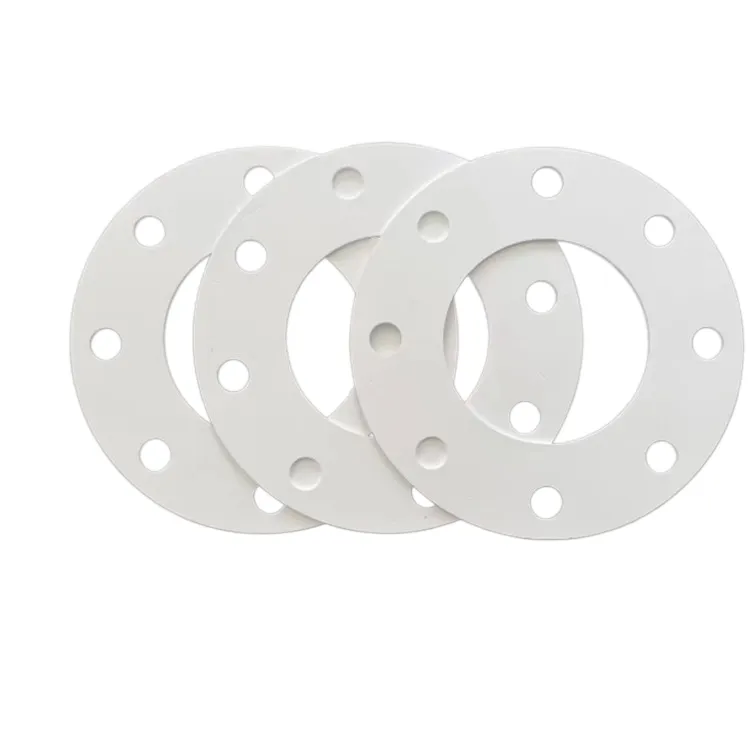
Installation and Maintenance: Key Control Points in Engineering Practice The sealing reliability of PTFE gaskets depends not only on the quality of the product but more importantly on the refined control of installation and maintenance. Before installation, the flange sealing surface and the gasket surface must be thoroughly cleaned to remove oil, rust, scratches, and gasket residue, ensuring the contact surfaces are clean and flat; meanwhile, the flatness of the flange face and the alignment of the bolt holes must be checked, and if defects exist, flange must be repaired or replaced. During installation, the gasket must be accurately placed within the flange sealing surface, avoiding skewing or warping, to ensure the gasket fits perfectly against the face; when tightening the bolts, a diagonal cross-pattern and incremental step-by-step method must be adopted, gradually reaching the specified torque in 3-4 stages, the uniformity of the flange gap checked after each tightening to ensure the gasket is evenly loaded and to avoid deformation due to uneven loading. In the maintenance phase, a gasket usage must be established to record the installation time, operating parameters, tightening torque, and leakage status, providing data support for subsequent selection and installation. For reusable PTFE gaskets, an appearance inspection dimensional measurement must be performed after disassembly; if scratches, deformation, or cold flow phenomena are found on the gasket surface, it must be repaired or replaced; if the gasket shows cracking delamination, or other issues, it must be replaced with a new one to avoid sealing performance degradation caused by reuse. Meanwhile, the bolt preload of the flange system must be checked; if bolt loosening or an increased flange gap is detected, it must be retightened promptly to prevent leakage caused by insufficient preload
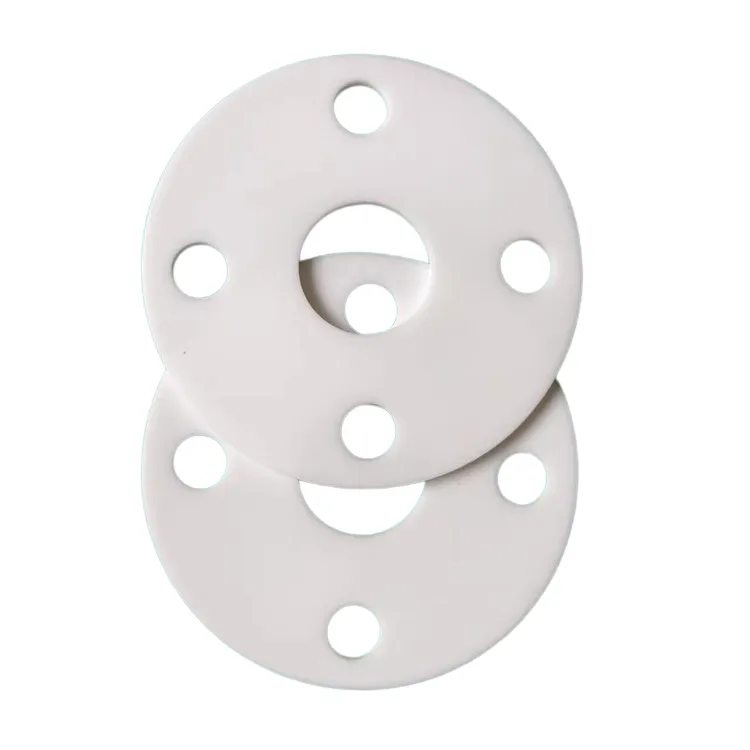
Conclusion: The Engineering Rationality Behind Chemical Inertness The widespread application of PTFE gaskets reflects a paradigm shift in industrial sealing technology from "extreme of a single performance" to "synergistic optimization of multiple performances." It retains the chemical inertness and wide temperature range adaptability of polytetrafluoroethylene, while effectively compensating for cold flow rebound defects through material modification and structural innovation, finding a delicate balance among multiple requirements such as corrosion resistance, temperature resistance, elasticity, and cleanliness. This combination of rigidity and flexibility it to continuously play an irreplaceable sealing role across a broad spectrum of scenarios, from conventional chemical engineering to high-end compliance. With the continuous explosion of emerging industries such as new energy, bi, semiconductors, and hydrogen energy, the performance requirements for PTFE gaskets are also constantly rising. In the future, higher temperature resistance, stronger anti-cold flow, greater intelligence, and environmental friendliness will become the main directions for the technological development of PTFE gaskets. For engineers and material researchers, a deep understanding of the material essence, performance boundaries, and selection logic of gaskets will not only help in making better selection decisions for current projects but also reserve critical technical knowledge to cope with more stringent sealing challenges in the future. Within these seemingly ordinary white gaskets the engineering rationality and scientific spirit of the continuous progress of industrial sealing technology.
Recently Posted
-
O-ring: The "Invisible Contract" of Industrial Sealing and the Philosophy of Working Conditions
August 7, 2026In the vast and complex system of industrial equipment, people often marvel at the meshing of precision gears or the pressurebeari Read More
 -
Nano-aerogel felt: "Super insulation" breaking thermodynamic limits and industrial reshaping
August 7, 2026Under the grand narrative of the global energy structure transition and the "dual carbon" goals, energy conservation and Read More
 -
Aluminum Gaskets: The "Flexible Contract" in Industrial Connections
August 5, 2026In industrial systems such as mechanical manufacturing, petrochemicals, electronics, and aerospace, aluminum gaskets/washers, as f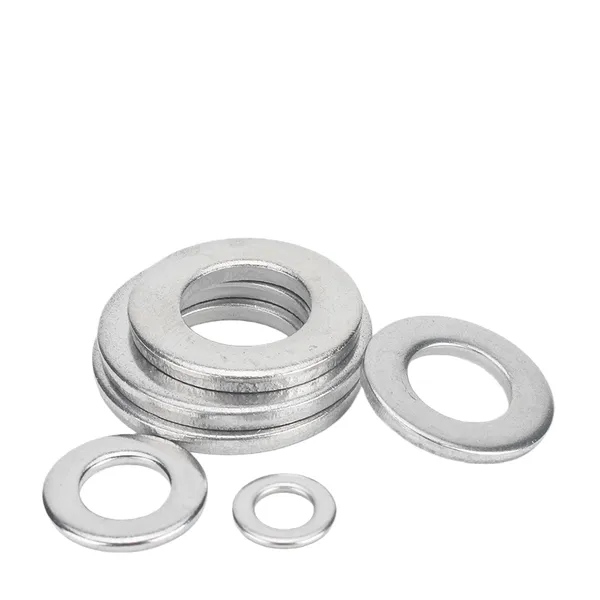 Read More
 -
Qingke Paper: The "Paper Armor" and Insulation Philosophy in the Electronics and New Energy Sectors
August 5, 2026Inside new energy batteries, precision motors, and various electronic and electrical devices, countless tiny components are hidden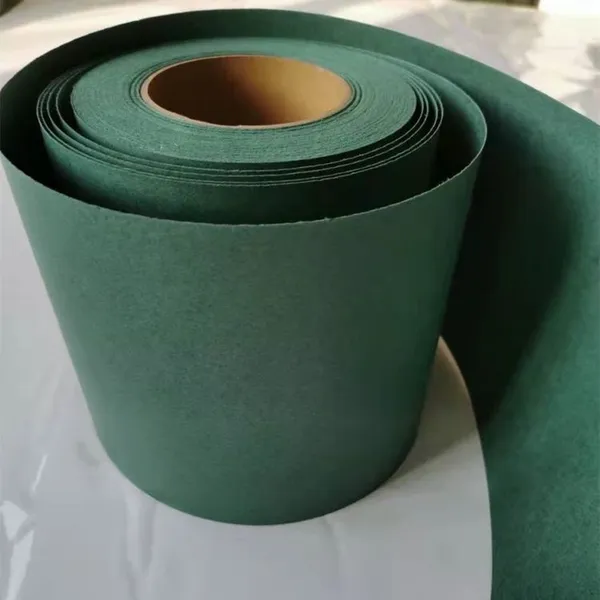 Read More

Contact Us
Recommended Products
-
 Colored Silicone Flat Washer FF Full Surface With Water Line Silicone Pad High Temperature Resistant 230℃ Valve Pipe Sealing GasketNegotiableMOQ: 100 Blades
 -
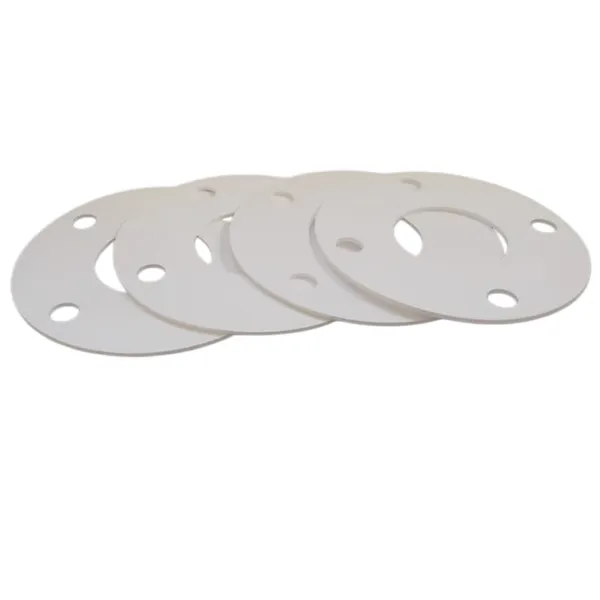
PTFE Gasket With Holes, National Standard Flange Multi-hole PTFE Sealing GasketNegotiableMOQ: 100 Blades
-
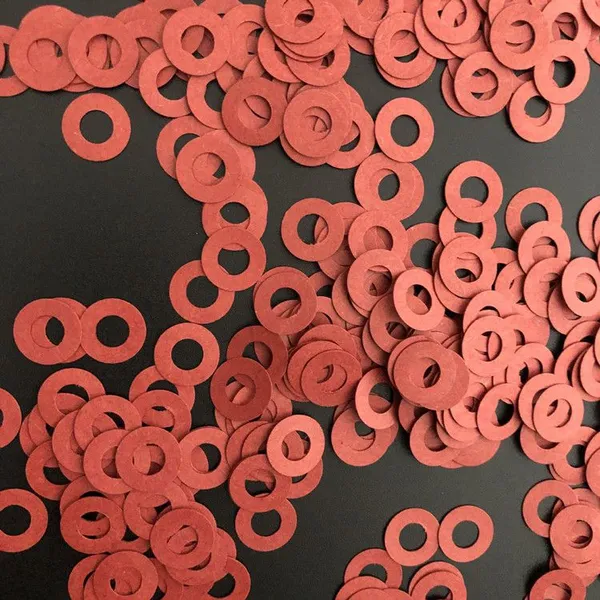
Red Steel Paper Gasket Insulation Flat Washer Red Mica Quick Connector Paper WasherNegotiableMOQ: 100 Blades
-
Nylon Washer Black Plastic Flat Washer Insulating Shock-absorbing Wear-resistant Self-lubricatingNegotiableMOQ: 100 Blades
-
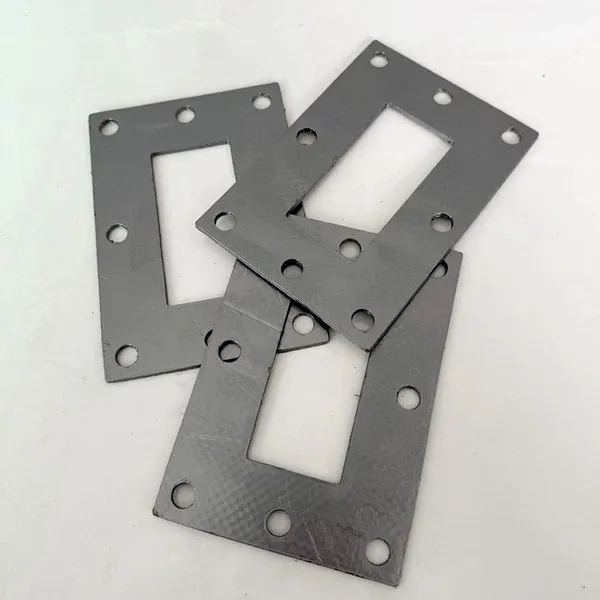
Perforated Graphite Composite Gasket 304 Stainless Steel Reinforced High Temperature and High Pressure Flange Gasket Boiler SteamNegotiableMOQ: 100 Blades
-
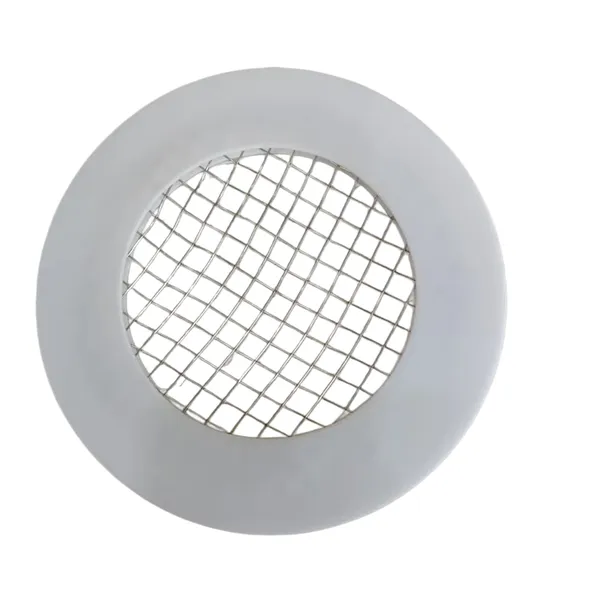
PTFE Filter Gasket With Stainless Steel Mesh; PTFE Filter Sealing Gasket With Stainless Steel MeshNegotiableMOQ: 100 Blades
-
Metal Reinforced PTFE PTFE Gasket Chemical Corrosion Resistant GasketNegotiableMOQ: 100 Blades
-
Reinforced Metal Winding Gasket 304 Stainless Steel Flange Sealing GasketNegotiableMOQ: 100 Blades
-
Filter Mesh Winding Gasket 304 Stainless Steel Inner and Outer Ring GasketNegotiableMOQ: 100 Blades
-
Pure Aluminum Gasket Soft Aluminum Flat Washer 0.1-3mm High Temperature Resistant Sealing Aluminum WasherNegotiableMOQ: 100 Blades
-
Metal Octagonal Ring Gasket Oval Gasket 304/316L Stainless Steel Metal Ring Gasket RJ Flange GasketNegotiableMOQ: 100 Blades
-
Basic Metal Spiral Wound Gasket 304 Graphite Spiral Wound Gasket Tongue and Groove FlangeNegotiableMOQ: 100 Blades
-
Metal Graphite Spiral Wound Gasket High Temperature Flange Pipe Sealing GasketNegotiableMOQ: 50 Blades
-
Stainless Steel Flexible Graphite Corrugated Composite Gasket Irregular Thick Reinforced High Temperature and High Pressure Sealing GasketNegotiableMOQ: 100 Blades
-
304 Stainless Steel Oval Metal Ring Gasket RJ Flange Oval Gasket High Pressure and High Temperature Resistant Sealing WasherNegotiableMOQ: 10 Units
-
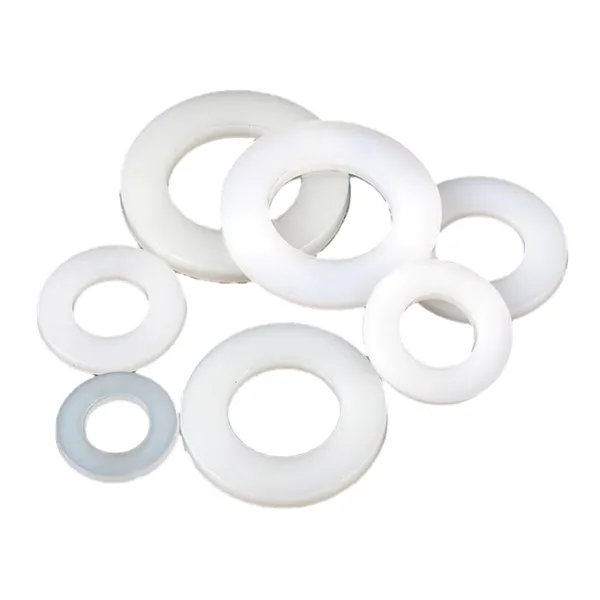
PTFE Gasket, Polytetrafluoroethylene Sealing Gasket, White Teflon Flat Gasket, High Temperature and Acid/alkali Resistant Industrial Flange WasherNegotiableMOQ: 25 Units
-
Elastic Expanded PTFE Gasket Soft Teflon Gasket Pipe Flange Sealing Gasket High and Low Temperature Corrosion Resistant Ready Stock Custom MadeNegotiableMOQ: 25 Units
-
Metal Lens Gasket, No-hole and With-hole Lens Gasket, High-pressure Angle Valve Hydrogen Pipeline Flange Sealing Gasket Custom-madeNegotiableMOQ: 25 Units
-
Metal Serrated Gasket | Wave Profile Composite Gasket for High Temperature and High Pressure Flange SealingNegotiableMOQ: 100 Blades
-
High Temperature and High Pressure Octagonal Ring Joint Gasket Oval Flange Gasket Carbon Steel 304 316 Stainless SteelNegotiableMOQ: 1 Unit