 Business License

Graphite plate: high-temperature and corrosion-resistant industrial carbon plate, a core material
In harsh industrial scenarios such as high-temperature metallurgy, chemical electrolysis, new energy, thermal power sealing and semiconductor thermal fields, metal plates often face problems like high-temperature oxidation, acid-base corrosion, thermal deformation, and uneven heat conduction. These issues not only affect equipment precision also increase downtime and maintenance costs. However, with its comprehensive performance of ultra-high temperature resistance, strong corrosion resistance, balanced electrical and thermal conductivity, and excellent thermal stability, graphite has become a core basic material for high-temperature, corrosive, and conductive heat exchange working conditions, and an indispensable carbon plate material in modern high-end industrial manufacturing.
Many people know that graphite plates are high-temperature resistant, but they are unclear about their specific advantages, classification differences, and applicable scenarios. Today, we will take you through a comprehensive understanding of graphite plates to help you accurately match working conditions and avoid selection pitfalls.
I. What is a graphite plate? A graphite plate is a plate-shaped carbon material made primarily high-purity carbon graphite through multiple processes including crushing, proportioning, high-pressure molding, high-temperature firing, vacuum impregnation, and precision machining. Some high-end models high-purity purification and anti-oxidation treatment to enhance overall stability and service life. Unlike ordinary carbon plates, industrial-grade graphite plates possess a regular layered crystal structure, featuring an extremely coefficient of thermal expansion, excellent thermal and electrical conductivity, and strong chemical inertness. At the same time, they are lightweight, easy to cut, and easy to finish. They be customized to any size and irregular shape according to equipment requirements, making them suitable for use with various industrial equipment.
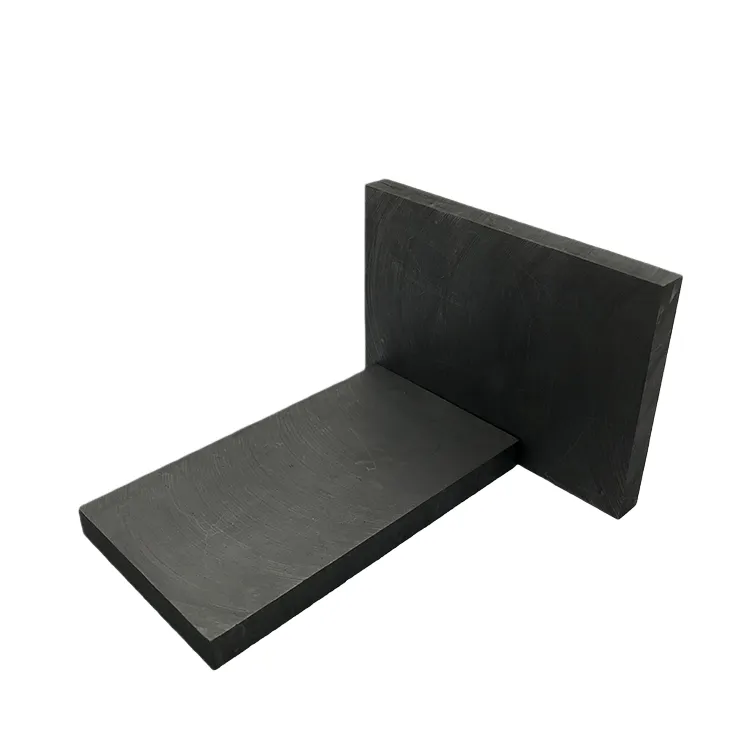
II. Six core performance characteristics of graphite plates, crushing traditional plates 1. Ultra-high temperature resistance, with high-temperature strength increasing rather than decreasing Graphite plate is one of the top materials in terms of temperature resistance among commonly industrial plates. In an inert atmosphere, it can withstand ultra-high temperatures of 3000°C, and in conventional air conditions, it can be used stably at temperatures 650°C. Most uniquely, while ordinary metals soften, deform, and experience a sharp drop in strength at high temperatures, the structure of graphite plates becomes denser high-temperature environments, and their mechanical strength increases rather than decreases, making them completely fearless of extreme working conditions such as high-temperature furnace chambers, smelting equipment, and high- fields. 2. Corrosion resistance without reaction, extremely strong chemical stability Graphite plates possess excellent chemical inertness. At both room and high temperatures, they are insoluble in water,-base solutions, and organic solvents. They can withstand most strong acids, strong bases, salts, and corrosive flue gas media without swelling, corrosion, oxidation, or deterioration. In chemical electrolysis desulfurization and denitrification, and corrosive fluid equipment, they can perfectly replace stainless steel and alloy plates, significantly reducing the risk of corrosion leakage and plate damage. 3. heat conduction, efficient heat dissipation, and good temperature difference stability Graphite plates have excellent thermal conductivity, with a thermal conductivity coefficient far exceeding that of ordinary steel. Heat transfer is and heat dissipation is fast, preventing local overheating or excessive temperature differences. Meanwhile, the material has an extremely low coefficient of thermal expansion. When facing rapid changes in temperature differences, it not prone to cracking, deformation, or warping, exhibiting excellent thermal shock resistance. It is highly suitable for use in precision thermal fields, heat exchange equipment, and electronic heat dissipation.4. Stable conductive performance, suitable for electrolytic conductive working conditions High-purity graphite plates feature uniform resistance and stable performance. They are unlikely to overheat, break down, or produce electric arcs during electrification, making them the core conductive plate material for electrolytic cells, electroplating equipment, fuel cells, flow batteries. Compared to metal electrodes, graphite electrodes are corrosion-resistant, have low wear, and a longer service life, effectively improving electrolysis efficiency and reducing energy consumption costs. . Self-lubricating, wear-resistant, and scratch-resistant with a long service life Graphite itself possesses a natural layered lubricating structure. The surface of graphite plates smooth with a low coefficient of friction, providing excellent self-lubricating and wear-resistant properties. They are unlikely to wear out or jam during equipment operation, requiring no additional media, and are suitable for various high-temperature friction and sliding seal working conditions. 6. Lightweight and easy to process, suitable for non-standard customization The density graphite plates is much lower than that of metal plates, making them lighter and easier to transport, install, and replace. Meanwhile, they can be freely cut, drilled, grooved and polished, and processed into various irregular-sized plates, gaskets, electrode plates, and insulation components. They are compatible with both standard and non-standard customized equipment, offering extremely processing flexibility.
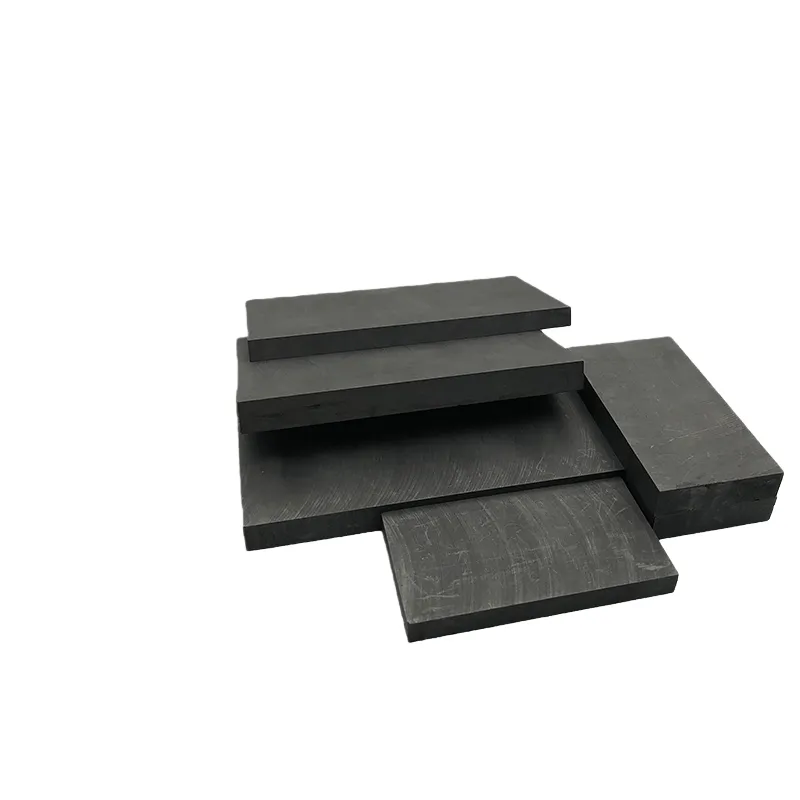
III. Common graphite plate classifications and differences Commonly used industrial graphite plates are mainly divided into three categories, with significant differences in selection depending on the working conditions - Ordinary graphite plates: High cost-performance ratio and moderate purity, mainly used for conventional insulation, lining, ordinary sealing, and low-temperature heat exchange scenarios. They are for general industrial scenarios with mild working conditions, no strong corrosion, and no ultra-high temperature requirements. - High-purity graphite plates: Carbon content ≥99.% with extremely low impurities. Their high-temperature resistance, conductivity, and corrosion resistance are significantly enhanced, making them suitable for high-end and stringent working conditions such as semiconductor thermal, single-crystal silicon growth, precision electrolysis, and new energy battery electrode plates. - Flexible graphite plates (expanded graphite plates): Made by expanding and pressing flake graphite, they have soft texture and excellent sealing properties. They mainly focus on sealing gaskets, flange seals, and high-temperature gaskets, and are widely used for sealing in thermoelectric, chemical piping, and equipment.
IV. Core Application Fields, Covering All Industrial High-Temperature Scenarios 1. Metallurgy and High-Temperature Thermal Field Used as high-temperature furnace linings, insulation boards, sintering plates, thermal field components for monocrystalline and polycrystalline silicon, and smelting equipment spacer plates. It withstands high temperatures of a thousand degrees for long periods without deformation or detachment, ensuring the stable operation of high-temperature equipment. 2. Chemical Electrolysis and Anti-corrosion Industry Used as plates and cathode plates for electrolytic cells, linings for chemical reaction equipment, and anti-corrosion liners. It is suitable for highly corrosive working conditions such as acid-base electrolysis and reactions, solving the pain points of metal plates being easily corroded and quickly worn. 3. New Energy and Electronics Industry Used for fuel cell graphite bipolar plates, conductive plates flow batteries, heat dissipation plates for electronic equipment, and thermal management components for precision instruments. Leveraging the advantages of uniform heat conduction, stable electrical conductivity, and lightweight properties, it improves energy efficiency and stability of new energy equipment. 4. Power Generation and Environmental Desulfurization Applied to boiler manholes, handholes, flue flanges, high-temperature steam sealing gaskets, and anti-corrosion plates for desulfurization and denitrification equipment. It withstands high-temperature flue gas and corrosive media, is heat-resistant and aging-, and is suitable for the complex working conditions of power plants. 5. Mechanical Sealing and General Industry Flexible graphite plates are widely used for sealing various high-temperature flanges pumps, valves, and heat exchangers, replacing traditional asbestos gaskets and metal gaskets. They provide high-temperature resistant sealing without air leakage or seepage, making them suitable for sealing modifications of industrial equipment.
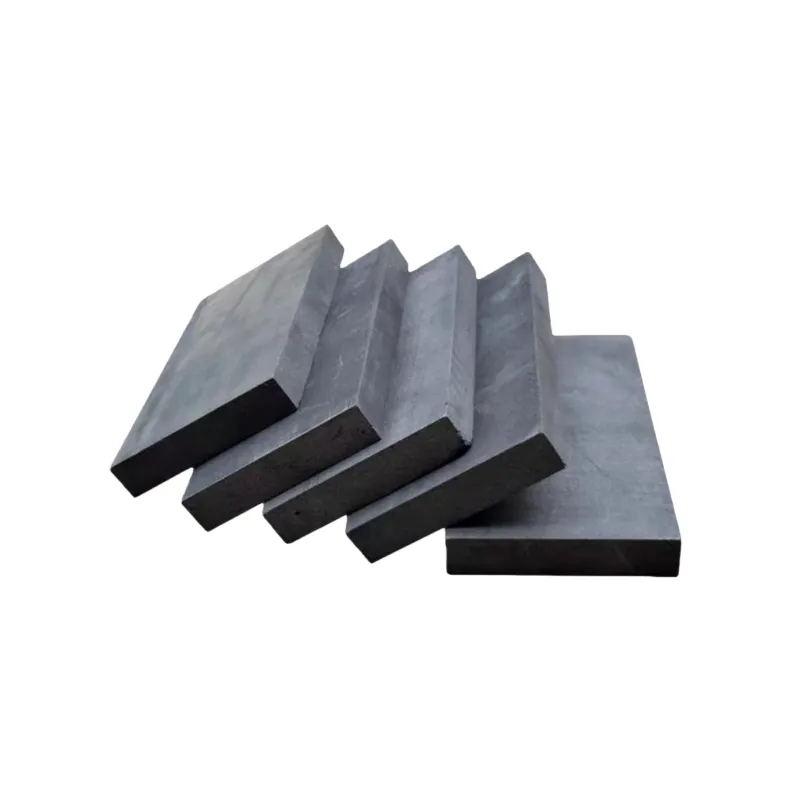
V. Graphite Plate Selection and Usage Tips Many users encounter problems such as plate cracking, rapid oxidation, and poor electrical conductivity, most of which are caused by selection: 1. High-temperature oxygen-containing working conditions: Prioritize selecting high-purity graphite plates with anti-oxidation treatment, and use anti-oxidation coatings when to delay high-temperature oxidation loss; 2. Electrolysis and conductive working conditions: High-purity graphite plates must be selected, with low impurities and stable resistance, to heating during power conduction and electrode plate breakdown; 3. Sealing gasket working conditions: Prioritize flexible expanded graphite plates, which have good flexibility and high fit, providing a sealing effect superior to rigid graphite plates; 4. Frequent alternating hot and cold working conditions: Select high-density graphite plates with a low coefficient of expansion, which have strong thermal shock resistance are not easily cracked or deformed.
VI. Summary: Small plates, great value, an essential material for high-temperature industries. Graphite plates may appear to be ordinary industrial plates, with their versatile properties of extreme high-temperature resistance, strong corrosion resistance, stable electrical and thermal conductivity, thermal shock resistance, and ease of processing, they fill the performance gap between metal plates ordinary non-metal plates. Whether in high-end new energy, semiconductor precision manufacturing, or traditional metallurgy, chemical engineering, and power equipment, graphite plates are core consumables for improving stability, reducing operation and maintenance costs, and extending equipment lifespan, serving as an irreplaceable industrial carbon material under high-temperature and corrosive working conditions.
Recently Posted
-
O-ring: The "Invisible Contract" of Industrial Sealing and the Philosophy of Working Conditions
August 7, 2026In the vast and complex system of industrial equipment, people often marvel at the meshing of precision gears or the pressurebeari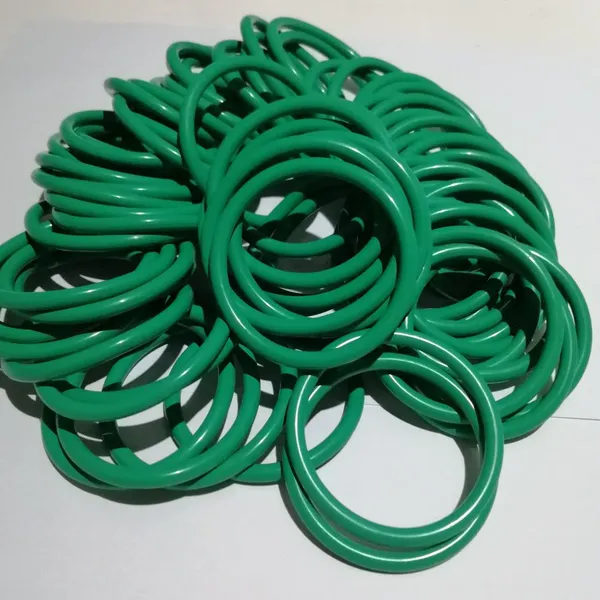 Read More
 -
Nano-aerogel felt: "Super insulation" breaking thermodynamic limits and industrial reshaping
August 7, 2026Under the grand narrative of the global energy structure transition and the "dual carbon" goals, energy conservation and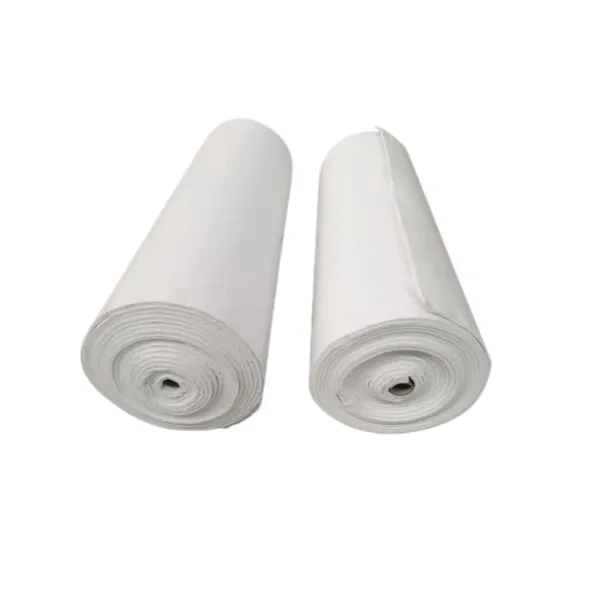 Read More
 -
Aluminum Gaskets: The "Flexible Contract" in Industrial Connections
August 5, 2026In industrial systems such as mechanical manufacturing, petrochemicals, electronics, and aerospace, aluminum gaskets/washers, as f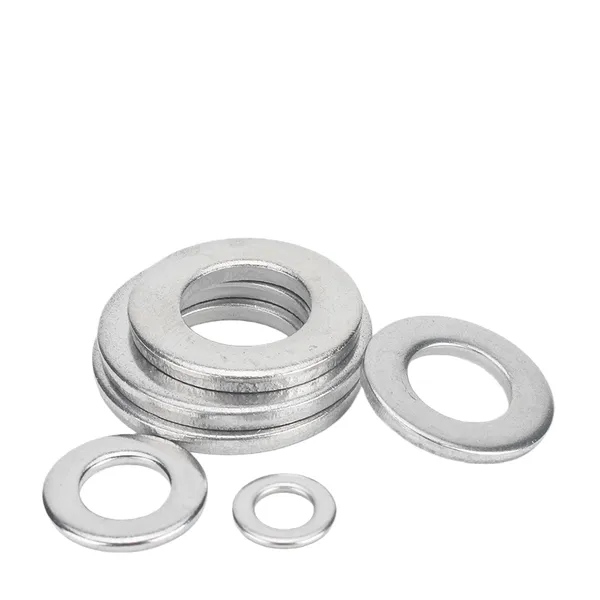 Read More
 -
Qingke Paper: The "Paper Armor" and Insulation Philosophy in the Electronics and New Energy Sectors
August 5, 2026Inside new energy batteries, precision motors, and various electronic and electrical devices, countless tiny components are hidden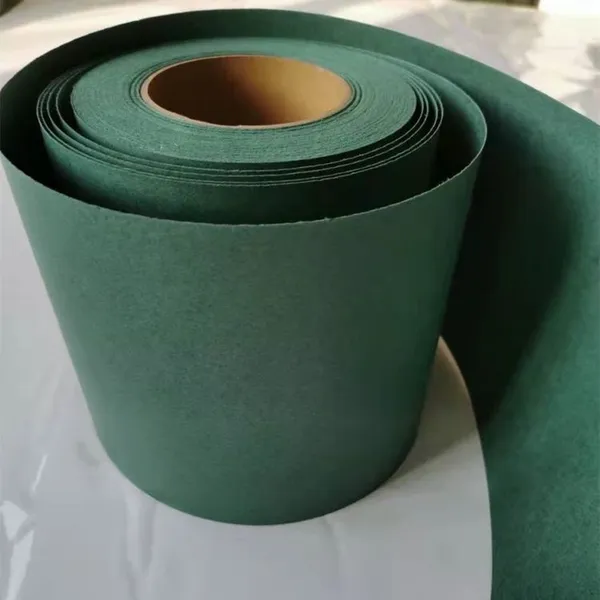 Read More

Contact Us
Recommended Products
-
 Colored Silicone Flat Washer FF Full Surface With Water Line Silicone Pad High Temperature Resistant 230℃ Valve Pipe Sealing GasketNegotiableMOQ: 100 Blades
 -
PTFE Gasket With Holes, National Standard Flange Multi-hole PTFE Sealing GasketNegotiableMOQ: 100 Blades
-
Red Steel Paper Gasket Insulation Flat Washer Red Mica Quick Connector Paper WasherNegotiableMOQ: 100 Blades
-
Nylon Washer Black Plastic Flat Washer Insulating Shock-absorbing Wear-resistant Self-lubricatingNegotiableMOQ: 100 Blades
-
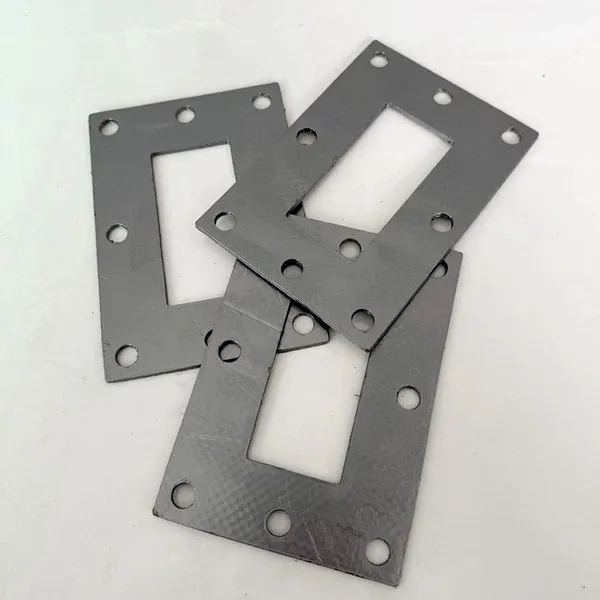
Perforated Graphite Composite Gasket 304 Stainless Steel Reinforced High Temperature and High Pressure Flange Gasket Boiler SteamNegotiableMOQ: 100 Blades
-
PTFE Filter Gasket With Stainless Steel Mesh; PTFE Filter Sealing Gasket With Stainless Steel MeshNegotiableMOQ: 100 Blades
-
Metal Reinforced PTFE PTFE Gasket Chemical Corrosion Resistant GasketNegotiableMOQ: 100 Blades
-
Reinforced Metal Winding Gasket 304 Stainless Steel Flange Sealing GasketNegotiableMOQ: 100 Blades
-
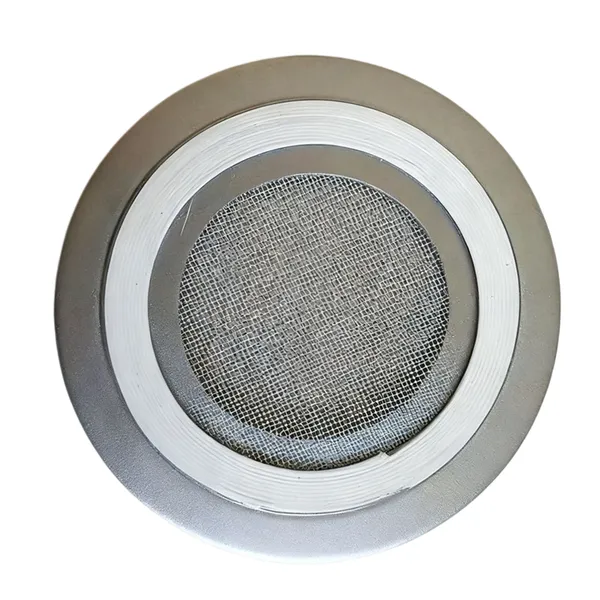
Filter Mesh Winding Gasket 304 Stainless Steel Inner and Outer Ring GasketNegotiableMOQ: 100 Blades
-
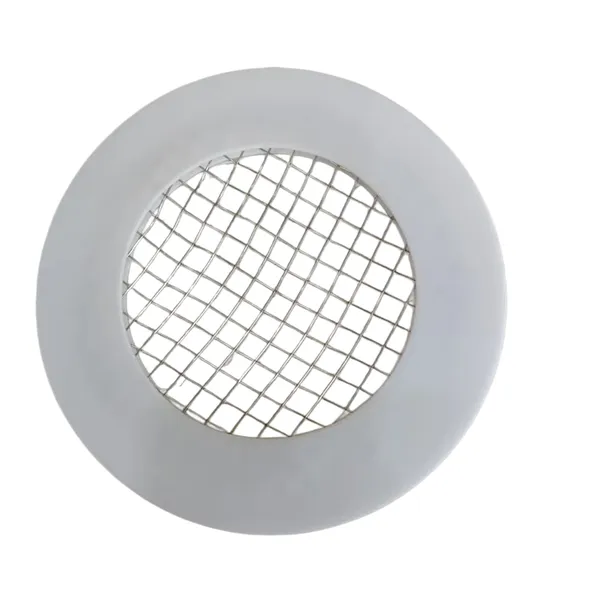
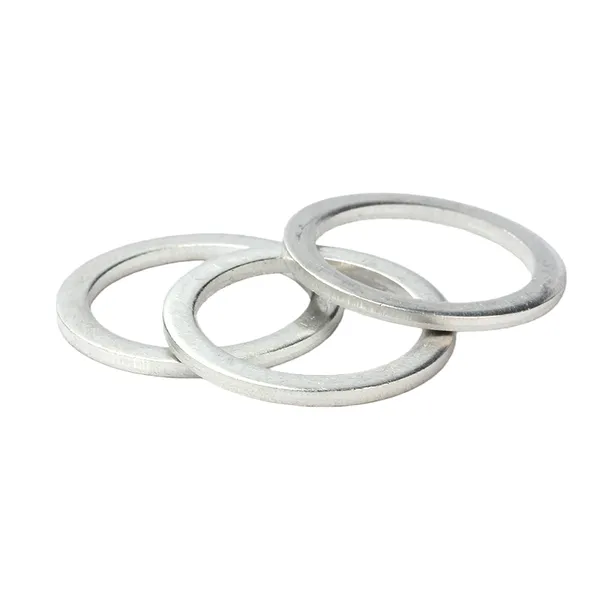
Pure Aluminum Gasket Soft Aluminum Flat Washer 0.1-3mm High Temperature Resistant Sealing Aluminum WasherNegotiableMOQ: 100 Blades
-
Metal Octagonal Ring Gasket Oval Gasket 304/316L Stainless Steel Metal Ring Gasket RJ Flange GasketNegotiableMOQ: 100 Blades
-
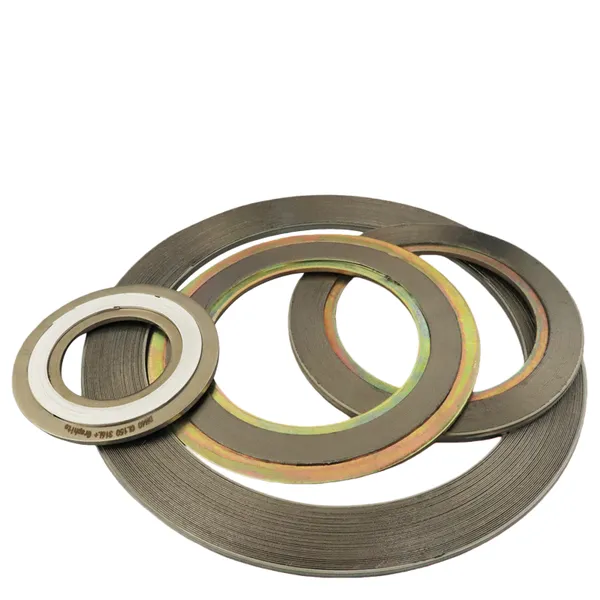
Basic Metal Spiral Wound Gasket 304 Graphite Spiral Wound Gasket Tongue and Groove FlangeNegotiableMOQ: 100 Blades
-
Metal Graphite Spiral Wound Gasket High Temperature Flange Pipe Sealing GasketNegotiableMOQ: 50 Blades
-
Stainless Steel Flexible Graphite Corrugated Composite Gasket Irregular Thick Reinforced High Temperature and High Pressure Sealing GasketNegotiableMOQ: 100 Blades
-
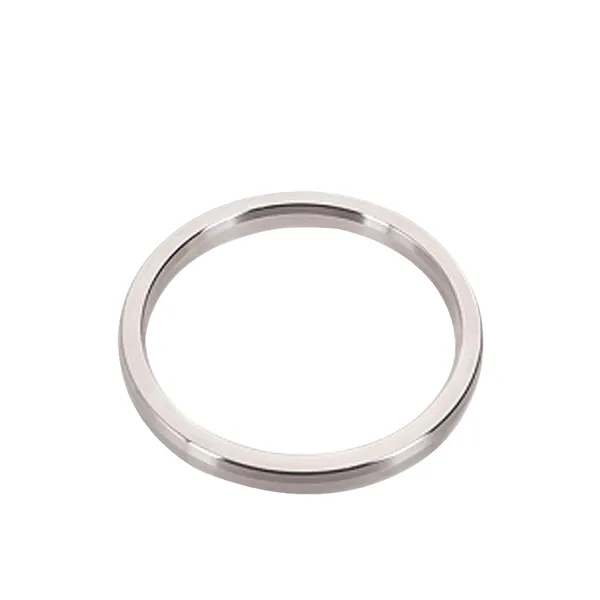
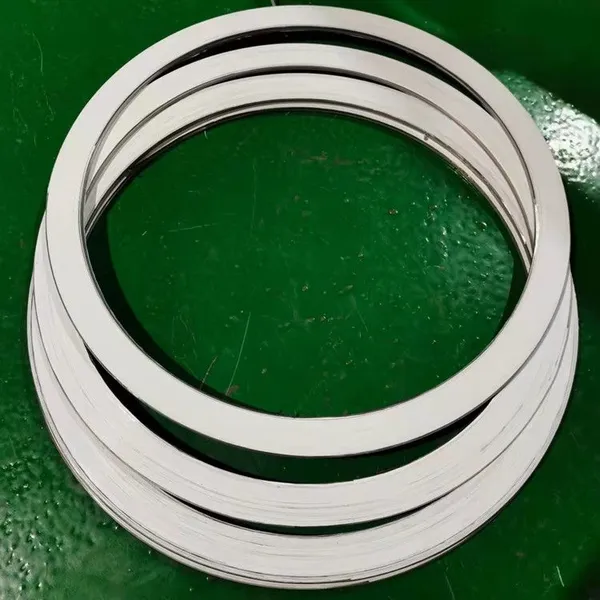
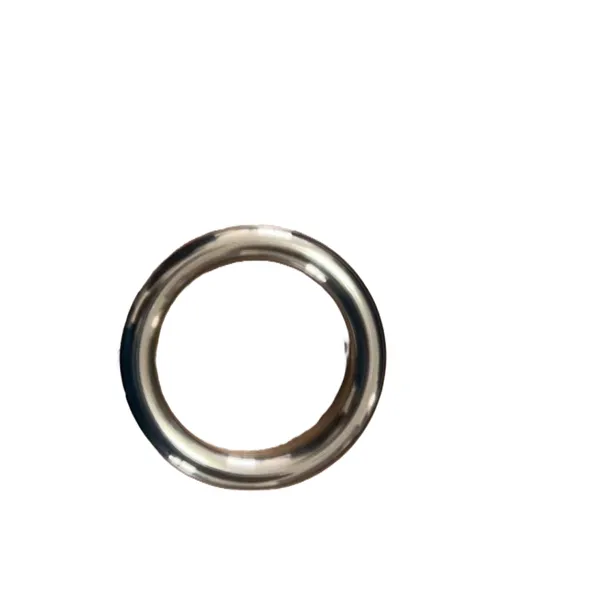
304 Stainless Steel Oval Metal Ring Gasket RJ Flange Oval Gasket High Pressure and High Temperature Resistant Sealing WasherNegotiableMOQ: 10 Units
-
PTFE Gasket, Polytetrafluoroethylene Sealing Gasket, White Teflon Flat Gasket, High Temperature and Acid/alkali Resistant Industrial Flange WasherNegotiableMOQ: 25 Units
-
Elastic Expanded PTFE Gasket Soft Teflon Gasket Pipe Flange Sealing Gasket High and Low Temperature Corrosion Resistant Ready Stock Custom MadeNegotiableMOQ: 25 Units
-
Metal Lens Gasket, No-hole and With-hole Lens Gasket, High-pressure Angle Valve Hydrogen Pipeline Flange Sealing Gasket Custom-madeNegotiableMOQ: 25 Units
-
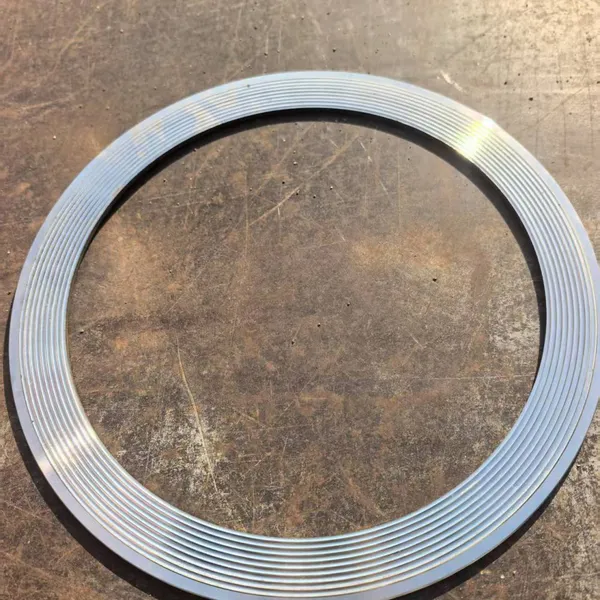
Metal Serrated Gasket | Wave Profile Composite Gasket for High Temperature and High Pressure Flange SealingNegotiableMOQ: 100 Blades
-
High Temperature and High Pressure Octagonal Ring Joint Gasket Oval Flange Gasket Carbon Steel 304 316 Stainless SteelNegotiableMOQ: 1 Unit