 Business License

PTFE flexible strip: the "universal flexible guardian" of industrial sealing, solving the leakage
In industrial sectors such as chemical engineering, energy, machinery, and environmental protection, equipment leakage has always been a core pain point that affects production safety increases operation and maintenance costs, and reduces production efficiency. Whether it is an environment with alternating high and low temperatures, highly corrosive acid and alkali media, or rough and irregular sealing contact surfaces ordinary gaskets and sealing strips are often prone to problems such as hardening, cracking, aging, and sealing failure. Among numerous sealing materials, PTFE expanded elastic tape (expanded PTFE elastic), with its versatile performance advantages, has become the preferred sealing solution for harsh working conditions, widely known as the "flexible universal guardian" in the field of industrial sealing. Today, we will deconstruct this niche yet practical industrial sealing material to help you understand its core value and application scenarios.
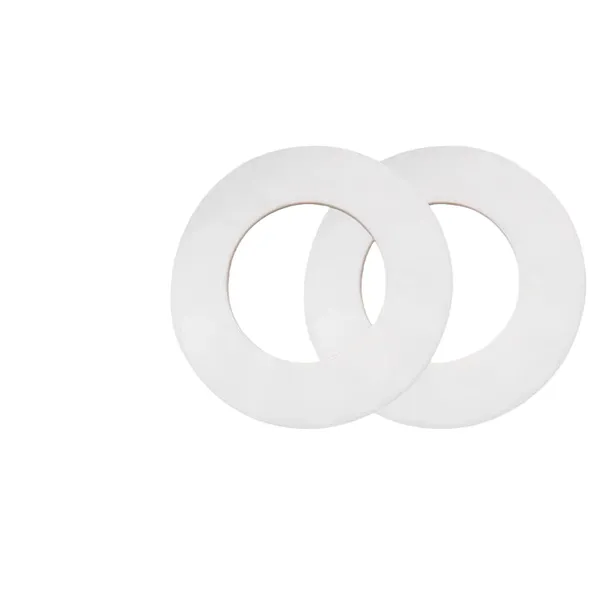
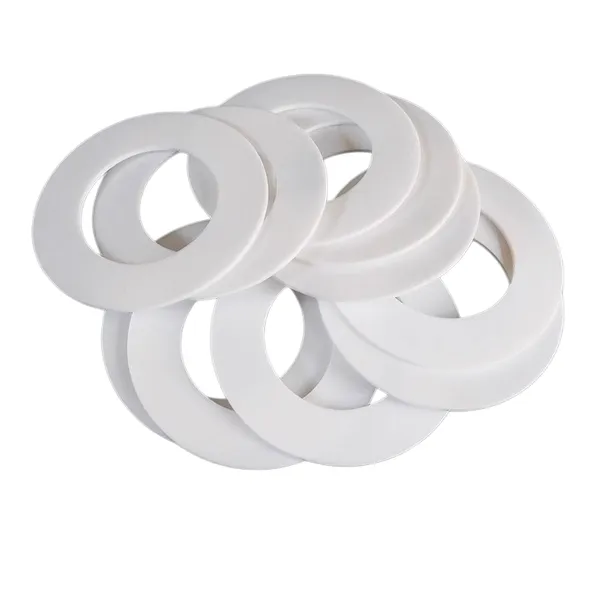
I. What is PTFE Elastic Tape? PTFE elastic tape, also known as expanded PTFE tape soft PTFE sealing tape, or self-adhesive PTFE tape, is a flexible strip sealing material made from pure PTFE dispersion resin as the core raw material. It is processed through special techniques as strip pressing, high-temperature expansion, and stretching/shaping, and belongs to the core category of modified PTFE sealing products. Unlike ordinary rigid PTFE gaskets, after expansion modification it completely overcomes the shortcomings of traditional PTFE materials being too hard and having poor resilience. It combines the stable weather resistance of pure PTFE with the flexible resilience of rubber materials. With soft texture that can be easily bent and cut, it is a lightweight sealing consumable specifically designed for sealing various flanges, pipes, and equipment interfaces. It is mainly available on the market two styles: single-sided adhesive and double-sided adhesive, adapting to different installation scenarios with extremely high flexibility.
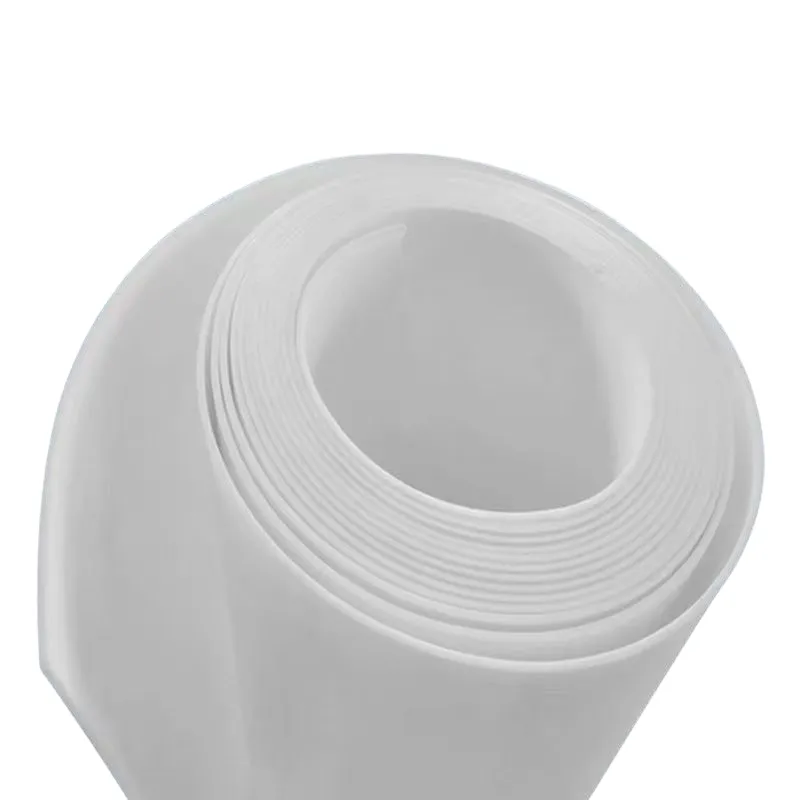
II. Five Core Advantages, Crushing Ordinary Sealing MaterialsThe reason why PTFE elastic tape can replace traditional asbestos gaskets, rubber sealing strips, and ordinary PTFE gaskets to become the mainstream choice for industrial sealing lies in its comprehensive performance advantages, making suitable for most complex working conditions: 1. Ultra-wide temperature range, unafraid of extreme temperature differences It possesses industry-leading high and low-temperature resistance, with a long-term stable operating temperature range of -196°C to 260°C, and a short-term instantaneous temperature resistance of over 28°C. In low-temperature cryogenic environments, it will not become brittle or crack, maintaining an elongation of over 5% and good toughness; in high-temperature working conditions it does not soften, flow, or deform. Its thermal stability far exceeds that of ordinary rubber and rubber-plastic sealing materials, making it perfectly suitable for high-temperature pipelines,-temperature energy storage equipment, and alternating hot and cold working conditions. 2. Universal corrosion resistance, suitable for strong chemical media Inheriting the extreme chemical inertness of PTFE, it can withstand acids and bases across the entire pH range of 0-14, except for elemental fluorine and molten alkali metals. This includes concentrated sulfuric acid, concentrated hydrochloric, strong alkaline solutions, organic solvents, strong oxidizers, oil-water mixtures, and various other corrosive materials. In chemical reaction kettles and corrosive media transport pipelines, it will be dissolved, swollen, or aged, completely solving the problem of sealing leakage caused by corrosion. 3. Flexible and highly elastic, suitable for irregular and rough contact surfaces This the most core differentiating advantage of PTFE elastic tape. Traditional rigid sealing gaskets have extremely high requirements for the flatness of the equipment contact surface. Once the flange surface is rough, scratched uneven, or has an irregular curved surface, sealing gaps will appear. However, PTFE elastic tape has a soft texture and excellent compression resilience, allowing it to fit tightly against various irregular contact surfaces easily filling gaps, holes, and grooves to achieve a gap-free seal. It also possesses a unique pressure self-tightening characteristic: the higher the internal pressure of the medium the stronger the sealing fit and the more stable the sealing effect. 4. Weather-resistant and anti-aging, with an ultra-long service life The material itself does not, age, or mold. It is resistant to UV rays and weather aging, and is unaffected by environments such as moisture and dust. In static sealing working conditions, its service life can 5-8 years, far superior to rubber seals (2-3 years) and ordinary gaskets (3-5 years), significantly reducing the frequency of equipment maintenance and the replacement of sealing consumables.5. Easy Installation, Zero-Threshold Adaptation No pre-customization or molding required, vulcanization treatment needed. It can be cut to any length and bent into any shape on-site, adapting to all specifications of flanges and pipe interfaces. The self-adhesive version can directly pasted and fixed, saving time and effort during installation. A single person can quickly complete the sealing assembly, significantly improving the efficiency of equipment maintenance and installation. Meanwhile, the material non-toxic, odorless, and impurity-free, meeting environmental protection standards, making it suitable for sealing scenarios in food, pharmaceutical, and pure water equipment.
III. Mainstream Application Sc, Covering Sealing Needs Across All Industries With its versatile performance, the PTFE elastic tape is widely used in various industrial fields as a general-purpose sealing consumable. Its core scenarios are as follows: - Chemical Industry: Sealing of chemical pipeline flanges, reaction kettles, storage tanks, heat exchangers, and acid-base transport equipment interfaces, replacing traditional-prone asbestos and rubber gaskets. - Energy and Power Industry: Sealing of high-temperature steam pipelines, desulfurization and denitrification equipment, lithium battery electrolyte storage tanks, and energy storage equipment, adapting to complex working conditions with high/low temperatures and heavy dust. - Machinery Manufacturing Industry: Sealing of pump and valve interfaces, mechanical equipment flanges, hydraulic/pneumatic equipment, solving minor leakage problems caused by equipment operation vibration. - Food, Pharmaceutical, and Environmental Protection Industries: Sealing of pure water equipment, food processing, pharmaceutical equipment, and sewage treatment equipment, being non-toxic and pollution-free to meet hygienic production standards. - General Industrial Scenarios: Sealing of various irregular flanges renovation sealing for old equipment, and temporary equipment sealing modifications, adapting to non-standard equipment and solving problems where traditional gaskets cannot fit.

IV. Installation and Usage Tips to Improvealing Stability Many users report poor sealing effects, mostly due to inadequate installation details. Mastering the following simple tips can maximize the sealing performance of the PTFE elastic tape: 1. the contact surface: Thoroughly clean oil, rust, and impurities from the flange and interface surfaces before installation to ensure a flat and clean contact surface, avoiding debris affecting the fit; 2 Cut to a reasonable size: Cut the elastic tape according to the interface circumference. Use a cross-overlap method at the joint instead of a direct butt joint to eliminate interface gaps leakage; 3. Press and fix evenly: After pasting the adhesive, press evenly to ensure a complete fit. Follow the principle of applying pressure diagonally and evenly when tightening bolts to avoid failure caused by uneven local compression; 4. Select the model based on working conditions: Choose the single-sided adhesive version for conventional working conditions. For high-frequency vibration and negative conditions, the double-sided adhesive thickened version is preferred. For high-pressure conditions, multiple layers can be overlapped.
V. Summary: Small Material, Big Impact, the Cost- Choice for Industrial Sealing In industrial production, small sealing consumables often determine the operational stability of the entire set of equipment. The PTFE elastic tape discards the single-dimensional defects traditional sealing materials, integrating advantages such as high/low temperature resistance, corrosion resistance, high elasticity, easy installation, and long service life. It can both solve the leakage problems harsh working conditions and reduce operation and maintenance costs while improving production safety.Compared to high-end customized seals, it has higher cost-effectiveness and stronger versatility; compared to ordinary gaskets, it has more stable performance and a wider range of applicable scenarios. It is one of the optimal solutions for industrial equipment sealing, old equipment renovation, and working condition upgrades, is truly the "universal guardian" of industrial flexible sealing.

Recently Posted
-
O-ring: The "Invisible Contract" of Industrial Sealing and the Philosophy of Working Conditions
August 7, 2026In the vast and complex system of industrial equipment, people often marvel at the meshing of precision gears or the pressurebeari Read More
 -
Nano-aerogel felt: "Super insulation" breaking thermodynamic limits and industrial reshaping
August 7, 2026Under the grand narrative of the global energy structure transition and the "dual carbon" goals, energy conservation and Read More
 -
Aluminum Gaskets: The "Flexible Contract" in Industrial Connections
August 5, 2026In industrial systems such as mechanical manufacturing, petrochemicals, electronics, and aerospace, aluminum gaskets/washers, as f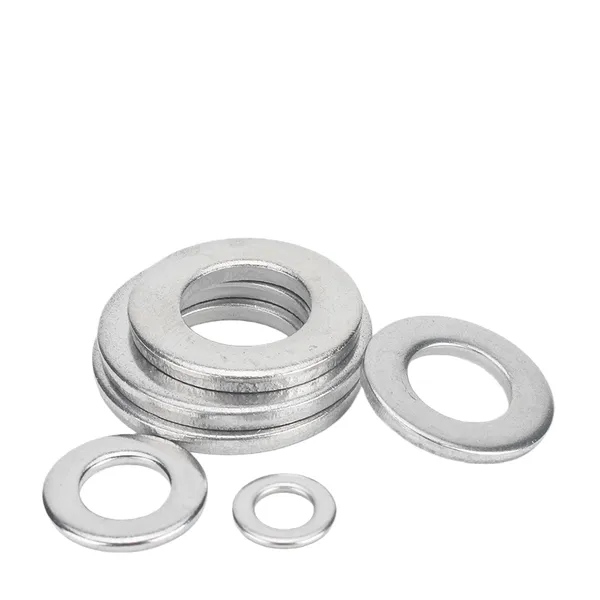 Read More
 -
Qingke Paper: The "Paper Armor" and Insulation Philosophy in the Electronics and New Energy Sectors
August 5, 2026Inside new energy batteries, precision motors, and various electronic and electrical devices, countless tiny components are hidden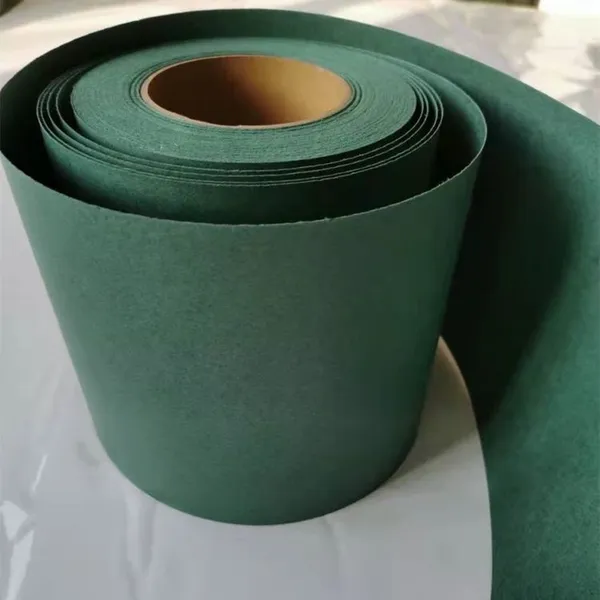 Read More

Contact Us
Recommended Products
-
 Colored Silicone Flat Washer FF Full Surface With Water Line Silicone Pad High Temperature Resistant 230℃ Valve Pipe Sealing GasketNegotiableMOQ: 100 Blades
 -
PTFE Gasket With Holes, National Standard Flange Multi-hole PTFE Sealing GasketNegotiableMOQ: 100 Blades
-
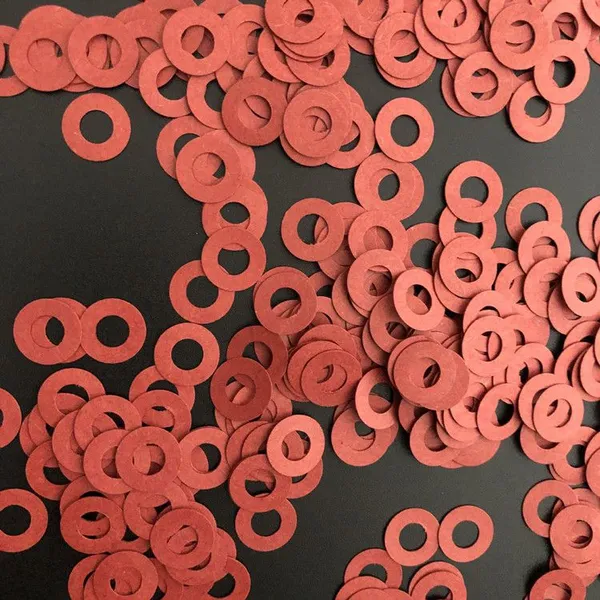
Red Steel Paper Gasket Insulation Flat Washer Red Mica Quick Connector Paper WasherNegotiableMOQ: 100 Blades
-
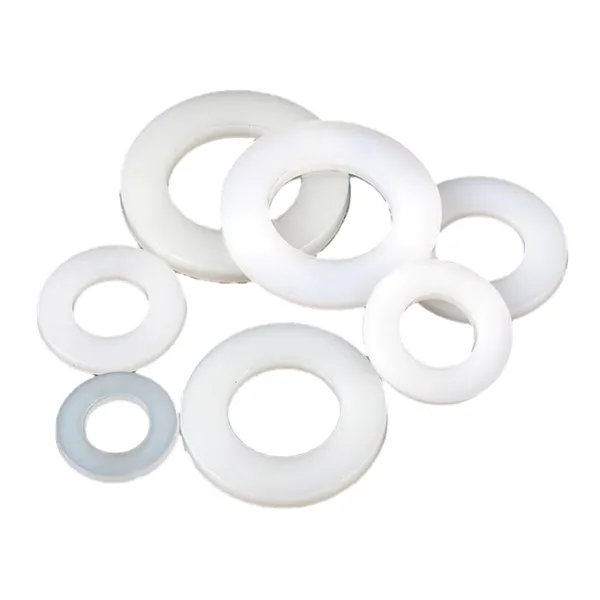
Nylon Washer Black Plastic Flat Washer Insulating Shock-absorbing Wear-resistant Self-lubricatingNegotiableMOQ: 100 Blades
-
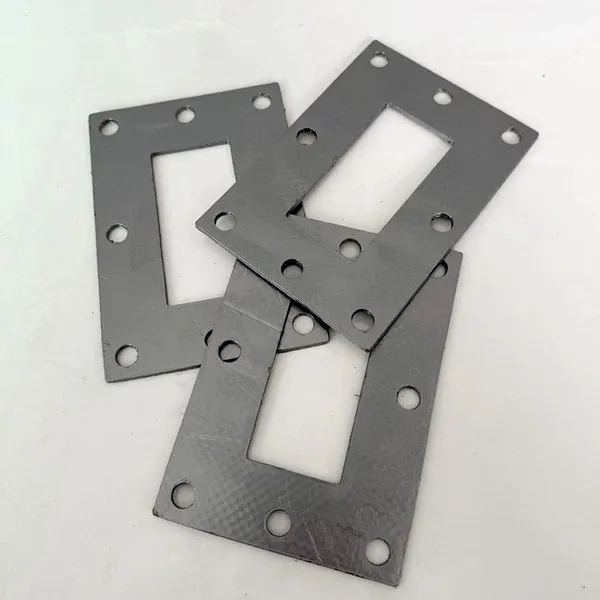
Perforated Graphite Composite Gasket 304 Stainless Steel Reinforced High Temperature and High Pressure Flange Gasket Boiler SteamNegotiableMOQ: 100 Blades
-
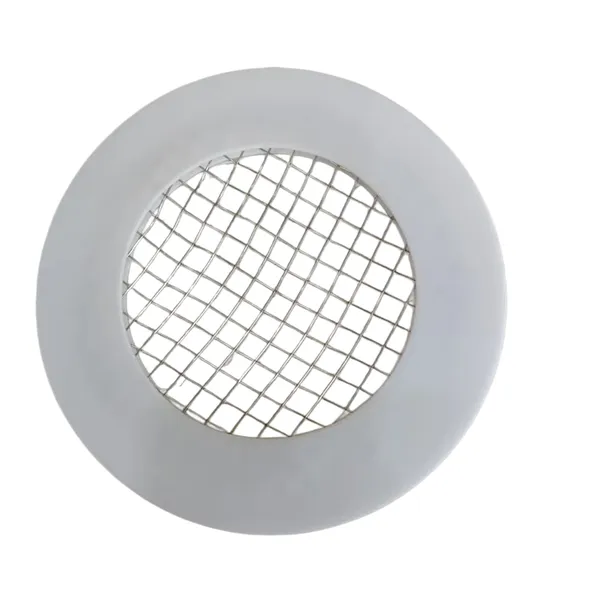
PTFE Filter Gasket With Stainless Steel Mesh; PTFE Filter Sealing Gasket With Stainless Steel MeshNegotiableMOQ: 100 Blades
-
Metal Reinforced PTFE PTFE Gasket Chemical Corrosion Resistant GasketNegotiableMOQ: 100 Blades
-
Reinforced Metal Winding Gasket 304 Stainless Steel Flange Sealing GasketNegotiableMOQ: 100 Blades
-
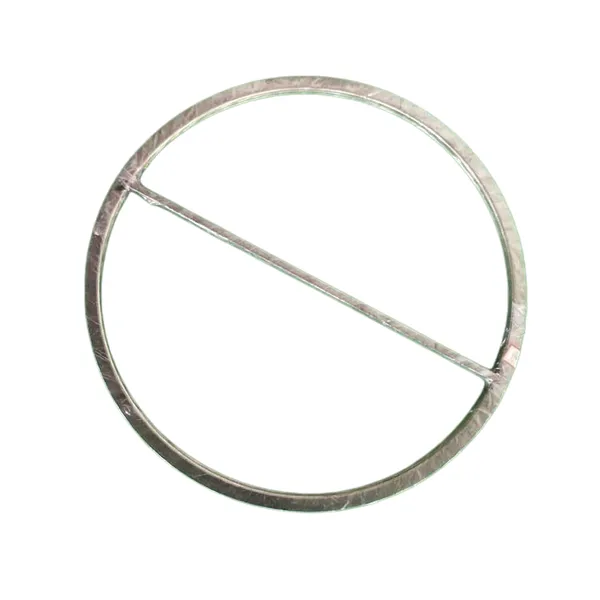
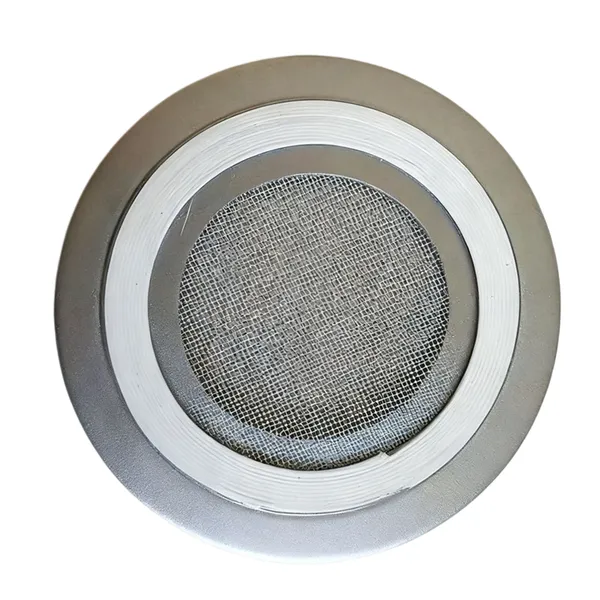
Filter Mesh Winding Gasket 304 Stainless Steel Inner and Outer Ring GasketNegotiableMOQ: 100 Blades
-
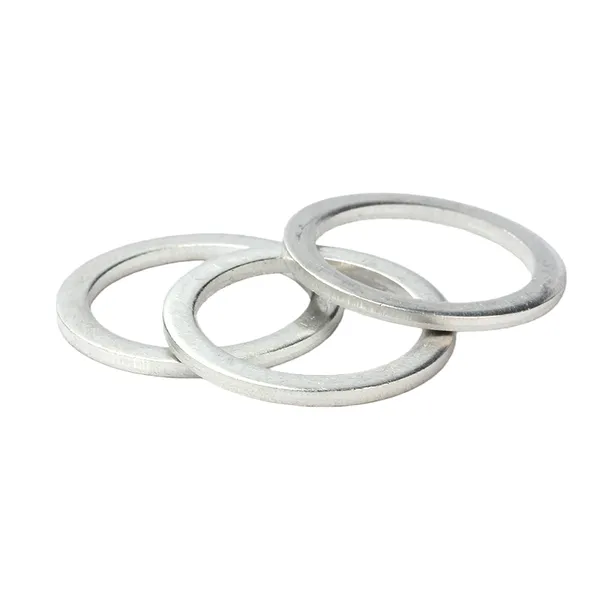
Pure Aluminum Gasket Soft Aluminum Flat Washer 0.1-3mm High Temperature Resistant Sealing Aluminum WasherNegotiableMOQ: 100 Blades

-
Metal Octagonal Ring Gasket Oval Gasket 304/316L Stainless Steel Metal Ring Gasket RJ Flange GasketNegotiableMOQ: 100 Blades
-
Basic Metal Spiral Wound Gasket 304 Graphite Spiral Wound Gasket Tongue and Groove FlangeNegotiableMOQ: 100 Blades
-
Metal Graphite Spiral Wound Gasket High Temperature Flange Pipe Sealing GasketNegotiableMOQ: 50 Blades
-
Stainless Steel Flexible Graphite Corrugated Composite Gasket Irregular Thick Reinforced High Temperature and High Pressure Sealing GasketNegotiableMOQ: 100 Blades
-
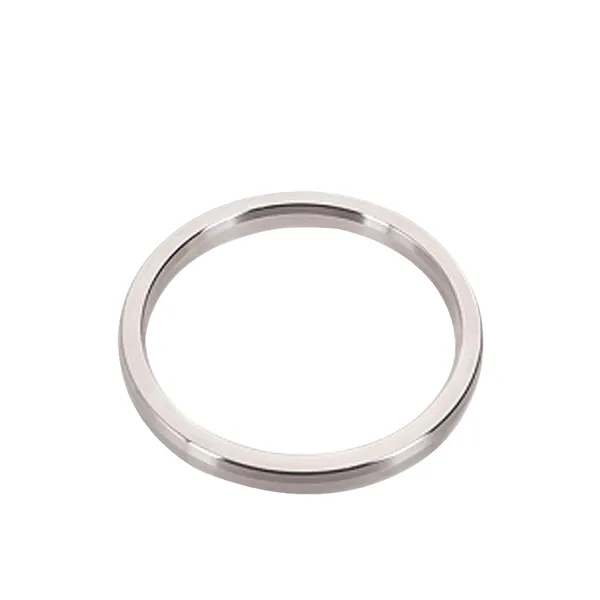
304 Stainless Steel Oval Metal Ring Gasket RJ Flange Oval Gasket High Pressure and High Temperature Resistant Sealing WasherNegotiableMOQ: 10 Units
-
PTFE Gasket, Polytetrafluoroethylene Sealing Gasket, White Teflon Flat Gasket, High Temperature and Acid/alkali Resistant Industrial Flange WasherNegotiableMOQ: 25 Units
-
Elastic Expanded PTFE Gasket Soft Teflon Gasket Pipe Flange Sealing Gasket High and Low Temperature Corrosion Resistant Ready Stock Custom MadeNegotiableMOQ: 25 Units
-
Metal Lens Gasket, No-hole and With-hole Lens Gasket, High-pressure Angle Valve Hydrogen Pipeline Flange Sealing Gasket Custom-madeNegotiableMOQ: 25 Units
-
Metal Serrated Gasket | Wave Profile Composite Gasket for High Temperature and High Pressure Flange SealingNegotiableMOQ: 100 Blades
-
High Temperature and High Pressure Octagonal Ring Joint Gasket Oval Flange Gasket Carbon Steel 304 316 Stainless SteelNegotiableMOQ: 1 Unit