 Business License

Non-asbestos rubber sheet: The "green revolution" and performance reconstruction of industrial
In the sealing landscape of petrochemicals, energy and power, shipbuilding, and the automotive industry, Non-Asbestos Rubber Sheets are quietly steadily completing a comprehensive replacement of traditional asbestos products. This is not a simple material substitution, but a technological revolution driven by environmental regulations, occupational health, and material science. As the ideal alternative to asbestos sheets, non-asbestos rubber sheets eliminate carcinogenic risks while reconstructing the performance boundaries of industrial sealing through the precise composite of high-performance fibers and synthetic rubber. Understanding non-asbestos rubber sheets essentially understanding how contemporary industry has built a new technological paradigm for sealing between "safety, environmental protection, and reliability." Material Essence: From "Fiber Substitution" to "System Reconstruction" core value of non-asbestos rubber sheets stems from their systematic replacement of asbestos fibers and the deep reconstruction of the material system. They completely abandon asbestos fibers, which are classified as Group ogens, and instead adopt high-performance reinforcing materials such as aramid fibers, plant fibers, glass fibers, and carbon fibers. These are compounded with synthetic rubber matrices like Nitrile Butadiene RubberNBR), Ethylene Propylene Diene Monomer (EPDM), and Chloroprene Rubber (CR) through calendering or sheet-making processes under high temperature and pressure. This transformation of material system not only eliminates health and environmental risks but also endows the material with entirely new performance characteristics through the synergistic effect of fibers and rubber. Aramid fibers, with their high, high modulus, and excellent heat resistance, have become the core reinforcing skeleton of high-end non-asbestos rubber sheets, significantly enhancing the material's tensile strength and temperature limits. Plant fibers and glass provide a balance between cost and performance, making them suitable for conventional operating conditions. Meanwhile, the NBR matrix, with its superior oil and media resistance, dominates the petrochemical sector, while EPDM, its excellent weather and heat resistance, is widely used in automotive and construction sealing. This precise "fiber-rubber" composite allows non-asbestos rubber sheets to maintain the sealing performance of traditional sheets while achieving a triple leap in environmental protection, safety, and performance.
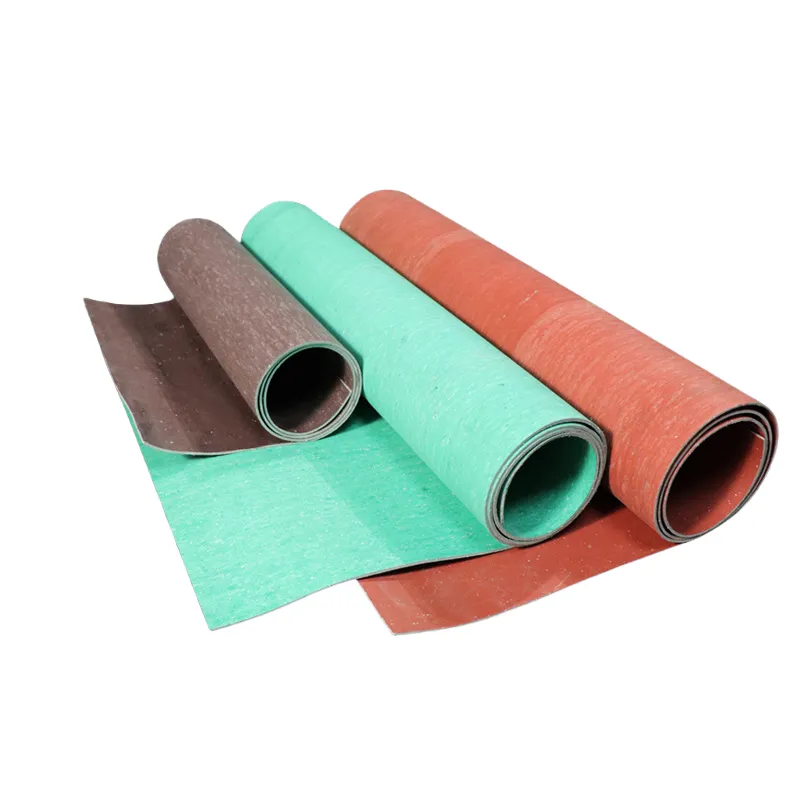
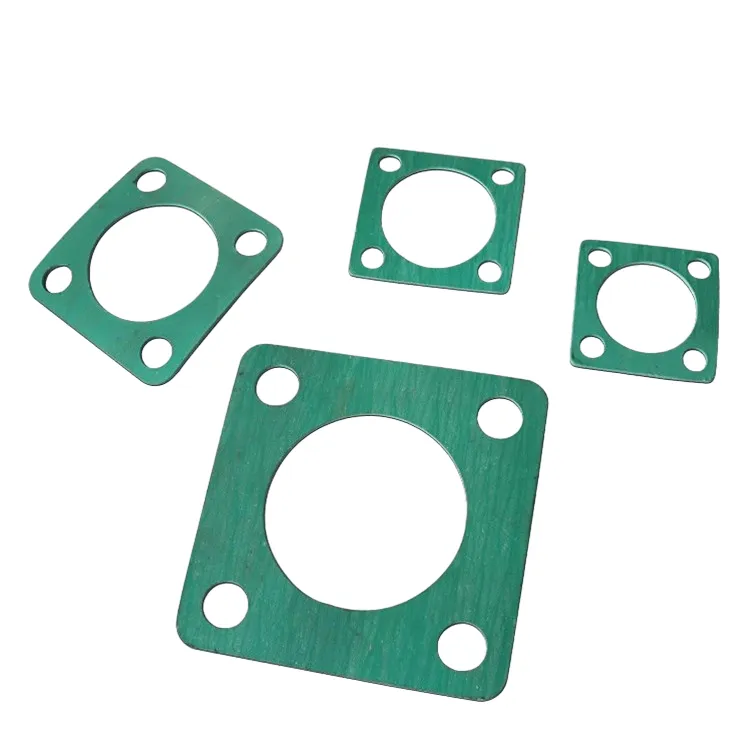
Performance Boundaries: A Dialectical Understanding of Advantages and Limitations The performance advantages of non-asbestos rubber sheets are irreplaceable under operating conditions. Their 100% asbestos-free characteristic completely eliminates health risks to operators and environmental pollution hazards, perfectly aligning with increasingly stringent global environmental regulations and occupational health; their temperature resistance covers -50°C to 400°C (some high-end products can reach 550°C), and pressure resistance can exceed15MPa, meeting the sealing requirements for various media such as water, steam, oil, gas, and salt solutions; meanwhile, their excellent compression recovery and stress relaxation resistance allow to maintain a stable seal under conditions of temperature fluctuations and pressure cycles, with a service life far exceeding that of traditional asbestos sheets. In scenarios such as oil refineries, chemical plants, plants, marine piping, and automotive engines, non-asbestos rubber sheets have become the standard sealing material for flanges, valves, heat exchangers, and pressure vessel connections. However, their limitations also require engineers to maintain a clear understanding. First, the upper temperature limit of non-asbestos rubber sheets is still lower than that of flexible graphite gaskets and metal-wound gaskets, them not the optimal solution in ultra-high temperature conditions above 500°C; second, their performance highly depends on the composite process of fibers and rubber, and inferior are prone to issues such as uneven fiber dispersion and insufficient vulcanization, leading to a decline in sealing performance; furthermore, despite their excellent corrosion resistance, they still require cautious selection when used strongly oxidizing media (such as concentrated nitric acid and concentrated sulfuric acid) and molten alkali metals; in addition, the procurement cost of non-asbestos rubber sheets is higher than that traditional asbestos sheets, and they have high requirements for the flatness of flange faces and the uniformity of bolt tightening force, making them prone to early failure if improperly installed
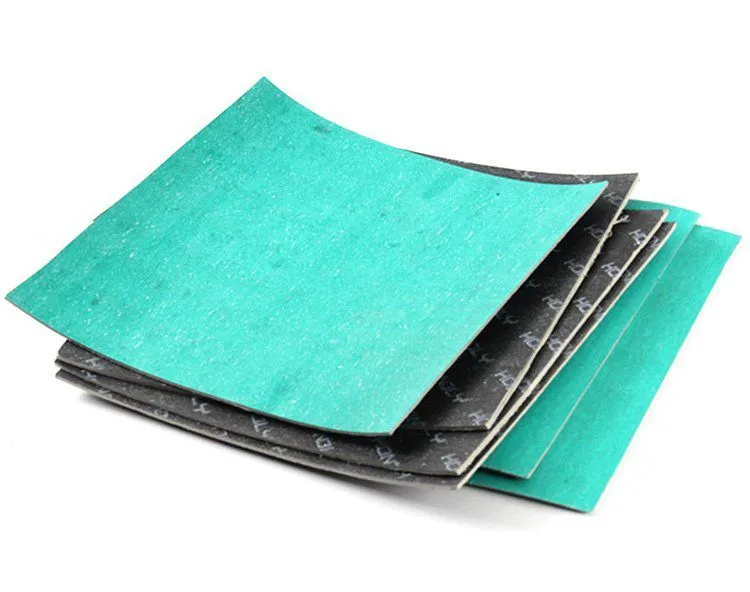
Standard System: From "Vague Concept" to "Precise Definition" The standardization process of non-asbestos rubber sheets is key milestone in their transition from a "vague concept" to a "precise definition". Internationally, "Non-Asbestos Gasket" or "Asbestos Free Gasket" refers to gaskets that are 100% asbestos-free, whereas in the Chinese market, there has long been a confusing practice of calling products containing 5%-20% asbestos "-asbestos" and 100% asbestos-free products "asbestos-free". With the implementation of national standards such as GB/T 222092021 "Asbestos-free fiber-reinforced rubber gasket material for marine use" and GB/T 22208-2008 "Test for non-asbestos fiber-reinforced rubber sheets for marine gaskets", as well as the alignment with international standards like SAE AMS3275D and BS F 12, the definition, performance indicators, and testing methods of non-asbestos rubber sheets have been gradually unified, providing a scientific basis for engineering selection. When selecting products, the-dimensional matching principle of "medium-temperature-pressure-standard" must be strictly followed. For conventional media such as water, steam, and air, priority should be given to asbestosfree fiber-reinforced rubber sheets that comply with the GB/T 22209-2021 standard, with density controlled at 1.8-20g/cm³, tensile strength ≥9MPa, and rebound rate ≥45%; for corrosive media such as oils and solvents, non-asbestos rubber sheets with a nitrile base must be selected, with oil resistance meeting the ASTM F36 standard; for high-temperature and high-pressure working conditions, high-end products reinforced with aramid fibers capable of withstanding temperatures ≥400°C must be chosen, accompanied by third-party test reports and material certificates. Meanwhile, attention must be paid to the performance differences different standard systems to avoid mistakenly using "containing a small amount of asbestos" products in scenarios requiring asbestos-free materials.
Technological Evolution: From "Passive Substitution" to "Active Innovation" With the iterative development of materials science and sealing technology,-asbestos rubber sheets are accelerating their evolution from "passive asbestos substitution" to "active performance innovation". At the material level, the application of new high-performance fibers (such carbon fiber and basalt fiber) and special rubbers (such as fluororubber and silicone rubber) has further expanded the boundaries of temperature resistance, corrosion resistance, and pressure resistance; at process level, the optimization of the pick-up process and improvements in the vulcanization system have enhanced the dispersion uniformity of fibers and the cross-linking density of rubber, significantly improving material's compression recovery and stress relaxation resistance; at the structural level, innovative designs such as metal wire mesh reinforcement and graphite composites enable non-asbestos rubber sheets to adapt more stringent operating conditions, such as high pressure, high temperature, and strong corrosion. Meanwhile, the integration of digital technology has brought a new paradigm to the selection and application of-asbestos rubber sheets. By establishing material performance databases and operating condition matching models, engineers can input parameters such as medium, temperature, pressure, and flange standards online to quickly obtain optimal selection solution; through embedded sensors and Internet of Things (IoT) technology, the sealing status of flange systems can be monitored and warned in real-time, achieving a shift frompost-repair" to "predictive maintenance". These technological evolutions not only expand the performance boundaries of non-asbestos rubber sheets but also drive the paradigm upgrade of industrial sealing "experience-driven" to "data-driven".
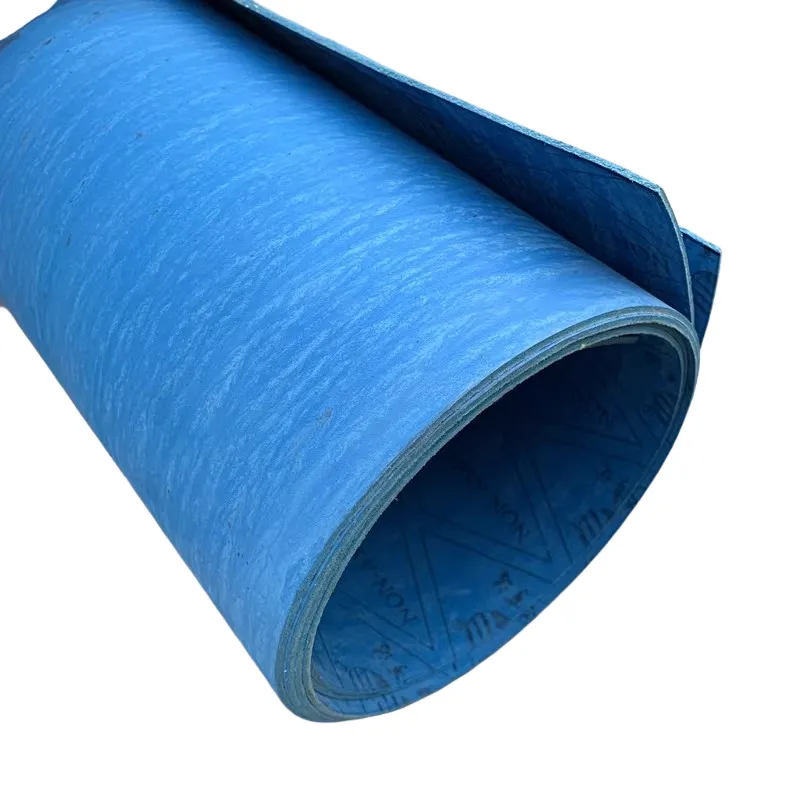
Installation and Maintenance: Critical Control Points in Engineering Practice The sealing reliability of non-asbestos rubber gaskets depends not only on the quality the product itself but more importantly on the refined control of installation and maintenance. Before installation, the flange sealing surface and gasket surface must be thoroughly cleaned to remove oil, rust, scratches, and gasket residues, ensuring the contact surfaces are clean and flat; meanwhile, the flatness of the flange face and the alignment of the bolt holes must be checked, and if defects exist, the flange be repaired or replaced. During installation, the gasket must be accurately placed within the flange sealing surface, avoiding skewing or warping, to ensure the gasket fits perfectly against the flange face when tightening the bolts, a diagonal cross-pattern and incremental step-by-step method must be adopted, gradually reaching the specified torque in 3-4 stages, with the uniformity of flange gap checked after each tightening to ensure even pressure distribution on the gasket and avoid deformation due to uneven loading. In the maintenance phase, a gasket usage log must be established to record installation time, operating parameters, tightening torque, and leakage status, providing data support for subsequent selection and installation. For reusable non-asbestos rubber gaskets, an appearance inspection and dimensional must be conducted after disassembly; if scratches, deformation, or aging are found on the gasket surface, it must be repaired or replaced; if issues such as delamination or loosening occur a new gasket must be used to avoid sealing performance degradation caused by repeated use. Meanwhile, the bolt preload of the flange system must be checked regularly; if bolt loosening or an increased flange is detected, it must be retightened promptly to prevent leakage caused by insufficient preload.
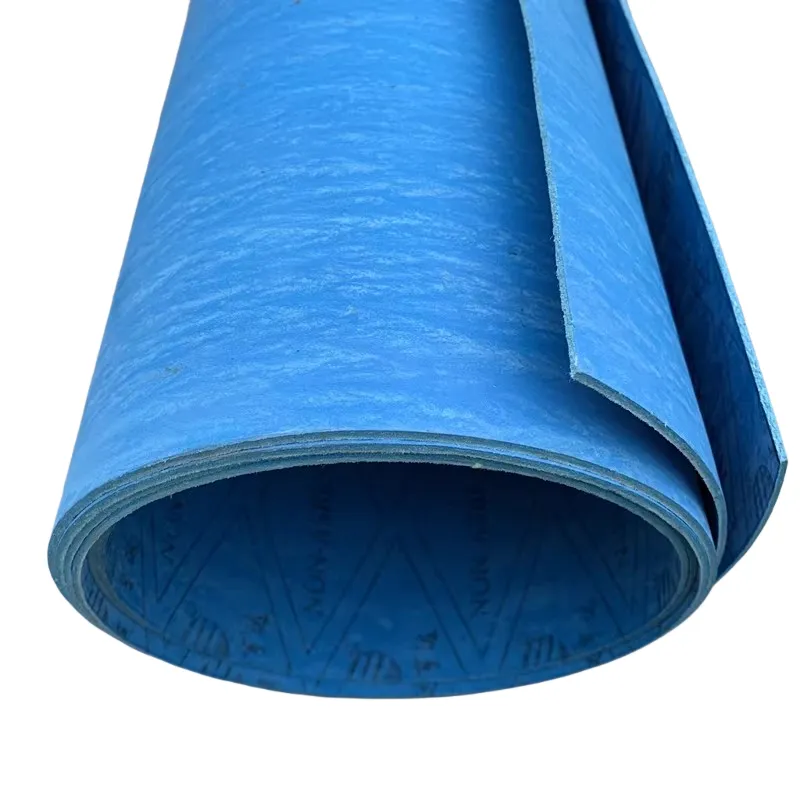
Conclusion: The Engineering Rationality Behind Green Sealing The widespread application of non-asbestos rubber sheets reflects a paradigm shift in industrial sealing from "performance priority" to the "synergy of safety, environmental protection, and performance." It retains the sealing performance and operating condition adaptability of traditional asbestos sheets, while completely eliminating health environmental risks through a deep reconstruction of the material system, providing a durable and reliable sealing guarantee against the backdrop of green manufacturing and sustainable development. The characteristics of this green sealing enable it play an irreplaceable role across a wide range of scenarios, from conventional operating conditions to high temperature and high pressure, and from corrosive media to environmental compliance. With the continuous rise of energy, high-end equipment manufacturing, and environmental protection requirements, the performance demands for non-asbestos rubber sheets are also constantly climbing. In the future, higher temperature resistance stronger corrosion resistance, greater intelligence, and better environmental friendliness will become the main directions for the technological development of non-asbestos rubber sheets. For engineers and material researchers, a deep understanding the material essence, performance boundaries, and selection logic of non-asbestos rubber sheets not only helps in making better selection decisions for current projects but also reserves key technical knowledge to cope with more stringent challenges in the future. Within these seemingly ordinary black sheets lies the engineering rationality and scientific spirit of the continuous progress of industrial sealing technology
Recently Posted
-
O-ring: The "Invisible Contract" of Industrial Sealing and the Philosophy of Working Conditions
August 7, 2026In the vast and complex system of industrial equipment, people often marvel at the meshing of precision gears or the pressurebeari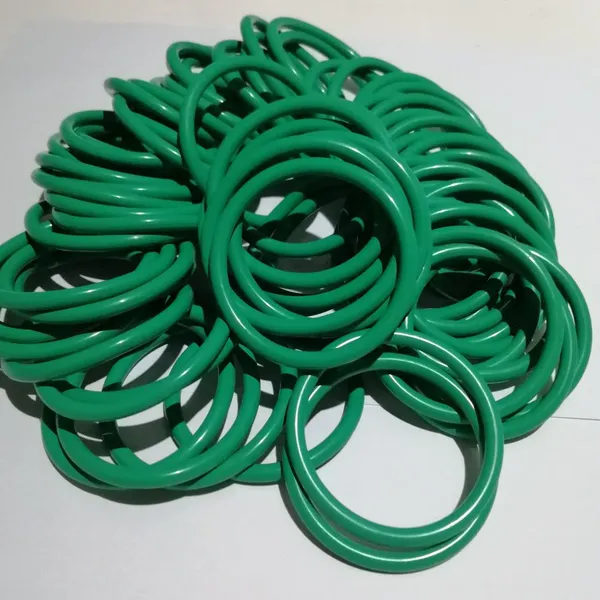 Read More
 -
Nano-aerogel felt: "Super insulation" breaking thermodynamic limits and industrial reshaping
August 7, 2026Under the grand narrative of the global energy structure transition and the "dual carbon" goals, energy conservation and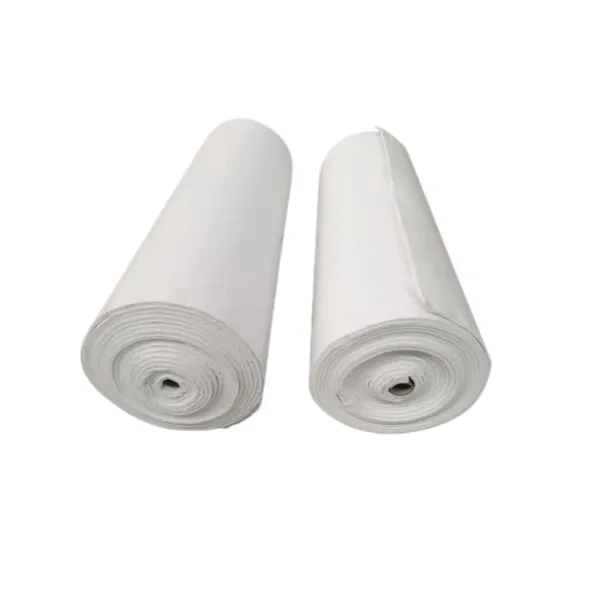 Read More
 -
Aluminum Gaskets: The "Flexible Contract" in Industrial Connections
August 5, 2026In industrial systems such as mechanical manufacturing, petrochemicals, electronics, and aerospace, aluminum gaskets/washers, as f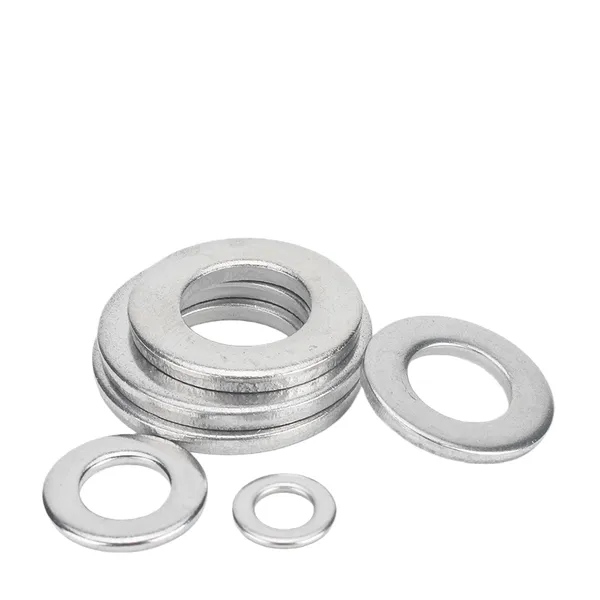 Read More
 -
Qingke Paper: The "Paper Armor" and Insulation Philosophy in the Electronics and New Energy Sectors
August 5, 2026Inside new energy batteries, precision motors, and various electronic and electrical devices, countless tiny components are hidden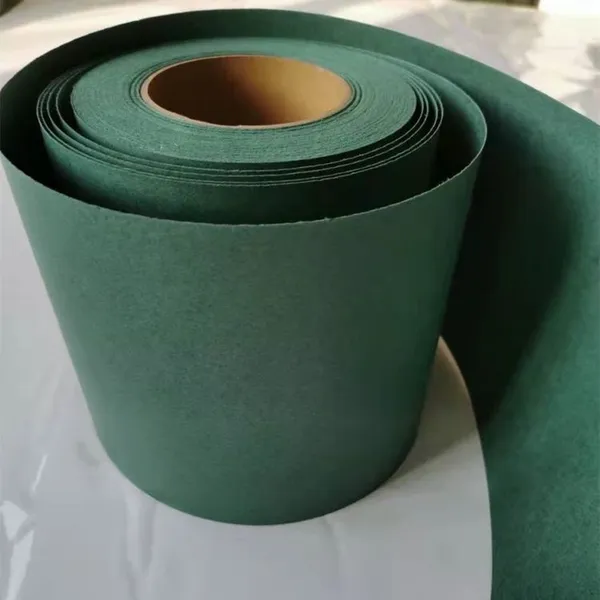 Read More

Contact Us
Recommended Products
-
 Colored Silicone Flat Washer FF Full Surface With Water Line Silicone Pad High Temperature Resistant 230℃ Valve Pipe Sealing GasketNegotiableMOQ: 100 Blades
 -
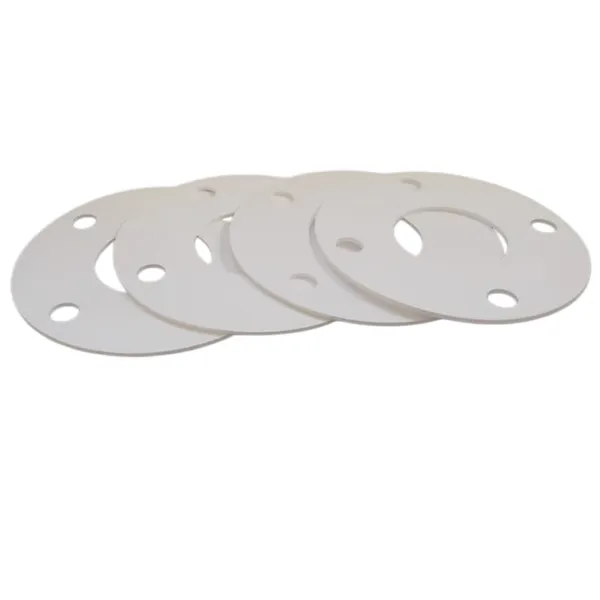
PTFE Gasket With Holes, National Standard Flange Multi-hole PTFE Sealing GasketNegotiableMOQ: 100 Blades
-
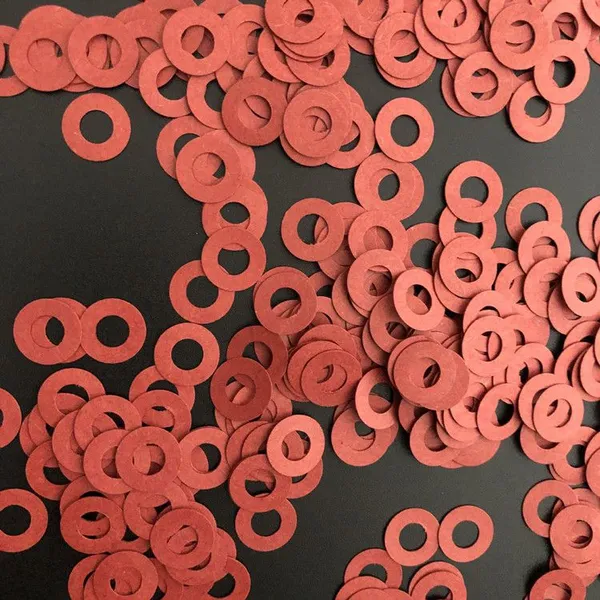
Red Steel Paper Gasket Insulation Flat Washer Red Mica Quick Connector Paper WasherNegotiableMOQ: 100 Blades
-
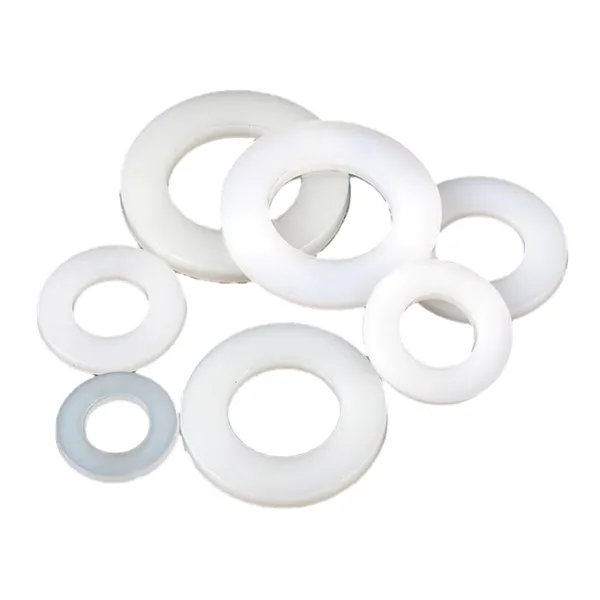
Nylon Washer Black Plastic Flat Washer Insulating Shock-absorbing Wear-resistant Self-lubricatingNegotiableMOQ: 100 Blades
-
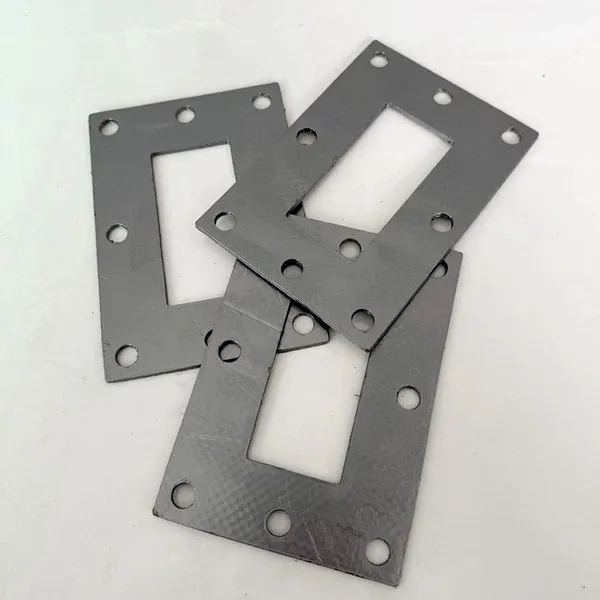
Perforated Graphite Composite Gasket 304 Stainless Steel Reinforced High Temperature and High Pressure Flange Gasket Boiler SteamNegotiableMOQ: 100 Blades
-
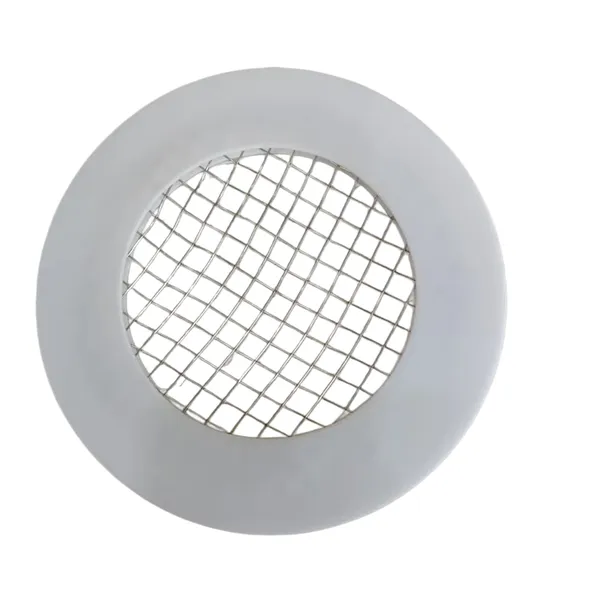
PTFE Filter Gasket With Stainless Steel Mesh; PTFE Filter Sealing Gasket With Stainless Steel MeshNegotiableMOQ: 100 Blades
-
Metal Reinforced PTFE PTFE Gasket Chemical Corrosion Resistant GasketNegotiableMOQ: 100 Blades
-
Reinforced Metal Winding Gasket 304 Stainless Steel Flange Sealing GasketNegotiableMOQ: 100 Blades
-
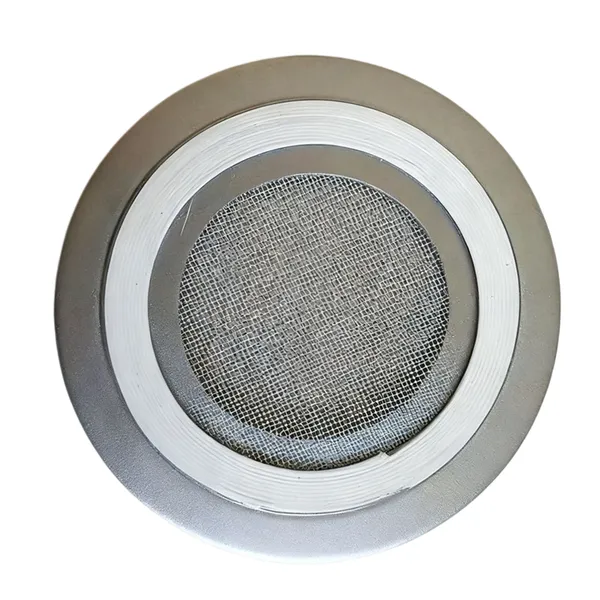
Filter Mesh Winding Gasket 304 Stainless Steel Inner and Outer Ring GasketNegotiableMOQ: 100 Blades
-
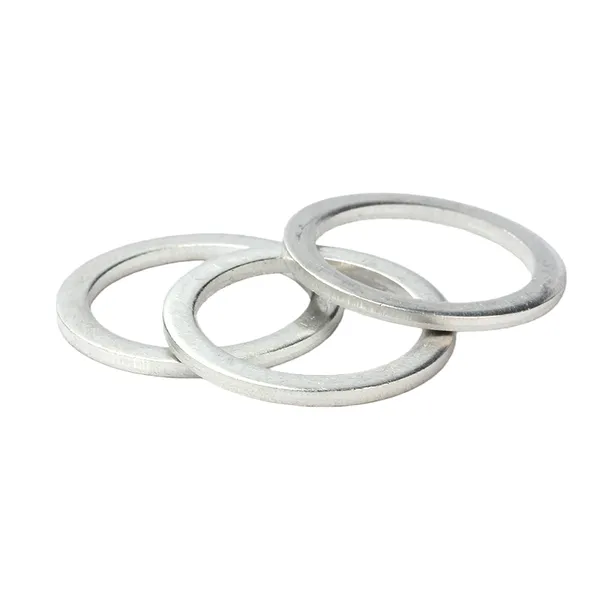
Pure Aluminum Gasket Soft Aluminum Flat Washer 0.1-3mm High Temperature Resistant Sealing Aluminum WasherNegotiableMOQ: 100 Blades
-
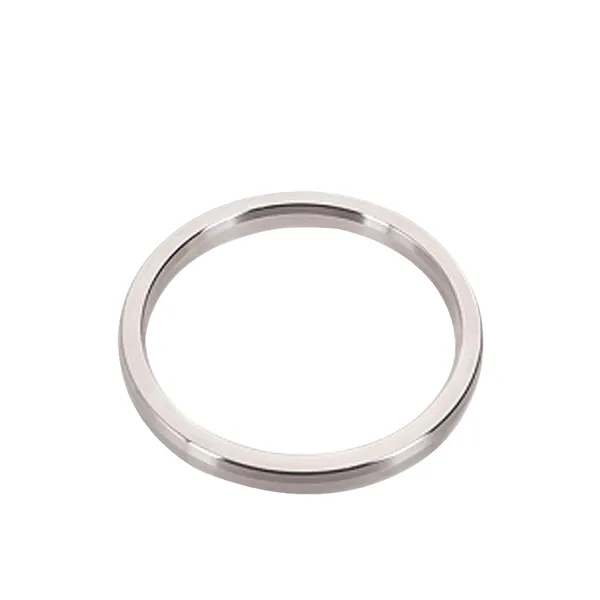
Metal Octagonal Ring Gasket Oval Gasket 304/316L Stainless Steel Metal Ring Gasket RJ Flange GasketNegotiableMOQ: 100 Blades
-
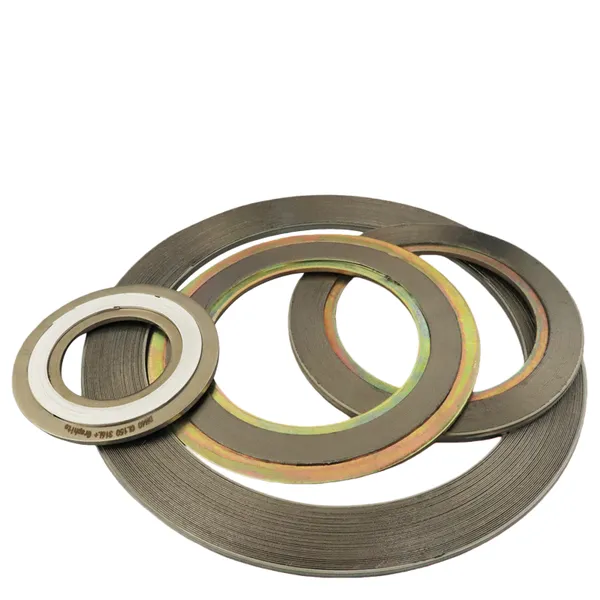
Basic Metal Spiral Wound Gasket 304 Graphite Spiral Wound Gasket Tongue and Groove FlangeNegotiableMOQ: 100 Blades
-
Metal Graphite Spiral Wound Gasket High Temperature Flange Pipe Sealing GasketNegotiableMOQ: 50 Blades
-
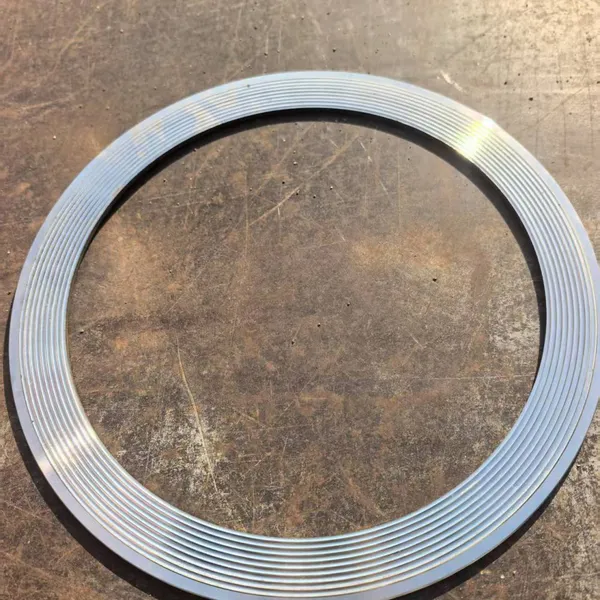
Stainless Steel Flexible Graphite Corrugated Composite Gasket Irregular Thick Reinforced High Temperature and High Pressure Sealing GasketNegotiableMOQ: 100 Blades
-
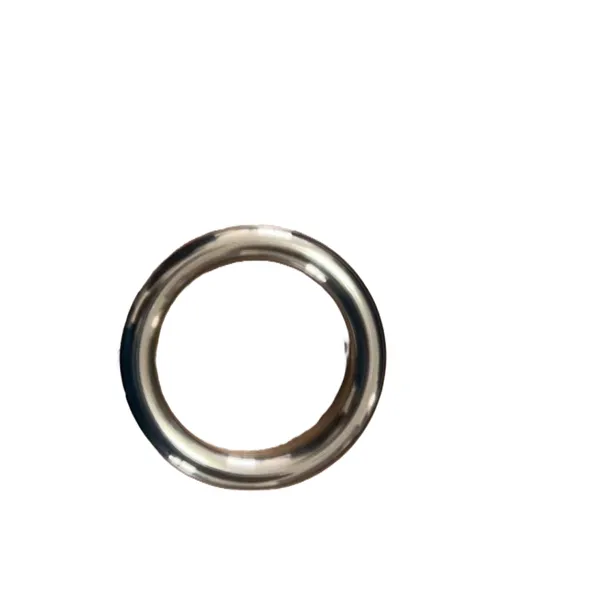
304 Stainless Steel Oval Metal Ring Gasket RJ Flange Oval Gasket High Pressure and High Temperature Resistant Sealing WasherNegotiableMOQ: 10 Units
-
PTFE Gasket, Polytetrafluoroethylene Sealing Gasket, White Teflon Flat Gasket, High Temperature and Acid/alkali Resistant Industrial Flange WasherNegotiableMOQ: 25 Units
-
Elastic Expanded PTFE Gasket Soft Teflon Gasket Pipe Flange Sealing Gasket High and Low Temperature Corrosion Resistant Ready Stock Custom MadeNegotiableMOQ: 25 Units
-
Metal Lens Gasket, No-hole and With-hole Lens Gasket, High-pressure Angle Valve Hydrogen Pipeline Flange Sealing Gasket Custom-madeNegotiableMOQ: 25 Units
-
Metal Serrated Gasket | Wave Profile Composite Gasket for High Temperature and High Pressure Flange SealingNegotiableMOQ: 100 Blades
-
High Temperature and High Pressure Octagonal Ring Joint Gasket Oval Flange Gasket Carbon Steel 304 316 Stainless SteelNegotiableMOQ: 1 Unit