 Business License

Common problems and efficient solutions for PTFE rods, say goodbye to usage failures
PTFE rods (polytetrafluoroethylene rods), with their core characteristics of high temperature resistance, corrosion resistance, self-lubrication,, and wear resistance, are widely used in numerous industries such as chemical engineering, machinery, electronics, sealing, food, and medical sectors, making them indispensable core components in industrial equipment However, during actual procurement, processing, installation, and long-term use, many users frequently encounter various problems such as deformation and cracking, inaccurate dimensions, surface defects, and short life. Most of these failures are not due to the product's inherent performance shortcomings, but are caused by improper selection, non-standard processing operations, and inadequate storage and maintenance, we will summarize the high-frequency common problems of PTFE rods across all scenarios, accurately analyze the causes of failure, and share directly applicable solutions and prevention plans to help everyone reduce losses improve usage effectiveness, and extend the product's service life.
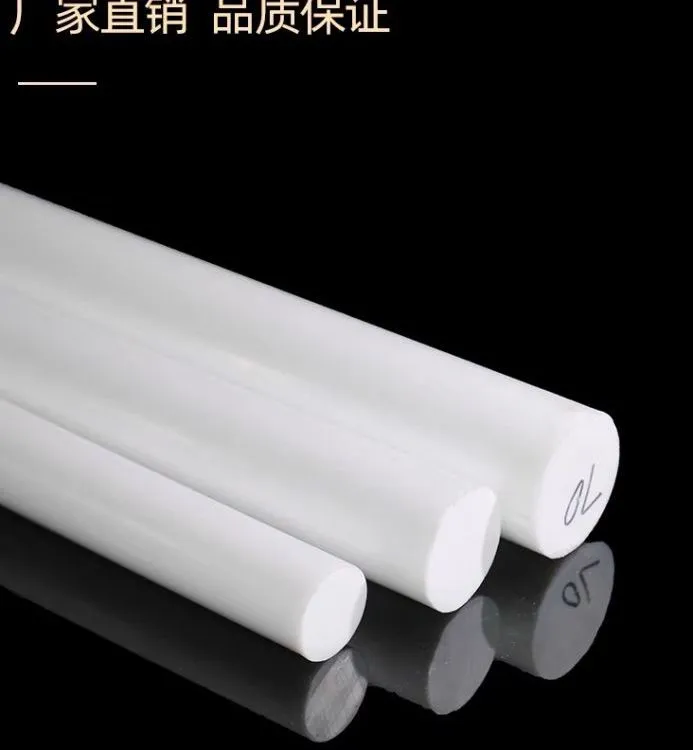
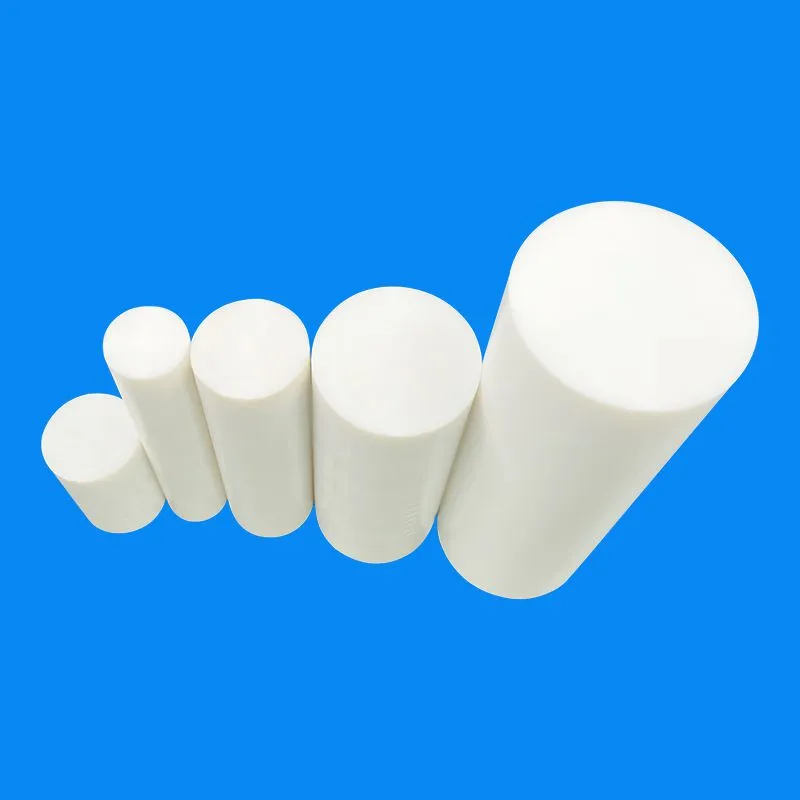
I. Procurement and Material Selection Issues: Avoiding Quality Hazards at the Source Problem 1: Grayish or yellowish color, rough, and unstable performance of PTFE rods This is the most common pitfall in procurement. Many users opt for recycled PTFE rods to save costs instead of choosing brand-new pure material. Recycled PTFE rods contain many impurities, have uneven density, and possess hidden internal pores. Their overall toughness, temperature resistance, and corrosion resistance are significantly reduced. They are prone to cracking during subsequent processing and easily age and fail during use, making them unable to meet the requirements of high-precision and high-corrosion working conditions. Solution &: Prioritize selecting brand-new virgin PTFE rods. High-quality pure PTFE rods are pure white, with a fine and smooth surface, no black spots or discoloration, and a uniform. During procurement, the appearance can be visually identified. Simultaneously, require manufacturers to provide raw material qualifications and test reports. Firmly avoid low-priced recycled and secondary material products to ensure basic from the source. Problem 2: Misconception: High-temperature resistant PTFE rods inherently possess anti-static and insulating properties Many users hold a misconception that all-temperature resistant PTFE rods possess anti-static and high insulation properties. In reality, conventional pure PTFE rods are insulating materials and do not have anti-static or conductive functions. Using PTFE rods in electronics, precision industrial control, or flammable and explosive working conditions can easily lead to static accumulation, causing safety hazards; conversely, using modified PTFE rods in ordinary working conditions results cost waste. Solution & Prevention: Select precisely based on needs. For ordinary sealing and wear-resistant working conditions, use brand-new pure PTFE rods; for anti-static and scenarios, choose carbon fiber or graphite-modified PTFE rods; for high-voltage insulation scenarios, use high-purity insulation-grade PTFE rods. Never select blindly based on experience.
II. Machining and Production Issues: Solving the Difficulties of Poor Precision and High Defect Rates Problem 1: Unstable dimensions after, large deviations, and product deformation PTFE rods are relatively soft with a high coefficient of thermal expansion and exhibit cold flow (creep) characteristics. Constant pressure at room temperature, fluctuations in temperature, improper clamping, and excessive cooling speed can all lead to dimensional shifts and product bending or deformation, making it the most frequent issue in machining. Meanwhile, uneven pressure during molding process and excessive process dwell time can also generate internal stresses, leading to subsequent dimensional springback and deformation. Solutions & Prevention Methods - Machining Equipment and Parameters: Use sharp specialized tools to avoid dull tools squeezing and pulling the material; set high rotation speeds and low feed rates to reduce material squeeze deformation; - Temperature Control and Cooling: Control the ambient throughout the machining process to avoid large temperature differences; use coolant to lower the temperature and prevent high-temperature thermal deformation; - Clamping Process: Optimize fixtures and tooling, clamp with uniform force avoid excessive single-point pressure, and eliminate clamping deformation; - Aging Treatment: Perform static aging treatment before batch machining to release internal stresses in the material and reduce subsequent dimensional spring.
Problem 2: Rough machined surfaces, torn edges, and burrs/notches The main causes are tool wear and dullness, excessive feed, and excessive cutting depth. PTFE rods have high toughness and a soft texture, making them extremely prone to surface fuzzing, edge tearing, and uneven cross-sections under high-speed, which directly affects the product's sealing performance and fitting precision. Additionally, fibrous waste generated during machining can wrap around the tool and scratch the finished surface. Solutions & Prevention: replace and sharpen tools to ensure sharpness; reduce the feed rate and decrease the single-pass cutting depth; for machining thin or small PTFE rods, use a backing plate for support to prevent edge; clean up waste promptly during the machining process to prevent it from scratching the workpiece.
III. Operating Condition Issues: Preventing Premature Aging and Failure Problem 1: Long-term compression deformation, collapse and cold flow creep The most typical usage defect of PTFE rods is cold flow at room temperature. Under continuous static or dynamic pressure in equipment, they will slowly undergo plastic deformation resulting in collapse, flattening, and dimensional shrinkage. High-temperature operating conditions will significantly accelerate this process, ultimately leading to equipment seal failure, loose components, and increased clearances. & Prevention: For low-pressure, room-temperature, and normal operating conditions, select new, dense PTFE rods and reserve a reasonable deformation margin; for high-pressure, hightemperature, and long-term load-bearing conditions, abandon pure PTFE rods and choose glass fiber or carbon fiber reinforced modified PTFE rods to significantly improve creep and deformation resistance, enhancing structural. Problem 2: Poor wear resistance, rapid surface wear, and short service life Pure PTFE rods have excellent self-lubricating properties but limited wear resistance. In conditions involving high-frequency friction, reciprocating motion, or particulate impurities, they are prone to rapid wear and thinning, leading to abnormal equipment fit clearances. Many users uniformly choose pure rods without upgrading the material based on friction conditions, resulting in frequent replacements and high maintenance costs. Solution & Prevention: For low-friction and light-load conditions, pure PTFE are sufficient; for heavy-load and high-frequency friction conditions, prioritize glass fiber, graphite, or molybdenum disulfide modified PTFE rods to effectively improve wear and pressure resistance, extending the service by over 30%. Problem 3: Discoloration and performance degradation at high temperatures, or even the release of harmful gases The conventional temperature range for PTFE rods -200°C to 260°C. Long-term use above the temperature limit (exceeding 260°C) will cause material, yellowing, and brittleness, with a significant drop in hardness and toughness. When the temperature exceeds 400°C, the material decomposes and produces toxic smoke, posing major safety hazard. Additionally, the upper temperature limit of low-quality recycled PTFE rods is even lower, making them highly susceptible to premature aging in alternating room-temperature and high-temperature conditions Solution & Prevention: Strictly control the operating temperature and strictly prohibit over-temperature operation; exclusively select high-temperature resistant modified PTFE rods for high-temperature conditions; eliminate recycled mixed-material products to ensure stability in high-temperature conditions; monitor the operating temperature in real-time during equipment operation and maintenance to avoid local overheating
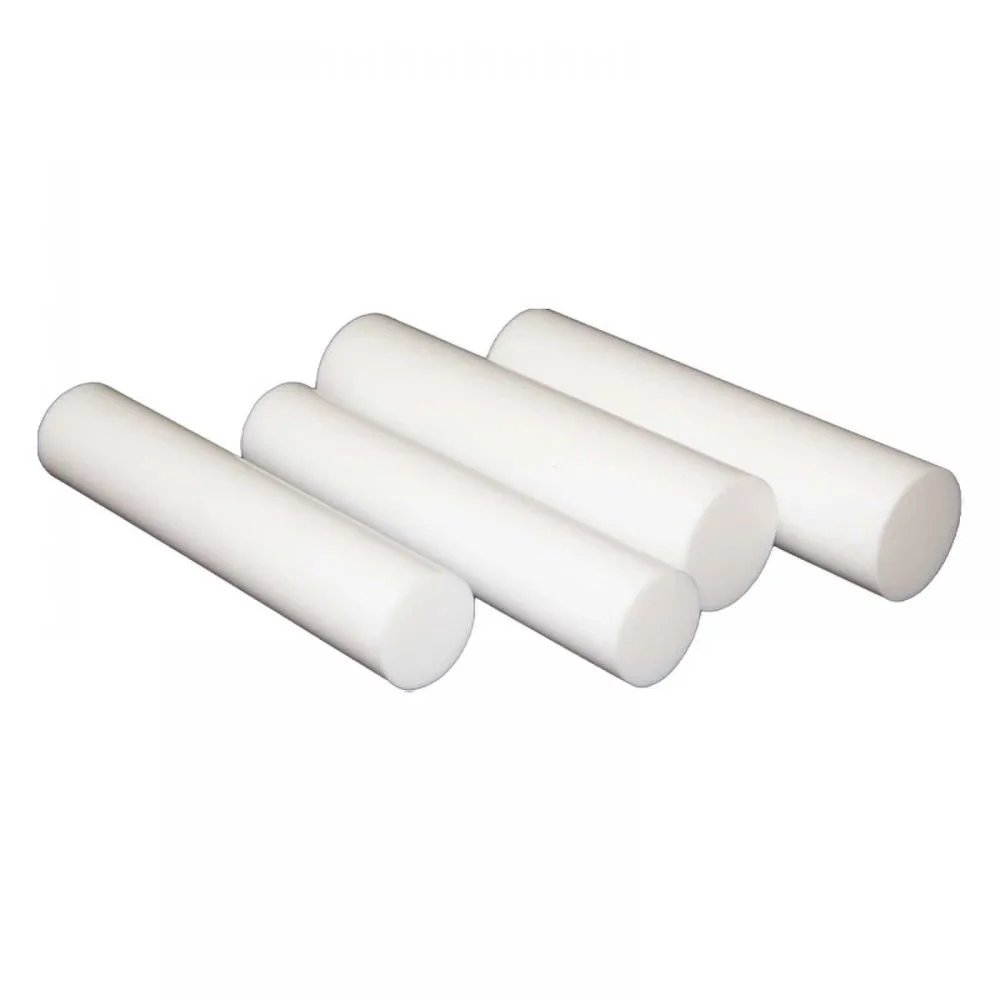
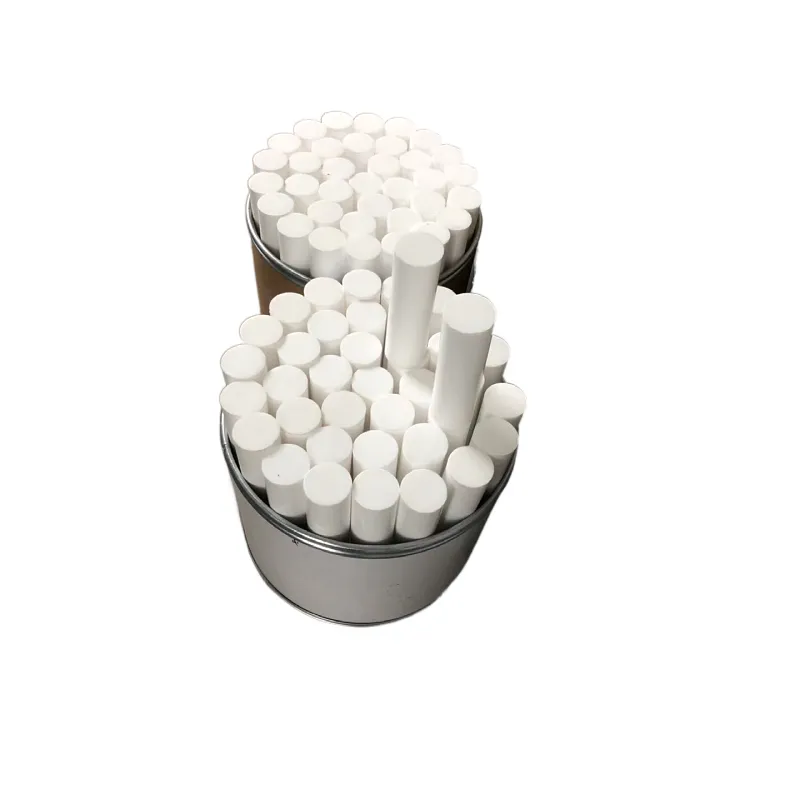
IV. Storage and Maintenance Issues: Avoiding Idle Loss Problem: Bending and deformation after storage, surface aging, yellowing brittleness PTFE rods stored vertically for a long time, stacked under pressure, or placed in environments with direct sunlight, humidity, and high temperatures will experience bending, warping, and. Ultraviolet rays will accelerate material aging, leading to surface cracking and performance degradation, making them unusable after being idle for a period. Solution & Prevention: Finished PTFE rods should be laid flat horizontally, avoiding vertical placement and multi-layer heavy pressure; the storage environment should be kept dry, cool, and ventilated, away from direct sunlight, heat sources, and media; regularly inspect products that have been idle for a long time to avoid moisture absorption, aging, and deformation. V. Summary: Core Points for Efficient Use of PTFE Rod Based on the common failures mentioned above, it can be seen that 90% of the usage problems with PTFE rods stem from improper material selection, non-standard processing, mismatched working, and inadequate storage, rather than the quality of the material itself. To avoid failures, reduce loss, and extend service life, one only needs to grasp the four core points:1. Material Selection: Match the essential requirements; use brand-new pure materials for ordinary working conditions, and modified special materials for high-pressure, wear-resistant, and anti- conditions; reject low-quality recycled materials; 2. Processing: Strictly control temperature, rotation speed, and feed parameters; use sharp tools; release the internal stress of the material ensure dimensional accuracy; 3. Usage: Strictly prohibit operation above temperature and pressure limits; adapt the corresponding material to the working conditions to avoid cold flow, wear, and aging problems 4. Storage: Lay flat to prevent moisture, avoid light and heat, and store regularly to prevent deformation and aging. By mastering the solutions to the above problems, one not only thoroughly solve common failures such as PTFE rod deformation, cracking, poor accuracy, and premature aging, but also significantly reduce procurement and operation and maintenance costs, maximizing the performance PTFE rods in various working conditions.
Recently Posted
-
O-ring: The "Invisible Contract" of Industrial Sealing and the Philosophy of Working Conditions
August 7, 2026In the vast and complex system of industrial equipment, people often marvel at the meshing of precision gears or the pressurebeari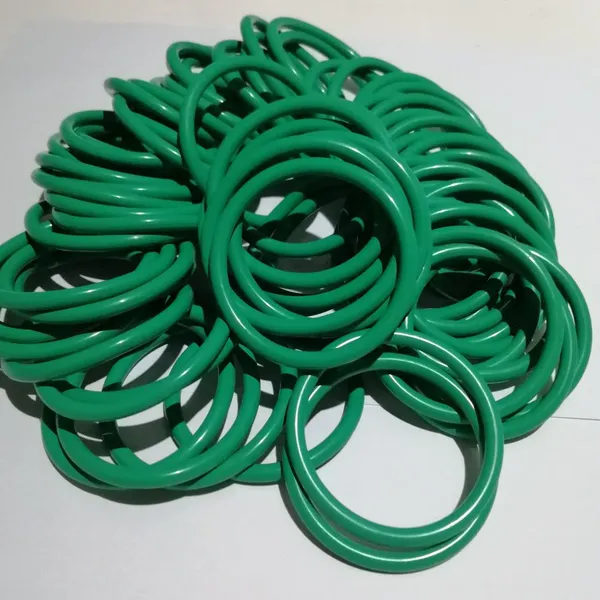 Read More
 -
Nano-aerogel felt: "Super insulation" breaking thermodynamic limits and industrial reshaping
August 7, 2026Under the grand narrative of the global energy structure transition and the "dual carbon" goals, energy conservation and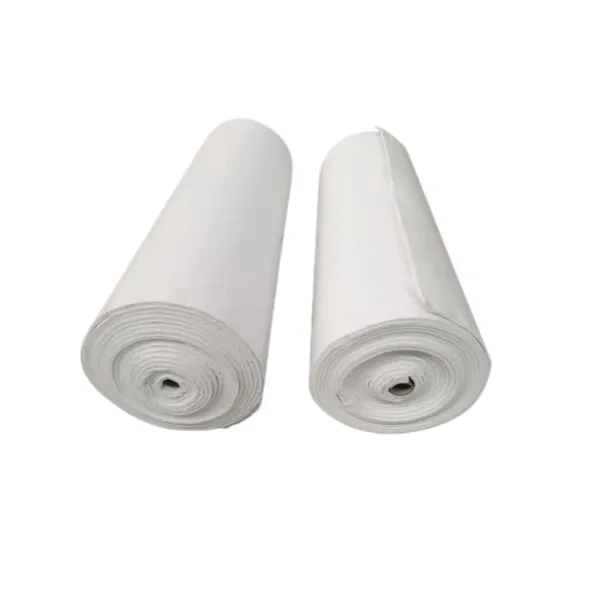 Read More
 -
Aluminum Gaskets: The "Flexible Contract" in Industrial Connections
August 5, 2026In industrial systems such as mechanical manufacturing, petrochemicals, electronics, and aerospace, aluminum gaskets/washers, as f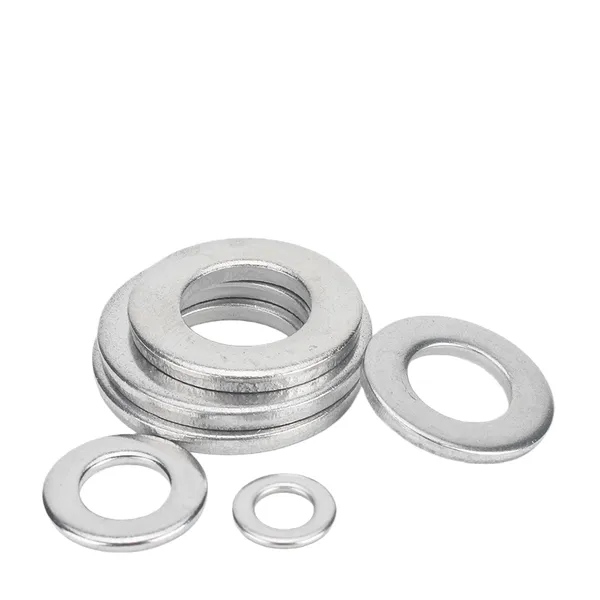 Read More
 -
Qingke Paper: The "Paper Armor" and Insulation Philosophy in the Electronics and New Energy Sectors
August 5, 2026Inside new energy batteries, precision motors, and various electronic and electrical devices, countless tiny components are hidden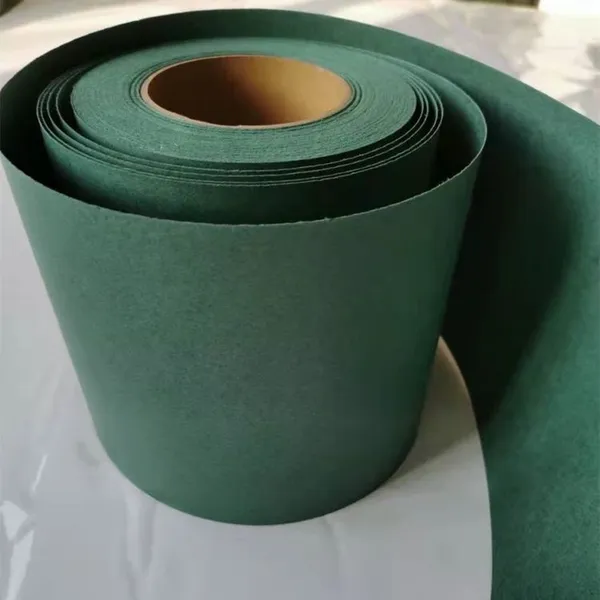 Read More

Contact Us
Recommended Products
-
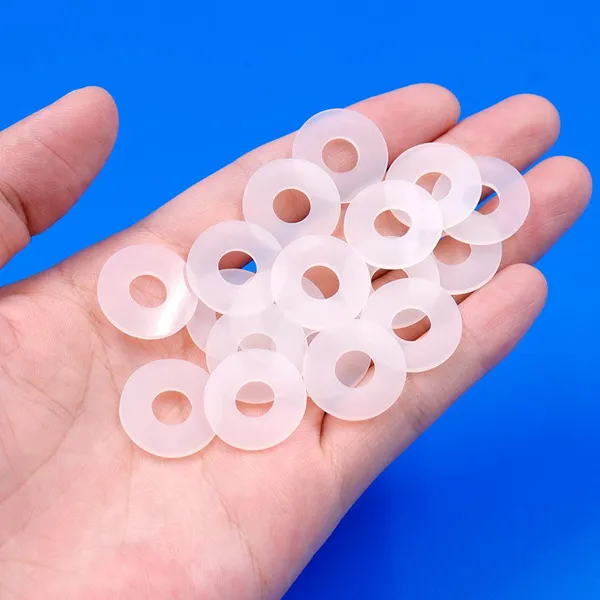
 Colored Silicone Flat Washer FF Full Surface With Water Line Silicone Pad High Temperature Resistant 230℃ Valve Pipe Sealing GasketNegotiableMOQ: 100 Blades
 -
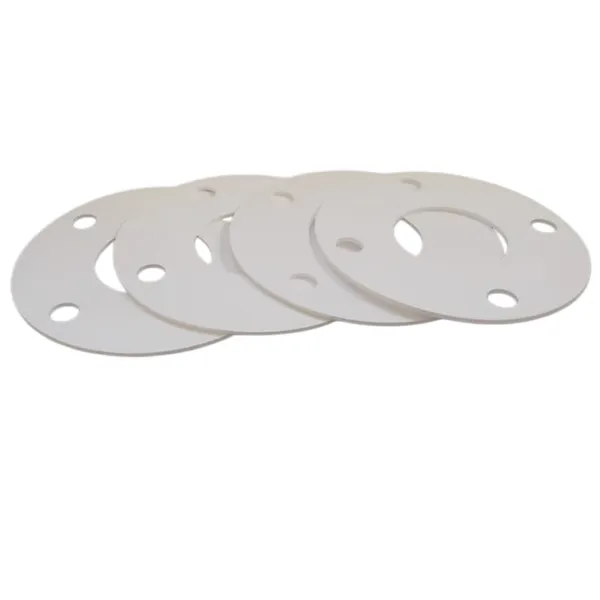
PTFE Gasket With Holes, National Standard Flange Multi-hole PTFE Sealing GasketNegotiableMOQ: 100 Blades
-
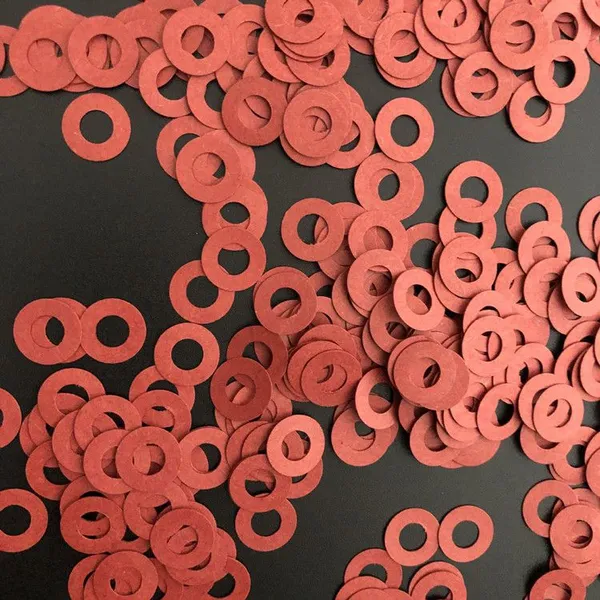
Red Steel Paper Gasket Insulation Flat Washer Red Mica Quick Connector Paper WasherNegotiableMOQ: 100 Blades
-
Nylon Washer Black Plastic Flat Washer Insulating Shock-absorbing Wear-resistant Self-lubricatingNegotiableMOQ: 100 Blades
-
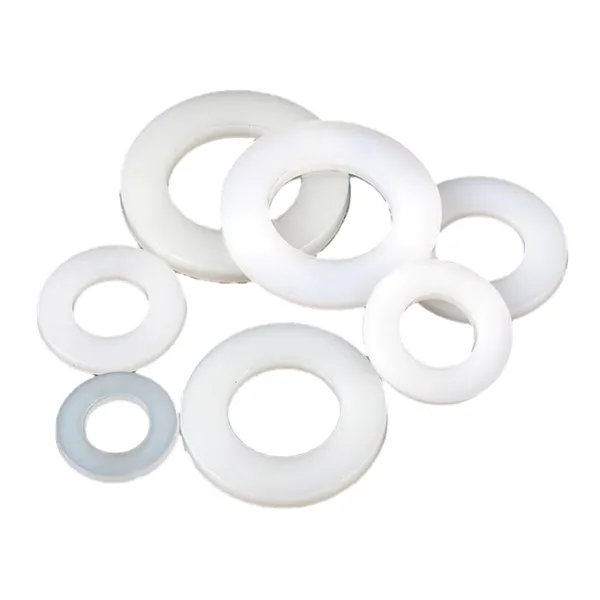
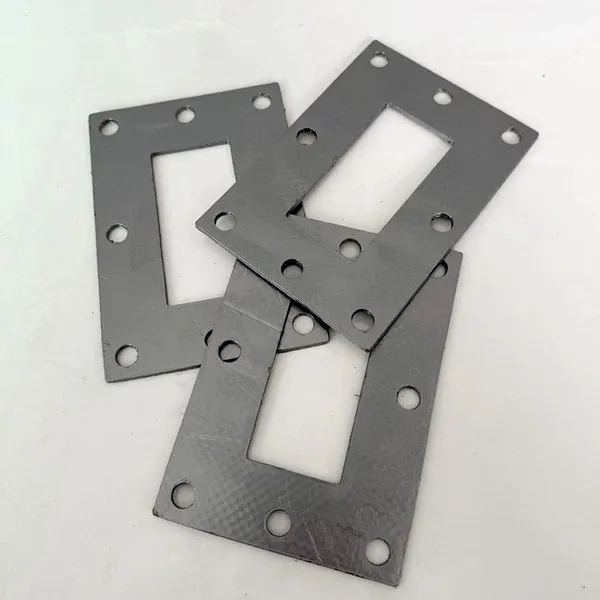
Perforated Graphite Composite Gasket 304 Stainless Steel Reinforced High Temperature and High Pressure Flange Gasket Boiler SteamNegotiableMOQ: 100 Blades
-
PTFE Filter Gasket With Stainless Steel Mesh; PTFE Filter Sealing Gasket With Stainless Steel MeshNegotiableMOQ: 100 Blades
-
Metal Reinforced PTFE PTFE Gasket Chemical Corrosion Resistant GasketNegotiableMOQ: 100 Blades
-
Reinforced Metal Winding Gasket 304 Stainless Steel Flange Sealing GasketNegotiableMOQ: 100 Blades
-
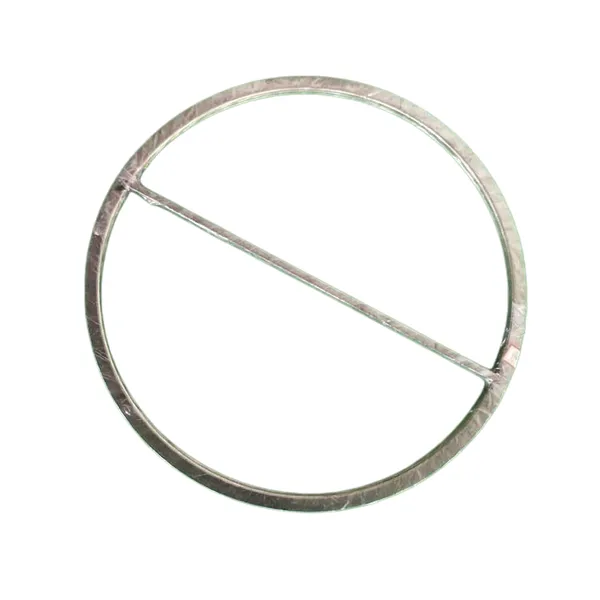
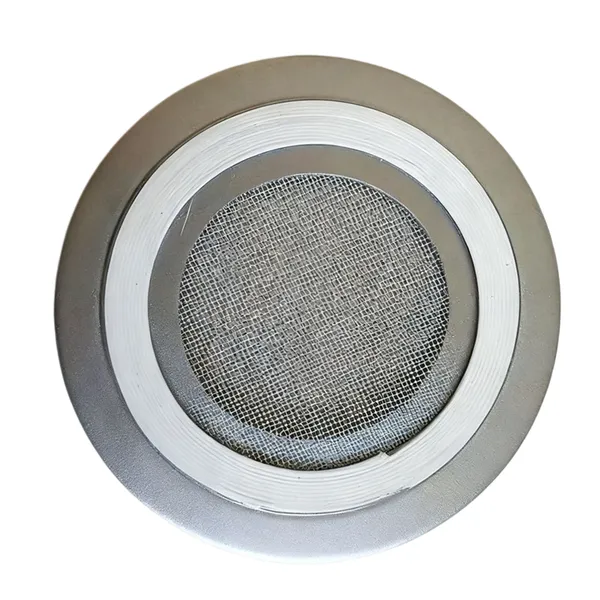
Filter Mesh Winding Gasket 304 Stainless Steel Inner and Outer Ring GasketNegotiableMOQ: 100 Blades
-
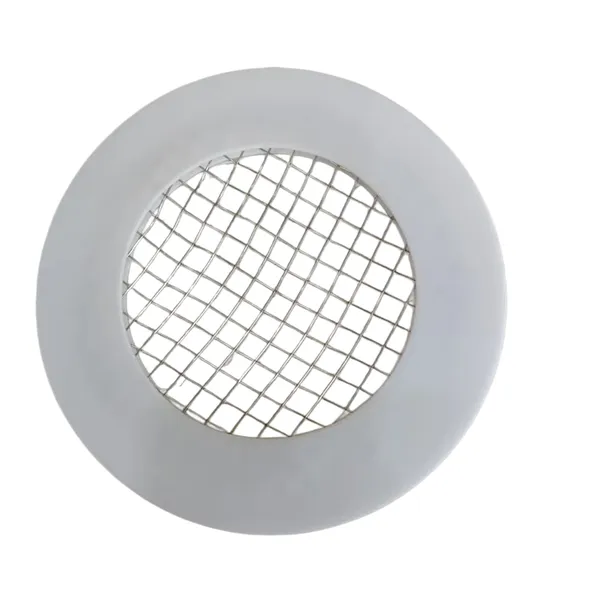
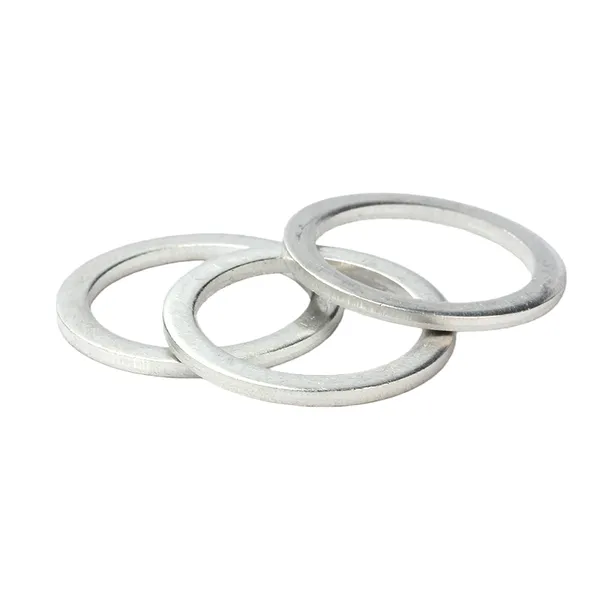
Pure Aluminum Gasket Soft Aluminum Flat Washer 0.1-3mm High Temperature Resistant Sealing Aluminum WasherNegotiableMOQ: 100 Blades
-
Metal Octagonal Ring Gasket Oval Gasket 304/316L Stainless Steel Metal Ring Gasket RJ Flange GasketNegotiableMOQ: 100 Blades
-
Basic Metal Spiral Wound Gasket 304 Graphite Spiral Wound Gasket Tongue and Groove FlangeNegotiableMOQ: 100 Blades
-
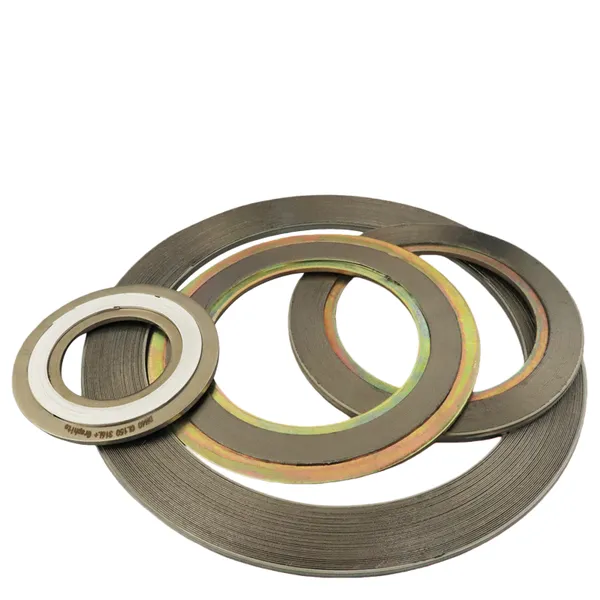
Metal Graphite Spiral Wound Gasket High Temperature Flange Pipe Sealing GasketNegotiableMOQ: 50 Blades
-
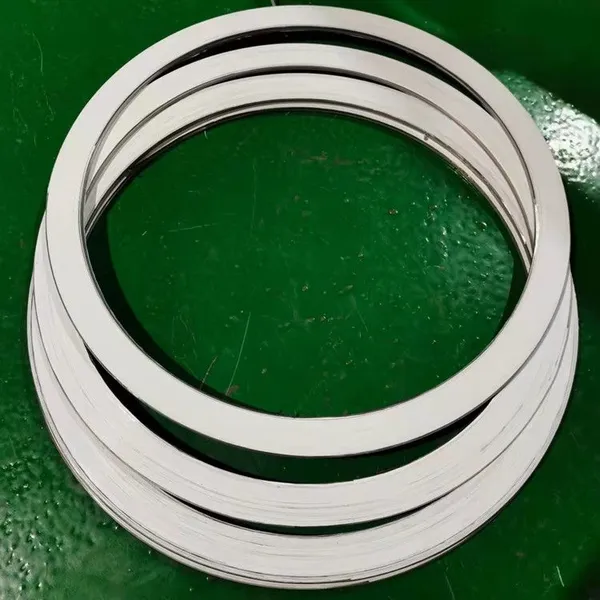
Stainless Steel Flexible Graphite Corrugated Composite Gasket Irregular Thick Reinforced High Temperature and High Pressure Sealing GasketNegotiableMOQ: 100 Blades
-
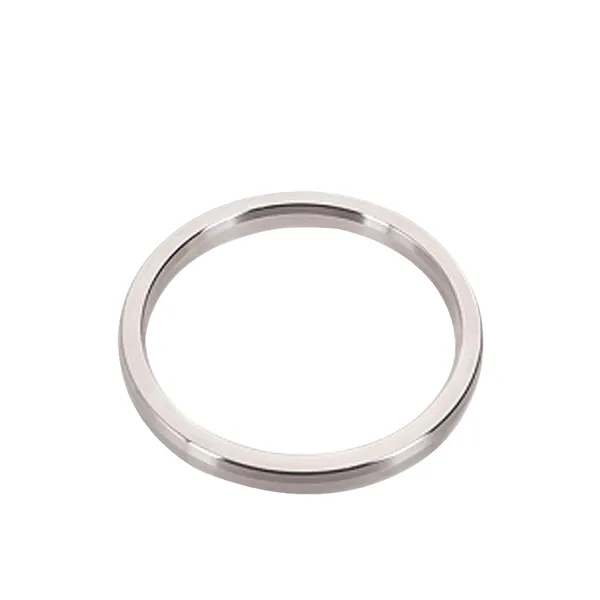
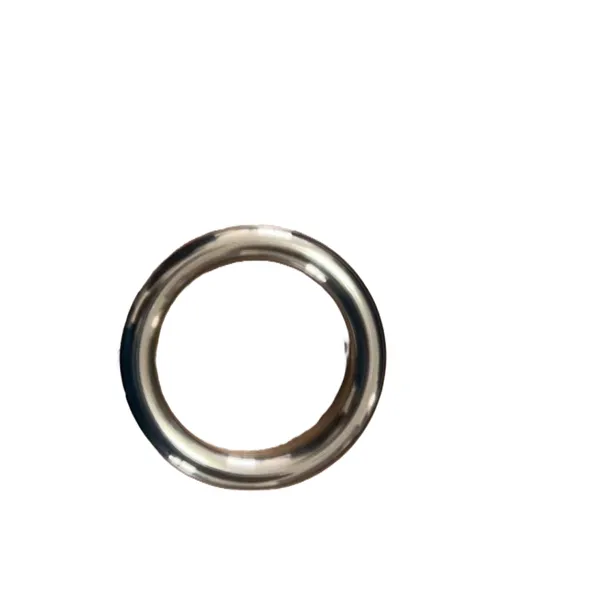
304 Stainless Steel Oval Metal Ring Gasket RJ Flange Oval Gasket High Pressure and High Temperature Resistant Sealing WasherNegotiableMOQ: 10 Units
-
PTFE Gasket, Polytetrafluoroethylene Sealing Gasket, White Teflon Flat Gasket, High Temperature and Acid/alkali Resistant Industrial Flange WasherNegotiableMOQ: 25 Units
-
Elastic Expanded PTFE Gasket Soft Teflon Gasket Pipe Flange Sealing Gasket High and Low Temperature Corrosion Resistant Ready Stock Custom MadeNegotiableMOQ: 25 Units
-
Metal Lens Gasket, No-hole and With-hole Lens Gasket, High-pressure Angle Valve Hydrogen Pipeline Flange Sealing Gasket Custom-madeNegotiableMOQ: 25 Units
-
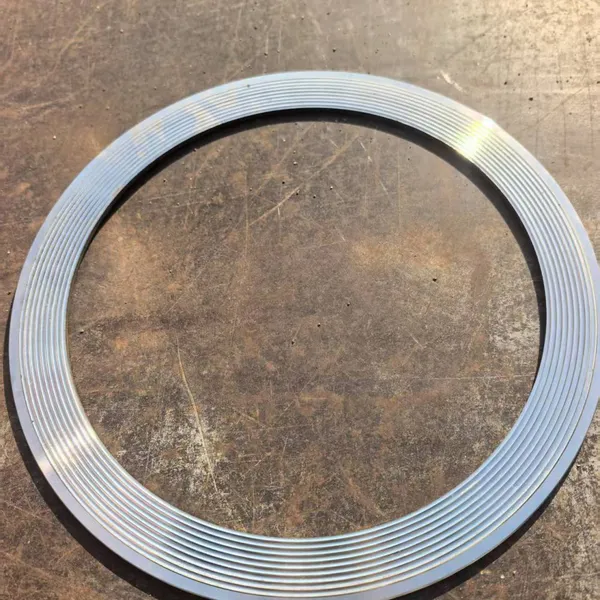
Metal Serrated Gasket | Wave Profile Composite Gasket for High Temperature and High Pressure Flange SealingNegotiableMOQ: 100 Blades
-
High Temperature and High Pressure Octagonal Ring Joint Gasket Oval Flange Gasket Carbon Steel 304 316 Stainless SteelNegotiableMOQ: 1 Unit