 Business License

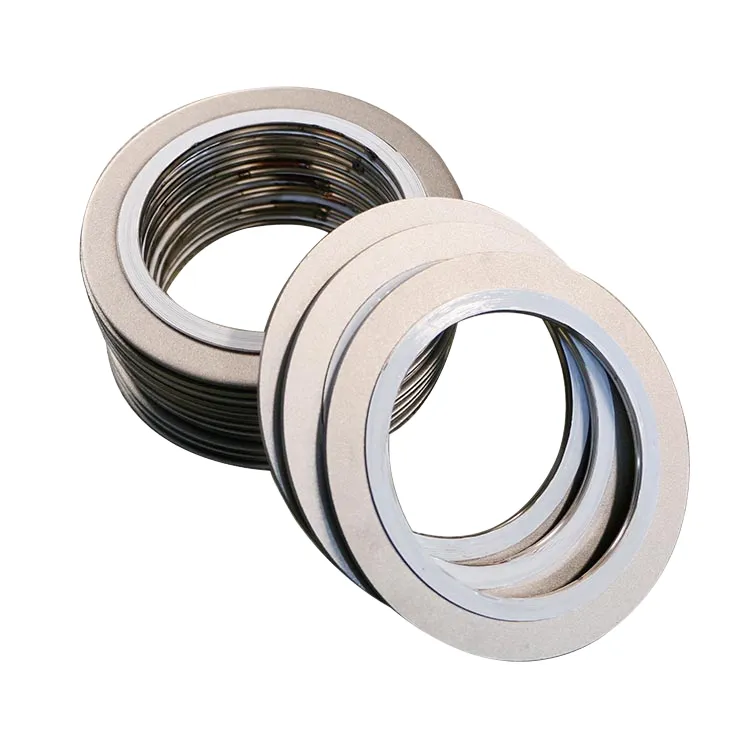
7 common failures of metal-wound gaskets!
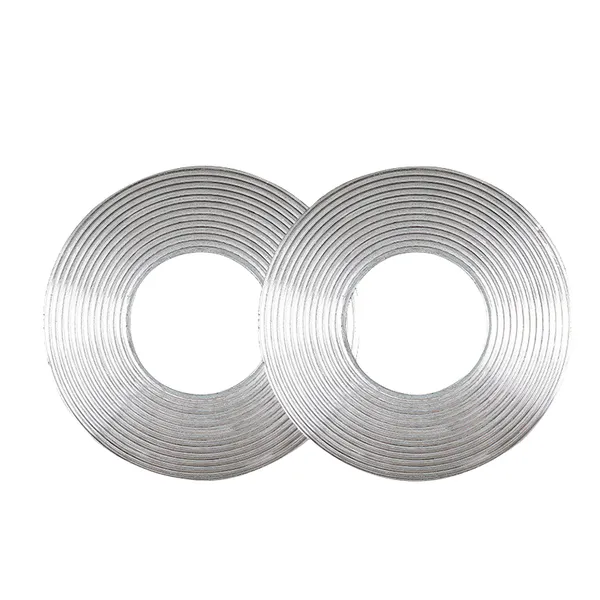
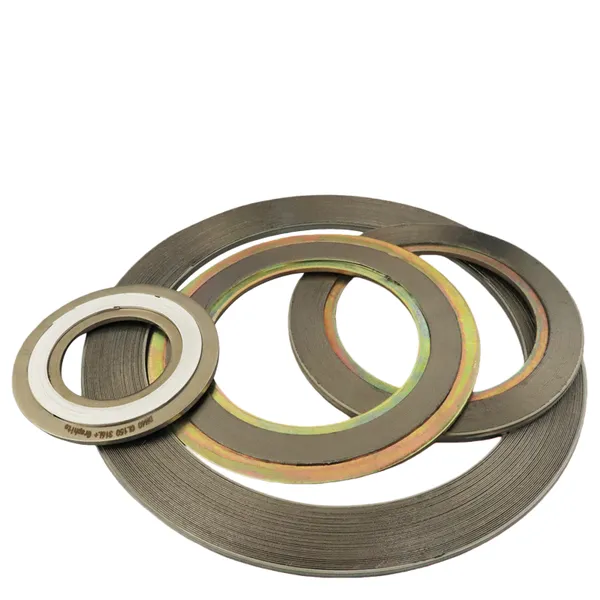
Metal spiral wound gaskets are the most widely used general-purpose seals in chemical engineering, piping, valves, heat exchangers, and pressure. Due to their moderate price, high-temperature and high-pressure resistance, and strong adaptability, they are used in almost all flange sealing applications. However, field technicians often encounter very frustrating problem: newly replaced spiral wound gaskets leak after a short period of use, fail to maintain pressure during testing, or even get blown out and damaged. Many people' first reaction is "poor gasket quality," but in real working conditions, 90% of spiral wound gasket failures are not caused by material issues, but by incorrect selection, improper, mismatched flanges, or improper loading. Today, I have summarized the 7 most common problems and highest rework rates found at construction sites.
I. Problem 1:age upon new installation, pressure drop during testing (Most frequent) Field phenomenon: The gasket is newly replaced, but leaks slightly during pressure testing, fails to hold pressure steadily, visible damage is seen, and it continues to leak even after multiple disassembly and reassembly. Core reasons - Flange faces are not clean, containing rust, welding slag, or particulate, leading to poor gasket contact and micro-gaps. - Uneven bolt tightening, with one side tight and the other loose, causing the sealing surface to experience offset loading - Gasket is placed off-center, misaligned, or tilted, failing to be installed centrally. - Non-standard flanges or old flanges are deformed, resulting in uneven plane. Solutions - The flange sealing surface must be thoroughly cleaned before installation to ensure it is free of slag, rust, and uneven particles. - Strictly adopt the diagonal tightening method, tightening evenly in 2 to 3 stages, and prohibit locking it down all at once. - Place the gasket centrally, prohibiting offset or tilting. -ely deformed flanges must be straightened or replaced; gaskets cannot compensate for large deformation errors.
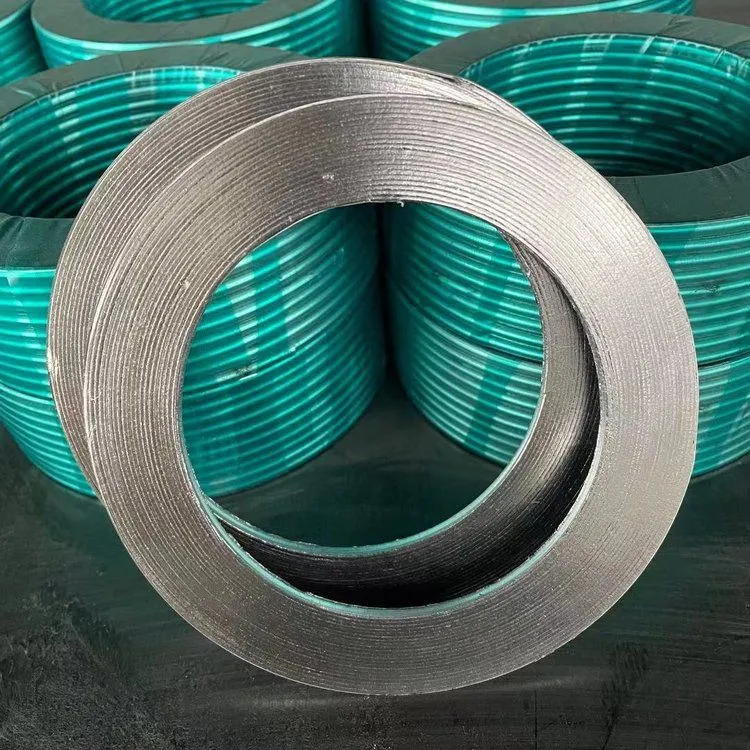
II. Problem 2: Metal-wound gaskets blown out, damaged, or delaminated Field phenomenon: The gasket is blown out during equipment pressurization, the metal strip becomes loose, and the graphite falls off, resulting in complete failure. Core causes - Main cause: Wrong gasket structure selected! A-wound gasket without an inner ring was used for high-pressure and instantaneous pressurization conditions. - Large pipeline pressure impact and excessively rapid instantaneous pressurization. - Gasket inner diameter too large, leading to a large unsupported area and insufficient pressure resistance. Solutions - For high-pressure, pipeline, and dynamic pressure conditions, a metal-wound gasket with inner ring must be used; the inner ring can support the gasket, resist impact, and prevent blowout. - Rapid pressurization of equipment is strictly prohibited; pressurization must done slowly with a gradient. - Strictly match the gasket specification to the pipeline diameter; do not use gaskets with an oversized inner diameter.
III. Problem 3: G crushed, collapsed, or seal failure Field phenomenon: No leakage immediately after installation, but after running for a period, the gasket is severely crushed, loses its elasticity, and leaks directly upon second startup. Core causes - Excessive bolt force and torque cause over-compression, directly collapsing the graphite-metal layer structure. - Flange gap is too small, the gasket to be rigidly crushed. - Using ordinary thin gaskets for heavy-duty, high-pressure conditions. Solutions - Violent bolt tightening is prohibited; follow the principle "even, light pressure, and maintaining flatness". - For high-pressure and heavy-duty conditions, select thickened, high-density wound gaskets. - Collapsed gaskets absolutely not be reused; they must be replaced with new ones.
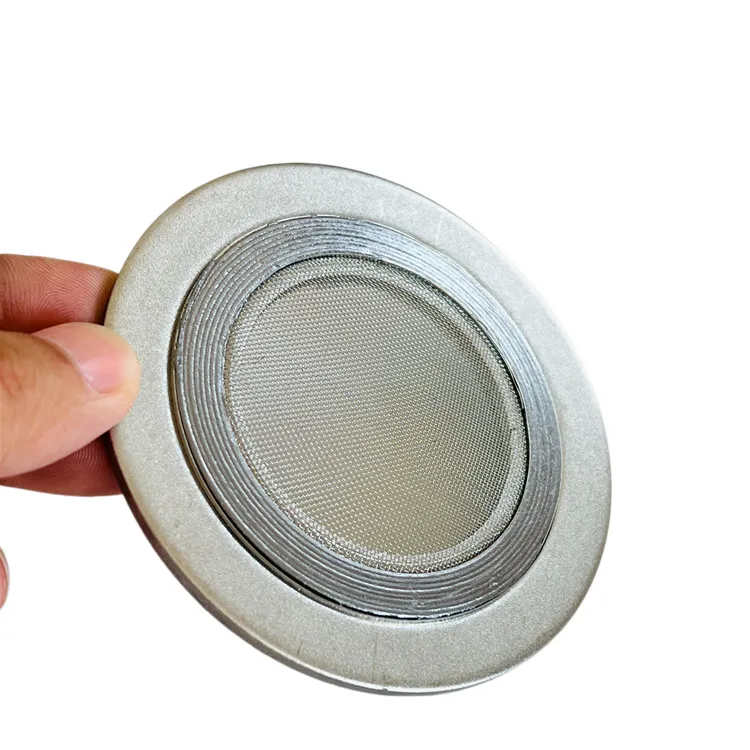
IV. Problem 4: Seepage and leakage after high-temperature operation (no leakage in cold state, leakage in state) Field phenomenon: Pressure test at ambient temperature is fully qualified, but slight seepage and leakage occur as soon as the temperature and pressure rise. Core reasons In thermal expansion coefficients of metal, graphite, and bolts lead to bolt loosening and a drop in preload after high-temperature operation, causing the gasket contact gap to open and resulting in hotstate leakage. This is the most typical hidden problem of spiral wound gaskets. Solutions - After high-temperature equipment has operated for 1-2 hours, hot-state-tightening and pressure compensation must be performed. - For high-temperature conditions above 300°C, 304/316 stainless steel spiral gaskets should be prioritized to avoid high-temperature loosening and aging of ordinary materials. - Prohibit one-time cold locking; reserve margin for thermal expansion.
V. Problem5: Graphite detachment, powdering, and blackening of the medium Field phenomenon: Graphite on the gasket surface detaches and flakes off, the medium turns black, and graphite powder in valves and filters. - Use of inferior low-purity graphite winding layers with loose structures. Core reasons - Impact by hard objects, hand-tearing, pulling the gasket during installation. - Lack of outer ring positioning, causing the gasket edges to be loosely loaded. Solutions - For standard operating conditions, select high-p graphite precision metal winding structures. - Handle with care during transport and installation; prohibit impact and friction. - For scenarios requiring wear resistance and anti-detachment, select metalwound gaskets with inner and outer rings for a more stable overall structure.
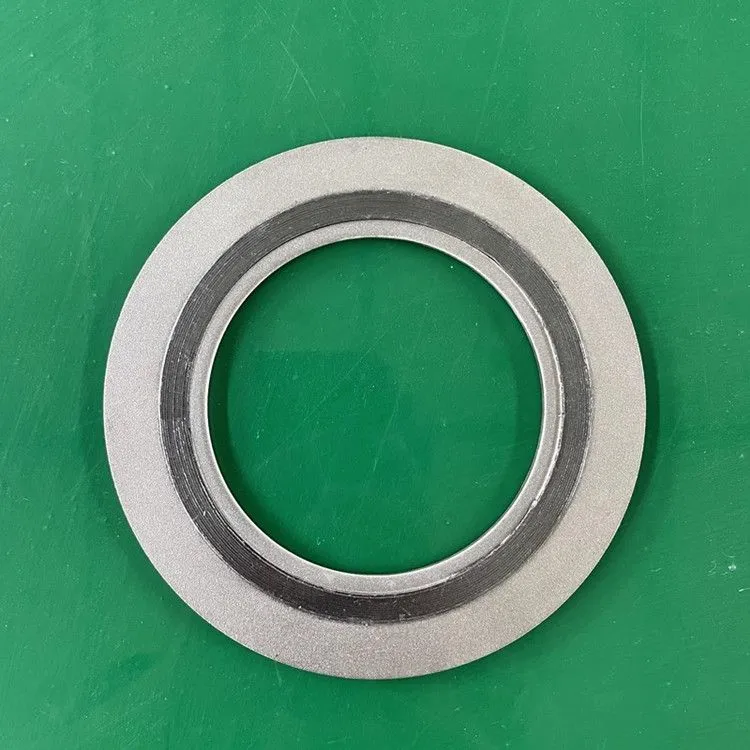
VI. Problem 6: Crooked gasket installation, deviation, and sealing misalignment Field phenomenon: The gasket appears to installed, but it never seals tightly, is locally suspended, and has long-term micro-leakage. Core reasons - Gaskets without outer ring limits are prone to during installation. - Inconsistent force applied by multiple workers during the tightening process causes gasket displacement. - Flange hole deviation or misalignment. Solutions - For general piping flange applications, prioritize spiral wound gaskets with outer rings, which have built-in positioning functions and will not deviate. - Observe the gasket position at all times during the tightening process adjust immediately if deviation is found. - If flange misalignment is severe, the flange must be corrected.
VII. Problem 7: Short service life and frequent replacement Field phenomenon:askets can last a year at other sites, but fail within two to three months at this site. Core reasons - Incorrect application matching: Using ordinary carbon steel spiral wound gaskets corrosive media. - Using low-temperature ordinary graphite gaskets for high-temperature conditions. - Large pressure fluctuations, using gaskets without support or inner/outer rings. Solutions Regular water, air, low temperature, and low pressure: Ordinary graphite spiral wound gaskets. - High temperature, steam, and high pressure: 304 stainless steel spiral wound. - Chemical corrosion, acid, and alkaline media: 316L stainless steel spiral wound gaskets. - Piping, anti-washout, and anti-deviation: and outer ring combination spiral wound gaskets.
Summary: Core Mnemonics for Spiral Wound Gasket Failure No ring leads to blowout, no outer ring leads to misalignment, excessive force leads to collapse, high temperature requires, incorrect installation leads to leakage, and wrong material leads to damage. Metal spiral wound gaskets seem simple, but they are actually very detail-oriented. Most leakage, failure, and premature issues can be completely eliminated by choosing the right structure and material, and following standard installation procedures, which significantly reduces maintenance and rework costs. If you are unsure about the pressure,, medium, or flange type, please leave a message, and I will help you accurately match the most suitable metal spiral wound gasket model.
Recently Posted
-
O-ring: The "Invisible Contract" of Industrial Sealing and the Philosophy of Working Conditions
August 7, 2026In the vast and complex system of industrial equipment, people often marvel at the meshing of precision gears or the pressurebeari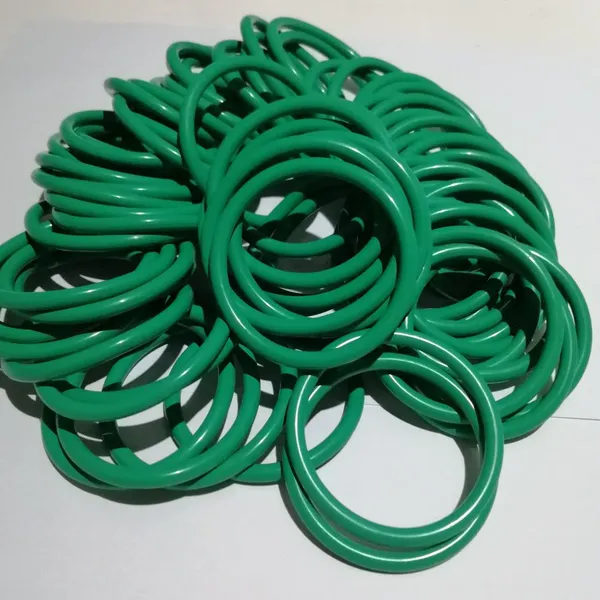 Read More
 -
Nano-aerogel felt: "Super insulation" breaking thermodynamic limits and industrial reshaping
August 7, 2026Under the grand narrative of the global energy structure transition and the "dual carbon" goals, energy conservation and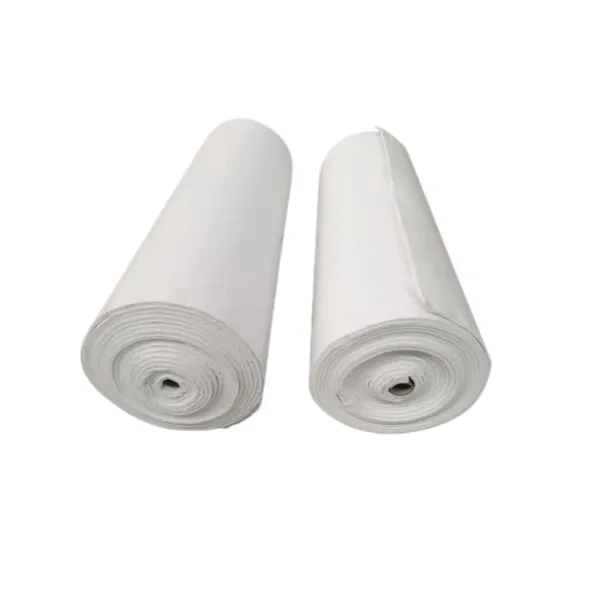 Read More
 -
Aluminum Gaskets: The "Flexible Contract" in Industrial Connections
August 5, 2026In industrial systems such as mechanical manufacturing, petrochemicals, electronics, and aerospace, aluminum gaskets/washers, as f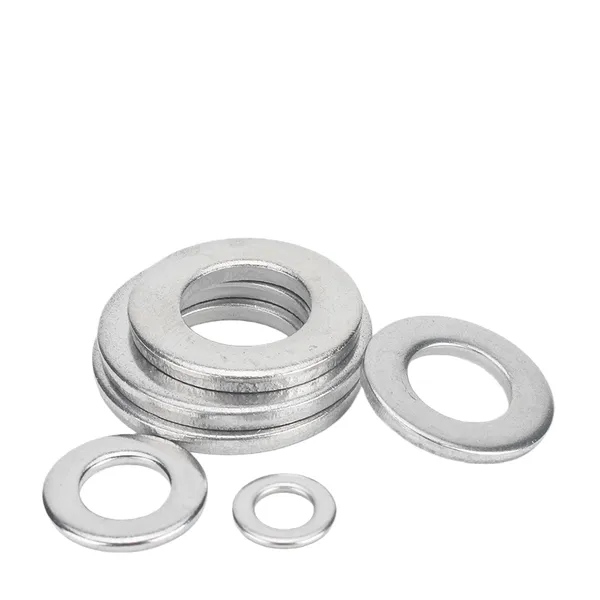 Read More
 -
Qingke Paper: The "Paper Armor" and Insulation Philosophy in the Electronics and New Energy Sectors
August 5, 2026Inside new energy batteries, precision motors, and various electronic and electrical devices, countless tiny components are hidden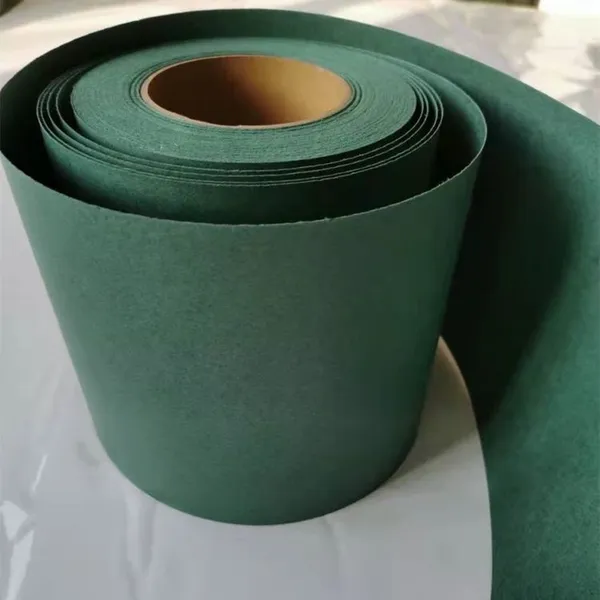 Read More

Contact Us
Recommended Products
-
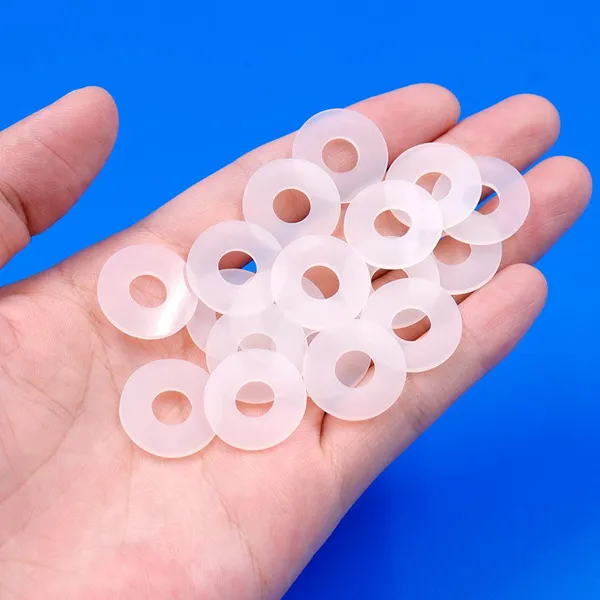
 Colored Silicone Flat Washer FF Full Surface With Water Line Silicone Pad High Temperature Resistant 230℃ Valve Pipe Sealing GasketNegotiableMOQ: 100 Blades
 -
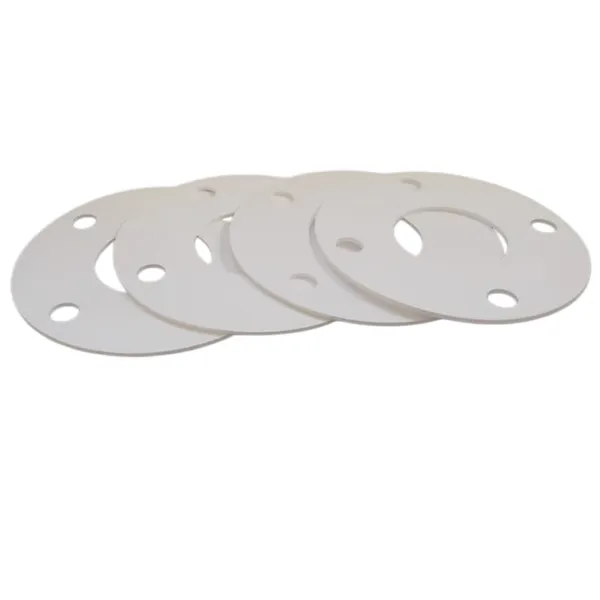
PTFE Gasket With Holes, National Standard Flange Multi-hole PTFE Sealing GasketNegotiableMOQ: 100 Blades
-
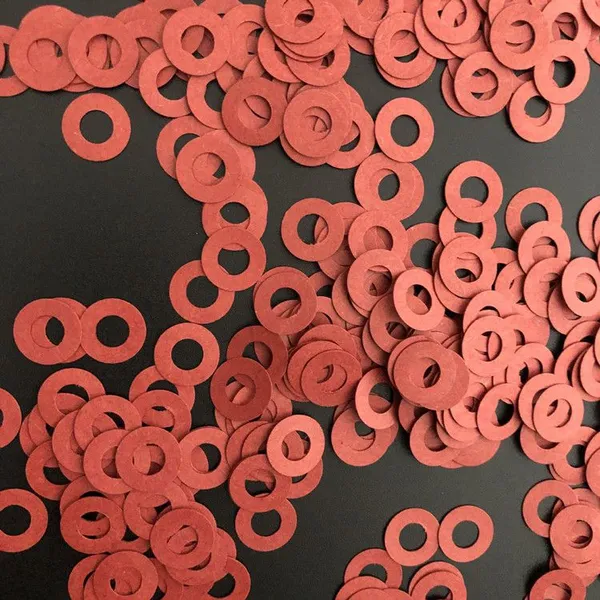
Red Steel Paper Gasket Insulation Flat Washer Red Mica Quick Connector Paper WasherNegotiableMOQ: 100 Blades
-
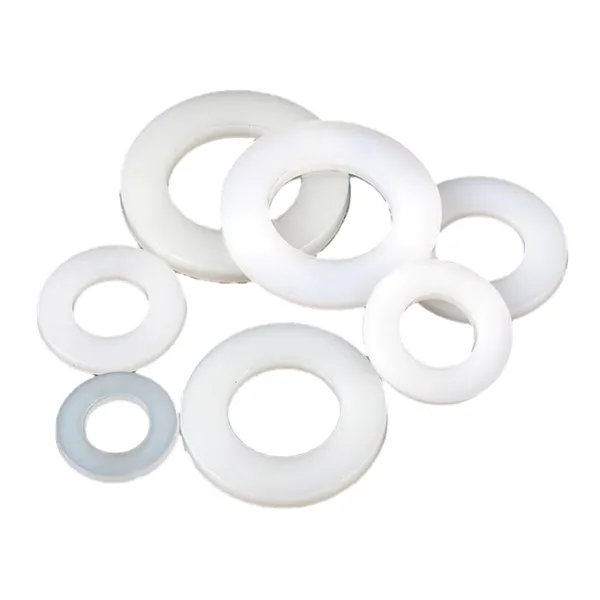
Nylon Washer Black Plastic Flat Washer Insulating Shock-absorbing Wear-resistant Self-lubricatingNegotiableMOQ: 100 Blades
-
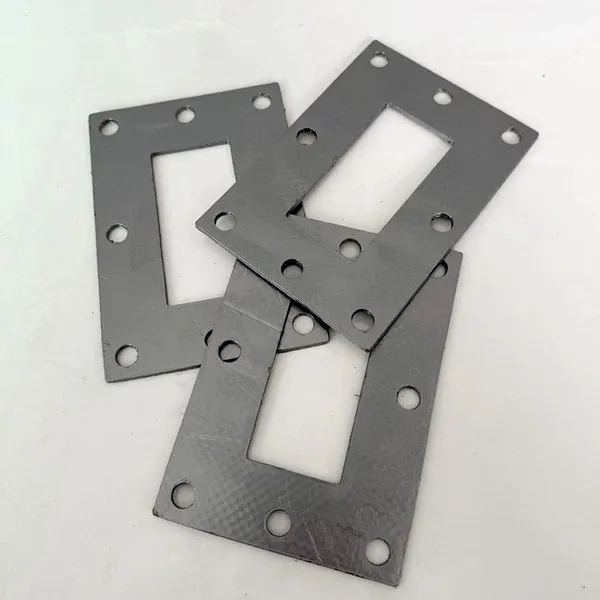
Perforated Graphite Composite Gasket 304 Stainless Steel Reinforced High Temperature and High Pressure Flange Gasket Boiler SteamNegotiableMOQ: 100 Blades
-
PTFE Filter Gasket With Stainless Steel Mesh; PTFE Filter Sealing Gasket With Stainless Steel MeshNegotiableMOQ: 100 Blades
-
Metal Reinforced PTFE PTFE Gasket Chemical Corrosion Resistant GasketNegotiableMOQ: 100 Blades
-
Reinforced Metal Winding Gasket 304 Stainless Steel Flange Sealing GasketNegotiableMOQ: 100 Blades
-
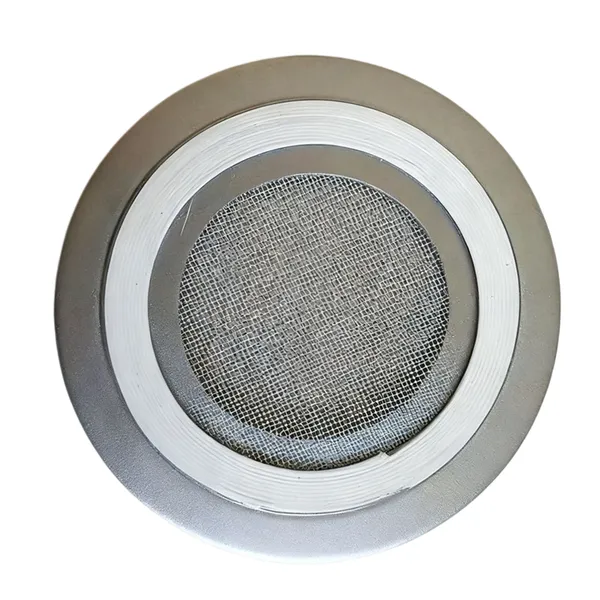
Filter Mesh Winding Gasket 304 Stainless Steel Inner and Outer Ring GasketNegotiableMOQ: 100 Blades
-
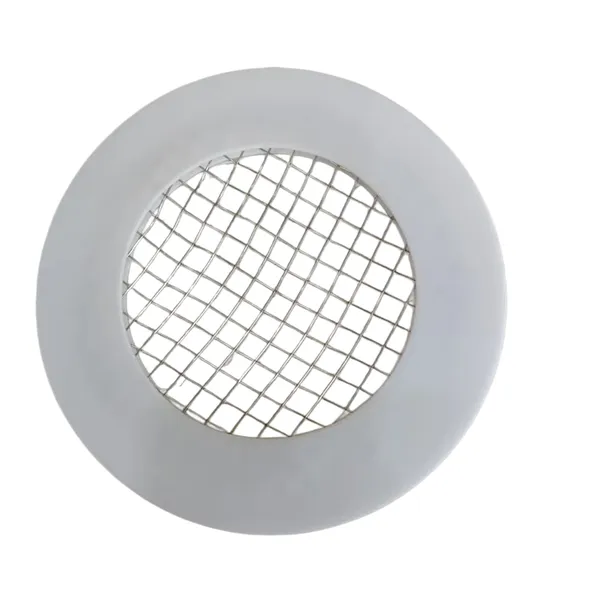
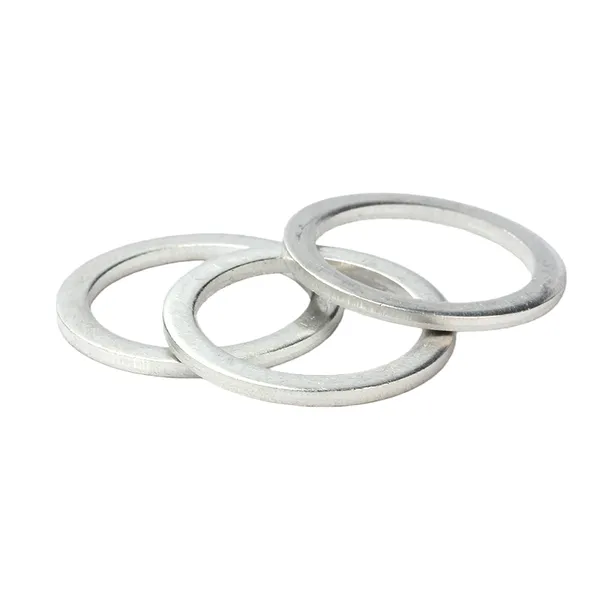
Pure Aluminum Gasket Soft Aluminum Flat Washer 0.1-3mm High Temperature Resistant Sealing Aluminum WasherNegotiableMOQ: 100 Blades
-
Metal Octagonal Ring Gasket Oval Gasket 304/316L Stainless Steel Metal Ring Gasket RJ Flange GasketNegotiableMOQ: 100 Blades
-
Basic Metal Spiral Wound Gasket 304 Graphite Spiral Wound Gasket Tongue and Groove FlangeNegotiableMOQ: 100 Blades
-
Metal Graphite Spiral Wound Gasket High Temperature Flange Pipe Sealing GasketNegotiableMOQ: 50 Blades
-
Stainless Steel Flexible Graphite Corrugated Composite Gasket Irregular Thick Reinforced High Temperature and High Pressure Sealing GasketNegotiableMOQ: 100 Blades
-
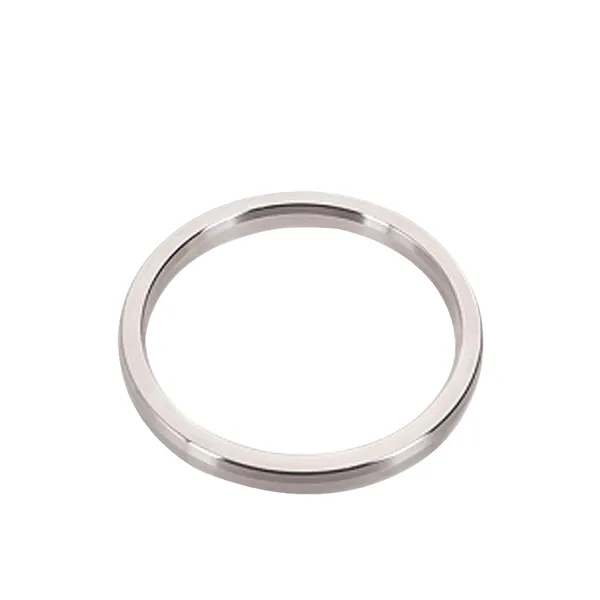
304 Stainless Steel Oval Metal Ring Gasket RJ Flange Oval Gasket High Pressure and High Temperature Resistant Sealing WasherNegotiableMOQ: 10 Units
-
PTFE Gasket, Polytetrafluoroethylene Sealing Gasket, White Teflon Flat Gasket, High Temperature and Acid/alkali Resistant Industrial Flange WasherNegotiableMOQ: 25 Units
-
Elastic Expanded PTFE Gasket Soft Teflon Gasket Pipe Flange Sealing Gasket High and Low Temperature Corrosion Resistant Ready Stock Custom MadeNegotiableMOQ: 25 Units
-
Metal Lens Gasket, No-hole and With-hole Lens Gasket, High-pressure Angle Valve Hydrogen Pipeline Flange Sealing Gasket Custom-madeNegotiableMOQ: 25 Units
-
Metal Serrated Gasket | Wave Profile Composite Gasket for High Temperature and High Pressure Flange SealingNegotiableMOQ: 100 Blades
-
High Temperature and High Pressure Octagonal Ring Joint Gasket Oval Flange Gasket Carbon Steel 304 316 Stainless SteelNegotiableMOQ: 1 Unit