 Business License

8 common problems with ceramic fiber blankets! Shedding, overheating, falling off, short lifespan,
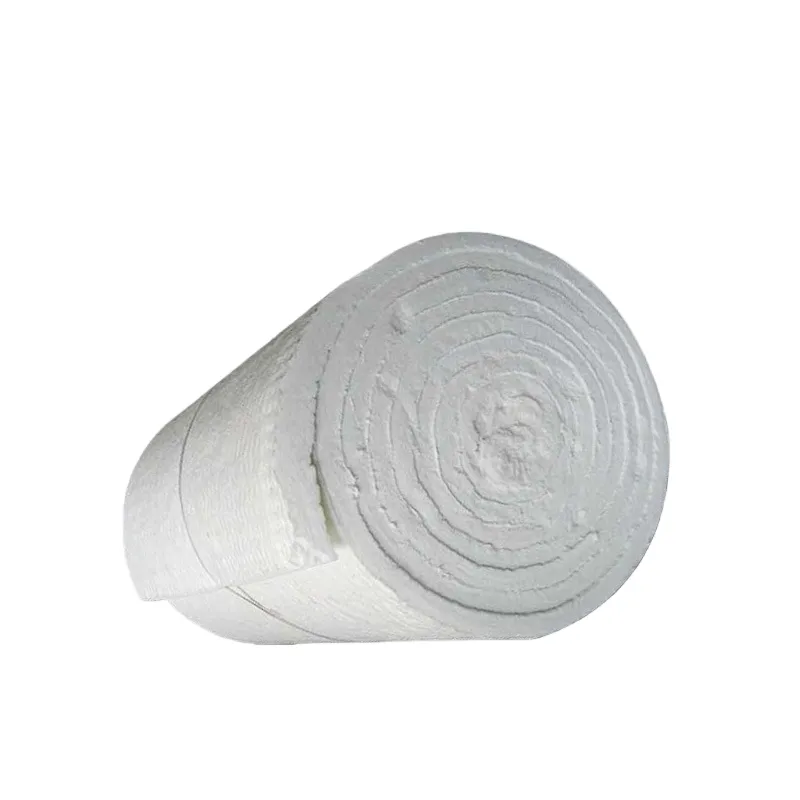
Ceramic fiber blankets (alumina silicate fiber blankets) are widely used for insulation in many construction sites, kilns, and pipelines. However, there a common doubt: why does it still fail to insulate and frequently cause problems even when high-temperature resistant insulation cotton is used? I have compiled the 8 most common and-rework-rate problems in the industry. Each point includes: phenomenon cause correct solution, so you no longer need to blindly make trial and error. It can be for construction, acceptance, and self-inspection.
Problem 1: Surface shedding, flying fibers, and heavy dust Common phenomenon: Shedding of fibers and debris upon contact after construction, excessive dust in workshop, difficult to clean, and the insulation layer gradually thinning over time. Core reasons: - Use of inferior low-end fiber blankets with short fibers, low needle- density, and loose structure - Manual tearing and cutting, which damages the overall fiber structure - Lack of outer protection, long-term exposure to wind and airflow Solutions:- Replace with double-sided needle-punched fiber blankets, which have high density and are not prone to shedding - Use knives for cutting throughout the process, manual tearing is prohibited - Wrap the outer layer with fiberglass cloth or apply a high-temperature protective coating after construction to lock in the fibers and prevent shedding
2. Problem 2: The outer wall remains hot after insulation, and the cooling effect is poor. Common phenomenon: The insulation layer looks thick but the surface temperature of the equipment shell and pipes remains high, and the energy-saving effect is poor. Core reason: Heat leakage through gaps, continuous seams in construction, local air pockets. Many people only focus on thickness and ignore the splicing process, causing all the heat to escape through the gaps. Solutions: - Strictly implement staggered splicing; upper and lower layers, as well as the left and right splicing seams, must be offset to eliminate continuous seams. - Fill and compact the splicing gaps with shredded fiber wool to leaving empty gaps. - For large-area furnace bodies, prioritize layered laying; use high-temperature blankets on the heat-facing side and conventional blankets on the back side for a gradient insulation effect.
3. Problem 3: Fiber blanket bulging, hollow, and not adhering to the wall Common phenomenon: After a period of construction, insulation layer bulges and hangs in the air, feeling soft when pressed by hand, and is extremely prone to cracking and falling off later. Core reasons: Improper cleaning of the surface, uneven laying tension, too few fixing points, and thermal expansion compression. Solutions: - Clean rust, debris, and protrusions from the base surface before construction to ensure the/pipe surface is flat. - Lay it flat and tightly, with moderate tension—neither too tight nor too loose. - Ensure uniform spacing between anchors and tying points to local hollow areas and prevent thermal expansion bulging in advance.
4. Problem 4: Shrinkage and widening gaps after high-temperature use Common phenomenon: It looks perfect after construction, but after a few days of high-temperature operation, the joints pull apart, fine gaps appear, and heat dissipation increases. Core reasons: Ordinary fiber blankets a high shrinkage rate at high temperatures, and no expansion allowance was reserved during construction. Solutions: - For high-temperature working conditions (above 800°C select high-alumina type, high-quality fiber blankets with standard shrinkage rates. - Reserve a slight compression amount at the joints, and control the overlap width to over 0mm. - The initial heating must be slow, with staged furnace heating to avoid rapid high-temperature shrinkage and cracking.
5. Problem 5: Insulation falling off, sagging, and large-scale delamination Common phenomenon: Insulation on furnace roofs, vertical, and pipe tops sags or delaminates, and in severe cases, falls off completely. Core reasons: Substandard fixing methods, sparse anchors, and relying solely on without mechanical fastening. Solutions: - Furnace walls and roofs must use heat-resistant anchors and ceramic clips for mechanical fastening; they cannot rely solely on adhesive bonding. - insulation must be uniformly bound with stainless steel wire throughout the process with consistent spacing to prevent local loosening. - Multi-layer insulation must be fixed layer by layer; it is not allowed be fixed all at once after being stacked as a whole.
6. Problem 6: Moisture absorption, mold growth, and drastic drop in insulation performance Common phenomenon: In equipment and humid workshops, fiber blankets absorb moisture, harden, and clump, causing insulation performance to deteriorate significantly, along with mold and odors. Core reasons: After absorbing water, internal air insulation structure of the ceramic fiber blanket is destroyed; if not treated promptly after getting wet, it will pulverize and fail. Solutions: - Outdoor construction is prohibited on days or in humid environments; materials must be stored in a dry, rain-proof place. - In humid working conditions, the outer layer must be sealed for protection to block water vapor. - Severely moisture-damaged insulation layers should be replaced directly; drying and reusing them is not recommended as the performance cannot be restored
7. Problem 7: Localized burning, blackening, and rapid aging Common phenomenon: The insulation layer turns black, brittle, and powderizes locally, with an extremely short service life. Core reason: Incorrect selection of material temperature rating. Low-temperature blankets used in high-temperature areas undergo rapid and damage due to long-term operation above their temperature limit. Solutions: - Normal low-temperature conditions: Ordinary aluminum silicate fiber blankets are sufficient. - 800–1200°C medium-to-high temperature conditions: High-alumina ceramic fiber blankets must be selected. - Areas with direct flame impingement or high- radiation: Increase the thickness of the insulation layer, and use fiber boards for transitional protection if necessary.
8. Problem 8: Layer collapse, softening, and poor resilience short-term use Common phenomenon: Looks full when newly installed, but compresses, thins, and collapses after one or two months of operation, leading to insulation failure. reason: Low-priced, low-density blankets with poor fiber fluffiness and weak resilience easily collapse under pressure and heat. Solutions: - Select standard density fiber blankets based actual needs; do not blindly pursue low-priced, thin materials. - Prioritize needle-punched, dense, and highly resilient spun blankets, which have stronger resistance to pressure thermal deformation. - Use multi-layer construction to distribute pressure, avoiding the collapse issues caused by a single layer being too thick. Final Summary The failure of the vast of ceramic fiber blankets is not due to poor high-temperature resistance, but rather incorrect selection, incorrect installation, or incorrect protection. Check the fabric for powdering, gaps for, fixings for detachment, temperature rating for aging, and density for collapse. As long as the details corresponding to these 8 high-frequency problems are rectified properly, the insulation and service life can be directly upgraded to a higher level, significantly reducing rework and maintenance costs. If you have specific operating conditions (temperature, equipment type, site environment), you send a private message or leave a comment for a one-on-one problem diagnosis and a tailored solution.
Recently Posted
-
O-ring: The "Invisible Contract" of Industrial Sealing and the Philosophy of Working Conditions
August 7, 2026In the vast and complex system of industrial equipment, people often marvel at the meshing of precision gears or the pressurebeari Read More
 -
Nano-aerogel felt: "Super insulation" breaking thermodynamic limits and industrial reshaping
August 7, 2026Under the grand narrative of the global energy structure transition and the "dual carbon" goals, energy conservation and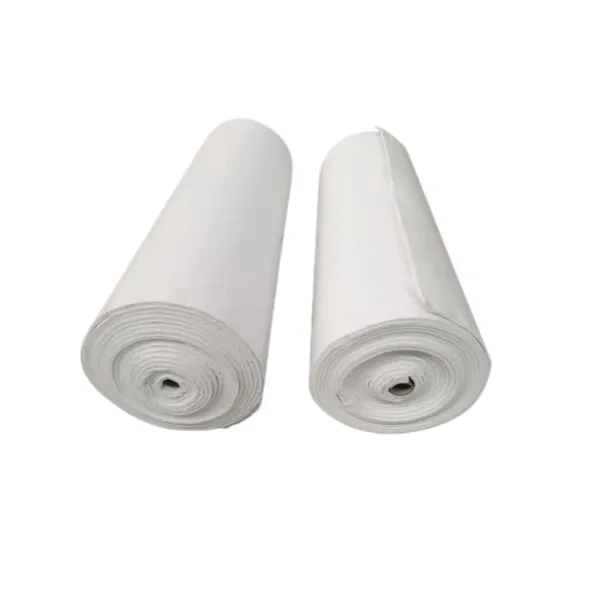 Read More
 -
Aluminum Gaskets: The "Flexible Contract" in Industrial Connections
August 5, 2026In industrial systems such as mechanical manufacturing, petrochemicals, electronics, and aerospace, aluminum gaskets/washers, as f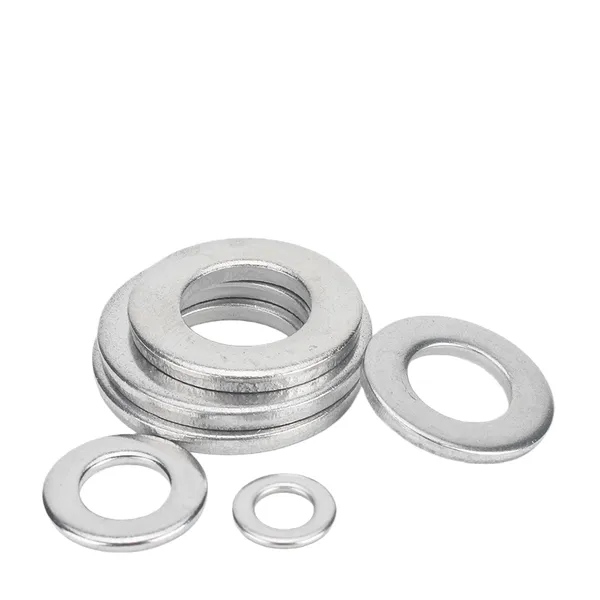 Read More
 -
Qingke Paper: The "Paper Armor" and Insulation Philosophy in the Electronics and New Energy Sectors
August 5, 2026Inside new energy batteries, precision motors, and various electronic and electrical devices, countless tiny components are hidden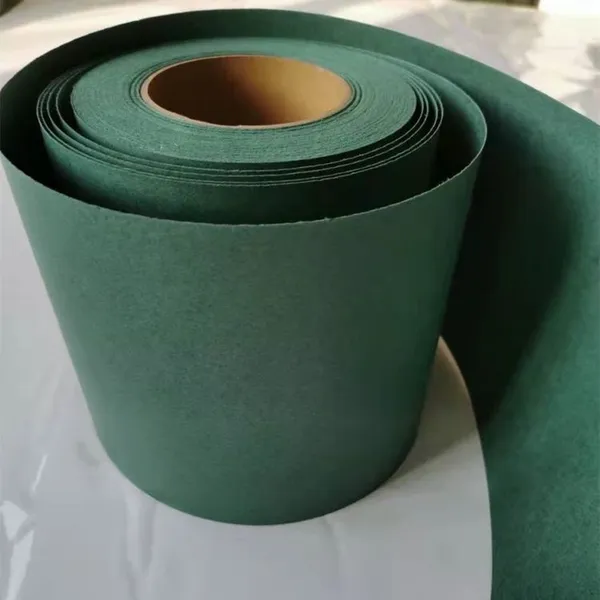 Read More

Contact Us
Recommended Products
-
 Colored Silicone Flat Washer FF Full Surface With Water Line Silicone Pad High Temperature Resistant 230℃ Valve Pipe Sealing GasketNegotiableMOQ: 100 Blades
 -
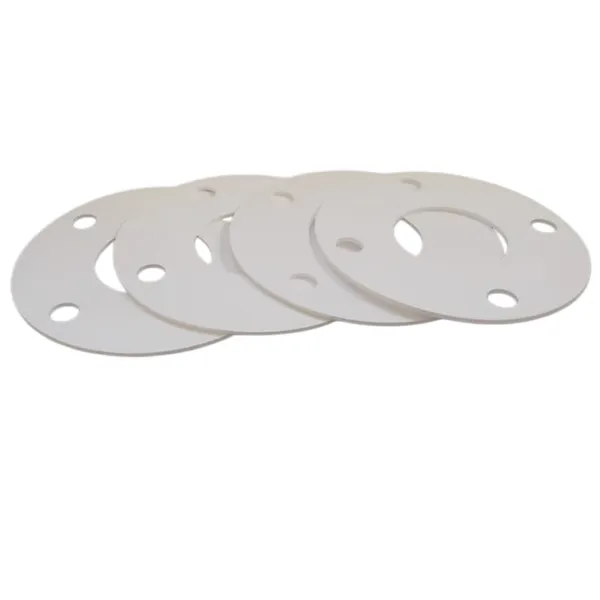
PTFE Gasket With Holes, National Standard Flange Multi-hole PTFE Sealing GasketNegotiableMOQ: 100 Blades
-
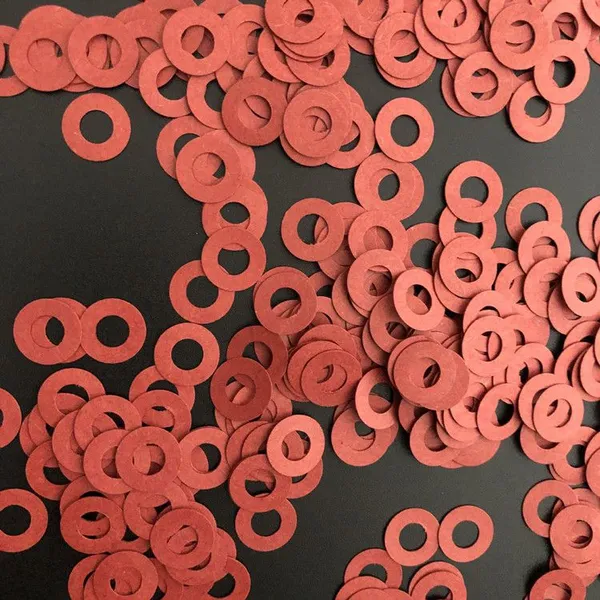
Red Steel Paper Gasket Insulation Flat Washer Red Mica Quick Connector Paper WasherNegotiableMOQ: 100 Blades
-
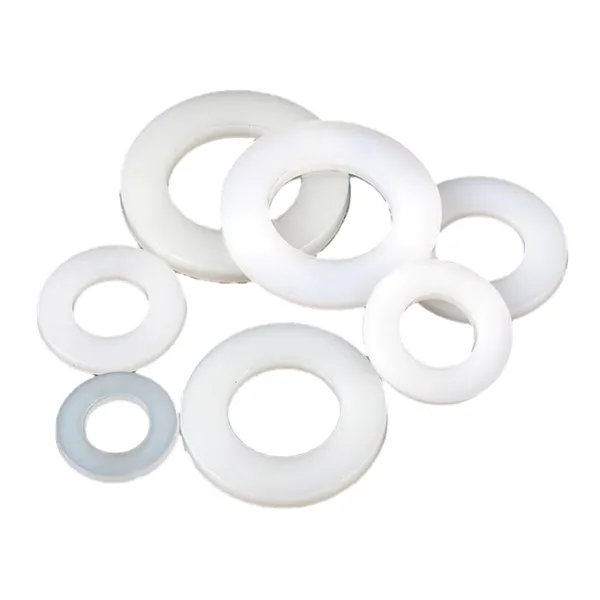
Nylon Washer Black Plastic Flat Washer Insulating Shock-absorbing Wear-resistant Self-lubricatingNegotiableMOQ: 100 Blades
-
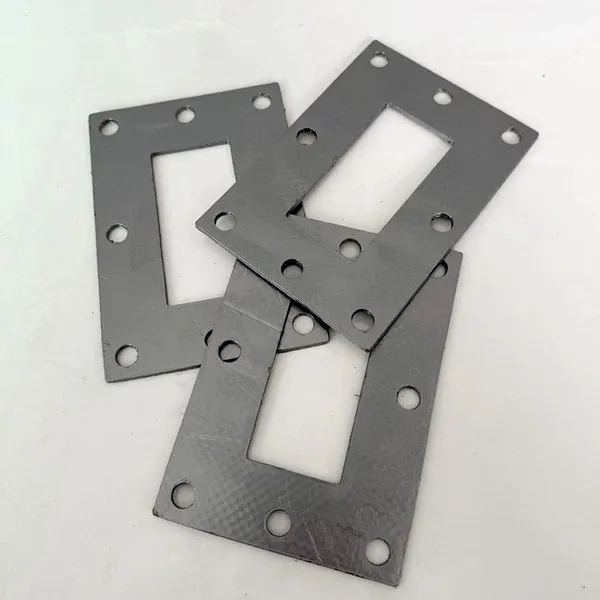
Perforated Graphite Composite Gasket 304 Stainless Steel Reinforced High Temperature and High Pressure Flange Gasket Boiler SteamNegotiableMOQ: 100 Blades
-
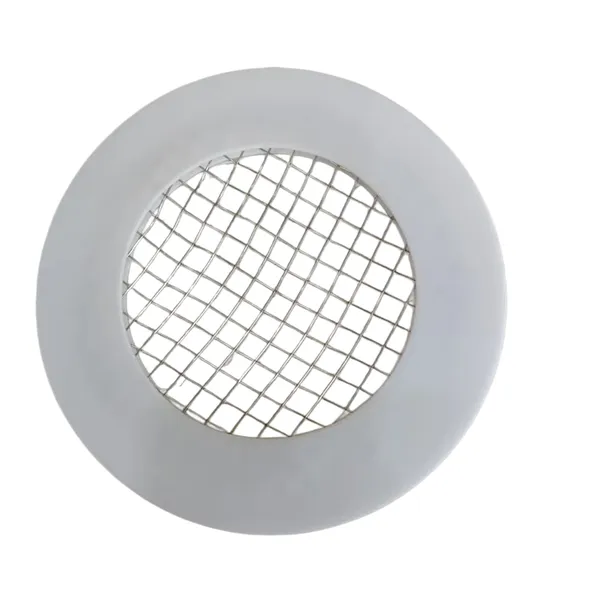
PTFE Filter Gasket With Stainless Steel Mesh; PTFE Filter Sealing Gasket With Stainless Steel MeshNegotiableMOQ: 100 Blades
-
Metal Reinforced PTFE PTFE Gasket Chemical Corrosion Resistant GasketNegotiableMOQ: 100 Blades
-
Reinforced Metal Winding Gasket 304 Stainless Steel Flange Sealing GasketNegotiableMOQ: 100 Blades
-
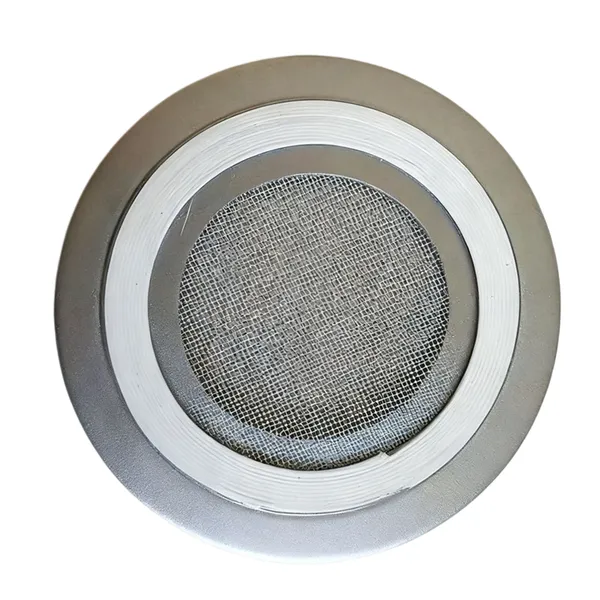
Filter Mesh Winding Gasket 304 Stainless Steel Inner and Outer Ring GasketNegotiableMOQ: 100 Blades
-
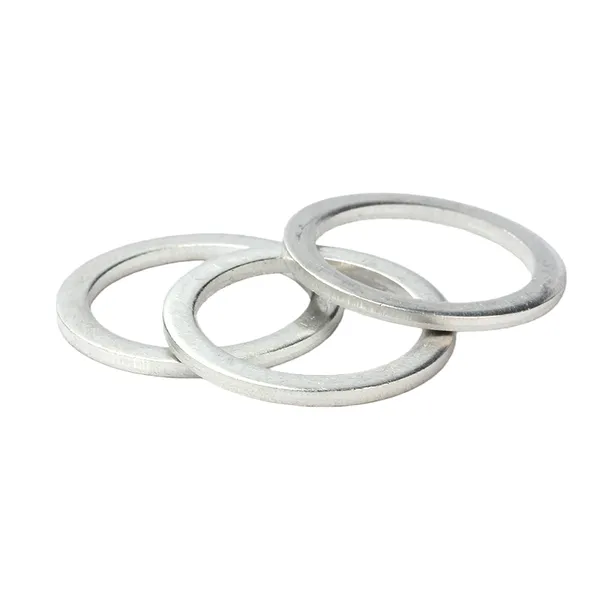
Pure Aluminum Gasket Soft Aluminum Flat Washer 0.1-3mm High Temperature Resistant Sealing Aluminum WasherNegotiableMOQ: 100 Blades
-
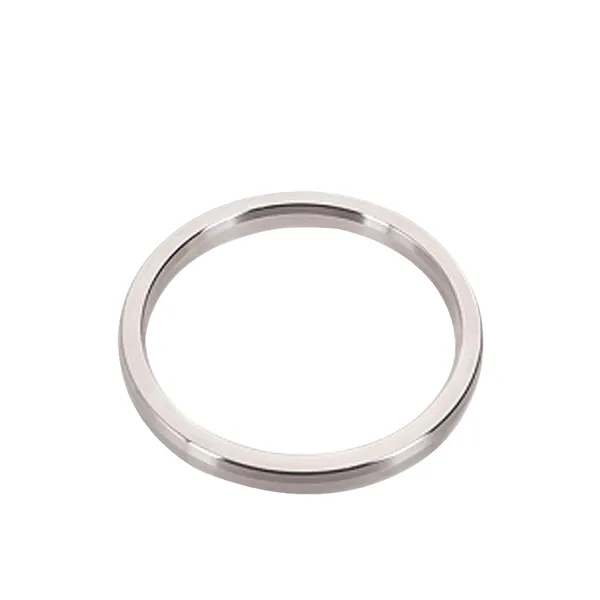
Metal Octagonal Ring Gasket Oval Gasket 304/316L Stainless Steel Metal Ring Gasket RJ Flange GasketNegotiableMOQ: 100 Blades
-
Basic Metal Spiral Wound Gasket 304 Graphite Spiral Wound Gasket Tongue and Groove FlangeNegotiableMOQ: 100 Blades
-
Metal Graphite Spiral Wound Gasket High Temperature Flange Pipe Sealing GasketNegotiableMOQ: 50 Blades
-
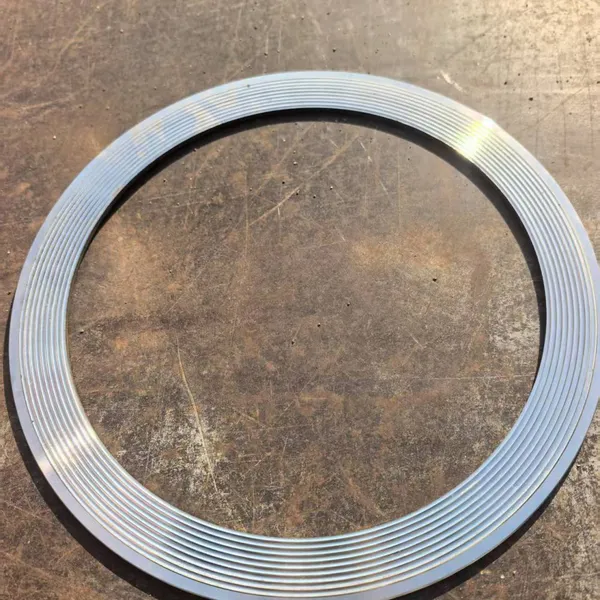
Stainless Steel Flexible Graphite Corrugated Composite Gasket Irregular Thick Reinforced High Temperature and High Pressure Sealing GasketNegotiableMOQ: 100 Blades
-
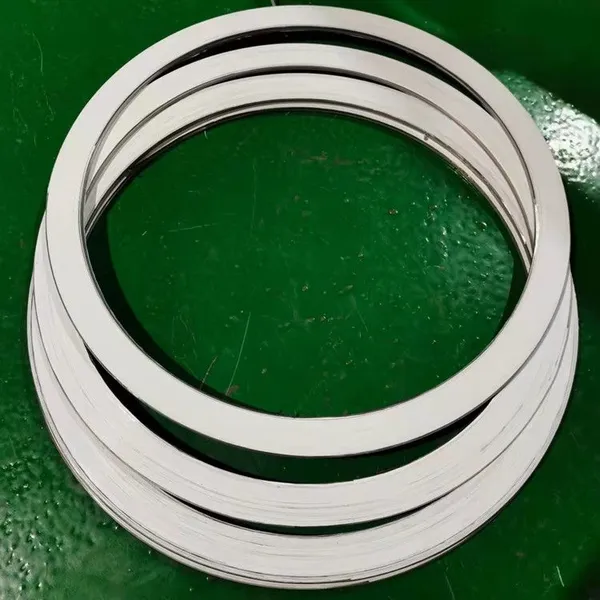
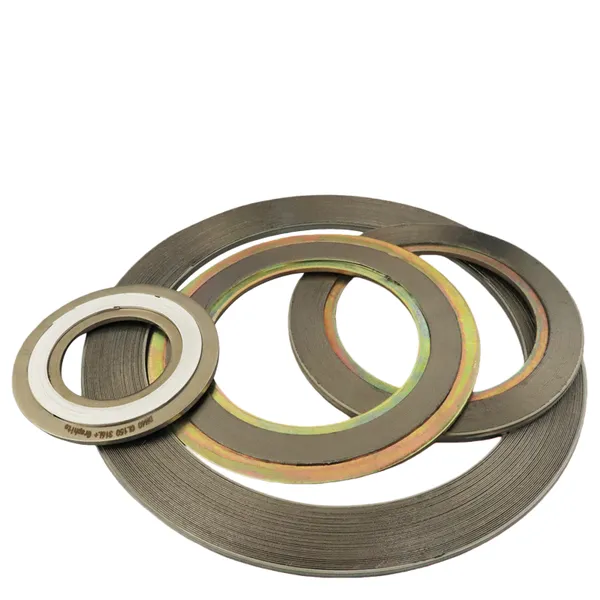
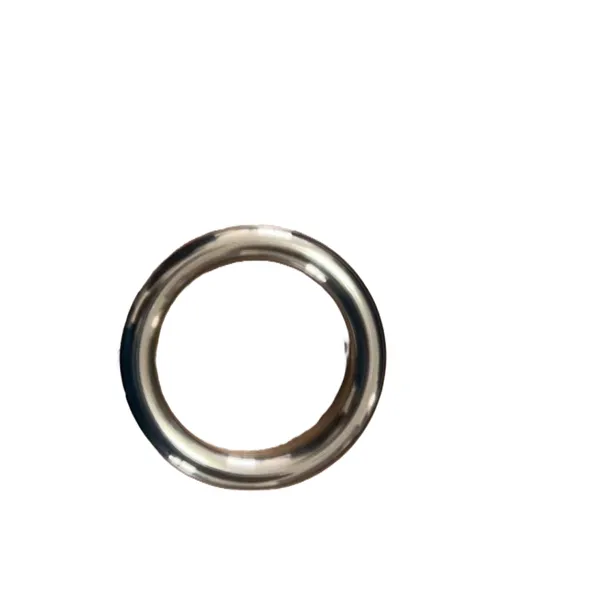
304 Stainless Steel Oval Metal Ring Gasket RJ Flange Oval Gasket High Pressure and High Temperature Resistant Sealing WasherNegotiableMOQ: 10 Units
-
PTFE Gasket, Polytetrafluoroethylene Sealing Gasket, White Teflon Flat Gasket, High Temperature and Acid/alkali Resistant Industrial Flange WasherNegotiableMOQ: 25 Units
-
Elastic Expanded PTFE Gasket Soft Teflon Gasket Pipe Flange Sealing Gasket High and Low Temperature Corrosion Resistant Ready Stock Custom MadeNegotiableMOQ: 25 Units
-
Metal Lens Gasket, No-hole and With-hole Lens Gasket, High-pressure Angle Valve Hydrogen Pipeline Flange Sealing Gasket Custom-madeNegotiableMOQ: 25 Units
-
Metal Serrated Gasket | Wave Profile Composite Gasket for High Temperature and High Pressure Flange SealingNegotiableMOQ: 100 Blades
-
High Temperature and High Pressure Octagonal Ring Joint Gasket Oval Flange Gasket Carbon Steel 304 316 Stainless SteelNegotiableMOQ: 1 Unit